
 Basiran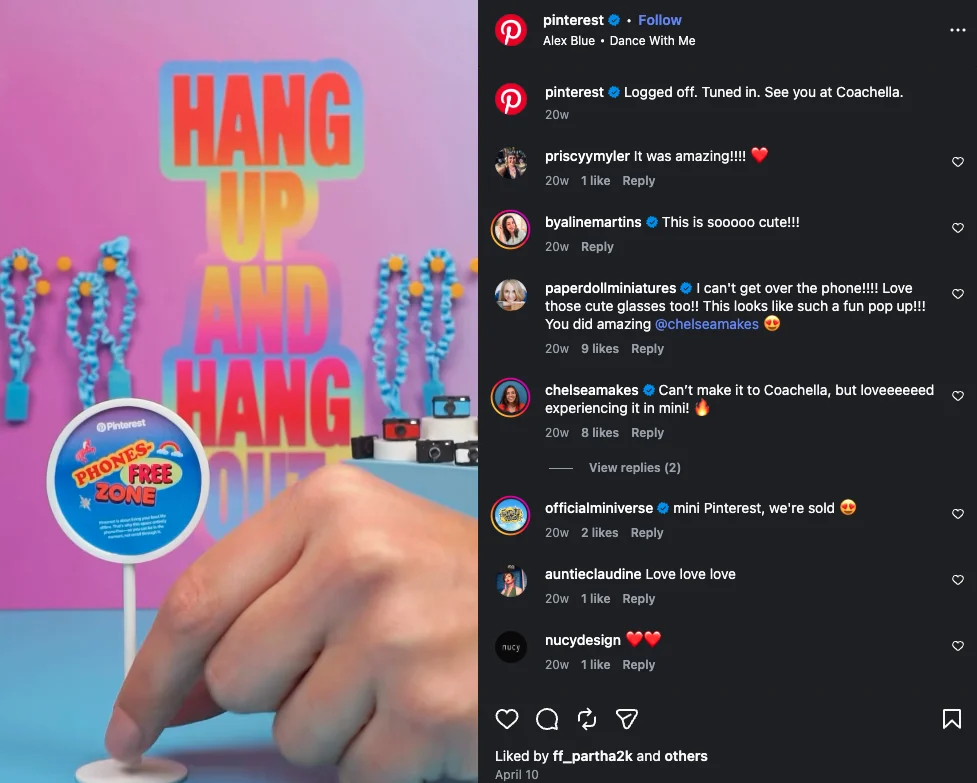
It is time to pull the ripcord on the treadmill of endless content production. For the better part of a decade, the mandate for social media professionals has been clear: post more, post faster, and be everywhere at once. But today, that strategy is hitting a wall—one constructed from audience fatigue, algorithm shifts, and a deluge of automated noise.
We are currently witnessing a historic period of social media saturation. With over 5.5 billion active users globally, the average person spends two hours and 20 minutes a day navigating their feeds. Yet, as the volume of content swells, the capacity for human attention has inversely contracted. The result is a paradox: brands are shouting louder than ever, yet their messages are being drowned out by the rising tide of digital "slop."
The Anatomy of the Saturation Crisis
The current crisis is not merely a feeling of burnout; it is a measurable phenomenon. According to Sprout Social’s 2025 Content Benchmarks Report, the average brand now publishes 9.5 posts per day across its networks. In highly competitive industries, that figure regularly doubles or even quadruples. This "more is more" philosophy was born from the fear of being forgotten by algorithms, but it has inadvertently contributed to a cluttered ecosystem where nothing truly resonates.
The Shrinking Attention Economy
The pressure to maintain a constant stream of content ignores a stark reality: human attention spans are in freefall. Research indicates that the average human attention span has plummeted from 2.5 minutes in 2004 to a mere 47 seconds in 2023. When brands attempt to force long-form, complex narratives into a landscape defined by 47-second windows, they are setting themselves up for failure. The strategy of "churn and burn" no longer yields the engagement it once did; instead, it accelerates the decay of brand sentiment.

The Rise of "AI Slop"
The most significant disruptor to the social landscape in 2026 is the influx of AI-generated content. Beyond the helpful automation tools used by professionals, the feeds are being flooded with what the internet has dubbed "AI slop"—low-quality, synthetic, or redundant content designed purely for search engine optimization or algorithm gaming.
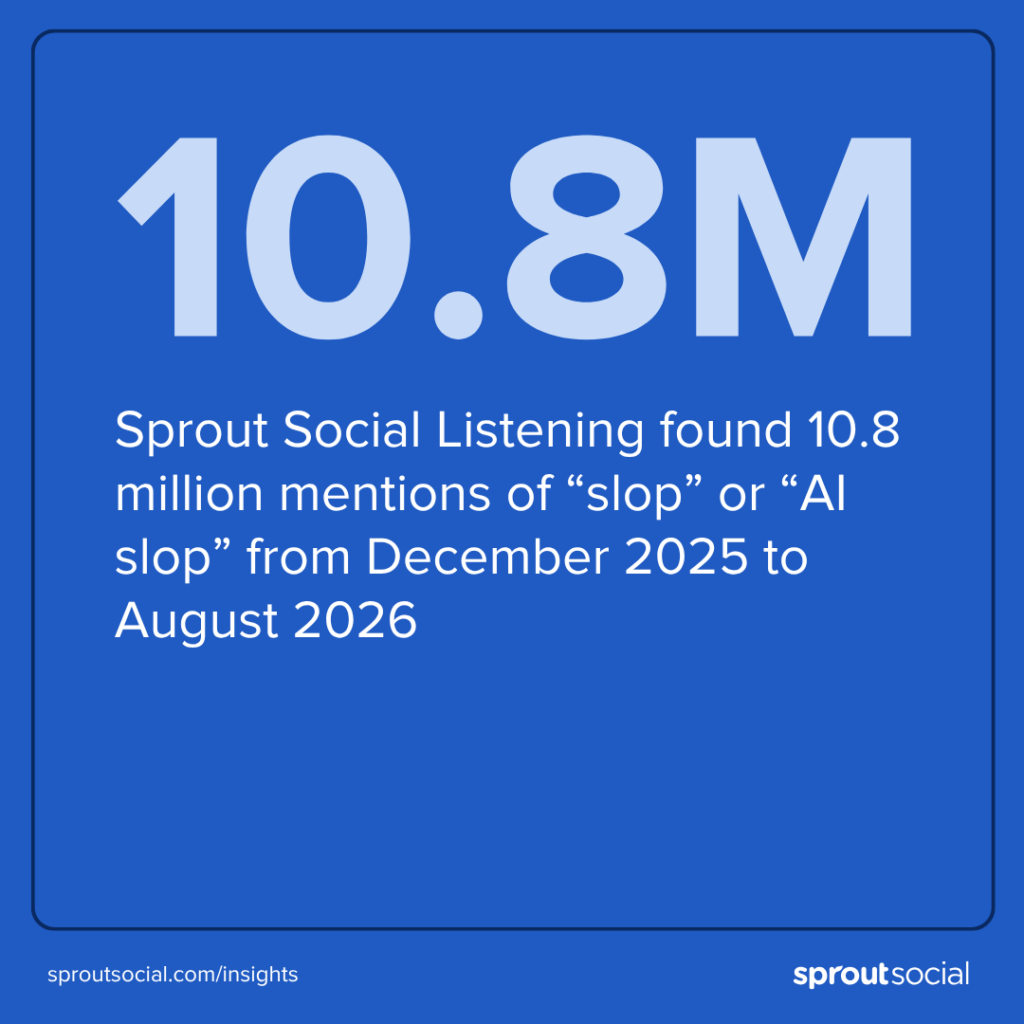
Sprout Social Listening data reveals that from December 2025 to August 2026, there were over 10.8 million mentions of the terms "slop" or "AI slop" in social conversations. This represents a massive shift in user sentiment; audiences are becoming hyper-aware of the difference between authentic human connection and automated filler. The introduction of "Seems like AI slop" reporting buttons on major professional networks like LinkedIn, which saw over 1 million flags in less than a month, signals a clear mandate from users: they want quality, and they are actively filtering out the rest.
Chronology of a Shift: From Volume to Value
The transition from a volume-based strategy to an insight-led approach has been forced upon marketers by three distinct developments:
- The Platform Fragmentation (2023-2024): The rise and fall of "alternative" networks like BeReal, combined with the steady emergence of Threads, Bluesky, and Mastodon, forced brands to spread themselves thin. This created a dilution of resources, where brands were present everywhere but impactful nowhere.
- The Algorithmic Pivot (2025): Algorithms moved away from social graphs (who you know) toward interest-based discovery. While this increased potential reach, it simultaneously lowered the quality of the audience, as content was served to passive scrollers rather than engaged followers.
- The "Resonance" Realization (2026): Brands began to acknowledge that their declining engagement rates were not a failure of frequency, but a failure of relevance. This led to a strategic pivot among market leaders toward "thought leadership" over "content production."
Supporting Data: Why Less is More
The data suggests that the path to success in an oversaturated market lies in high-intent, original content rather than high-frequency filler.
- Originality as a Differentiator: According to Sprout’s Q3 2026 Pulse Survey, one-third of consumers identify the originality of a brand’s content as the primary reason they follow a company on social media. It is second only to the quality of the product itself.
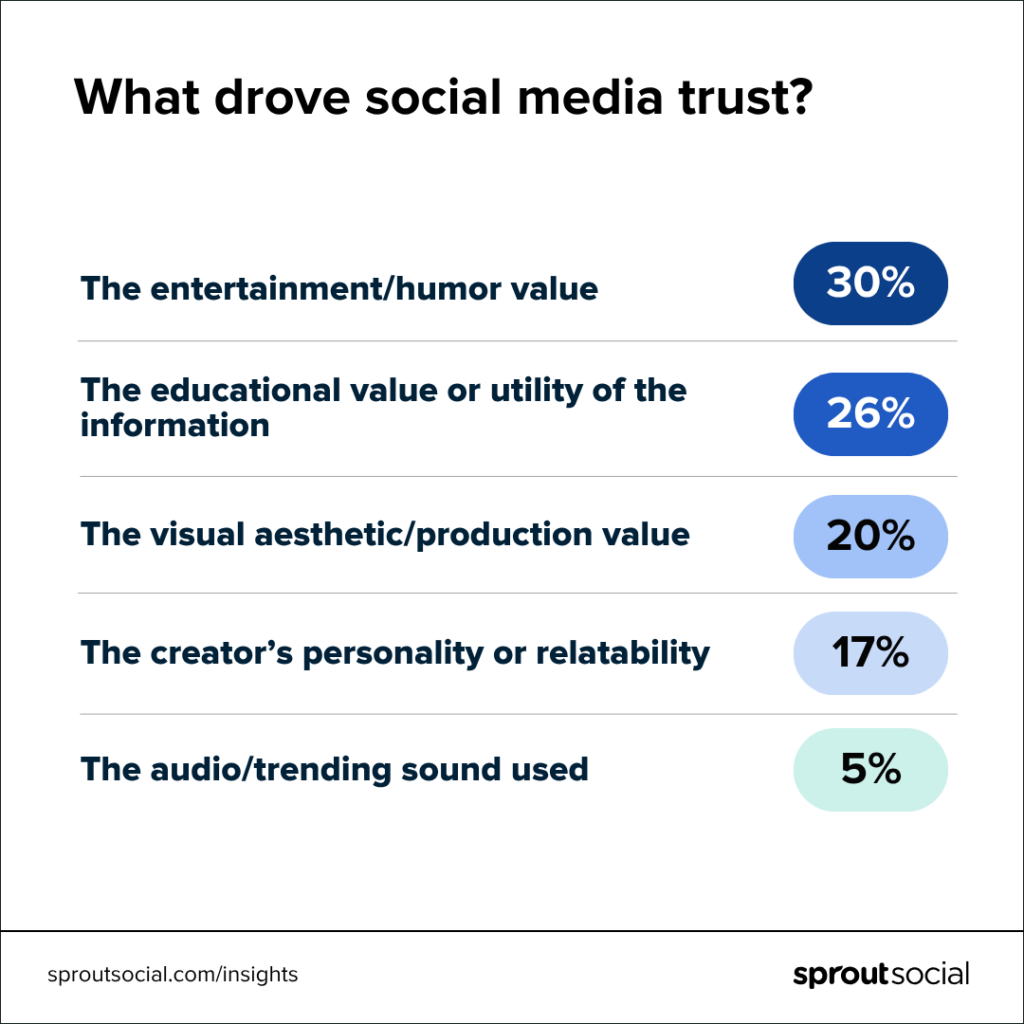
- The Power of Edutainment: Consumers continue to prioritize content that educates or entertains. Data from the Q1 2026 Pulse Survey highlights that 44% of consumers are willing to watch longer-form content—provided the first five seconds are compelling.
- The Cultural Imperative: While quality is king, context is queen. 84% of consumers believe it is important for brands to keep up with online culture. However, this is not a mandate to chase every meme. The data shows that "trendjacking" is only effective when the brand aligns with cultural moments that are authentic to its identity.
Strategic Case Study: BMC’s Pivot
BMC provides a blueprint for overcoming saturation. By analyzing their social data, BMC discovered that their one-off promotional posts were failing to gain traction, while their thought leadership pieces were consistently sparking meaningful conversation.
The team made a bold decision: they stopped the daily "content mill" approach. They launched The BMC Briefing, a monthly LinkedIn newsletter that consolidated product education, industry perspectives, and customer stories into a high-quality editorial experience. This move away from daily quantity toward monthly quality transformed their social media presence from a noise-generator into a trusted, authoritative voice.
Implications for Future Strategy
The saturation of social media is not a temporary hurdle; it is the new baseline. For brands to remain viable, the following shifts are no longer optional:
1. Shift from Reach to Resonance
Marketing teams must stop measuring success by impressions and start measuring by engagement quality. Does a post drive a meaningful comment? Does it spark a share that builds community? If a post only garners a "like" from someone who doesn’t stop scrolling, it has essentially failed.
2. Prioritize Brand-Unique Formats
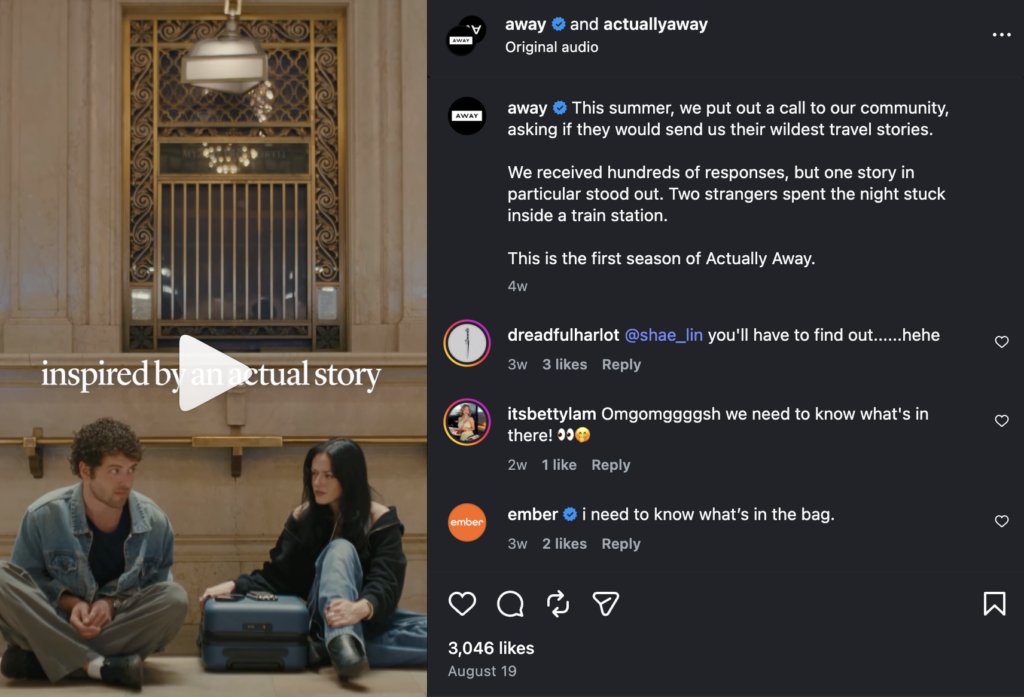
Brands like Away and Nuuly have successfully pivoted to "microdramas"—narrative-driven, episodic content that provides entertainment value while subtly highlighting products. This breaks the monotony of standard product photography and provides a reason for users to follow the brand’s account, rather than just waiting for a sales pitch.
3. Rigorous Trend Calibration
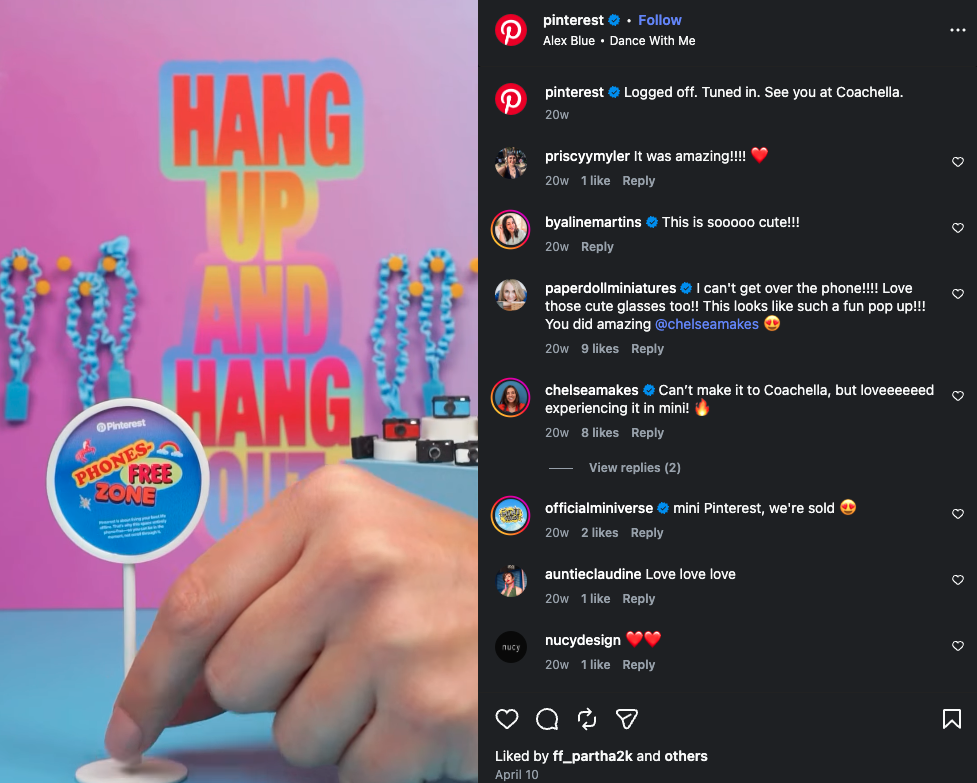
The Pinterest activation at Coachella 2026 serves as a masterclass in trend alignment. Rather than creating a digital "me-too" experience, they identified the "analog aesthetic" trend rising within their own platform data and built an IRL, phone-free experience. This was a direct, data-backed response to the very trend their users were discussing.
4. The "Stop" Strategy
The most effective strategy in an oversaturated market is often deciding what not to post. If a piece of content does not offer value, education, or genuine entertainment, it should not be published. Removing "filler" content creates more room for high-impact campaigns to breathe, ultimately increasing the overall brand perception.
Conclusion: The Opportunity in the Noise
Social media saturation is a challenge, but for the agile, it is an immense opportunity. While competitors continue to drown their audiences in a sea of automated, formulaic posts, brands that lean into human-centric storytelling, original thought, and data-backed resonance will rise to the top.
The era of "content for content’s sake" is dying. In its place, an era of intentional, high-value communication is emerging. For the social media professional, this is a call to move away from the metrics of vanity and toward the metrics of impact. Success in the age of saturation is not about being the loudest voice in the room; it is about being the one voice that people actually choose to listen to.
Frequently Asked Questions
What is social media saturation?
Social media saturation occurs when the volume of content produced by brands and creators exceeds the audience’s psychological and emotional capacity to process it. This leads to declining returns on content and a "noise" effect where individual messages lose their impact.
Is social media marketing still viable?
Yes, but the barrier to entry has risen. "Oversaturated" does not mean ineffective; it means that the cost of attention has increased. Undifferentiated content will fail, but brands that provide high-value, specific, and authentic content continue to see strong engagement.
How should brands measure success in 2026?
Metrics should shift from volume-based (posts per week, reach) to engagement-based (meaningful comments, shares, saves, and community growth). The goal is to move from being a brand that "interrupts" the feed to one that is actively sought out.
What is the role of AI in this new strategy?
AI should be used for research, social listening, and administrative tasks—not for content creation. The market is currently rejecting AI-generated filler, making original, human-led creative work more valuable than ever.

 Suro Senen
 Raul Delapena Setiawan
 Laily UPN
 Iffa Jayyana
 Rifan Muazin
 Lina Hope
 Lina Irawan