
 Laily UPN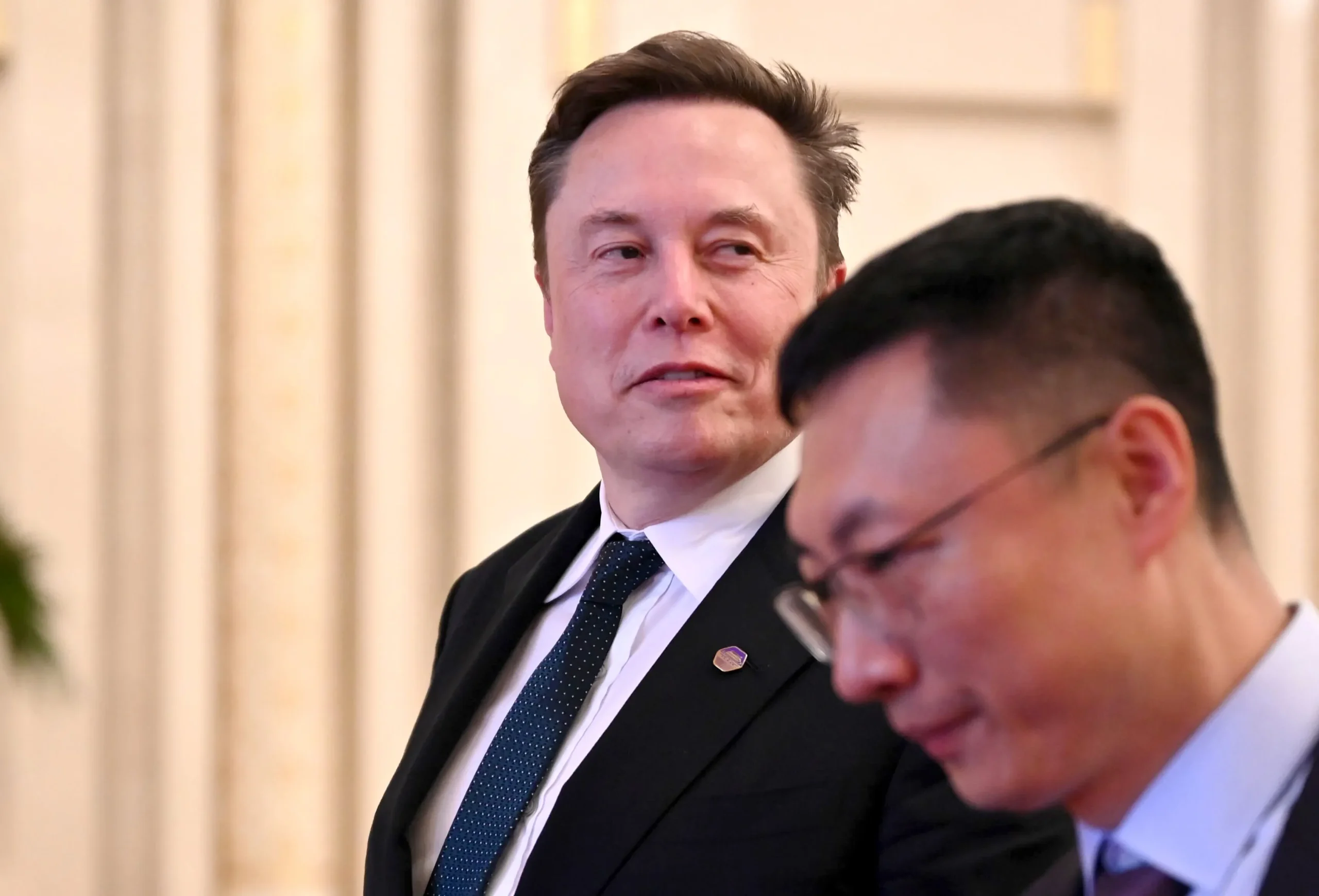
The ambition to connect the final frontier of the unconnected has collided with the entrenched political and economic realities of the world’s most populous nation. Elon Musk, the mercurial CEO of SpaceX, has escalated his confrontation with Indian business titan Mukesh Ambani, casting a shadow over the future of Starlink in the Indian market. In a series of biting critiques on his social media platform X, Musk has accused the Reliance Industries chairperson of leveraging outsized political influence to block his satellite internet service, effectively labeling him the “prime minister” of India to underscore the perceived monopolistic control Ambani exerts over the nation’s telecommunications landscape.
This public war of words is more than a billionaire’s spat; it is a high-stakes geopolitical drama involving regulatory hurdles, the clash of legacy telecom giants against disruptive satellite technology, and the struggle for dominance in a market of over a billion potential internet users.
The Escalation: From “Oligarchs” to “Prime Minister”
The friction began earlier this week when Musk, frustrated by the bureaucratic inertia surrounding Starlink’s launch, suggested that “unnamed oligarchs” were working in tandem to stall his company’s entry into India. As the rhetoric sharpened, Musk turned his sights directly on the richest man in Asia.
On Friday, Musk took to X to challenge Ambani’s dominance, writing: “Naturally, you would prefer to maintain your monopolistic exploitation of the great people of India, but would you nonetheless consider allowing Starlink to compete?” The provocation followed a more pointed question posted on Thursday: “Is Ambani the real boss of India?”
For Musk, the narrative is framed as a battle for progress. He argues that Starlink’s satellite constellation could bridge the digital divide, providing high-speed internet to remote, unconnected regions, thereby empowering children with educational tools and enabling small businesses to tap into global markets. Conversely, his critics in India suggest Musk is attempting to bypass established regulatory processes by leveraging his massive personal brand and platform.
A Chronology of a Stalled Entry
The history of SpaceX’s attempt to enter India is a saga of optimism met with regulatory friction.
- Early Ambitions (2021–2023): SpaceX began laying the groundwork for Starlink in India, initiating pre-orders and scouting local partnerships.
- The Regulatory Debate (2023): A significant rift emerged regarding how satellite spectrum should be allocated. While Starlink advocated for an administrative assignment—the global norm for satellite spectrum—Reliance Jio, led by Ambani, lobbied heavily for an auction-based model.
- The Government Decision (Late 2023): In a win for Starlink, the Indian government ultimately opted for an administrative allocation process, consistent with the new Telecommunications Act.
- Strategic Partnerships (2025): In a move that signaled potential reconciliation, SpaceX struck distribution agreements with both Reliance Jio and Bharti Airtel, the two titans of the Indian telecom sector, to facilitate the rollout once licenses were approved.
- The Current Impasse (2026): Despite securing initial regulatory clearances, the commercial launch remains in limbo. The Ministry of Communications has stated that security assessments are ongoing for all applicants, including Starlink, Jio’s satellite venture, and Airtel’s partner, Eutelsat OneWeb.
The Competitive Landscape: A War of Satellites
Musk’s frustration is intensified by the fact that he is not the only player seeking to dominate the Indian satellite sky. Reliance Jio has formed a joint venture with Luxembourg-based SES, while Bharti Airtel maintains a significant stake in Eutelsat OneWeb.
These legacy players are not merely observers; they have invested billions in terrestrial fiber and 5G infrastructure. Satellite internet represents a dual threat: it provides a competitor to their existing services and offers a way to reach markets where laying fiber is prohibitively expensive. By keeping the regulatory gates closed, critics argue that the incumbent players are effectively running the clock, allowing them time to solidify their own satellite offerings before Starlink can gain a foothold.
However, the Indian government maintains that the process is entirely above board. Telecom Minister Jyotiraditya Scindia has been vocal in his rejection of Musk’s characterizations. “India does not allow a monopoly in any sector,” Scindia stated on Friday, emphasizing that all applicants are at the same stage of regulatory review and are subject to the same stringent security vetting processes.
Tesla’s Shadow: A Precursor to the Current Tension
The current tension regarding Starlink is not the first time Musk has faced the realities of the Indian market. His electric vehicle company, Tesla, finally entered India last year following nine years of intense lobbying and negotiation. The results have been underwhelming.
Data from the first 12 months of operations reveals that Tesla registered fewer than 700 vehicles in the country. The primary culprit is the cost. Due to steep import duties, a Tesla Model Y in India costs nearly double its U.S. counterpart. While Tesla has attempted to adjust pricing, the brand remains a luxury commodity, far removed from the mass-market adoption Musk originally envisioned. This experience with Tesla has likely hardened Musk’s stance toward India’s regulatory environment, making him more prone to public outbursts when faced with similar, if not more complex, hurdles for Starlink.
Implications for India’s Digital Future
The conflict holds deep implications for India’s economic trajectory. Prime Minister Narendra Modi’s government has made "Digital India" a central pillar of its development strategy, aiming to provide connectivity to every corner of the country. Bringing satellite broadband to the masses is essential to this goal, especially in rural areas where traditional infrastructure has failed to penetrate.
However, the government must balance this desire for modernization with the interests of domestic industrial giants like Reliance, which have been crucial partners in the state’s nation-building projects. Ambani’s influence in New Delhi is an open secret; his conglomerate is woven into the fabric of the Indian economy, from retail to energy to digital services.
For Musk, the path forward is narrow. He is caught between the need for government approval and his own combative public persona. By attacking the man who is perhaps the most influential business figure in the country, Musk risks alienating the very regulators whose support he needs to begin operations.
Regulatory Reality vs. Rhetoric
The Ministry of Communications’ position remains that the delay is not a result of political interference, but of technical and security necessities. Satellite communications involve sensitive national security data, and the Indian government is tasked with ensuring that all operators comply with local data sovereignty laws.
The argument from the ministry is that Starlink is being treated with the same level of scrutiny as any other foreign entity. To suggest otherwise, the government implies, is to ignore the standard operating procedures that protect a nation’s digital borders. Yet, for a CEO accustomed to the rapid-fire, disruption-first culture of Silicon Valley, the deliberate pace of Indian bureaucracy feels indistinguishable from malice.
Conclusion: A Delicate Balance
As the standoff continues, the real victims are the millions of Indians waiting for affordable, high-speed internet. Whether Starlink launches in the coming months or remains tied up in a web of legal and political maneuvering, the episode underscores the fundamental friction between global tech giants and national regulatory power.
Elon Musk’s aggressive tactics may succeed in bringing international attention to the perceived roadblocks, but they also serve as a reminder that the Indian market is not a monolith that can be disrupted by a tweet. It is a complex ecosystem where influence, policy, and legacy business interests are deeply intertwined. For now, the "Starlink" of India remains grounded, and the "real boss of India"—whether it be the government or the market titans—remains a matter of perspective, even as the global world watches the drama unfold from the screens that Musk’s satellites hope to one day power.


 Evan Lee Salim
 Suro Senen
 Basiran
 Neng Nana
 Iffa Jayyana
 Raul Delapena Setiawan
 Rifan Muazin
 Asro
Asro