
 Rifan Muazin
As we approach the final quarter of 2026, the digital landscape is undergoing a profound transformation. In an era where generative AI dictates the speed of information discovery, the burden on ecommerce content marketers has shifted. It is no longer enough to simply "publish"; content must now provide high-utility, narrative-driven experiences that capture the human element in an increasingly automated ecosystem.
Content marketing—the strategic orchestration of creating, distributing, and promoting valuable assets—remains the most effective bridge between brand identity and consumer loyalty. As we move into November 2026, brands have a unique window to leverage historical milestones, scientific curiosity, and a contrarian approach to consumerism to stand out in a saturated market. Here are five strategic pillars for your November content calendar.
1. The Centenary of Route 66: Mapping the American Dream
On November 11, 1926, the United States officially commissioned Route 66. Originally a disparate collection of local dirt roads and gravel tracks, this 2,400-mile artery became the backbone of American westward expansion, linking Chicago to Los Angeles.
The Chronology of an Icon
- 1926: Official designation of U.S. Highway 66.
- 1938: Completion of the final paving, marking the end of the "dust and grit" era.
- 1950s–1960s: The golden age of the "Mother Road," defined by neon-lit motels, roadside diners, and the birth of the American car culture.
- 2026: The 100-year anniversary, serving as a cultural touchstone for brands looking to tap into themes of travel, freedom, and nostalgia.
Implications for Modern Brands
The economic legacy of Route 66 wasn’t just in the pavement; it was in the ecosystem that blossomed alongside it. For ecommerce brands, the centennial offers a masterclass in "lifestyle branding." Whether you sell automotive accessories, outdoor gear, vintage-inspired fashion, or travel insurance, the narrative of the road trip is a powerful vessel.
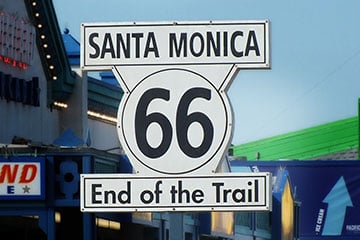
Brands can create interactive "road trip planners," curate playlists for the open road, or host blog series exploring the history of regional manufacturing along the route. By aligning your brand with the spirit of exploration, you move from being a transactional retailer to an experiential partner.
2. Demystifying the Mundane: The Science of Everyday Life
In a world of "black-box" technology, consumers are increasingly hungry for transparency. November provides a perfect narrative bridge between International STEM Day (November 8) and World Science Day (November 10).
The Mechanics of Utility
Why does a cast-iron skillet retain heat better than stainless steel? What is the molecular interaction in a waterproof jacket that permits moisture vapor to exit while blocking liquid rain? These are not merely technical specifications; they are the answers to the "Why" behind the purchase.
- The Physics of Coffee: Explain how grind size dictates the surface area exposed to water, thereby altering the extraction rate and flavor profile.
- Material Science: Deep-dive into the synthesis of synthetic fibers in athletic wear.
- Thermal Dynamics: Why high-end cookware handles heat differently than mass-market alternatives.
Why Science-First Content Wins
When a brand explains the "science behind the product," they establish authority. In the age of AI search engines like Perplexity or Google’s SGE (Search Generative Experience), search algorithms prioritize content that answers specific, granular questions. By creating "Science of [Product]" guides, you are not just educating your customer—you are providing the exact data sets that AI crawlers need to verify your product’s superiority.

3. The 1976 Retrospective: A Half-Century Lookback
Looking back exactly 50 years offers a unique comparative lens. 1976 was a watershed year—the American Bicentennial, the dawn of the Apple I computer, and a specific peak in fashion and design aesthetics.
Comparing Then and Now
A retrospective is more than just a trip down memory lane; it is a way to quantify progress.
- Fashion: Contrast the polyester-heavy, high-waisted silhouettes of 1976 with the sustainable, tech-infused fabrics of 2026.
- Technology: Compare the "smart" home of 1976 (a rotary phone and a paper calendar) to the hyper-connected, IoT-driven homes of today.
- Consumer Expectations: Discuss how the shift from catalog-based shopping to instant-delivery ecommerce has fundamentally altered the buyer’s journey.
Strategic Execution
Retailers can utilize this through multi-media formats:
- Photo Essays: Juxtaposing 1976 advertisements with 2026 product photography.
- Expert Interviews: Feature "industry veterans" who have seen the evolution of your specific product category.
- The "Future-Proof" Narrative: Use the 50-year gap to show how your brand has consistently stayed ahead of the curve, positioning your products as the next logical step in this long evolution.
4. World Television Day: Reflecting on Cultural Influence
Designated by the UN in 1996, World Television Day (November 21) commemorates the first World Television Forum. While the medium has transitioned from CRT consoles to streaming interfaces, its role as a cultural mirror remains undiminished.

Supporting Data on Cultural Impact
Television has historically served as the primary arbiter of trends. From the fashion seen on Charlie’s Angels in 1976 to the interior design choices influenced by modern prestige streaming, TV dictates what consumers want.
- The "Second Screen" Effect: Discuss how modern shopping habits occur simultaneously with television consumption.
- Nostalgia Marketing: Use TV history to anchor your products in the collective consciousness.
- The Evolution of the "Centerpiece": Explore how the living room has changed from a space defined by the TV set to one defined by smart entertainment ecosystems.
Brands should leverage this day to publish articles that analyze how their products have been shaped—or have shaped—the television landscape. This establishes your brand as a cultural participant rather than a mere supplier.
5. The "Anti-Gift" Guide: A Strategy of Radical Transparency
November is historically the month of the "Holiday Gift Guide." However, the sheer volume of these guides has led to consumer fatigue and "choice paralysis." The "Anti-Gift Guide" is a contrarian marketing strategy that builds trust through honesty.
The "Pro-Fit" Philosophy
Instead of pushing every item in your catalog, create a guide titled: "Why You Should Probably Skip the Espresso Machine (Unless…)"

This approach addresses the friction points of a product:
- Counter Space: Acknowledge the size of the unit.
- Maintenance: Be honest about the time required for cleaning and descaling.
- Skill Ceiling: Admit that a high-end machine requires a learning curve.
Implications for Conversion
By advising a customer not to buy a product unless it fits their specific lifestyle, you achieve three things:
- Trust: You demonstrate that you value the customer’s long-term satisfaction over a short-term sale.
- Reduced Returns: Customers who buy after reading an "Anti-Gift" guide are far more likely to be satisfied with their purchase.
- AI Optimization: AI shopping assistants are being trained to prioritize "fit." By explicitly stating who a product is not for, you provide the context that AI needs to recommend your product to the right person, increasing your qualified leads.
Conclusion: The Path Forward
As we move toward December 2026, the businesses that thrive will be those that view content marketing not as a chore, but as a strategic asset. Whether it is the historical gravity of Route 66, the technical clarity of science-based content, or the radical honesty of an anti-gift guide, the objective remains the same: to create a digital presence that is useful, informative, and undeniably human.
In the AI era, the most successful brands will be those that provide the human context that algorithms cannot replicate. Start your November planning now—the next hundred years of your brand’s story start with the content you create today.



 Asro
Asro
 Raul Delapena Setiawan
 Dwi Wanna
 Muslim
 Nana Wu
