
 Reynand Wu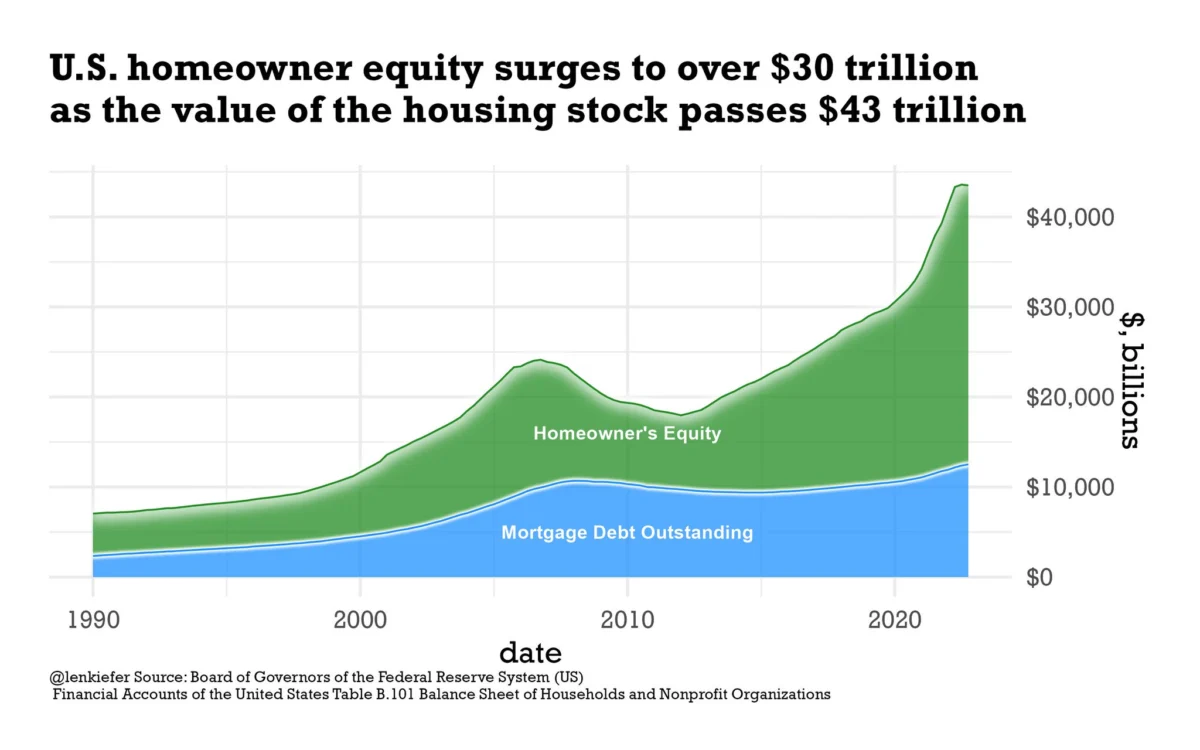
For many, the pinnacle of the American dream is defined by a specific set of criteria: a quiet, safe, and prestigious neighborhood, a home with a view, and the privacy afforded by a secluded, well-manicured street. Yet, as homeowners climb the property ladder in search of tranquility, they often collide with an unexpected and persistent obstacle: the relentless cycle of "remodeling mania."
While real estate professionals often emphasize location and curb appeal, they rarely warn prospective buyers about the demographic shifts and construction cycles that define high-end residential living. In a modern economy where capital is abundant and home equity serves as a primary driver of wealth, the "nicest" neighborhoods have become hotbeds for continuous, large-scale structural renovations. For the growing segment of remote workers, retirees, and families seeking a sanctuary, this presents a unique, modern dilemma.
The Illusion of Perpetual Tranquility
The pursuit of the "perfect" home is often rooted in a desire for peace. In the past, proximity to urban centers, grocery stores, and public transportation was a priority. Today, the ubiquity of delivery services and the shift toward remote work have rendered traditional convenience less critical than the quality of the environment.
The ideal home, for many, is now found in "obscurity"—a neighborhood removed from heavy foot traffic, located on a quiet hill, or tucked away from the noise of the city. This isolation is valued not just for its aesthetic appeal, but for its perceived security. As the adage goes, "crime doesn’t climb." By minimizing accessibility to the general public, homeowners seek to create a fortress of solitude.
However, this peace is fragile. The very characteristics that make a neighborhood desirable—large lots, architectural charm, and prime locations—also make them targets for ambitious homeowners looking to unlock value through gut renovations.
Chronology of a Neighborhood Transformation
The experience of one homeowner in San Francisco serves as a case study for the phenomenon of "remodeling clusters." In 2023, after moving into a remodeled, high-end property, the expectation was a decade of quiet enjoyment. The reality proved to be a starkly different experience.

- Months 1–3: A neighbor two doors down initiates a full-scale gut renovation.
- Months 3–5: A second neighbor three houses down commences a concurrent demolition.
- Months 5–7: A new homeowner down the hill begins a massive project involving deck reconstruction, window replacement, and full structural plastering.
- Months 7–9: A fourth neighbor, inspired by the activity, begins a partial remodel.
- Month 10: A home across the street is sold off-market to a developer, resulting in an immediate gut renovation and the arrival of heavy machinery.
For those who rely on a consistent environment to work or rest, this sequence creates a "noise trap." While local ordinances typically regulate construction hours—usually permitting work between 8 am and 6 pm—these hours directly overlap with the essential daily routines of remote workers and those who utilize the midday window for recovery.
Supporting Data: Why Remodeling Is Booming
The current surge in residential construction is not anecdotal; it is driven by macroeconomic shifts. According to data regarding U.S. homeowner equity, the "tappable" equity—the amount of cash a homeowner can extract from their property while maintaining a 20% equity stake—has reached historic highs since the pandemic.
- Equity Extraction: With home values surging, owners are using home equity lines of credit (HELOCs) to fund upgrades, viewing them as both lifestyle improvements and strategic investments.
- The AI-Driven Boom: In cities like San Francisco, the influx of wealth from the artificial intelligence sector has accelerated the "boom loop," where older, dated properties are being aggressively updated to meet the demands of a new, high-income demographic.
- Efficiency Gains: Statistics indicate that while the cost of building materials and labor has increased, the return on investment (ROI) for a well-executed gut renovation in a prime area can exceed 20% beyond the cost of construction.
- The "Correction" Effect: Properties that were left in a state of neglect by older generations are now entering the market. When these homes sell, they almost invariably undergo a period of intense modernization, creating a ripple effect of noise that lasts for years.
Implications for the Homeowner and Remote Worker
The noise pollution generated by these projects is more than a nuisance; it is a productivity and health challenge. For writers, researchers, and remote professionals, the inability to find a quiet workspace can lead to increased stress and a decline in output.
The Psychological and Physical Toll
The disruption of the circadian rhythm—particularly for those who rely on a 1 pm to 3 pm nap—can have cumulative effects on health. Furthermore, the constant presence of construction crews, debris, and blocked streets alters the character of the neighborhood, temporarily stripping it of the "cozy, nestled" feeling that initially attracted the homeowner.
Financial and Social Consequences
While the noise is detrimental in the short term, there are silver linings:
- Property Value Appreciation: Every dollar spent by a neighbor on a high-end remodel contributes to the street’s overall market value. As neighboring properties are updated, the "anchor" value of the street rises.
- Community Engagement: For many, the necessity of leaving the house to avoid noise leads to unexpected lifestyle improvements. Increased physical activity, such as joining local sports clubs or spending more time in parks, can result in better physical health and stronger community ties.
- Productivity Shifts: Some professionals have found that the external noise forces them to refine their work processes, leading to higher efficiency during the brief windows of silence.
Official Regulatory Hurdles: The "Permit Paradox"
A significant factor in the duration of these disruptions is the regulatory environment. In many major metropolitan areas, the Department of Building Inspection (DBI) acts as a bottleneck.

"Permits are a double-edged sword," notes one industry observer. "While they ensure safety and code compliance, the fragmented nature of the inspection process—where plumbing, electrical, and structural inspectors often work in silos—leads to indefinite delays."
These delays are a primary driver of why a remodel might take six months instead of three. The more complex the code requirements, the more iterations are required, and the longer the jackhammers stay on the street. This bureaucracy ironically protects the value of homes, as the high barrier to entry (the cost of time, permits, and labor) prevents low-quality, quick-fix renovations from flooding the market.
Strategic Recommendations for Future Buyers
For those currently shopping for a home, the "remodeling risk" should be a standard component of the due diligence process.
- The "Three-House Rule": When assessing a property, look at the three houses in every direction. If they are older and occupied by long-term residents, be aware that you are essentially sitting on a "delayed" construction site. The moment the property turns over, a gut renovation is likely.
- Inspect the Condition: Houses that have not been touched in 30 years are prime candidates for demolition. While they may be cheaper to buy, they are "remodeling time bombs."
- Prioritize "Recently Remodeled": Paying a premium for a home that was renovated in the last three years is often the most cost-effective decision. You are effectively paying a premium to avoid the stress, cost, and noise of overseeing a project yourself.
- Lifestyle Mitigation: If you find yourself in the middle of a remodeling cycle, treat it as a temporary phase. Utilize noise-canceling technology, pivot your work schedule to the early morning or evening hours, and leverage the situation to increase your time spent outside the home.
Conclusion: Balancing Progress and Peace
The remodeling of a neighborhood is an inevitable consequence of progress and wealth generation. While the noise is an undeniable burden for the remote worker, it is also a signal of a thriving, desirable community. By understanding the lifecycle of property development, potential buyers can make more informed decisions, balancing the desire for a "perfect" home with the reality of urban evolution.
Ultimately, the best strategy is a combination of patience and adaptability. Whether it is through investing in passive real estate vehicles to avoid the headaches of physical property management, or simply leaning into a more active, out-of-the-house lifestyle, homeowners can navigate the "remodeling mania" and come out the other side with a more valuable, and eventually peaceful, property.

 Ali Ikhwan
 Layla Zulfa
 Laily UPN
 Iffa Jayyana
 Rifan Muazin
 Suro Senen
 Lina Hope
 Lina Irawan