
 Raul Delapena Setiawan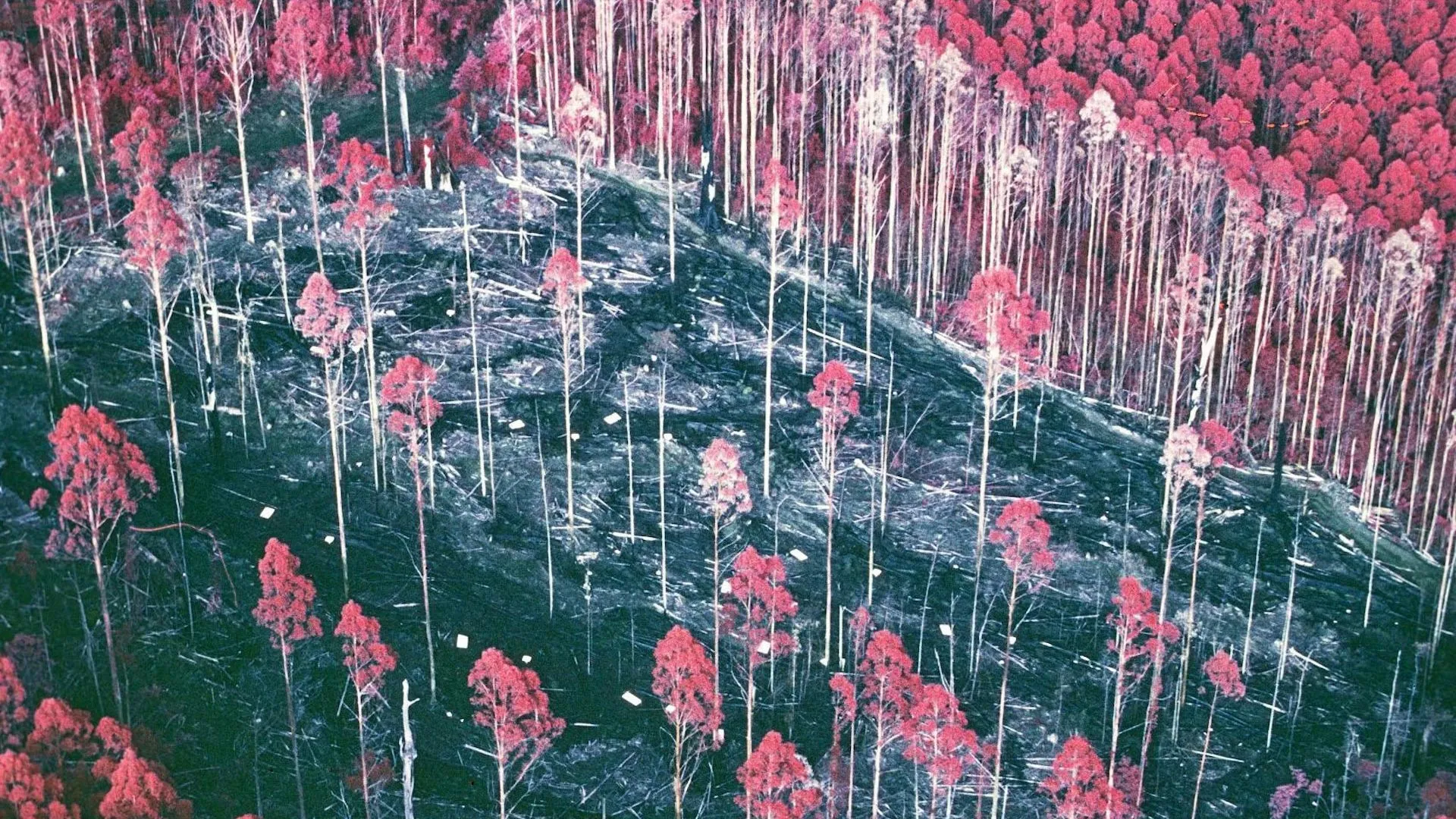
For decades, the Australian public discourse regarding the management of native forests has been defined by a rigid, often hostile, binary. On one side, environmental advocates have campaigned for the total preservation of forest ecosystems, arguing that any human intervention leads to irreversible degradation. On the other, the timber industry has maintained that harvesting is not only a legitimate economic engine but a necessary tool for forest management, mirroring the natural disturbances—such as bushfires—to which species like the mountain ash (Eucalyptus regnans) have evolved.
This impasse has stifled innovation and left policy makers in a state of paralysis. However, new research revisiting a long-abandoned experiment in Victoria’s Central Highlands suggests that the reality of forest management is far more nuanced. By looking back at the "Silvicultural Systems Project" (SSP), a massive undertaking from the late 1980s that had faded into obscurity, researchers have uncovered evidence that challenges the traditional dichotomy of "conservation versus production," pointing toward a middle path that balances economic yield with ecological health.
A Chronology of Conflict and Curiosity
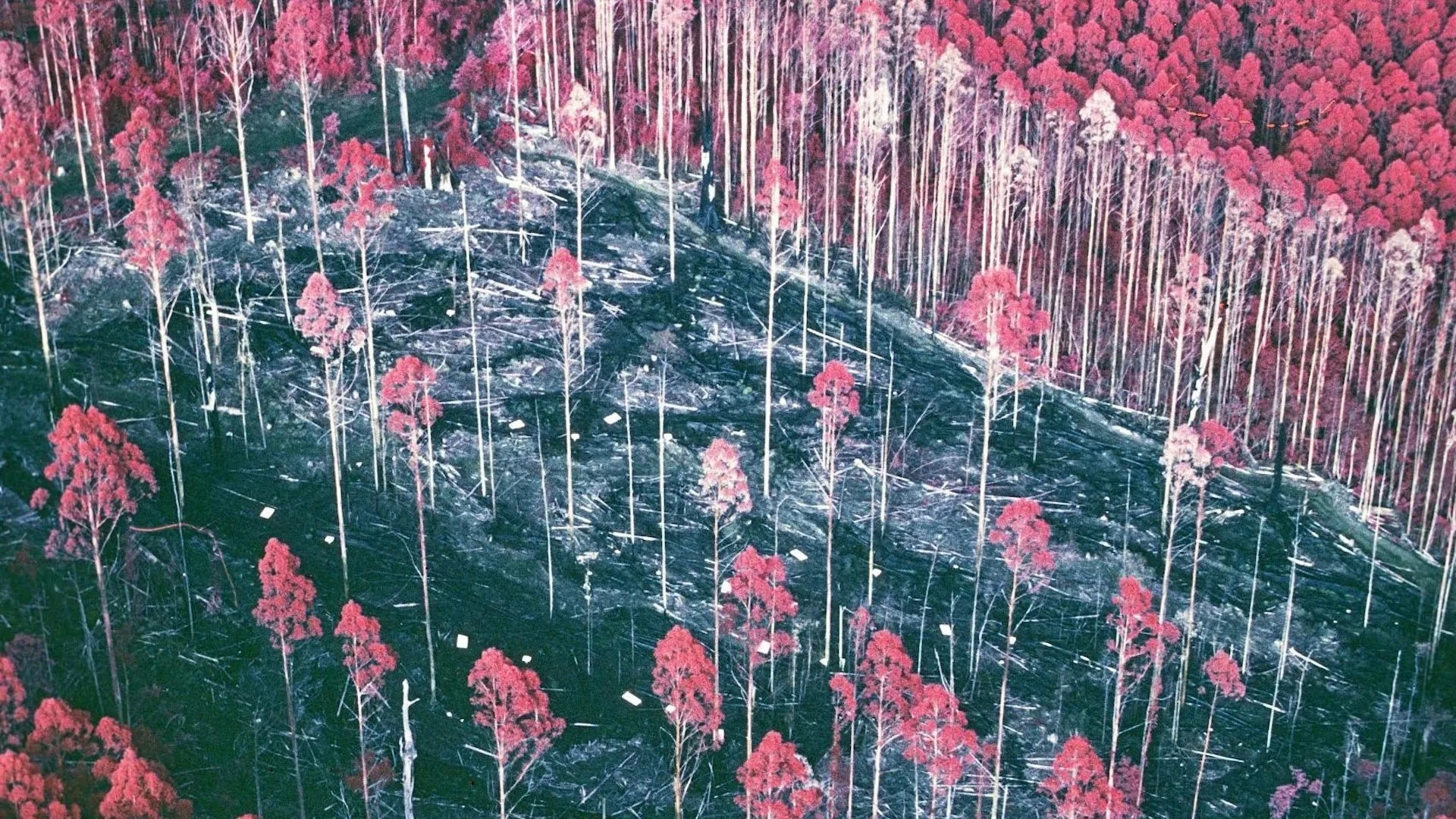
The tensions surrounding mountain ash forests—some of the tallest flowering plants on Earth—came to a head in the 1970s. As industrial forestry ramped up, the practice of clearfelling became the primary target of environmentalists. Clearfelling involves the systematic removal of all trees within a designated block, a process critics argued annihilated habitats for rare species, such as the Leadbeater’s possum, and stripped the land of its ecological complexity.
In response, the forestry sector defended the practice as a surrogate for high-intensity wildfire. They argued that mountain ash stands, which typically regenerate in even-aged cohorts following massive infernos, required the sunlight and lack of competition provided by clearfelling to thrive.
Recognizing the intensity of this public and scientific friction, the Victorian government initiated a bold, state-funded experiment in the mid-1980s. With a budget equivalent to roughly A$26 million today, the government sought to evaluate alternatives to clearfelling. This initiative, the Silvicultural Systems Project (SSP), established two primary research sites between 1987 and 1989: Tanjil Bren, located in the Central Highlands, and Cabbage Tree Creek in East Gippsland.
The project was designed to be comprehensive. Researchers established hundreds of survey plots to test a variety of silvicultural approaches, including:
- Traditional Clearfells: Large, open blocks 250–350 meters wide.
- Small Patch Clearfells: Controlled clearings of 50–140 meters.
- Heavy Thinning: The selective removal of 50–70% of the standing trees to allow the remaining canopy to expand.
- Unharvested Controls: Large tracts of undisturbed forest left to serve as a baseline.
By the early 2000s, initial results suggested that mountain ash regenerated most vigorously in clearfelled sites. Once these findings were published, the momentum behind the project stalled. The access roads grew over with scrub, the signage weathered and collapsed, and the experiment was largely forgotten by the policy-making community. The debate, however, raged on as if the experiment had never occurred.
The Resurrection: An Astounding Discovery
The experiment might have remained lost to history if not for a 2014 field trip led by the University of Melbourne. Simon Murphy, a researcher who had been present at the project’s inception, urged students to look at the long-term, side-by-side outcomes of the different management strategies. What they found thirty years later was nothing short of a revelation.
The mountain ash in the clearfelled sites had indeed grown into a dense, healthy forest. However, it was the "heavily thinned" plots that provided the most profound data. These areas, which had undergone a 50–70% removal of trees decades prior, had fostered an environment where the remaining trees had exploded in growth.
The results were statistically significant: at just 80 years old, the largest trees in the thinned stands averaged well over a meter in diameter, with some specimens exceeding 1.5 meters. These giants were 20% larger in diameter than those found in the unharvested control areas. The thinning process had provided the remaining trees with unprecedented access to nutrients, water, and sunlight, allowing them to optimize their biomass accumulation.
Data Analysis: Carbon, Habitat, and Growth
The data gathered during the follow-up study reveals a trifecta of benefits that contradicts the "zero-sum" game typically assumed in forestry economics.
Carbon Sequestration
Perhaps the most surprising finding was the carbon storage capacity of the thinned stands. Despite the removal of a significant percentage of the wood volume during the initial thinning, the thinned plots had recovered all of their sequestered carbon within 30 years. In fact, the thinned stands contained as much—or more—carbon than the unharvested control sites. This suggests that managed, thinned forests can be as effective at carbon mitigation as untouched wilderness, while simultaneously providing a continuous supply of timber.
Ecological Resilience
The implications for fire resilience and habitat development are equally significant. Bigger trees are fundamentally more resistant to fire; their thicker bark and higher crowns allow them to survive intense bushfire events that would kill smaller, younger trees.
Furthermore, these large-diameter trees are the primary candidates for developing "hollows." These hollows are a critical, declining resource for species like the Leadbeater’s possum and the greater glider. Interestingly, camera trap data revealed that these possums were active in every silvicultural treatment plot, including those that had been thinned. In a surprising twist, they were not found in the unharvested control areas, suggesting that the structural diversity created by human management might actually be more conducive to certain species than the undisturbed, uniform stands of mature ash.
Implications for Future Policy
The Tanjil Bren study offers a roadmap for the future of Australian forestry, provided policy makers are willing to move beyond the binary.
First, the experiment underscores the irreplaceability of long-term longitudinal studies. The fact that this project was neglected for nearly two decades highlights a systemic failure to value historical data. Australia possesses a hidden repository of forest research that, if properly funded and revived, could provide the scientific backbone for sustainable land management in the face of climate change.
Second, the study proves that "thinning" is not a trade-off. It is a management tool that can satisfy the demand for wood products while maintaining carbon stocks and fostering biodiversity. By creating a mosaic of tree ages and sizes, managers can create forests that are more resilient to the increasing frequency of catastrophic fires.
Third, it reinforces the principle that there is no "silver bullet." Clearfelling has its place in forest regeneration, but it should not be the default. The success of the thinned plots demonstrates that by diversifying silvicultural techniques, we can meet societal needs for timber without sacrificing the ecological integrity of the forest.
Conclusion
The forgotten experiment at Tanjil Bren serves as a poignant reminder that the forest is not a static object to be either preserved in a museum or mined for resources. It is a dynamic, responding system. By embracing the complexity shown by the trees themselves, researchers have identified a path forward that integrates the needs of the economy, the climate, and the unique wildlife of the Central Highlands. The debate is no longer about whether we should harvest or protect; it is about how we can manage our forests to serve the future of all stakeholders. The trees have been growing, and finally, it seems, we are ready to learn from them.


 Dwi Wanna
 Iffa Jayyana

 Muslim
 Nana Wu

 Rifan Muazin