
 Ali Ikhwan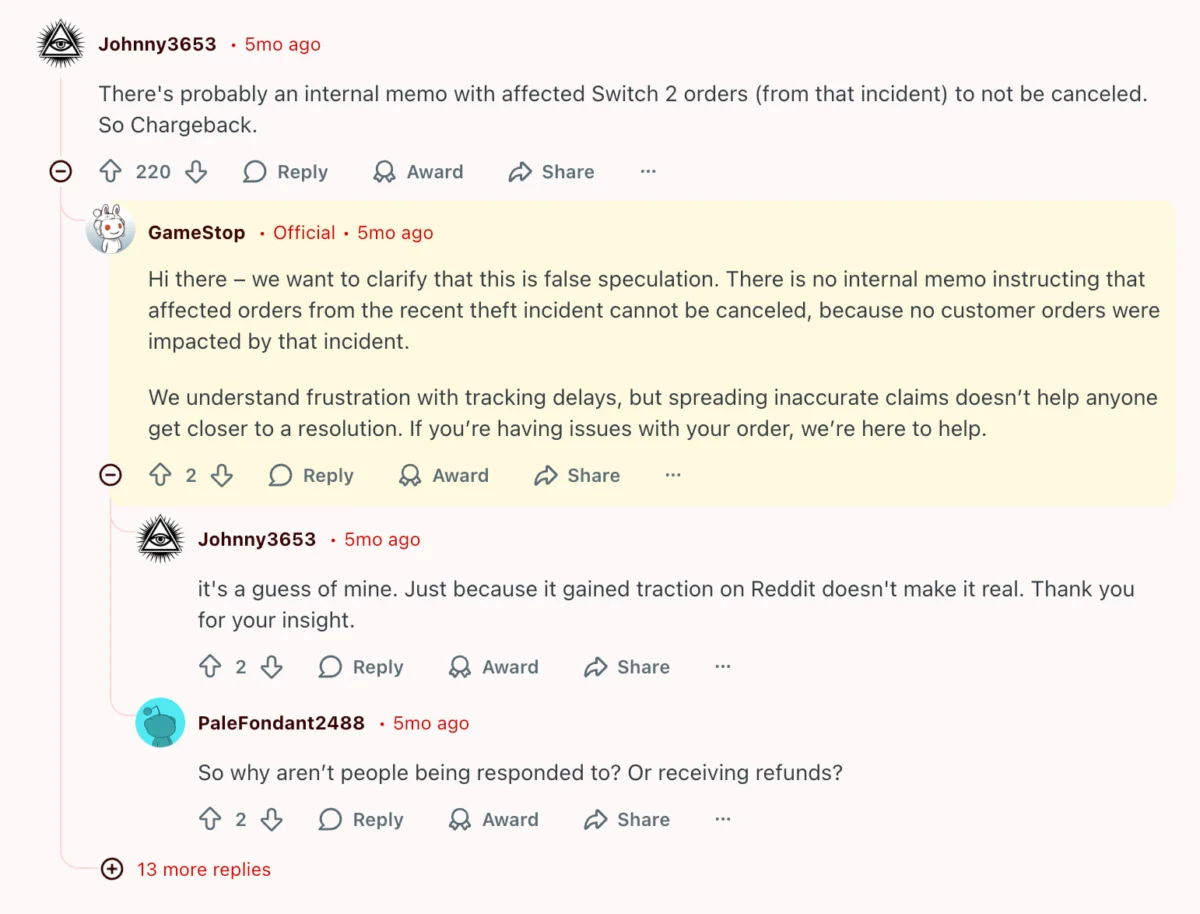
You spend years meticulously curating a vibrant, positive brand identity. You nail the customer experience, deliver gold-standard service, and watch your market share thrive. Yet, in the modern digital ecosystem, the work of a decade can be dismantled by a single viral post in a matter of hours.
For today’s marketing leaders, the reality is sobering. According to the 2025 Axios Harris Poll, 46% of corporate reputations have declined between 2019 and 2025. As digital transparency forces companies to operate under a constant magnifying glass, managing brand sentiment is no longer a peripheral task—it is a core business imperative.
The Evolution of Corporate Reputation Management
Corporate reputation management is the practice of proactively influencing and maintaining how the public perceives your brand. It is a dual-pronged approach: monitoring global conversations to identify potential friction and amplifying positive narratives to strengthen brand equity.
In the contemporary landscape, this practice is inseparable from online reputation management. The digital sphere acts as the primary arena where brand perception is forged. When a crisis strikes, it rarely begins in the boardroom; it begins on social media. A Q2 2026 Sprout Social Pulse Survey revealed that social media is the number one channel where consumers first encounter news of a brand crisis. Furthermore, 64% of consumers demand a public response on social media platforms, viewing traditional press releases as outdated or evasive.
A Chronology of Crisis: When Silence is Not an Option
The stakes of reputation management are best illustrated by how companies navigate the inevitable "storm." History provides us with high-profile examples of both success and failure.
The #ChickenCrises (2018): A Masterclass in Humility
Perhaps the most iconic example of modern reputation management is KFC’s 2018 logistics failure. When the chicken chain ran out of chicken—forcing the closure of 750 UK stores—the public backlash was immediate.
Instead of hiding behind a dry corporate statement, KFC leveraged social listening to gauge the sentiment. They identified that their audience valued humor and authenticity over corporate jargon. Their solution? A print and social ad featuring a rearranged bucket reading "FCK." By taking ownership of the error with wit, they defused the tension, turned a disaster into a viral moment of brand loyalty, and are still studied today as the gold standard for corporate apologies.
The GameStop Heist (2025): Proactive Clarification
In contrast to a total system failure, sometimes brands face "reputational noise"—misinformation that could spiral into a crisis. In 2025, a Reddit user alleged that GameStop had charged customers for products following a $1.4 million merchandise theft.
Rather than waiting for the rumor to gain traction in the mainstream press, GameStop’s social media team intervened directly on the platform where the claim originated. By providing a swift, transparent, and factual clarification, they prevented a localized Reddit thread from becoming a national PR headache. This demonstrated that agility is the most critical asset in a reputation manager’s toolkit.
Supporting Data: Why Trust is a Currency
The economic weight of reputation cannot be overstated. Harvard Business Review’s seminal study, Reputation and Its Risks, posits that 70-80% of the modern economy’s market value is derived from "hard-to-assess intangible assets," such as brand equity. When your reputation suffers, your market value is directly threatened.
The risks are not theoretical. Aon’s Global Risk Management Survey consistently ranks "Damage to Reputation or Brand" as a top-ten global business risk. The financial impact is tangible:
- Trust as a Driver: 63% of investors and stakeholders cite trust as a critical factor in business-related decision-making.
- The Velocity of Expectations: 70% of consumers now expect brands to respond to their outreach within 24 hours.
- Revenue Correlation: Research from Yelp indicates that a well-managed online presence can increase revenue by an average of 5% for local businesses, a trend that scales proportionally for larger enterprises.
The Strategy: Building a Resilient Framework
To move from reactive fire-fighting to proactive reputation building, organizations must implement a four-pillar strategy.

1. Daily Social Listening
Manual monitoring is a relic of the past. Modern brands utilize advanced intelligence platforms like Sprout Social and NewsWhip. These tools canvas sentiment across news outlets and social channels, using predictive analytics to identify when a story is primed to go viral. By tracking conversational themes and keyword clusters, brands can identify small ripples—such as recurring customer service complaints—before they become waves.
2. Authentic, Humanized Engagement
Authenticity is the primary signal of trustworthiness. When responding to consumers, brands should avoid robotic templates. Personalization, referencing specific details of a customer’s query, and maintaining a human voice are essential. Utilizing a "Smart Inbox" allows teams to centralize communications, ensuring that no customer voice is ignored and that internal approval workflows are strictly maintained to keep messaging consistent.
3. The Crisis Communication Blueprint
Every company should operate under a "social media newsroom" model. This involves:
- Pre-defined Roles: Establishing exactly who leads communication, who signs off on messaging, and who communicates internally.
- Benchmarking: Using historical data from monitoring tools to understand what constitutes a "normal" volume of mentions versus a "crisis" level.
- Strategic Silence vs. Engagement: Knowing when to respond and when to let a non-issue fade is a nuance that only comes from deep sentiment analysis.
4. Measuring the Intangible
You cannot manage what you do not measure. Marketing leaders must track key performance indicators (KPIs) to justify the ROI of reputation management:
- Share of Voice (SOV): How much of the industry conversation are you dominating?
- Sentiment Score: The ratio of positive to negative mentions.
- Net Promoter Score (NPS): A direct correlation to customer loyalty.
- Response Time: Measuring the speed of resolution to ensure alignment with consumer expectations.
Implications for Future-Proofing
The digital landscape is inherently unpredictable, but it is not unmanageable. As AI-driven misinformation and social volatility continue to evolve, the brands that win will be those that view reputation management as a pillar of their organizational health, rather than a task for the PR department.
By fostering a culture of "active listening," companies can turn every customer interaction—positive or negative—into an opportunity to demonstrate values. Whether it is a logistics failure like KFC’s or a misinformation threat like GameStop’s, the goal remains the same: to bridge the gap between what the company says it is and what the public believes it to be.
In the end, corporate reputation is a living, breathing entity. It requires constant tending, consistent values, and the right technological partners to defend it. For organizations ready to take control, the path is clear: invest in the tools that offer visibility, commit to the speed that consumers demand, and always, always lead with authenticity.
Frequently Asked Questions (FAQs)
How can my business choose the best reputation management tool?
Prioritize tools that offer a unified, multi-channel approach. You need a platform that aggregates social monitoring, publishing, and engagement in one dashboard. Sprout Social, for instance, allows teams to monitor, respond, and report on brand sentiment across networks like LinkedIn, Reddit, and X in real-time.
What features are vital for large-scale enterprise reputation software?
For large organizations, focus on advanced social listening and sentiment analysis. These features allow you to spot risks early, categorize incoming messages by urgency, and generate reports that tie social metrics to broader business goals for executive stakeholders.
How do I measure the ROI of reputation management?
Measure the impact by correlating reputation data with business outcomes. For example, track the correlation between improved sentiment scores and higher conversion rates or lower churn. Use KPIs like "Average Response Time" and "Volume of Positive Mentions" to demonstrate how your team is protecting brand equity and supporting revenue growth.
Why is social media so critical to corporate reputation?
Social media is the "front line" of modern discourse. It is where news breaks, where crises ignite, and where your audience interacts with your brand in real-time. Because consumers view social responses as a direct reflection of a company’s character, your performance on these platforms is the primary driver of public trust in the 21st century.


 Evan Lee Salim
 Jia Lissa
 Basiran
 Neng Nana
 Iffa Jayyana
 Raul Delapena Setiawan
 Rifan Muazin
 Asro
Asro