
 Nila Kartika Wati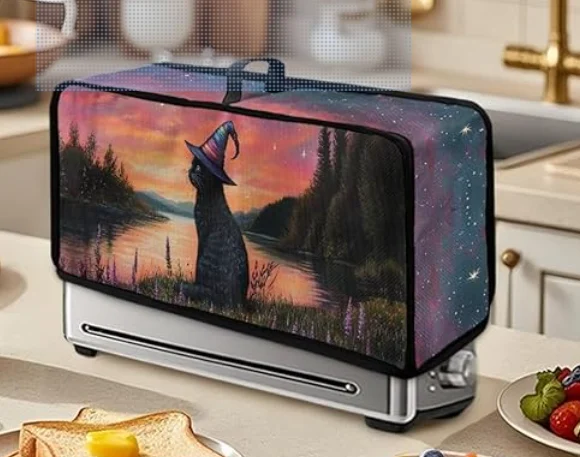
In the world of personal finance, few figures are as synonymous with radical thrift and intentional living as Mr. Money Mustache. For decades, the philosophy has been simple: eliminate waste, maximize efficiency, and reclaim your time. However, even the most disciplined advocates are susceptible to the subtle, sophisticated psychological nudges of modern e-commerce.
What began as an innocuous review of a heated vest last winter spiraled into a nine-month sociological and behavioral experiment. By joining Amazon Vine—the retail giant’s invitation-only program that offers free products in exchange for reviews—I inadvertently walked into a carefully constructed digital casino. This is the story of how an attempt to "save money" became a case study in behavioral addiction, the hidden costs of "free," and the importance of maintaining autonomy in an age of algorithmic temptation.

The Hook: A Digital Siren’s Song
It started with an email that triggers a dopamine rush in even the most stoic consumers: "Congratulations! You’ve been selected to join Amazon Vine for writing helpful reviews!"
The premise is deceptively simple. Amazon invites users—"Vine Voices"—to order products at no cost, provided they review at least 80% of them. To a frugal mind, this sounds like a golden opportunity. Why pay for tools, construction materials, or household essentials when you can receive them for free in exchange for your honest opinion? It felt like a logical extension of my existing habits. I clicked "Accept" without hesitation, assuming I was gaming the system. I was, in reality, being recruited into a labor force designed to fuel the very consumerist cycle I’ve spent my career critiquing.

Chronology of a Consumerist Bender
The journey began with modest, practical acquisitions. I secured high-quality tools and plumbing supplies for the MMM-HQ coworking space. Initially, it felt like a triumph of optimization. But as the months wore on, the "Vine" experience morphed.
By spring, I found myself obsessively refreshing the Vine dashboard. The platform utilizes a classic variable-ratio reinforcement schedule—the same mechanism that makes slot machines and social media feeds so addictive. One day, the offerings are a wasteland of plastic trinkets—cat-themed toaster covers and disposable party plates. The next, a high-end EV charger or a specialized piece of equipment appears, triggering an immediate, scarcity-driven impulse to "order before it’s gone."

This behavior reached a fever pitch as I pushed to hit the 80-review threshold required to "level up" from Vine Silver to Vine Gold. My mailbox became a revolving door of cardboard, and my recycling bin overflowed. The physical clutter began to manifest as psychological friction. I found myself hiding packages from family members, a telltale sign that my behavior had drifted from "frugal optimization" to "compulsive consumption."
The Behavioral Science of the "Vine"
The success of Amazon Vine relies on two core evolutionary weaknesses, as outlined in Michael Easter’s Scarcity Brain:

- The Scarcity Trap: Our brains are hardwired to prioritize acquiring resources when they appear limited. Even when I didn’t need a specific item, the visual indicator of "only a few left" or the ephemeral nature of the Vine listings triggered an ancient, survival-based hoarding instinct.
- The Online Casino Effect: By combining unpredictable rewards with a constant, gamified search process, the platform mimics the design of a casino. The "win" of finding a useful item amidst a sea of junk creates a powerful feedback loop that kept me tethered to the site, spending valuable time on low-value tasks.
The system is also structurally hostile to the user’s time. The lack of robust filtering or search tools is not an oversight; it is a feature. By forcing participants to scroll through endless pages of "nonsense," Amazon ensures that users remain immersed in the ecosystem for as long as possible.
The Hidden Cost: Taxes and Labor
While the products are "free," the reality is far more complex. Amazon reports these items as income, necessitating a 1099 form at year-end. For a participant in a 25% tax bracket, a $7,000 haul—while ostensibly free—carries a potential tax burden of $1,750.

Through the collective wisdom of the community, I learned that this liability can be mitigated. Because these items are "used" for review purposes, many participants legitimately argue that the fair market value is significantly lower than the retail price. By applying the "50/200 rule"—a common practice in the Vine community for tax valuation—my actual tax liability dropped to roughly $50. However, even with the tax burden minimized, the opportunity cost remained. I was trading hours of my life to write reviews for a system that didn’t value my time, effectively becoming an unpaid (or low-paid) contractor for a multi-billion dollar corporation.
Implications: The "One More Year" Syndrome
The most profound realization from this experiment is how closely this behavior mirrors the "One More Year" syndrome—the phenomenon where financially independent individuals continue to work purely out of habit or fear of losing their status, even when they have the means to stop.

Just as I felt compelled to keep ordering and reviewing items to maintain my "Gold" status—a status that offered no tangible benefit—many people stay in soul-crushing corporate jobs long after they have achieved financial independence. They become addicted to the routine, the status, and the minor, gamified rewards of the workplace, losing sight of the fact that they have already "won" the game.
Breaking the Cycle: The Path Back to Autonomy
Recognizing the trap was the first step; escaping it required a "Keystone Habit" intervention. I replaced the Vine bookmark in my browser with a link to my "Badassity Tracker." Now, when the urge to check the Vine dashboard strikes, I am redirected to a prompt to engage in physical exercise or creative work.

The lesson is universal. We are all subject to the design patterns of the digital age. Whether it is an e-commerce program, a social media algorithm, or a career path, it is vital to periodically audit our behavior.
Final Takeaways
- Question Your Assumptions: What you think is a "smart deal" might actually be a drain on your most precious resource: time.
- Identify the Nudges: Recognize when a platform is using scarcity or gamification to manipulate your choices.
- Reclaim the Boss Role: Financial independence is about the freedom to be the boss of your own time. Don’t trade that freedom for a box of "free" trinkets.
Ultimately, the Vine experiment served as a necessary, if humbling, reminder. Life is a long journey, and we will never be perfect. But by practicing self-reflection and implementing small, consistent course corrections, we can ensure that we remain the architects of our own habits rather than the subjects of someone else’s algorithm.

If you find yourself stuck in a loop of mindless consumption or unnecessary labor, remember: you have the power to stop. You have the power to close the tab, step away from the screen, and spend your time on the things that actually matter. The "free" stuff isn’t worth the cost of your autonomy.


 Iffa Jayyana
 Basiran
 Dwi Wanna
 Muslim
 Nana Wu

 Rifan Muazin
 Asro
Asro