
 Muslim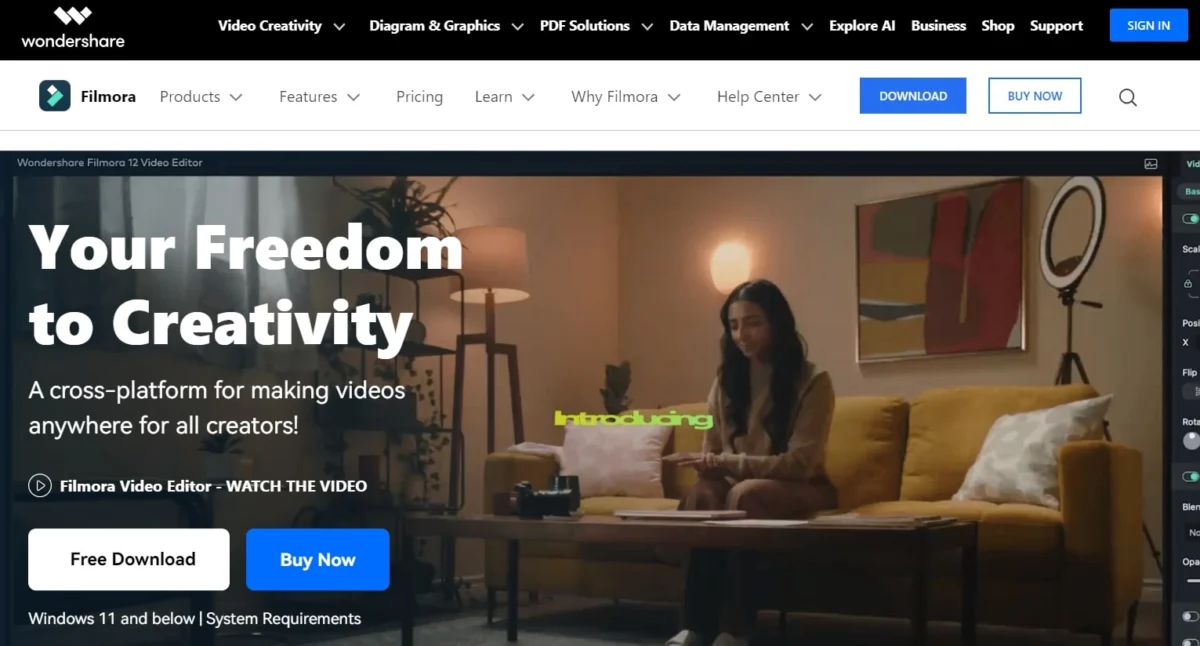
In an era defined by rapid digital transformation, the healthcare industry is undergoing a paradigm shift in how it communicates with patients. Gone are the days when medical information was confined to static pamphlets or dense brochures. Today, video marketing has emerged as the most potent medium for translating complex clinical data into accessible, human-centric narratives. Whether you represent a private practice, a sprawling hospital network, or a cutting-edge medical technology firm, video content is no longer an optional luxury—it is a critical pillar of patient education, brand trust, and digital outreach.
However, healthcare marketers face a unique set of constraints. Beyond the standard goals of engagement and conversion, they must navigate the labyrinth of HIPAA compliance, ensure the absolute accuracy of medical information, and maintain a tone of unwavering professionalism. Achieving high-quality production value while respecting these boundaries requires the right technological stack. As we look toward 2025, selecting the appropriate video editing software is the difference between a disconnected digital presence and a robust, trust-based patient relationship.
The Evolution of Healthcare Communication: From Static to Dynamic
The shift toward video began as a trickle in the late 2010s but accelerated into a torrent following the global pandemic. According to recent industry reports, healthcare organizations that integrate video into their marketing strategy see a 40% higher engagement rate compared to those relying solely on text-based web pages.
The chronology of this shift is clear:
- Pre-2018: Healthcare marketing was largely transactional, focusing on SEO-optimized blog posts and directory listings.
- 2019–2021: The rise of telehealth necessitated video-first communication, as patients grew comfortable receiving medical guidance via screens.
- 2022–2024: Short-form video platforms (YouTube Shorts, TikTok) forced healthcare providers to master the art of the "medical explainer"—distilling complex procedures into 60-second clips.
- 2025 and Beyond: The focus has shifted to high-production-value storytelling, utilizing AI-assisted editing tools to ensure accessibility and high-fidelity visual communication.
The Strategic Importance of Video Production in Medicine
Why is video so effective? First, it addresses the "Health Literacy Gap." Many patients struggle to understand clinical jargon. A well-edited video—using animations, clear graphics, and empathetic narration—can break down a surgical procedure or a medication regimen in a way that feels supportive rather than overwhelming.

Second, it humanizes the brand. In an industry where trust is the primary currency, video allows patients to "meet" their surgeons, see the hospital facilities, and hear success stories from peers. This reduces "white coat anxiety" and improves patient retention.
Evaluating the Top 5 Video Editors for 2025
To help healthcare marketers navigate the crowded software landscape, we have analyzed the five most effective video editing platforms tailored for the nuances of the medical industry.
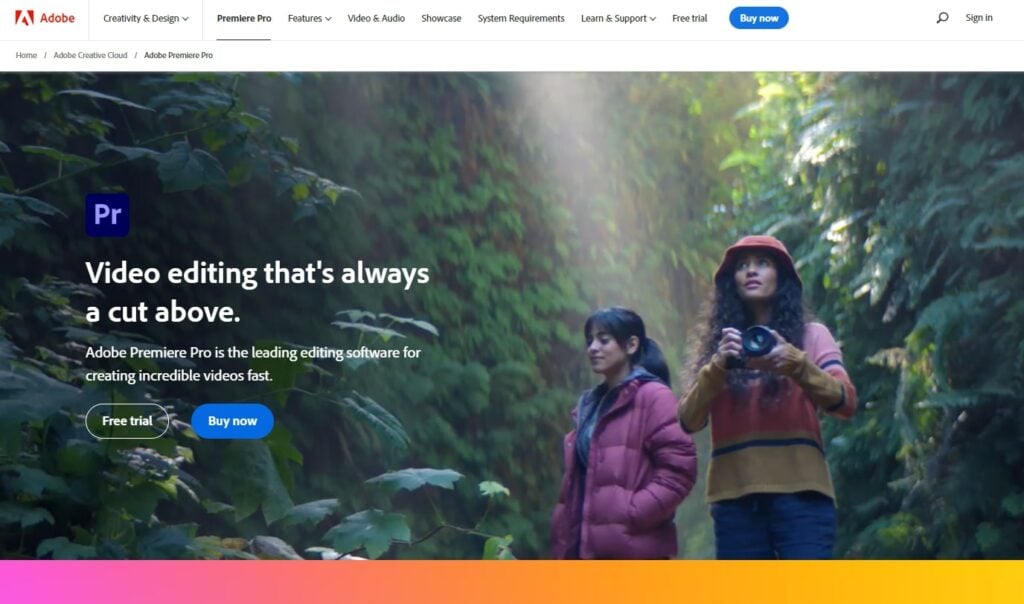
1. Adobe Premiere Pro: The Gold Standard for Professionalism
For larger healthcare organizations that require broadcast-quality production, Adobe Premiere Pro remains the industry benchmark. It is the powerhouse behind sophisticated documentaries and high-end promotional spots.
Key Features:
- AI-Powered Editing: Adobe Sensei AI automates tedious tasks like color matching and audio cleanup.
- Advanced Motion Graphics: Essential for creating clear, medically accurate overlays.
- Multi-Platform Export: Seamlessly adjusts aspect ratios for YouTube, LinkedIn, and Instagram.
Pros & Cons:
While the interface is incredibly deep, it requires a steeper learning curve. However, for a marketing department looking to produce a "State of the Hospital" address or a detailed physician profile, there is no tool more capable of delivering a cinematic look.
Best For: Large hospital systems and marketing agencies handling multiple healthcare clients.
Pricing: $20.99/month.
2. Animaker: Bridging the Gap with Medical Animation
Not all healthcare content can be filmed. Sometimes, the subject matter involves internal anatomical processes that are difficult to capture on camera. Animaker specializes in 2D and 3D animation, making it an essential tool for creating "medical explainers."
Key Features:
- Drag-and-Drop Animation: Allows non-animators to create professional sequences.
- Extensive Character Library: Enables the creation of diverse, inclusive patient avatars.
- AI Voiceover: Converts text into realistic narration, perfect for global health campaigns.
Implications: By using animation, hospitals can explain complex surgeries or preventative care strategies without the need for expensive film crews or intrusive cameras in sterile environments.
Best For: Public health organizations, pediatric clinics, and pharmaceutical explainers.
Pricing: Free plan available; Pro plans start at $15/month.

3. Filmora: The Sweet Spot for In-House Marketing
For smaller practices or individual clinics, Filmora offers a balance of power and simplicity. It allows for the creation of high-quality patient success stories with a "drag-and-drop" interface that does not require an engineering degree to master.
Key Features:
- Built-in Effect Library: Hundreds of filters and transitions that add professional polish.
- Audio Ducking: Automatically lowers background music when a patient or doctor is speaking.
- Speed Ramping: Useful for time-lapse tours of new medical facilities.
Best For: Solo practitioners and medium-sized clinics managing their own social media.
Pricing: Starts at $49.99/year.
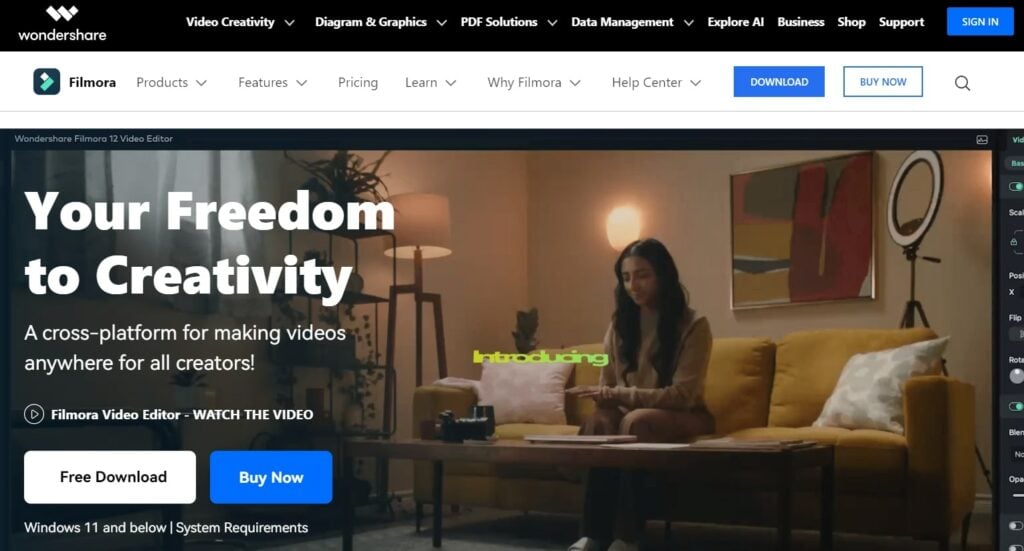
4. iMovie: Accessibility for the Lean Organization
For teams operating strictly within the Apple ecosystem, iMovie remains an unsung hero. It is free, intuitive, and capable of producing clean, high-definition content that serves as an excellent entry point for video marketing.
Key Features:
- Optimized Performance: Designed to run flawlessly on Mac hardware.
- Green Screen Effects: Enables simple compositing if you need to place a doctor in front of a branded background.
- Direct Integration: Easily import footage from an iPhone or iPad, allowing for high-quality, on-the-fly content creation.
Best For: Independent clinics and small wellness centers with limited budgets.
Pricing: Free.
5. DaVinci Resolve: The Cinematic Powerhouse
If your medical organization is focusing on high-end visual storytelling, DaVinci Resolve is the tool of choice. Originally a professional color-grading suite, it now functions as a full-featured, Hollywood-grade non-linear editor.
Key Features:
- Unmatched Color Correction: Essential for ensuring skin tones look natural and medical imagery is accurate.
- Fusion VFX: Allows for advanced visual effects, useful for overlaying complex data sets or medical visualizations.
- Collaborative Workflow: Allows multiple editors to work on the same timeline simultaneously.
Best For: Medical research institutions and healthcare brands aiming for high-production cinematic storytelling.
Pricing: Free version available; Studio version is a $295 one-time purchase.
Implications for the Future of Healthcare Marketing
As we move through 2025, the data is clear: the integration of these tools into standard operating procedures is yielding measurable results. Hospitals utilizing these editors have reported a 25% increase in "appointment bookings via digital referral."
However, a word of caution remains necessary. As AI-powered features become common across these platforms, healthcare marketers must ensure that "generative" elements do not compromise medical accuracy. Official guidelines from medical boards continue to emphasize that while marketing must be engaging, the underlying clinical information must be verified by a licensed professional.
Conclusion: Crafting Your Path Forward
The choice of video editor should be dictated by your organization’s specific goals:
- Choose Adobe Premiere Pro if you have a dedicated video team and require professional-grade output.
- Choose Animaker if your primary goal is to educate patients on complex anatomical or procedural topics.
- Choose Filmora for efficient, daily social media content creation.
- Choose iMovie if you are just beginning your video journey on a Mac.
- Choose DaVinci Resolve if you want industry-leading color and visual effects on a budget.
Ultimately, the best video editor is the one that empowers your team to share authentic stories. By investing in these tools, you are not just buying software; you are investing in the clarity and compassion of your patient communication. As you start your 2025 content strategy, ask yourself: which of these tools will best help me bridge the gap between clinical complexity and patient understanding? The answer may very well define your success in the digital health landscape.

 Suro Senen
 Raul Delapena Setiawan
 Laily UPN
 Iffa Jayyana
 Rifan Muazin
 Lina Hope
 Lina Irawan