
 Pevita Pearce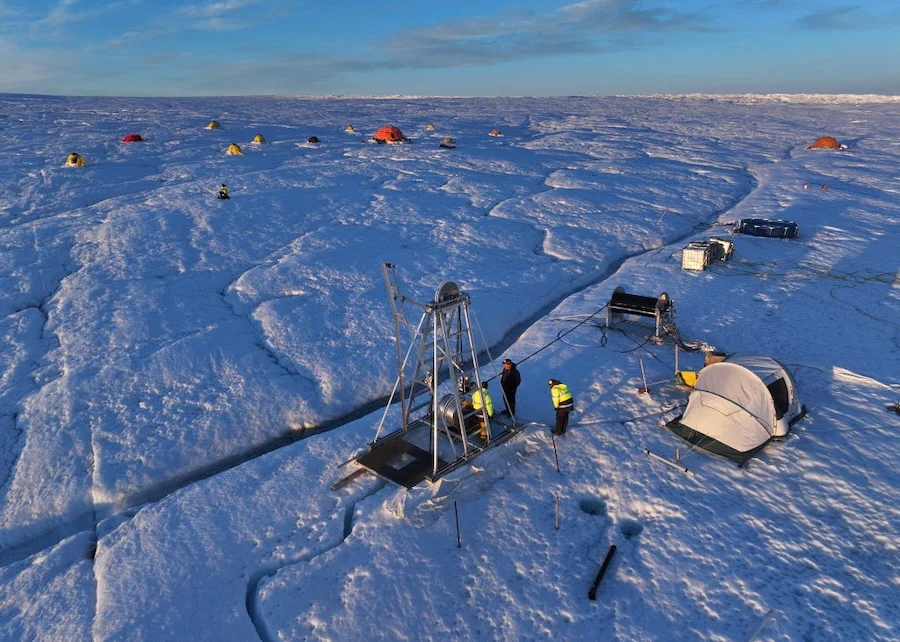
By Olivia Rosane and Cristen Hemingway Jaynes
Methane is a silent, invisible force reshaping our planet’s climate. Often overshadowed by the global discourse on carbon dioxide, this potent greenhouse gas is the second-largest contributor to the climate crisis. Found in everything from the depths of wetlands and the digestive tracts of livestock to the leaking infrastructure of our furnace rooms, methane is a critical piece of the climate puzzle that demands immediate, systemic intervention.
Main Facts: The Potency of Methane
Methane is a hydrocarbon consisting of one carbon atom bonded to four hydrogen atoms. While carbon dioxide (CO2) remains the primary driver of long-term climate change, methane acts as a "super-pollutant." Its atmospheric impact is measured by its heat-trapping efficiency; over a 20-year period, methane is approximately 86 times more potent than CO2.

Crucially, methane has a relatively short atmospheric lifespan—lasting about 12 years before breaking down into carbon dioxide and water vapor. This presents a unique strategic opportunity: because it does not linger for centuries like CO2, rapid reductions in methane emissions can produce near-immediate cooling effects on the global climate.
A Chronology of the Methane Surge
The rise of methane is inextricably linked to the Industrial Revolution and the subsequent expansion of global agriculture and energy sectors.
- Pre-Industrial Era: Atmospheric methane levels were relatively stable, governed by natural sinks like soil oxidation and the troposphere.
- 19th–20th Century: The rapid industrialization of global economies, fueled by coal mining and oil and gas extraction, began to outpace the planet’s natural ability to absorb methane.
- 2021 (COP26): The Global Methane Pledge was launched in Glasgow. Signatory nations committed to reducing collective methane emissions by 30% from 2020 levels by 2030.
- 2023: Despite international pledges, atmospheric methane concentrations reached a record high of 1,934 parts per billion (ppb)—a staggering 265% increase over pre-industrial levels.
- Present Day: Emissions continue to rise, with fossil fuel sectors and industrial-scale agriculture failing to meet the implementation requirements necessary to achieve the 1.5°C warming target set by the Paris Agreement.
Supporting Data: Where the Methane Comes From
Human activities are responsible for approximately 60% of global methane emissions. These are categorized primarily into three "super-sectors":

1. Agriculture (40% of human-caused emissions)
Livestock production, particularly through "enteric fermentation" (the digestive process of ruminant animals like cows and sheep), accounts for nearly a third of all human-linked methane. Additionally, rice cultivation in waterlogged, oxygen-poor paddies provides the perfect environment for methanogenesis, a process where microorganisms produce methane as a byproduct.
2. Fossil Fuels (35% of human-caused emissions)
The extraction, transport, and combustion of oil, gas, and coal are major culprits. Natural gas, while often touted as a "bridge fuel," is prone to significant methane leakage during every stage of its lifecycle. Satellite data has revealed that "super-emitter" events—massive, concentrated leaks—are far more frequent than previously estimated by industry models.
3. Landfills and Waste (20% of human-caused emissions)
As global populations grow, so does our waste. Microbes in decomposing organic matter within landfills and wastewater treatment facilities release massive volumes of methane. Without proper capture technology, these sites remain major hotspots for emissions.

Official Responses and Policy Failures
The international community has recognized the threat, yet the "implementation gap" remains a significant hurdle. While the Global Methane Pledge has gained 159 signatories, the UN and the International Energy Agency (IEA) have noted that commitments have not yet translated into real-world reductions.
In the United States, the Environmental Protection Agency (EPA) has historically underestimated the volume of methane leaking from oil and gas operations. Studies comparing direct atmospheric measurements (top-down) to industry-reported data (bottom-up) found that actual emissions were up to 60% higher than official government estimates.
The Intergovernmental Panel on Climate Change (IPCC) maintains that to limit global heating to 1.5°C, humanity must slash methane emissions by 34% by 2030. Currently, only about 13% of global methane emissions are covered by meaningful, enforceable reduction policies.

Implications: The "Bridge Fuel" Myth and Tipping Points
The narrative that natural gas serves as a cleaner "bridge" to renewables is increasingly being debunked. Because of high leak rates—often occurring during the liquefaction and transport of Liquefied Natural Gas (LNG)—natural gas can have a global warming potential over a 20-year period that is 33% greater than that of coal.
Furthermore, we are approaching dangerous climate tipping points. As the planet warms, natural methane sinks are beginning to fail, and new sources are emerging:
- Permafrost Thaw: The Arctic holds massive amounts of carbon in frozen soil. As this melts, it releases stored methane, creating a positive feedback loop where more warming leads to more thawing, which in turn releases more methane.
- Wetland Expansion: Increased precipitation and rising temperatures are expanding tropical and Arctic wetlands, which are naturally high-methane environments, thereby accelerating the warming cycle.
- Wildfires: As climate change makes landscapes more prone to severe fires, the combustion of biomass releases pulses of methane, further amplifying the heat-trapping effect of the atmosphere.
Beyond Climate: The Public Health Dividend
Reducing methane is not only a climate imperative; it is a public health necessity. Methane is a precursor to ground-level ozone, a harmful pollutant that triggers respiratory illnesses and asthma. Experts estimate that methane-generated ozone contributes to roughly half a million premature deaths annually.

Every million metric tons of methane mitigated would save thousands of lives from heart and respiratory disease and prevent the loss of hundreds of thousands of tons of critical crops like wheat and soy, which are damaged by ozone exposure.
Conclusion: A Path Forward
The path to mitigating methane involves a two-pronged approach: systemic transformation and individual action.
Systemic Changes:

- Energy Transition: Phasing out fossil fuel infrastructure and stopping the massive build-out of LNG export terminals is the most effective way to curb industrial emissions.
- Agricultural Reform: Implementing methane inhibitors (like specific seaweed additives) in cattle feed, improving manure management with biogas digesters, and transitioning to regenerative agricultural practices can drastically reduce the footprint of the food system.
- Waste Management: Shifting toward a circular, zero-waste economy that prioritizes composting and organic waste diversion will curb the rising emissions from landfills.
Individual Agency:
While systems must change, individuals play a role in shifting the cultural and economic landscape. Adopting lower-methane, plant-forward diets, reducing food waste, and advocating for the electrification of home heating and cooking are tangible steps. More importantly, collective action is essential. Joining organizations like 350.org, Oil Change International, or local environmental justice groups creates the political pressure necessary to hold corporations and governments accountable for their methane output.
Methane is a formidable challenge, but its short atmospheric lifespan is its greatest vulnerability. By targeting this gas today, we secure the best chance of slowing the rate of global heating and ensuring a more stable, habitable climate for the future. The data is clear: we know the sources, we have the technology to mitigate the leaks, and the health and economic benefits are undeniable. The only remaining barrier is the political will to act.


 Laily UPN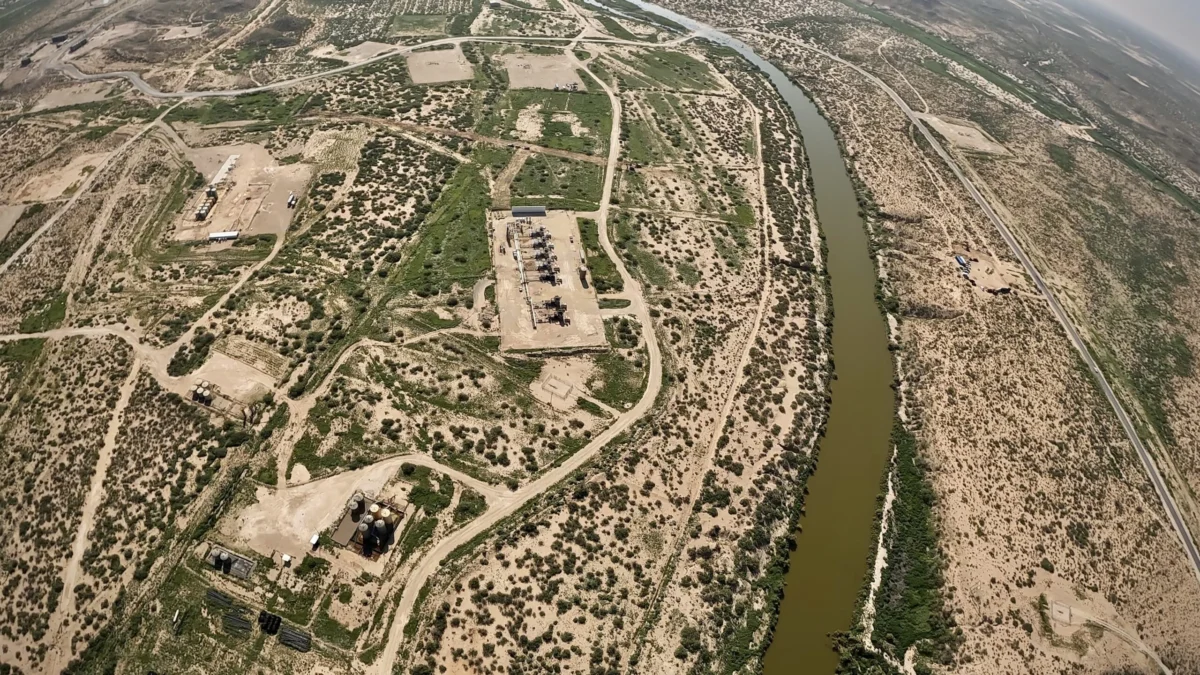
 Dwi Wanna
 Basiran
 Neng Nana
 Iffa Jayyana
 Raul Delapena Setiawan
 Rifan Muazin
 Asro
Asro