
 Dwi Wanna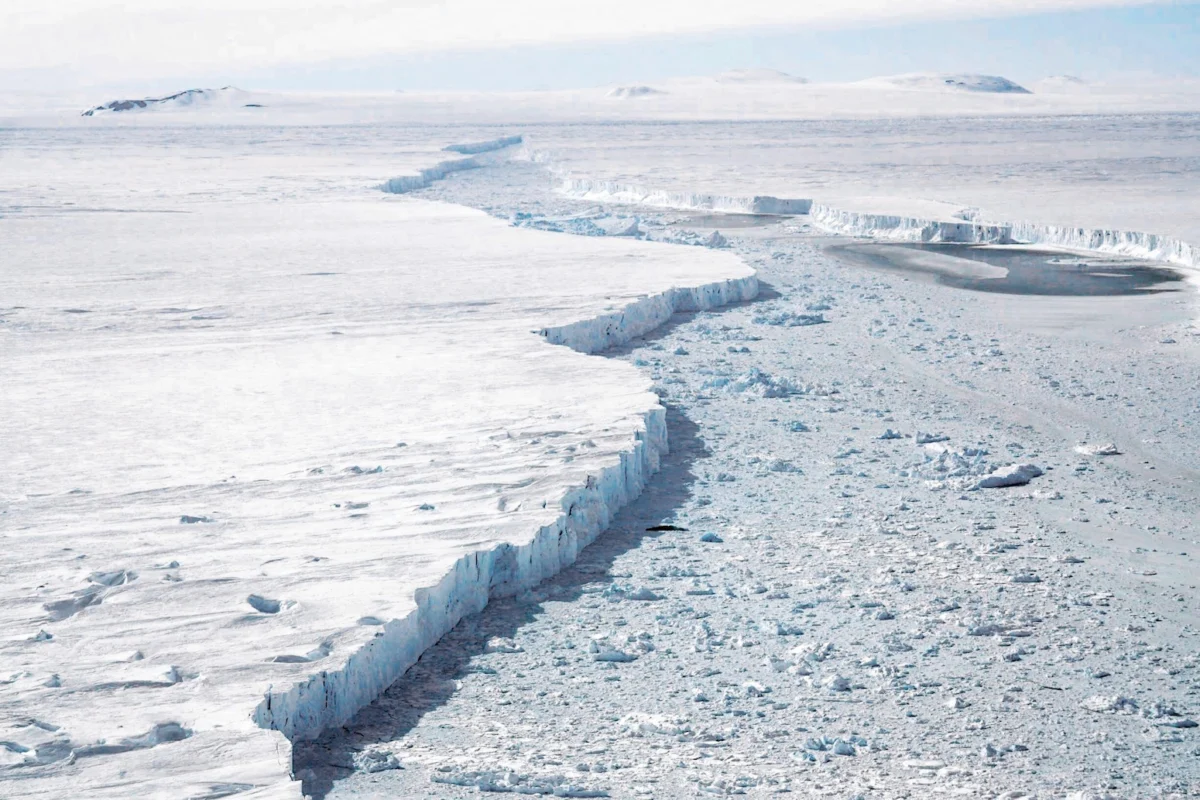
In a stark indicator of the Earth’s shifting climate, new data from the U.S. National Snow and Ice Data Center (NSIDC) has confirmed that Antarctic sea ice has reached its third-smallest winter peak in 48 years of satellite monitoring. Meanwhile, at the opposite end of the globe, the Arctic has mirrored this instability, with its summer minimum ice extent tying for the 10th-lowest on record. Together, these figures underscore a period of profound volatility across both polar regions, prompting scientists to debate whether we are witnessing a permanent "structural shift" in the cryosphere.
The Antarctic Winter: A Persistent Deficit
On September 14, 2026, the Antarctic sea ice reached its annual winter maximum, covering 17.59 million square kilometers. While the NSIDC emphasizes that these figures remain provisional—noting that large fluctuations are common near the seasonal peak—the context is deeply troubling.
For decades, the Antarctic was characterized by relatively stable or even slightly increasing winter sea ice, appearing resilient to the warming trends that have rapidly decimated the Arctic. That narrative has fractured in recent years. Dr. Lettie Roach, a polar climate scientist at the Alfred Wegener Institute in Germany, describes this year’s maximum as "well below average for the season."
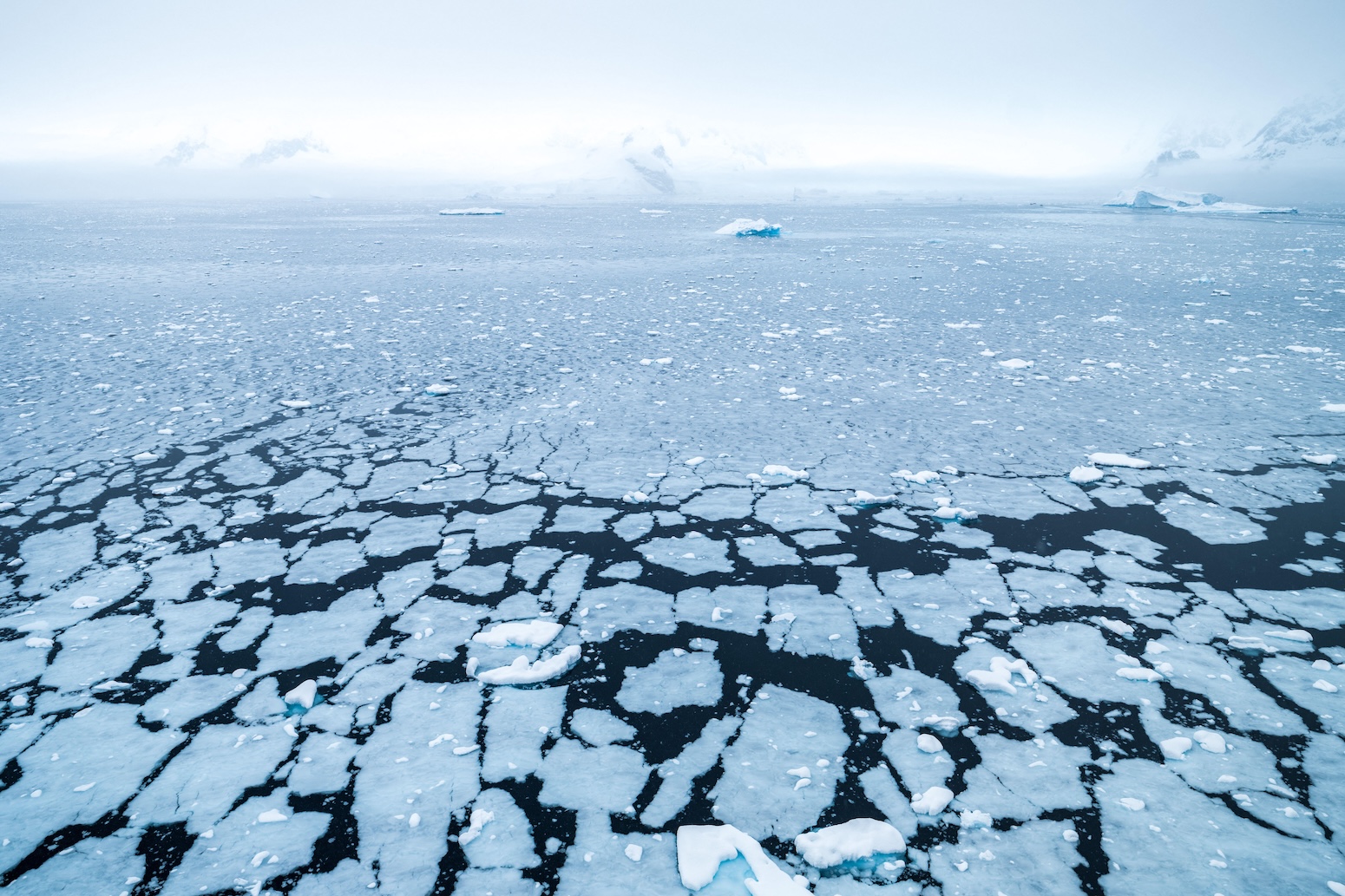
"After several decades of stable or increasing winter Antarctic sea ice conditions, it is concerning to see these low values persisting," Dr. Roach notes. The persistence of these low-ice years suggests that the Southern Ocean may be moving into a new, warmer regime. However, scientists are exercising caution, noting that the Southern Hemisphere’s complex climate—heavily influenced by the Southern Annular Mode and ocean circulation patterns—makes it difficult to disentangle human-caused warming from natural variability.
Chronology of a Melting Continent
The decline in Antarctic sea ice has not been a slow, linear crawl, but rather a series of aggressive steps downward. Dr. Clare Eayrs, a postdoctoral researcher at the Korea Polar Research Institute (KOPRI), points to a disturbing trend in recent seasonal data. While the continent experienced a near-average minimum in February, the subsequent growth season saw a return to "unusually low winter coverage."
The statistical anomalies are stark:
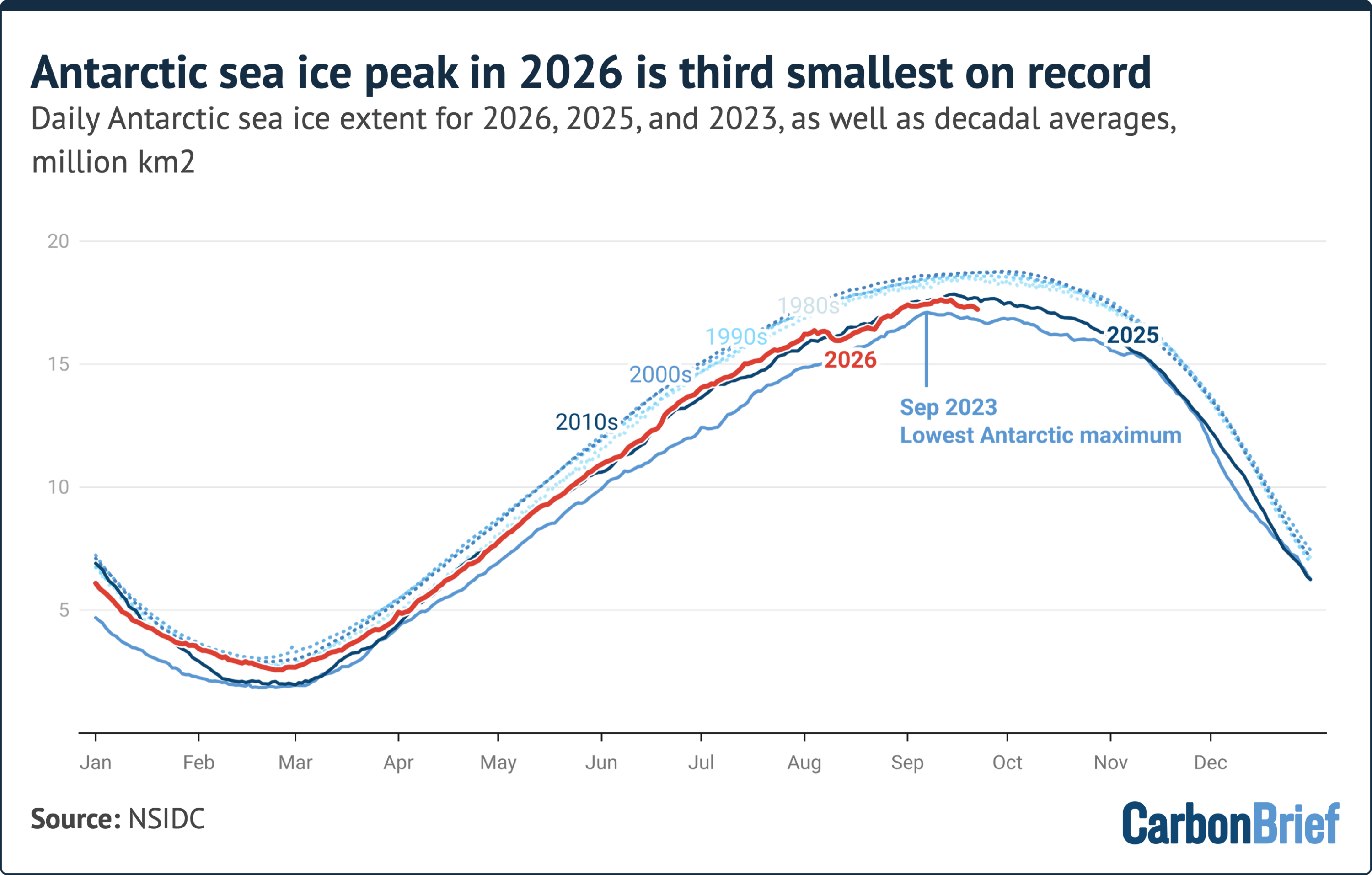
- July 2026: Recorded the fifth-lowest extent for the month in the satellite era.
- August 2026: Recorded the fourth-lowest extent for the month.
The concentration of these record-lows is perhaps the most significant finding. All five of the lowest July extents in history have occurred since 2022, and all four of the lowest August extents have been recorded since 2023. This rapid clustering of extreme lows suggests a departure from historical norms that cannot be easily dismissed as random noise.
Regional Instability: The Bellingshausen and Amundsen Seas
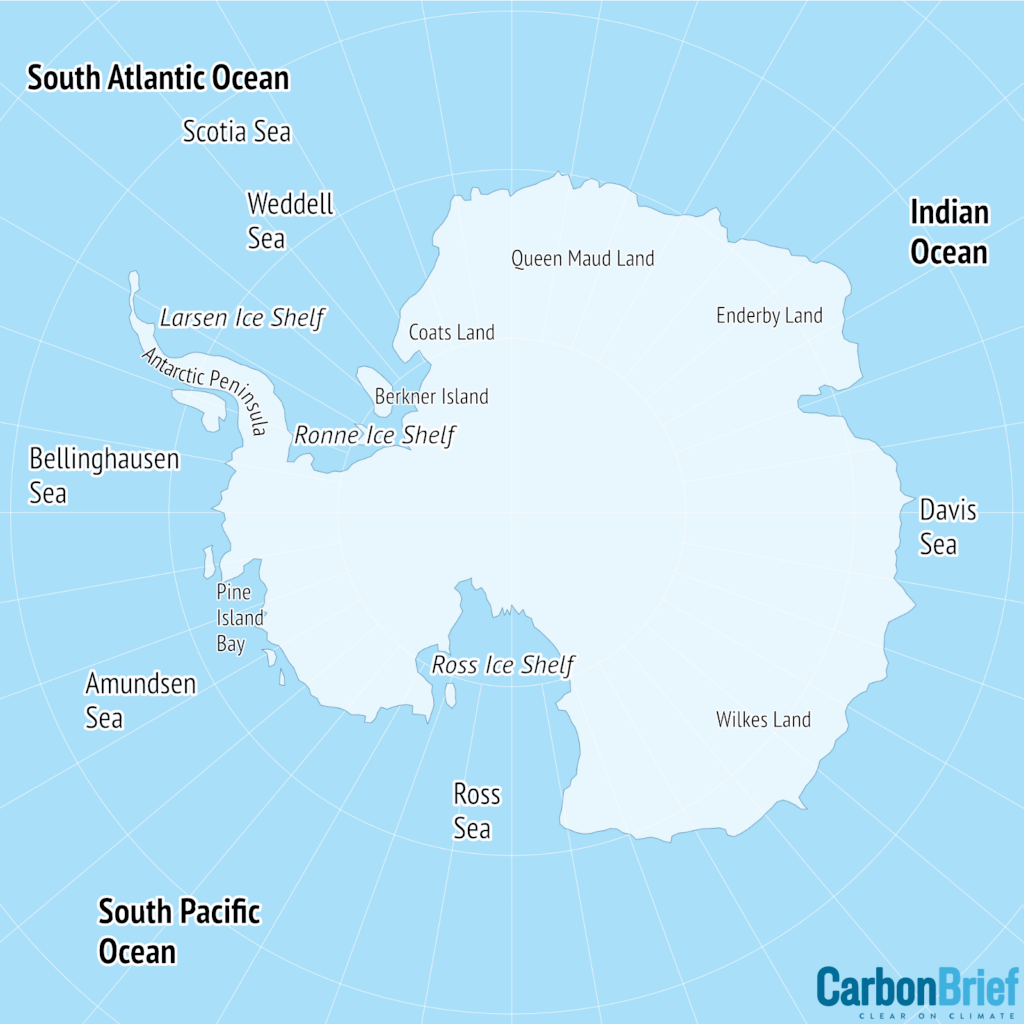
The spatial distribution of the ice loss tells a story of atmospheric chaos. Dr. Eayrs highlights that the regional patterns shifted dramatically throughout the growth season. In April, the Bellingshausen Sea remained nearly ice-free—a significant deficit—while the neighboring Amundsen Sea actually held more ice than usual.
By late August, the atmospheric pressure and wind patterns shifted, causing the Bellingshausen deficit to partially recover, only to see the Amundsen Sea and large swathes of East Antarctica suffer from an "unusual scarcity" of ice. This extreme regional variability reflects how sensitive the sea ice is to shifts in atmospheric circulation, a factor that complicates long-term modeling but highlights the fragility of the current state of the Southern Ocean.
The Arctic Perspective: A "Fundamentally Different" Region
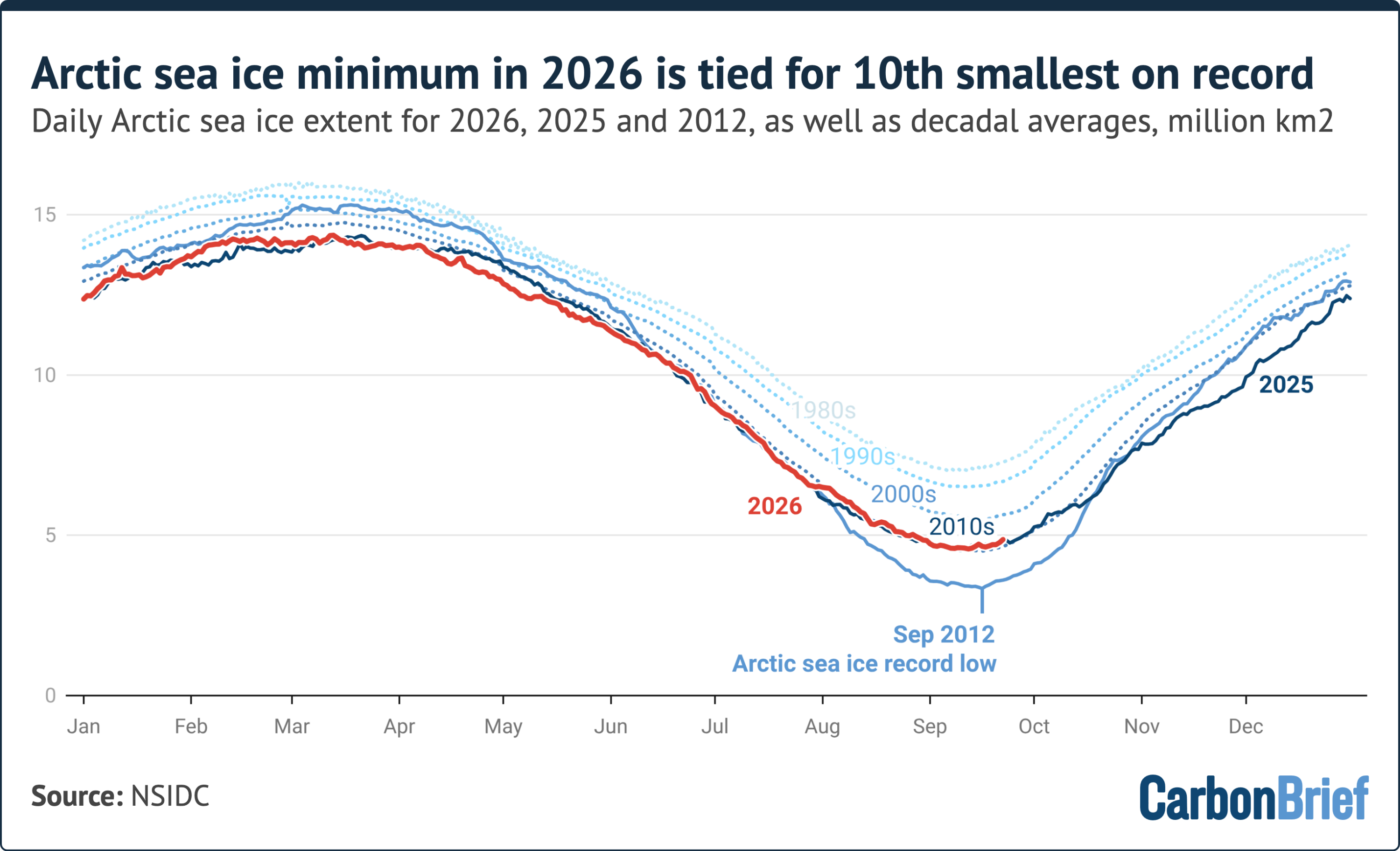
While the Antarctic struggles with its new volatility, the Arctic continues its long-term, established decline. On September 12, the Arctic reached its annual summer minimum of 4.60 million square kilometers, tying with 2025, 2010, and 2008 as the 10th-lowest on record.
Though not a record-breaking low, the figure is deceiving. "It is still lower than any sea ice minimum before 2007," Dr. Roach explains. "Human-caused climate change has reduced Arctic sea ice cover and thickness, so the region is fundamentally different compared to a few decades ago."
The "resilience" of the Arctic ice pack is being tested by increasingly extreme summer temperatures. August 2026 saw record-breaking heat waves sweep across the globe, with anomalous temperatures extending into Arctic coastal regions, particularly the Barents-Kara and East Siberian seas.
Data Gaps and Scientific Challenges
The scientific community is currently grappling with a significant blow to its monitoring capabilities. In March 2026, the National Oceanographic and Atmospheric Administration (NOAA) terminated a global air pressure dataset that was critical to the Pan-Arctic Ice Ocean Modeling and Assimilation System (PIOMAS).
PIOMAS has been the gold standard for tracking Arctic sea ice thickness since 1979. The loss of this data stream means that researchers are now working with a "blind spot" in their models. The PIOMAS team has stated that it will take "considerable effort and time" to find alternative data sources, and there is no clear timeline for when a new, reliable time series can be produced. This loss comes at a critical juncture, as scientists need more granular data—specifically ice thickness—to understand the state of an increasingly fragmented and thinning ice pack.
Weather Patterns vs. Climate Trends
Dr. Zack Labe, a scientist at Climate Central, emphasizes that the absence of a new record in the Arctic does not signify a recovery. "Local weather patterns across the Arctic play a really important role in year-to-year sea-ice extent, even as the long-term trend is clearly downward," Labe explains.
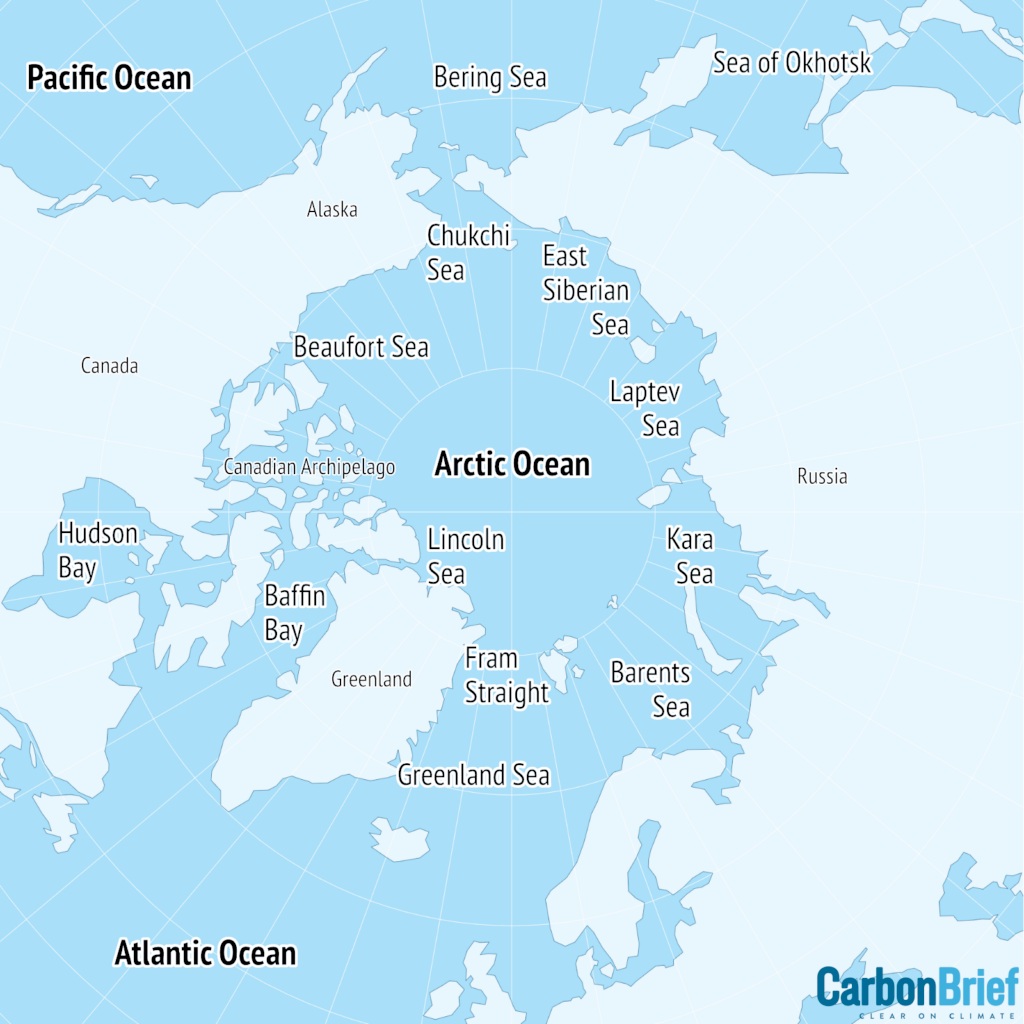
The 2026 Arctic summer was a tale of two halves. In the central Arctic, lower atmospheric pressure brought cloudier, cooler conditions that acted as a temporary brake on melting. In the Beaufort and Chukchi seas, the melt season was delayed by more than two weeks. However, the Atlantic side of the Arctic suffered a much more extreme summer. The Barents Sea recorded its earliest melt-out on record, driven by persistent heat—with temperatures in western Siberia peaking at 5°C above the 1981-2010 average—which effectively "baked" the sea ice from the coast outward.
Implications: A Global Concern
The implications of these findings are far-reaching. As both poles exhibit signs of stress, the Earth’s albedo—the reflectivity of the planet—is being altered. Less ice means more open ocean, which absorbs more solar radiation, further accelerating warming in a self-reinforcing feedback loop.
Furthermore, the research highlights that the stability of the Antarctic, once considered a buffer against the most rapid impacts of climate change, is now in question. If the Antarctic indeed undergoes a "structural shift," the global impacts on sea-level rise, ocean circulation, and weather patterns could be severe.

As Dr. Labe concludes, "We need more data and observations of other sea-ice metrics, like ice thickness, which may give us better insight into the overall condition of the ice pack, especially during years like 2026 when it is very fragmented."
For now, the world’s climate scientists are waiting. They are waiting for more years of data to confirm whether these recent dips in the Southern Hemisphere are a permanent change or a transient phase of natural variability. In the North, they are working to rebuild the datasets that underpin our understanding of the planet’s cooling systems. Both missions are urgent, as the Arctic and Antarctic serve as the world’s early warning system for a changing climate. The signals from 2026 are clear: the cryosphere is in flux, and the stability of the past is rapidly becoming a relic of history.

 Asro
Asro
 Neng Nana
 Nila Kartika Wati
 Jia Lissa
 Basiran
 Sagoh
Sagoh

 Lina Hope