Lina Hope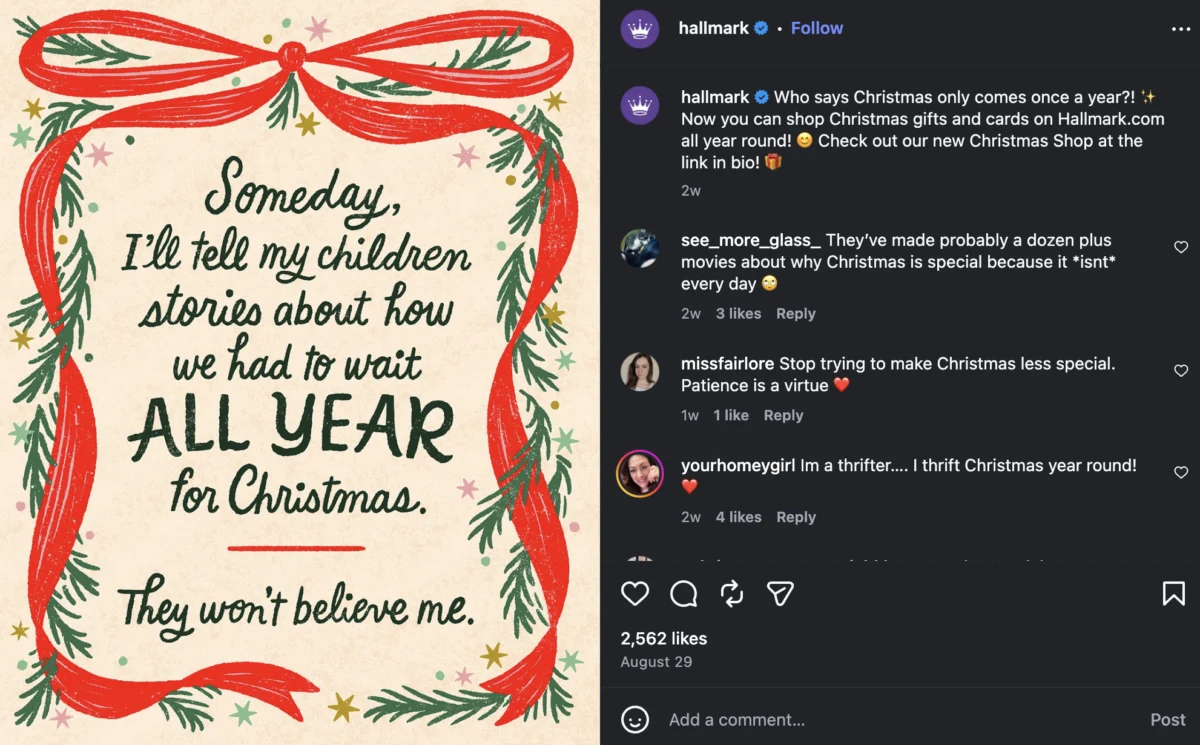
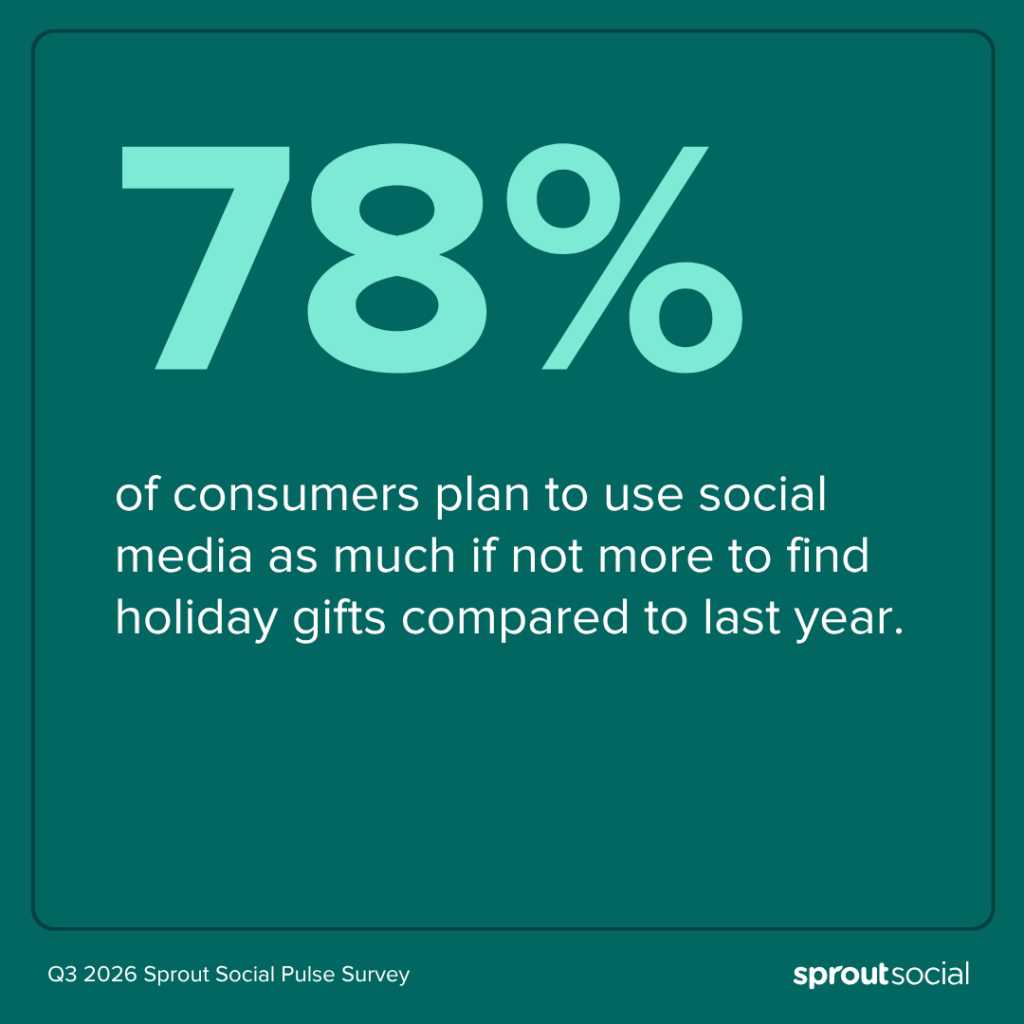
As the old adage—or at least the festive sentiment—goes: "Consumers scour social media with care, knowing that the holidays will soon be there." While the rhyme may be a loose adaptation, the reality of the 2026 holiday shopping landscape is precise and data-driven. As we approach the most lucrative season for retailers, the influence of social media on purchasing behavior has moved from a secondary channel to the primary engine of discovery, consideration, and conversion.
According to the Q3 2026 Sprout Social Pulse Survey, a staggering 78% of consumers plan to use social media as much as, if not more than, they did last year to find holiday gifts. This shift marks a pivotal transformation in retail: social platforms are no longer just for inspiration; they are the modern-day storefronts where the entire customer journey, from initial curiosity to final checkout, now resides.
The Chronology of the 2026 Holiday Season: A Shift in Expectations
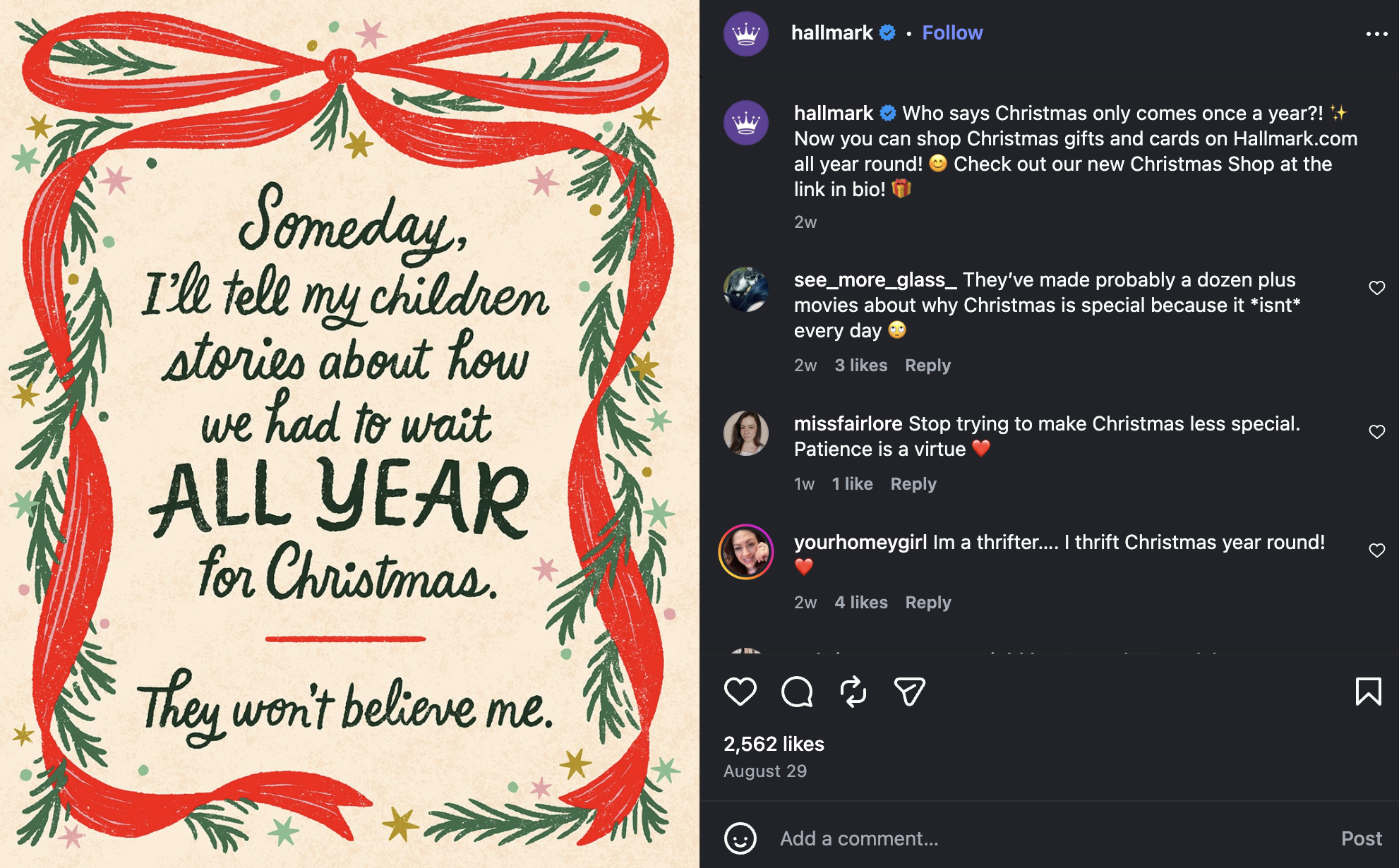
The "Holiday Creep"—the phenomenon where festive marketing begins earlier each year—reached new heights in 2026. Social users were treated to "Summerween" celebrations in June, Starbucks launched its iconic pumpkin spice campaign in August, and legacy brands like Hallmark began promoting their online Christmas shops during the height of the summer heat.

However, a fascinating disconnect has emerged between corporate strategy and consumer preference. Data suggests that while brands are pushing for earlier visibility, 50% of consumers explicitly stated that they prefer holiday advertising to begin in October. This marks a significant pivot from 2025, when August and September were widely accepted as the start of the holiday marketing cycle.
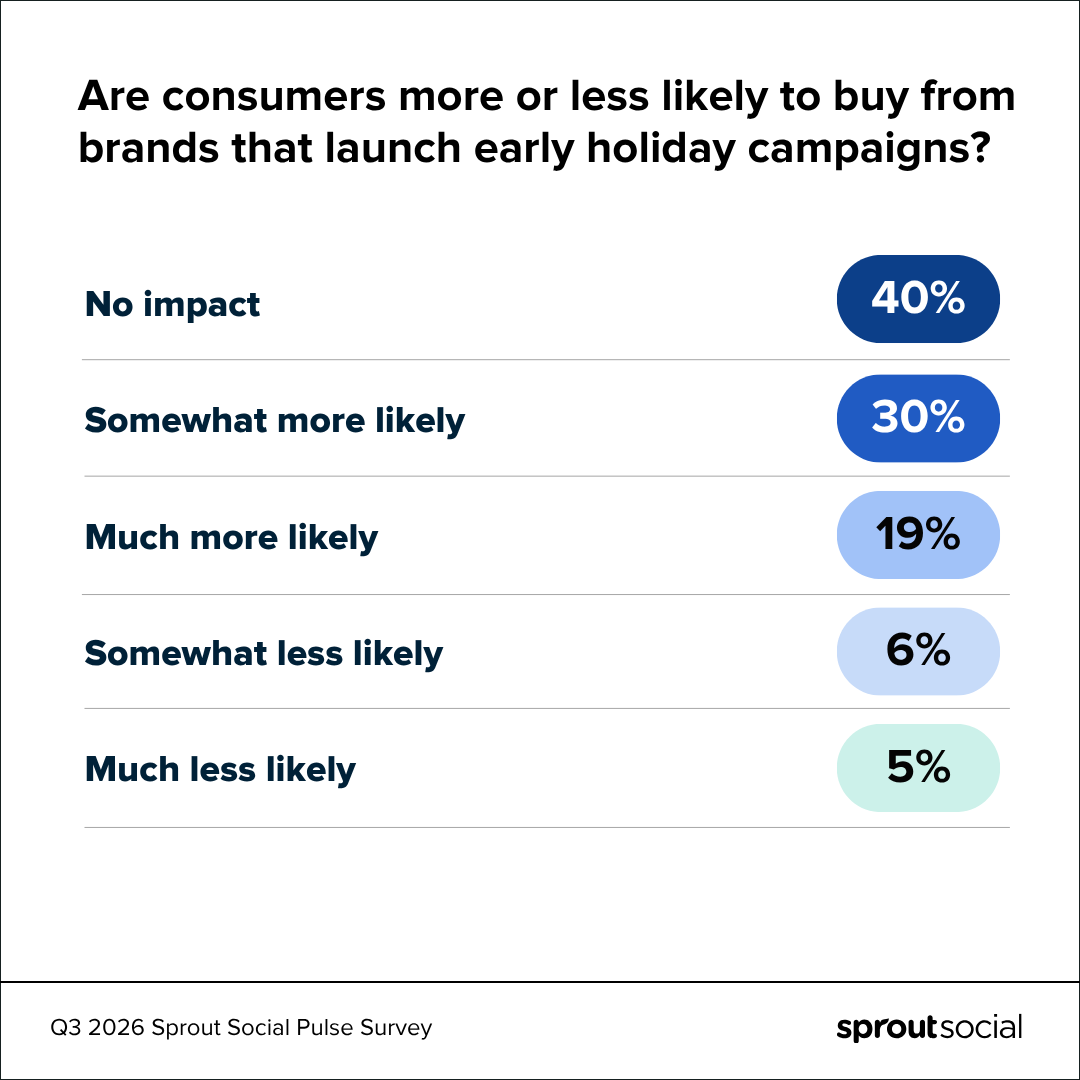
Despite this vocal preference for a later start, the data reveals a "behavioral gap." While consumers claim they don’t want to see holiday ads in August, their actual purchasing decisions tell a different story. Forty percent of respondents noted that early campaigns have no impact on their decision to buy, while nearly 50% admitted they are actually more likely to purchase from a brand that advertises as early as August.
For the astute marketer, the takeaway is clear: timing is not the primary driver of purchase intent. Rather than fixating on the calendar, brands must prioritize the quality and relevance of their creative content. In a saturated digital environment, a well-timed, value-driven campaign will always outperform a generic ad, regardless of when it hits the feed.
Supporting Data: The Economic Impact on Holiday Shopping
The 2026 holiday season is being defined by a "conscious consumer" archetype, heavily influenced by global economic shifts. Tariffs and persistent inflation have tightened household budgets, causing a ripple effect in shopping habits.
The Sprout Social data paints a sobering picture:
- Budget Sensitivity: 56% of consumers plan to reduce their overall holiday spending compared to previous years.
- Tariff Anxiety: 69% of consumers expressed direct concern regarding potential price increases due to new trade tariffs.
- Early Planning: To mitigate the risk of rising costs, 36% of shoppers plan to start their holiday shopping earlier than usual to lock in prices before potential hikes.
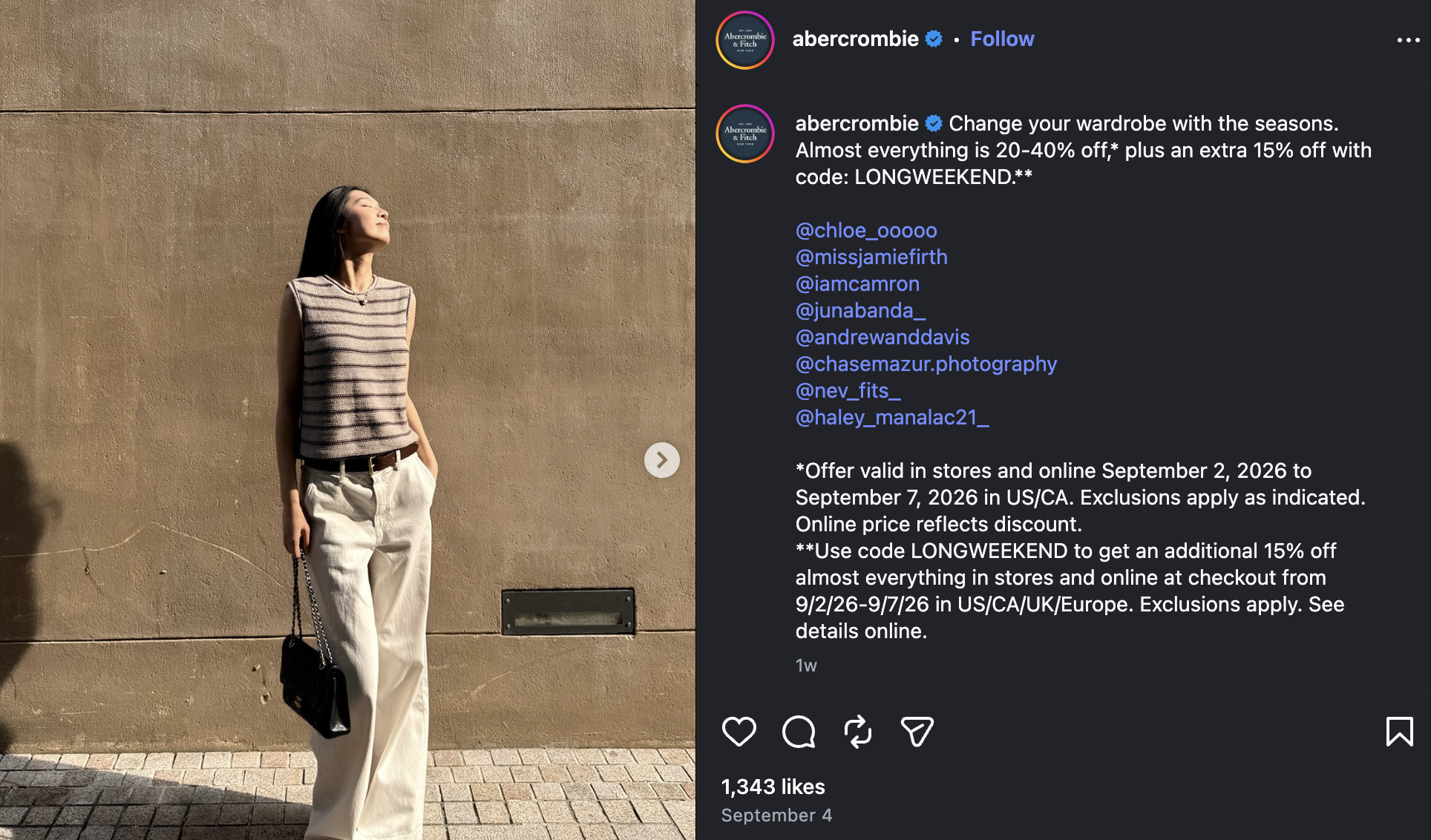
In this climate, brands cannot rely on brand loyalty alone. The strategy must shift to "value-first" messaging. When asked what would most effectively persuade them to make a purchase, 30% of consumers pointed to promo codes—whether distributed by the brand directly or through influencer partnerships.
Furthermore, consumers are increasingly demanding transparency in product functionality. 28% of shoppers noted that seeing a product "in action" (demos, tutorials, or user-generated content) is the single most important factor in their decision-making process. This represents a distinct evolution from 2025, where customer service and general social proof held the top spots.
The Rise of Social as a Discovery Engine
The transition of social media into a search engine is now complete. For the 2026 holiday season, social media is tied with physical retail as the top destination for gift discovery, with 46% of consumers turning to platforms like TikTok, Instagram, and Facebook to find ideas.
This trend is even more pronounced among younger demographics. For Gen Z and Millennials, social media is the undisputed leader in gift discovery. These cohorts are bypassing traditional search engines in favor of the visual, peer-led, and algorithmically personalized feeds of their favorite social apps.
The integration of "Social Checkout" features—such as TikTok Shop, Facebook Shops, and Instagram Checkout—has further streamlined this process. Over half of the consumers surveyed expressed comfort in making purchases directly within a social app. For retailers, this underscores the necessity of a seamless, friction-free buyer journey. Every extra click is a potential point of abandonment; therefore, keeping the user within the ecosystem of their preferred platform is no longer optional—it is a competitive necessity.
Official Perspectives: The Crucial Role of Customer Care
As holiday volumes surge, so does the demand for responsive customer service. The survey indicates that 86% of consumers intend to use social media as a primary channel for customer service inquiries this season.
This shift has created an immense pressure on brand resources. Consumers are not just sending direct messages (DMs); they are increasingly vocal in public comment sections, with 31% of users now choosing to air inquiries or complaints publicly. The public nature of these interactions means that every customer service interaction is, by definition, a public relations moment.
The AI Imperative
With 70% of consumers expecting a response within 24 hours, many brands are looking toward Artificial Intelligence to bridge the gap. The sentiment toward AI-driven service is surprisingly positive: 70% of consumers are comfortable with brands utilizing AI to handle initial interactions, a figure that jumps to 77% among Gen Z.
However, experts caution that speed must not come at the expense of human empathy. AI should be utilized as a "force multiplier" for support teams—handling sentiment analysis, FAQ resolution, and initial drafting—while human agents retain oversight to ensure tone and brand standards are maintained.
Implications for Brand Strategy
The 2026 holiday landscape is not for the faint of heart. It is a season defined by heightened expectations, tighter budgets, and a reliance on social media that has never been greater. Brands looking to thrive must adopt a three-pronged strategy:
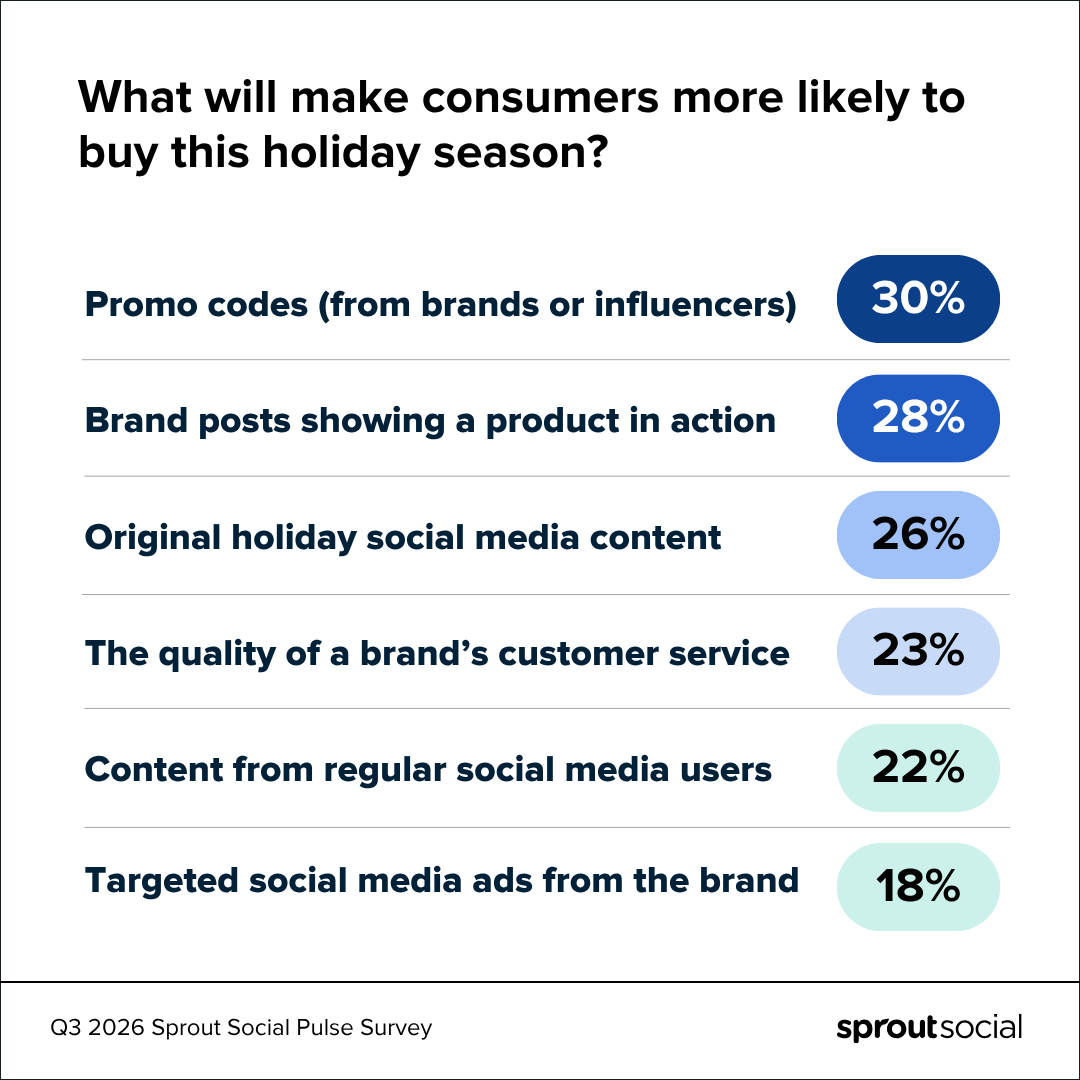
- Prioritize Value and Utility: With price consciousness at an all-time high, your campaigns must lead with value. Promo codes, bundle deals, and clear, authentic demonstrations of product utility are the currencies of this year’s shopping season.
- Optimize for Social Search: If consumers are using social media as a search engine, your content must be discoverable. This involves optimizing captions with relevant keywords, using clear product tagging, and ensuring your brand presence is consistent across all social channels.
- Modernize the Service Infrastructure: Your "social-first" customer service strategy must be robust. Utilize AI to manage the influx, but keep a human in the loop to handle high-stakes interactions. Prepare your team for the public nature of the comments section—a well-handled public response can actually build more brand trust than a private resolution.
In conclusion, the 2026 holiday season represents a maturation of social commerce. The lines between entertainment, discovery, and retail have blurred into a single, cohesive experience. Brands that acknowledge this shift—by blending the agility of AI-backed service with the human touch of influencer-led content and discount-driven value—will find themselves well-positioned for a prosperous start to the new year.
About the Data: All statistics cited in this article are derived from the Q3 2026 Sprout Social Pulse Survey. The study was conducted by Panoplai on behalf of Sprout, surveying 2,286 consumers across the US, UK, and Australia between August 11 and August 18, 2026.


 Nana
Nana
 Dwi Wanna
 Nila Kartika Wati
 Jia Lissa
 Basiran
 Sagoh
Sagoh