
 Rifan Muazin
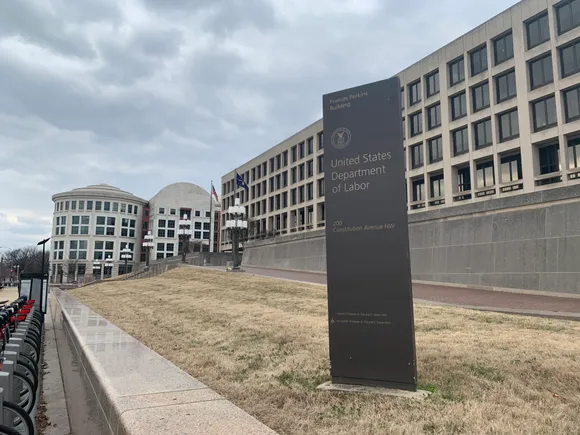
Washington D.C. – August 21, 2026 – In a significant shift impacting federal contractors nationwide, the U.S. Department of Labor (DOL) has issued a series of final rules rescinding key affirmative action requirements. These changes directly follow a 2025 executive order from President Donald Trump aimed at overhauling the federal government’s approach to antidiscrimination enforcement and diversity, equity, and inclusion (DEI) initiatives within its contractor base. The newly published documents signal a departure from decades-old mandates, prompting a period of reevaluation and adaptation for businesses holding government contracts.
The DOL’s decision to dismantle previously mandated affirmative action programs, particularly those stemming from President Lyndon B. Johnson’s 1965 Executive Order 11246, signifies a profound redirection in federal contractor compliance. This move is expected to reshape how companies approach recruitment, hiring, and retention of diverse workforces, shifting the emphasis from prescriptive programs to broader non-discrimination principles. While the intent, as articulated by the administration, is to restore merit-based opportunity and reduce perceived bureaucratic burdens, the implications for contractors are substantial, necessitating a thorough understanding of the new regulatory landscape.
The Genesis of Change: A Presidential Mandate
The foundation for these sweeping regulatory changes was laid in early 2025 with President Trump’s Executive Order, titled "Ending Illegal Discrimination and Restoring Merit-Based Opportunity." This directive explicitly called for the federal government to re-examine and, where deemed appropriate, eliminate affirmative action programs and other DEI-related mandates imposed on federal contractors. The Office of Federal Contract Compliance Programs (OFCCP), the agency responsible for enforcing these regulations, has been the primary vehicle for implementing the administration’s directives.
The executive order signaled a clear intent to move away from what the administration characterized as "preferential treatment" and towards a system that prioritizes individual merit and qualifications. For federal contractors, this meant a period of anticipation and uncertainty regarding the future of their compliance obligations. The subsequent pause and eventual rescission of key regulations underscore the administration’s commitment to this policy shift.
A Timeline of Regulatory Evolution
The journey from the presidential executive order to the final rescinded rules has been a dynamic one, marked by periods of pause, review, and eventual action.
Early 2025: Following the issuance of President Trump’s executive order, the DOL, through the OFCCP, acted swiftly to align its enforcement activities with the new presidential directive. This included an initial pause on investigations and enforcement actions related to discriminatory hiring practices. The department asserted that its authority under the rescinded Executive Order 11246 was no longer applicable, effectively halting the enforcement of certain affirmative action mandates.
July 2025: The OFCCP lifted the pause on enforcement specifically concerning Section 503 of the Rehabilitation Act of 1973 and the Vietnam Era Veterans’ Readjustment Assistance Act (VEVRAA). While this indicated a continuation of enforcement in these specific areas, it also foreshadowed a broader review and potential revision of the underlying regulations.
August 21, 2026: The DOL officially published its set of final rules, formally rescinding significant affirmative action requirements for federal contractors. These rules, which take effect on staggered dates throughout the fall of 2026, represent the culmination of the administration’s efforts to alter the compliance landscape.
The implementation timeline for these new rules is as follows:
- Executive Order 11246 Rule: Effective October 26, 2026. This rule specifically targets the requirements stemming from the 1965 executive order.
- Section 503 Rule: The majority of this rule becomes effective on September 21, 2026. However, one specific section will take effect on December 21, 2026, indicating a phased approach to its implementation.
- VEVRAA Rule: This rule is effective on September 21, 2026.
This staggered implementation allows contractors some time to adapt to the new requirements, though the immediate impact of the rescissions is already being felt.

Key Provisions and Their Ramifications
The rescinded rules have significant implications for how federal contractors manage their workforce diversity and compliance obligations. Attorneys and compliance experts have been analyzing the nuances of these changes, highlighting both what is being removed and what remains in place.
One of the most notable changes is the elimination of several requirements under Section 503, which previously mandated affirmative action to employ and advance qualified individuals with disabilities. While the specific self-identification requirements and certain utilization goals for affirmative action plans have been removed, legal experts emphasize that contractors are still obligated to take affirmative action to ensure equal employment opportunities for individuals with disabilities. Furthermore, the duty to assess the effectiveness of recruitment efforts and outreach to these individuals remains.
Attorneys at Jackson Lewis, in an analysis published following the announcement, noted that despite the removal of specific prescriptive measures, the underlying principle of non-discrimination continues to be paramount. "While the explicit mandates for self-identification and utilization goals under Section 503 have been rescinded, contractors must remain vigilant in their efforts to recruit, hire, and promote individuals with disabilities," the analysis stated. "The focus shifts from a formulaic approach to a more robust demonstration of good-faith efforts."
Similarly, the changes related to Executive Order 11246 and VEVRAA are expected to streamline compliance for many contractors. However, it is crucial to understand that these rescissions do not erase existing prohibitions against discrimination.
The Enduring Importance of Non-Discrimination
A critical point consistently underscored by legal counsel and compliance specialists is that the rescinded affirmative action rules do not eliminate the fundamental prohibitions against discrimination. As attorneys from Ogletree Deakins pointed out in their analysis, "While the specific affirmative action obligations are being altered, the core anti-discrimination principles enshrined in Title VII of the Civil Rights Act of 1964, and other federal, state, and local laws, remain fully in effect."

This means that federal contractors are still legally prohibited from discriminating on the basis of race, color, religion, sex, national origin, age, disability, or genetic information. The burden of proof in discrimination cases will continue to fall on the employer to demonstrate that their employment decisions were based on legitimate, non-discriminatory factors. The shift in regulatory focus from affirmative action to a more stringent adherence to non-discrimination laws places a renewed emphasis on robust internal policies, thorough documentation, and consistent application of employment practices.
Broader Context: The Administration’s DEI Stance
The DOL’s actions are part of a broader initiative by the Trump administration to re-evaluate and, in many instances, curtail diversity, equity, and inclusion (DEI) initiatives across the federal government and its contractors. This executive order is distinct from a previous directive issued in March 2025, which specifically mandated that federal contractors avoid engaging in discriminatory DEI programs, threatening contract cancellations for non-compliance.
That earlier order also faced significant backlash and legal challenges. At least one lawsuit has been filed directly challenging the constitutionality of that anti-DEI contractor order, alleging violations of free speech and equal protection principles. Litigation surrounding these directives is ongoing, indicating potential further legal battles that could shape the long-term trajectory of DEI policies for federal contractors.
The cumulative effect of these actions suggests a deliberate effort to reshape the landscape of diversity and inclusion in the federal contracting space, moving away from mandated programs towards a framework that emphasizes individual merit and broader non-discrimination principles, albeit with ongoing legal scrutiny. Federal contractors are now tasked with navigating this evolving regulatory environment, ensuring compliance while adapting their strategies to align with the administration’s vision of merit-based opportunity. The full impact of these changes will become clearer as companies adjust their practices and as any ongoing litigation unfolds.


 Nana
Nana
 Siti Muinah
 Raul Delapena Setiawan
 Reynand Wu
 Sagoh
Sagoh

 Azzam Bilal Chamdy
 Ali Ikhwan