Reynand Wu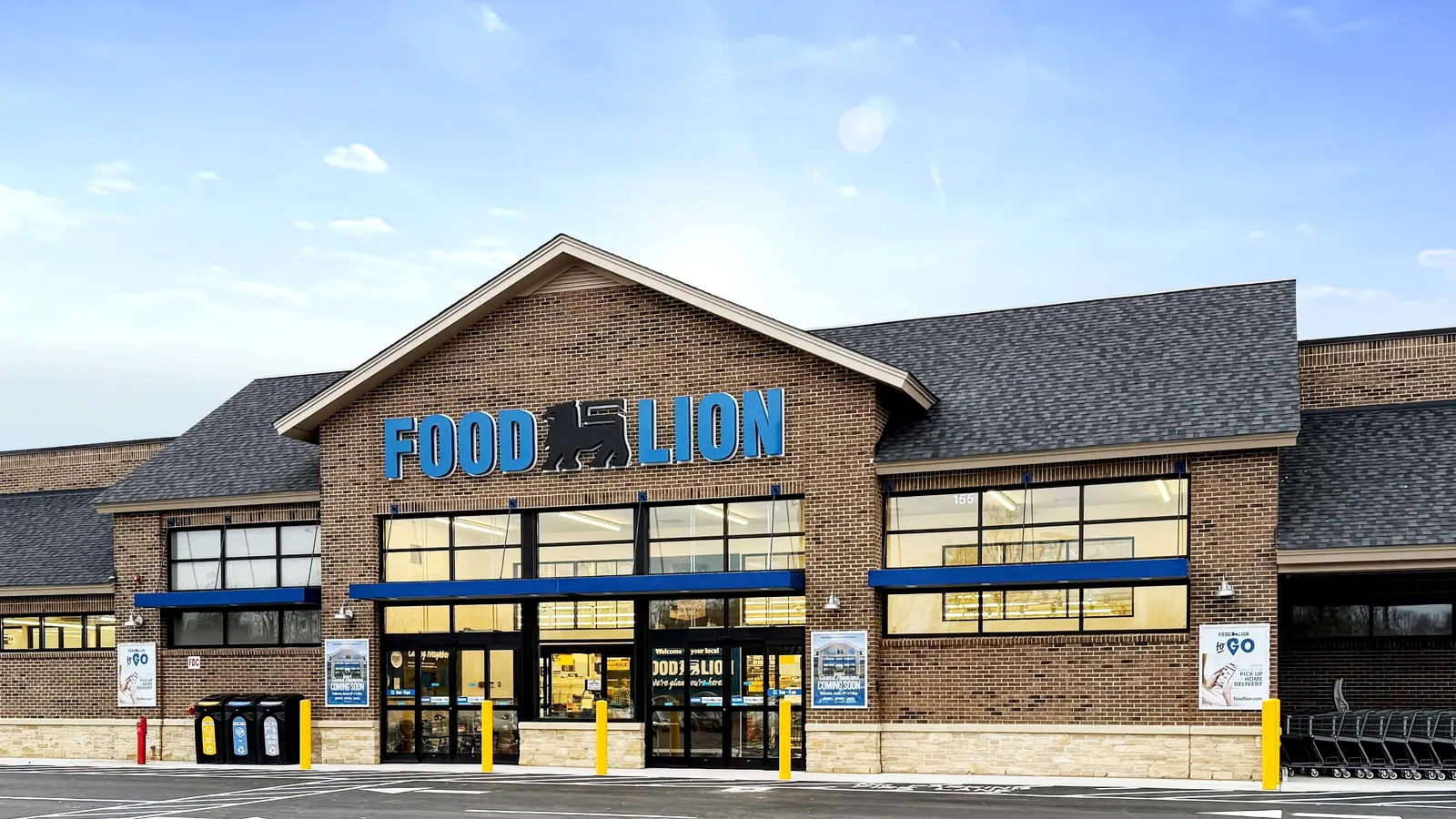
In a significant recalibration of its long-term supply chain transformation strategy, Ahold Delhaize USA (ADUSA) and global cold storage giant Americold Realty Trust have announced the termination of operations at two high-profile automated distribution centers. The decision marks a notable shift in the trajectory of a partnership that began in 2020 with the ambitious goal of revolutionizing grocery logistics through state-of-the-art automation.
As the companies pivot away from these specific sites, the move highlights the complexities and capital-intensive nature of modernizing food distribution networks in an era of fluctuating market demands and shifting economic landscapes.
Chronology of a Partnership
The collaboration between ADUSA—the parent company of major supermarket chains including Food Lion, Giant, and Stop & Shop—and Americold was initially hailed as a cornerstone of the grocer’s broader supply chain overhaul.
- 2020: The Genesis of Automation: ADUSA and Americold announced a strategic partnership to construct two fully automated frozen warehouses. The facilities were intended to serve as beacons of efficiency, leveraging robotics and advanced software to streamline the movement of frozen goods across the Eastern Seaboard.
- The Development Phase: Over the ensuing years, the two companies worked to integrate their logistical systems. The Lancaster, Pennsylvania, and Plainville, Connecticut, facilities were the primary nodes of this investment.
- Late 2024: The Strategic Reassessment: Following a thorough review of their supply chain network, ADUSA and Americold determined that the operational model for these two specific sites no longer aligned with their long-term logistical needs.
- Q4 2024: The Wind-Down: Under the new agreement, the Plainville, Connecticut, center has been idled effective immediately. Meanwhile, operations at the Lancaster, Pennsylvania, facility are slated for a controlled shutdown, with all activity expected to cease by December 31.
The Financial Impact: A Multi-Million Dollar Impairment
The financial ramifications of this decision are substantial, reflecting the high costs associated with building and maintaining specialized cold-storage infrastructure. According to a recent filing with the Securities and Exchange Commission (SEC), Americold anticipates recording a non-cash impairment charge ranging between $305 million and $320 million.
This charge reflects the reality that the specialized nature of these facilities makes them difficult to repurpose quickly. Americold has confirmed its intent to sell both properties, seeking to recoup capital and redistribute resources toward other, more viable segments of its extensive global network.
Despite the impairment, the partnership remains intact. The filing emphasized that ADUSA and Americold have mutually agreed to expand and renew business engagements in other regions of the Americold network, suggesting that while these two specific projects failed to meet expectations, the underlying strategic relationship between the retailer and the cold-storage provider remains robust.
Supporting Data: The Shifting Landscape of Food Logistics
The decision to shutter these facilities comes at a time when the grocery industry is grappling with the "automation paradox." While technology offers the promise of reduced labor costs and improved inventory accuracy, the upfront capital expenditure is immense.
Data from the broader logistics sector indicates that automated warehouses require a consistent and massive throughput volume to achieve a return on investment. If market dynamics change—such as shifts in consumer purchasing patterns or regional demand fluctuations—these high-tech facilities can quickly become liabilities rather than assets.
For ADUSA, the focus has increasingly moved toward long-term, large-scale infrastructure projects. Their commitment to the Burlington, North Carolina, facility—an $860 million investment—demonstrates that they are not abandoning automation. Rather, they are refining their approach, favoring larger, perhaps more centralized hubs that can leverage economies of scale more effectively than the regional automated centers that were planned in 2020.
Official Responses and Strategic Realignment
While formal press statements from the executives of both companies have been measured, industry analysts point to the "idling" of the Plainville facility as an indicator of a swift and decisive response to underperformance.
"The decision to pivot is not a failure of technology, but a refinement of network architecture," says one logistics consultant familiar with the project. "When dealing with hundreds of millions in capital, companies have to be willing to cut their losses if the projected ROI no longer aligns with the operational reality."
The companies have emphasized that the employees affected by these closures are being supported through the transition, although the exact number of job losses remains a sensitive point for the local economies in Lancaster and Plainville. For ADUSA, the move allows them to focus their human and capital resources on the upcoming Burlington project, which remains the centerpiece of their future-proofing strategy.
Implications for the Grocery Industry
The termination of these projects carries several broader implications for the retail and logistics sectors:
1. The High Cost of Tech-Driven Transformation
The $305 million to $320 million impairment charge serves as a cautionary tale for other retailers. As grocers race to modernize, the margin for error is slim. The transition from legacy manual distribution to fully automated systems requires not just hardware, but a fundamental shift in corporate culture and logistical planning.
2. Diversification of Supply Chains
The renewal of the ADUSA-Americold partnership in other areas suggests a move toward diversification. By relying on a broader network rather than pinning success on a few flagship automated centers, companies can mitigate the risk of local disruptions or regional demand shifts.
3. The Future of the "Mega-Facility"
ADUSA’s continued investment in the Burlington, North Carolina, distribution center signals a commitment to the "mega-facility" model. By securing $475 million in financing from Blackstone Credit & Insurance, ADUSA has demonstrated that the appetite for large-scale, automated infrastructure remains strong among institutional investors. The facility, expected to begin servicing stores in 2029, will likely incorporate lessons learned from the Lancaster and Plainville projects.
4. Market Consolidation
As cold storage providers like Americold manage their own portfolios, the ability to pivot and redeploy assets will be a key differentiator. The sale of the shuttered facilities will likely see those properties acquired by companies looking for existing cold-storage infrastructure, potentially sparking a secondary market for warehouse space that doesn’t require the same level of robotic integration.
Looking Ahead: The Road to 2029
As 2024 draws to a close, the narrative surrounding Ahold Delhaize USA and Americold is one of calculated adjustment. While the closure of the Lancaster and Plainville facilities is a setback, the broader strategy remains fixed on the future.
The $860 million Burlington project is now the clear priority. With the backing of Blackstone, the facility is designed to be one of the most advanced grocery distribution centers in the United States. It represents a more mature phase of ADUSA’s supply chain evolution—one that moves beyond experimental automated sites toward a more resilient, scalable, and high-tech network.
For investors, employees, and industry observers, the lesson is clear: the path to the future of retail is paved with both innovation and necessary, sometimes painful, course corrections. The ability to recognize when a specific strategy has reached its limit and to pivot without compromising the overall mission is what will define the winners in the competitive grocery logistics landscape of the next decade.
As the industry watches the construction progress in Burlington, the legacy of the 2020 partnership will likely be viewed as a vital stepping stone—a series of hard-won lessons that helped shape the modern, automated grocery supply chain of the 2030s. The immediate focus for ADUSA and Americold, however, remains the orderly closure of their current sites and the seamless transition of services to ensure that store shelves remain stocked, regardless of the behind-the-scenes adjustments to their logistics map.

 Sagoh
Sagoh
 Ali Ikhwan
 Raul Delapena Setiawan


 Azzam Bilal Chamdy