
 Raul Delapena Setiawan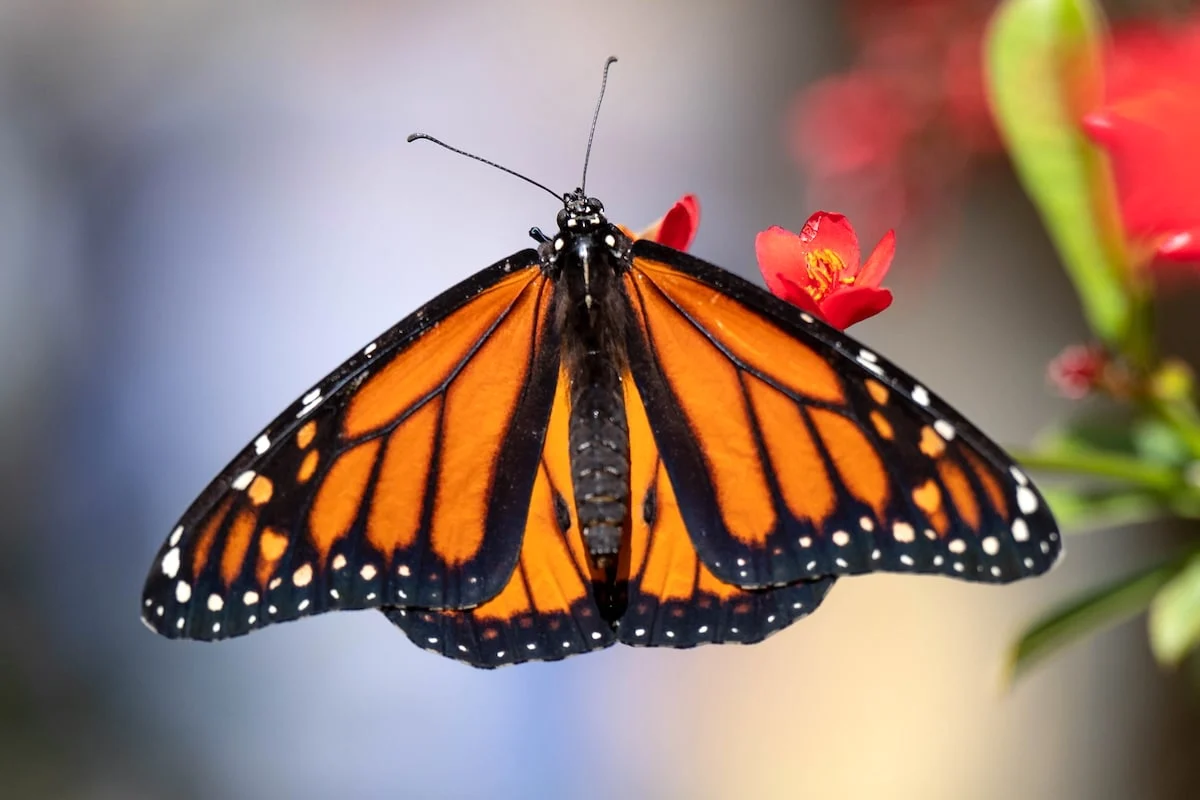
In the quiet, fog-drenched groves of Pacific Grove, California—a site revered as “Butterfly Town, U.S.A.”—a devastating ecological tragedy unfolded in early 2024. Hundreds of Western monarch butterflies (Danaus plexippus), iconic for their epic migratory journeys, were found dead or in the throes of death near the Pacific Grove Monarch Sanctuary. What was initially feared to be an environmental mystery has now been codified into scientific fact: a new peer-reviewed study published in the journal Environmental Toxicology and Chemistry confirms that a lethal cocktail of pesticides was the primary culprit behind this mass mortality event.
This finding serves as a grim indictment of how human-driven chemical use in agriculture and urban landscapes is encroaching upon the fragile refuges of one of North America’s most recognizable pollinators. As the Western monarch population teeters on the brink of functional extinction, this incident highlights the lethal consequences of toxic exposure during the species’ most vulnerable life stages.
A Chronology of the 2024 Catastrophe
The discovery occurred in January 2024, a time when Western monarchs are typically in deep diapause, clustering in the boughs of eucalyptus and pine trees to conserve energy during the winter. Visitors and researchers at the Pacific Grove sanctuary—a critical overwintering hub—began noticing an unusual number of butterflies on the forest floor. They were not merely dying of natural causes; many were twitching, paralyzed, or already deceased in abnormal clusters.
Following the initial discovery, researchers from the Xerces Society for Invertebrate Conservation and other environmental bodies launched an urgent investigation. The butterflies were collected and subjected to rigorous laboratory analysis using liquid and gas chromatography and mass spectrometry. By identifying the chemical signatures within the tissue of the deceased insects, the research team unveiled a startling reality: the monarchs had been exposed to a concentrated mixture of insecticides, herbicides, and fungicides.
The Toxic Burden: Unpacking the Scientific Data
The findings were both conclusive and disturbing. The study revealed that each sampled butterfly contained, on average, seven different types of pesticides. Among the most alarming discoveries was the presence of three specific pyrethroid insecticides—bifenthrin, cypermethrin, and permethrin—at or near lethal concentrations.
- Bifenthrin: A broad-spectrum insecticide frequently used in residential and commercial settings to combat ants and other pests.
- Cypermethrin: A synthetic pyrethroid used in large-scale agriculture and for structural pest control.
- Permethrin: A common chemical used in both agricultural crop protection and household mosquito abatement programs.
According to the study, every single butterfly sample tested positive for bifenthrin and cypermethrin, while all but two contained traces of permethrin. These chemicals act as potent neurotoxins to insects, disrupting their nervous systems and leading to rapid paralysis and death. Staci Cibotti, the study’s lead author and a pesticide risk prevention specialist at the Xerces Society, emphasized the severity of these levels. "Although a review by Monterey County could not determine the exact point-source of the chemicals, the high levels detected suggest that insecticides were the direct driver of these deaths," Cibotti stated.
The Broader Context: A Species in Freefall
The Pacific Grove event did not occur in a vacuum. It is a symptom of a much larger, systemic collapse of the Western monarch population. Since the 1980s, the population has plummeted by nearly 95%. In 2024, the Western Monarch Count recorded the second-lowest number of individuals in history. By 2025, the overwintering population had dwindled to a mere 9,119 butterflies—a number so low that biologists warn the species is nearing a "point of no return."
The International Union for Conservation of Nature (IUCN) has formally listed the migratory monarch as endangered. Even more chilling are projections from the U.S. Fish and Wildlife Service, which suggest that if current environmental trends continue, Western monarchs have a 99% probability of reaching extinction by the year 2080. The loss of habitat, climate-induced wildfires, and widespread pesticide exposure are creating a "perfect storm" that is stripping the species of its ability to recover.

Official Responses and the Call for Policy Reform
The scientific community is now calling for a fundamental shift in how the United States manages chemical applications, particularly near critical wildlife habitats. The Xerces Society has issued a series of urgent recommendations to prevent further tragedies:
- Creation of Pesticide-Free Refuges: Establishing buffer zones around known overwintering sites where chemical use is strictly prohibited.
- Public Education: Expanding outreach to homeowners and municipal land managers regarding the hidden risks of common garden and structural pesticides.
- Policy Integration: Incorporating pesticide exposure protections into federal and state recovery plans for endangered species.
- Coordinated Monitoring: Implementing a more robust system for tracking pesticide usage and potential exposure risks during peak migration windows.
Emily May, co-author of the study and agricultural conservation lead at the Xerces Society, noted that the path forward is as much about policy as it is about science. "Protecting monarchs from pesticides will require both public education and policy change," May stated. "We are committed to working with communities and decision-makers to ensure that overwintering sites are healthy refuges for these butterflies."
Implications: The "Pesticide Drift" Problem
A significant takeaway from the 2024 incident is the misconception that pesticides are only a problem on large industrial farms. In an update provided to EcoWatch, Staci Cibotti clarified that the threat is ubiquitous. "Pesticide exposure is a widespread threat to monarchs across their range," she explained. "These chemicals are used in home gardening, landscaping, turf management, mosquito abatement, and even in natural areas to manage forest pests."
This "pesticide drift"—the movement of chemicals away from their intended target via wind or water runoff—means that even a butterfly miles away from a treated field can ingest a lethal dose. The vulnerability is heightened during migration and overwintering, when thousands of monarchs congregate in small, specific geographic areas. A single, localized spraying event, such as a mosquito control operation, can wipe out a significant percentage of the entire year’s population in one sweep.
This is not a theoretical concern. Similar events have been documented previously, including a 2020 disaster in North Dakota where hundreds of migrating monarchs were killed following an aerial mosquito-spraying campaign. These events demonstrate that timing is everything; when these delicate insects are in their most sensitive stages, even minor chemical applications can lead to catastrophic losses.
Moving Toward Recovery: The Path Ahead
The loss of 9,000 butterflies—or even hundreds at a single site—might seem like a small number in the grand scheme of a continent, but for the Western monarch, every individual counts toward the goal of genetic diversity and population stability. The ability of the species to rebound in the spring depends entirely on the survival of those who endure the winter.
The research published in Environmental Toxicology and Chemistry provides a roadmap for what must be done. By acknowledging that pesticides are not just an agricultural byproduct but a direct, lethal threat to pollinators, local and federal governments have a duty to restrict the use of highly toxic pyrethroids in areas frequented by monarchs.
As we look toward the future, the fate of the monarch butterfly remains a barometer for the health of our ecosystems. If we can create landscapes that are safe for these migratory travelers—landscapes free from the specter of neurotoxic drift—we may yet turn the tide. However, as the 2024 die-off demonstrates, we are currently losing that race against time. The survival of the Western monarch is not just an environmental imperative; it is a test of our ability to coexist with the natural world that sustains us.


 Dwi Wanna
 Asro
Asro
 Nila Kartika Wati
 Jia Lissa
 Basiran
 Sagoh
Sagoh

 Lina Hope