
 Jia Lissa
Despite the persistent industry narrative that the rise of generative AI signals the "death of SEO," the reality on the ground is significantly more nuanced. Far from rendering search engine optimization obsolete, the complexity of today’s digital ecosystem has made high-quality SEO tools more critical than ever. Recent data from a HubSpot survey reveals that 27% of marketers identify their website, blog, and SEO initiatives as their highest ROI channels for the current year.
SEO has undeniably evolved, shifting from simple keyword stuffing to a sophisticated practice of topical authority and intent-based content strategy. However, the fundamental challenge remains the same: how to drive sustainable business growth without hemorrhaging budget on redundant software.

The Evolution of the SEO Landscape
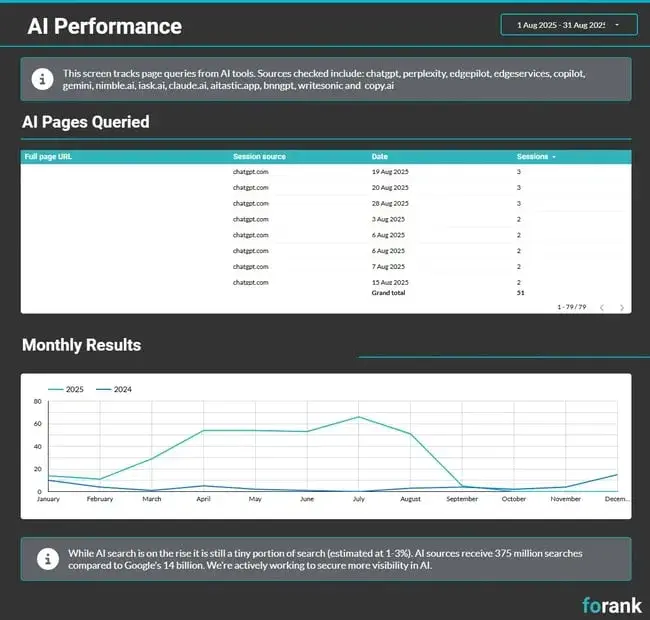
The shift in search behavior—driven by the emergence of Answer Engines and AI Overviews—has fundamentally changed what marketers need to measure. While traditional metrics like keyword ranking still hold value, the focus is pivoting toward "Answer Engine Optimization" (AEO) and topical depth.
In the early days of search, success was measured by a single metric: the blue link. Today, marketers must navigate a fragmented landscape where visibility includes featured snippets, AI summaries, and traditional organic results. Consequently, the "best" SEO stack today is one that consolidates these functions, reduces technical friction, and provides a clear line of sight from organic traffic to actual revenue.
Core Functions: Defining Your SEO Requirements
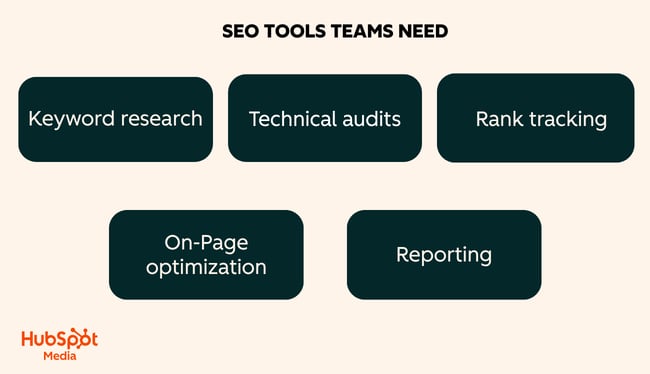
To build an efficient marketing stack, organizations must prioritize five non-negotiable functions. Attempting to manage these without specialized tools often leads to inefficiency and poor data quality.
1. Strategic Keyword Research
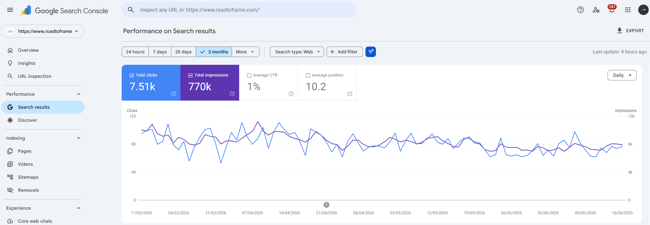
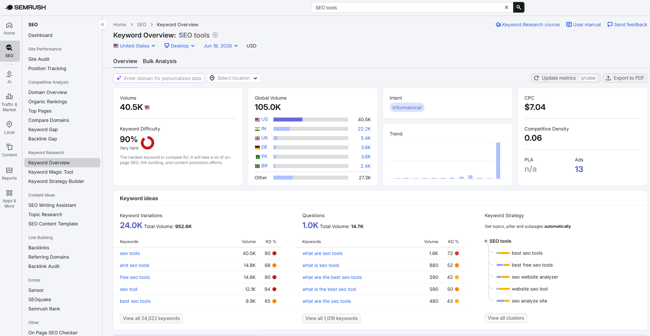
Keyword research is no longer just about volume; it is about intent analysis. Modern tools must help marketers distinguish between users looking to learn, compare, or purchase. Targeting high-volume keywords without aligning with user intent is a recipe for high bounce rates and zero conversions.
2. Technical SEO Audits
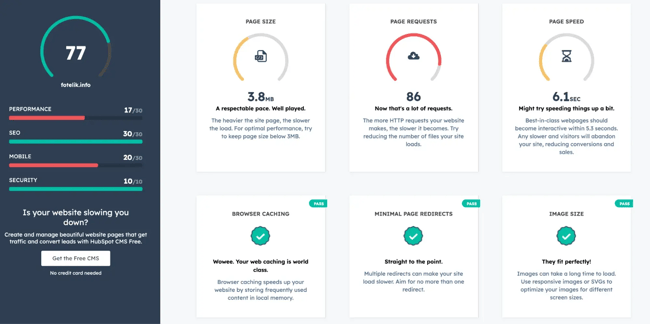
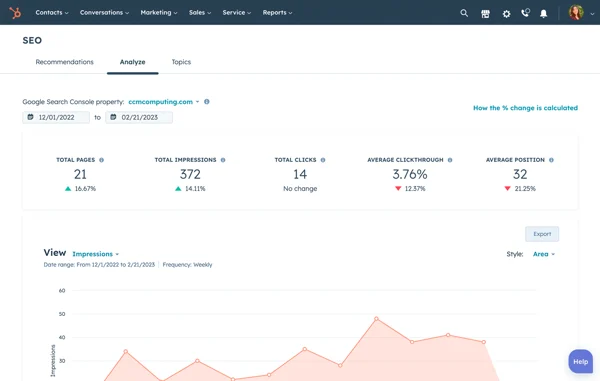
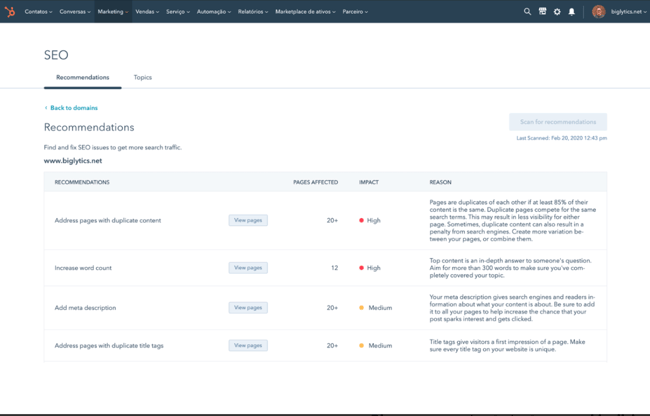
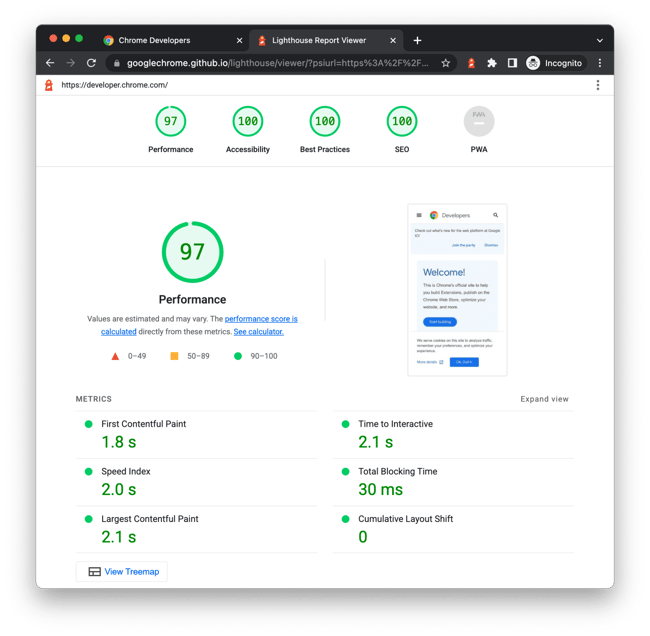
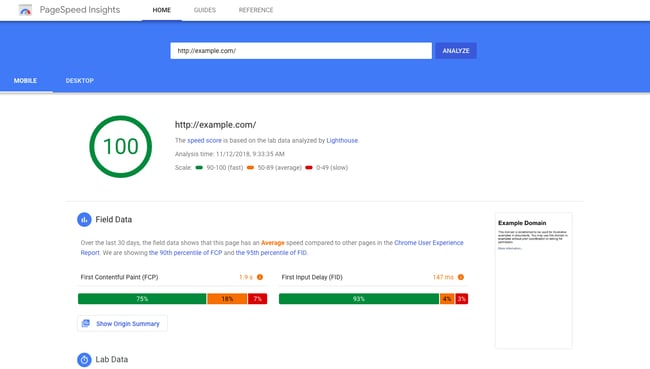
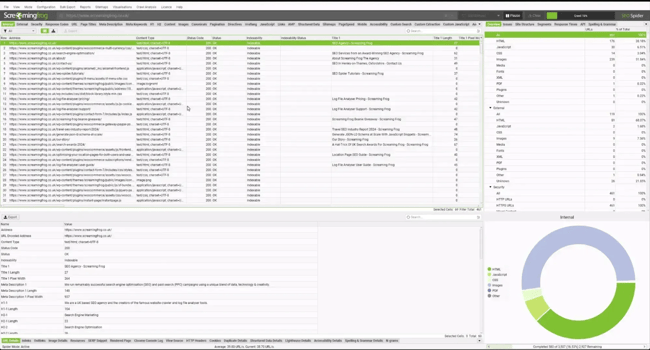
Technical health remains the foundation of all SEO efforts. If a site is not crawlable or indexable, the highest-quality content will never surface. Automated auditing tools are essential for detecting broken links, Core Web Vitals issues, and schema errors that are impossible to identify manually across large domains.
3. Precision Rank Tracking
Rank tracking provides the feedback loop necessary for SEO strategy. Monitoring positions across various locations and devices allows teams to pivot their strategy based on real-world outcomes rather than intuition.
4. On-Page Optimization
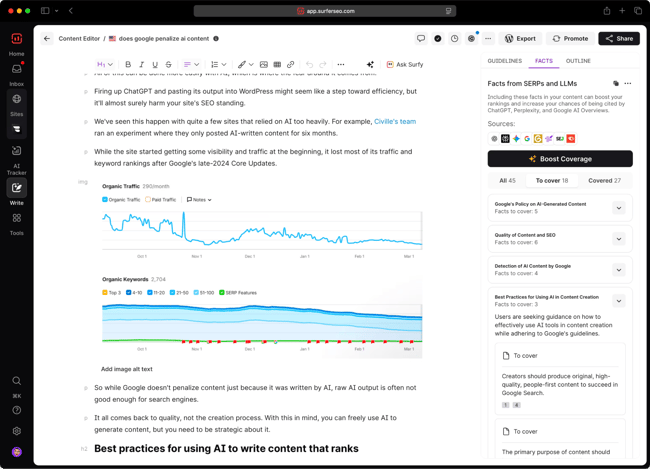
Optimization tools serve as the bridge between raw writing and search-ready content. By scoring drafts against top-performing competitors and suggesting missing semantic elements, these tools ensure that content is not just readable, but relevant to the algorithms determining its rank.
5. Revenue-Focused Reporting
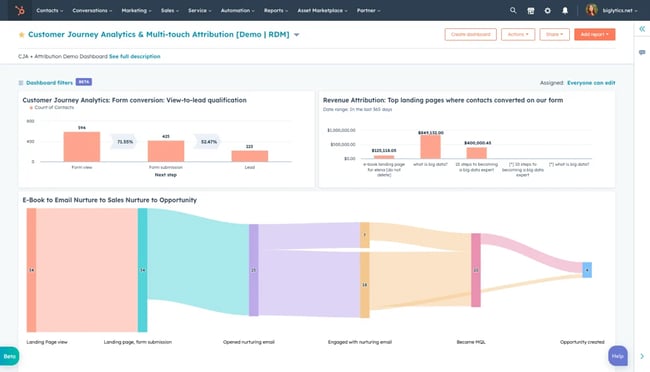
The most vital function of any toolset is the ability to communicate value to stakeholders. Reporting must translate "organic traffic" into "deals influenced" and "closed revenue." Without this connection, SEO often becomes a vulnerable line item during budget reviews.
A Chronology of Strategy: From Audit to Revenue
The path to a successful SEO program follows a clear, logical progression. Understanding this lifecycle helps teams choose tools that grow with them.
- The Diagnostic Phase: Every SEO initiative begins with a comprehensive site health check. Using tools like HubSpot’s Website Grader or Google Lighthouse, teams can establish a baseline. These tools identify immediate bottlenecks in site speed, accessibility, and SEO best practices.
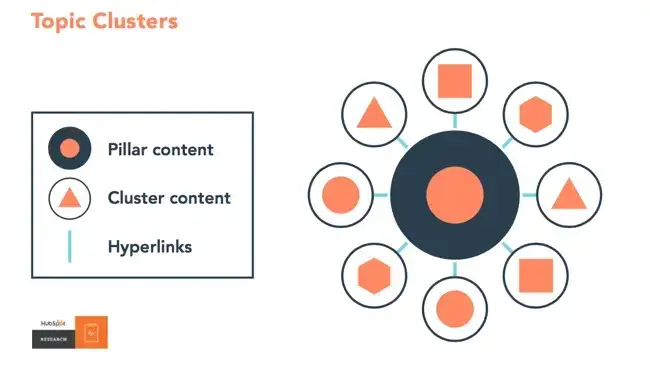
- The Planning Phase: Once the site is technically sound, the focus shifts to topic clustering. By organizing content into "pillar and cluster" models, marketers establish topical authority, signaling to AI engines that their site provides comprehensive expertise.
- The Execution Phase: With a plan in place, content creation begins. Utilizing AI-assisted tools like Content Hub with Breeze or SurferSEO, writers can create optimized content faster without sacrificing human expertise.
- The Monitoring Phase: Post-publication, the focus shifts to rank tracking and AI visibility. Tools like Ahrefs or SerpRobot keep tabs on performance, while HubSpot AEO or AirOps tracks how the brand is being represented in AI-generated answers.
- The Optimization Phase: Finally, reporting provides the data to refine the strategy. By linking CRM data to organic search, marketers can identify which pages are not just attracting visitors, but driving the highest-value leads.
Supporting Data: Why Tool Consolidation Matters
The industry is currently facing a "tool sprawl" crisis. Many organizations pay for separate subscriptions for rank tracking, technical auditing, and content optimization, only to find that these platforms do not communicate with one another.
Data suggests that platforms offering an all-in-one ecosystem—such as HubSpot’s Marketing Hub or Semrush—provide a significant advantage. By keeping content, SEO, and CRM data in a single system, teams eliminate the "data silo" effect. When a marketer can see that a specific blog post led to a closed-won deal, the justification for continued SEO investment becomes indisputable.

Official Industry Perspectives
Leading SEO strategists emphasize that while the tools change, the philosophy remains rooted in authority. According to the HubSpot State of AEO in 2026 report, pages that include outbound links, cited statistics, and verified author input are significantly more likely to be cited by AI engines like Gemini and Perplexity.
"The goal is not to trick the algorithm," notes one industry analyst. "It is to provide the most credible, comprehensive answer to the user’s question. Tools that facilitate this—by managing topic depth and tracking AI citations—are the only ones that will remain relevant as search continues to shift toward AI-driven answers."
Implications for Future-Proofing Your SEO Strategy
As we look toward the future, the implications for SEO teams are clear:
- Human-in-the-loop is non-negotiable: While AI will continue to assist in content creation, the human element—strategy, brand voice, and fact-checking—is the differentiator that prevents AI from producing generic, unhelpful content.
- AEO is the new SEO: Ignoring AI visibility is no longer an option. Brands that do not track their presence in ChatGPT and Perplexity are effectively ceding control of their narrative to third-party algorithms.
- The Death of Vanity Metrics: Moving forward, organizations must prioritize "conversion-ready" metrics. If a tool doesn’t help you understand the relationship between a keyword and a customer, it is likely a cost center, not an asset.
Conclusion: Selecting the Right Stack
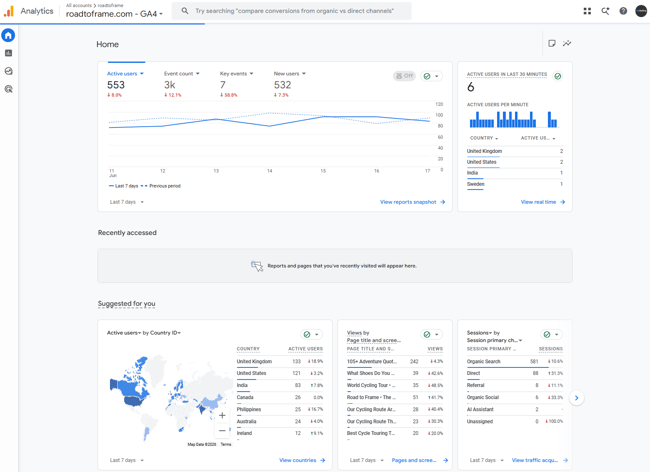
For beginners, the advice is to remain lean. A combination of Google Search Console, Google Analytics 4, and Website Grader provides a robust, free foundation for early-stage growth.
For scaling teams, the focus must shift to integration. As your content library expands, the cost of managing fragmented data increases. Investing in a unified platform—where SEO is treated as a component of the broader customer experience rather than a siloed department—is the most reliable way to ensure that your SEO program remains a primary driver of revenue for years to come.
The rise of AI has not threatened the existence of SEO; it has raised the bar for it. By utilizing the right combination of auditing, research, and tracking tools, marketers can transform this period of uncertainty into a significant competitive advantage. The winners in the next decade of search will be those who use their tools to build deep, authoritative, and data-backed connections with their audience.


 Pevita Pearce
 Reynand Wu
 Ammar Sabilarrohman
 Suro Senen

 Evan Lee Salim

 Ali Ikhwan