
 Nana Wu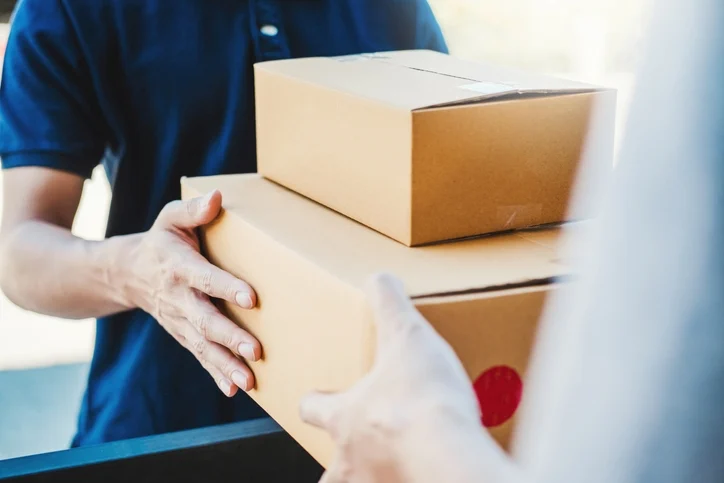
In the vast, interconnected world of e-commerce, the "last mile" of delivery is often the most critical. While millions of packages navigate Europe’s logistics arteries daily, a small but persistent fraction of these shipments encounter a dead end. Whether due to damaged labels, uncollected parcels, or failed return attempts, these "orphan" packages historically faced a grim fate: disposal or bulk liquidation. However, Vinted Go—the logistics arm of the secondhand giant Vinted Group—is pioneering a circular approach to this persistent industry headache. Through its "Rescued Value" program, the company has successfully diverted over 100,000 items from landfills, giving them a second life on its own marketplace.
The Genesis of a Circular Logistics Model
Founded in 2022, Vinted Go was established to streamline the logistics underpinning the Vinted Group’s pan-European secondhand marketplace. As the volume of items traded on Vinted grew, so did the logistical complexity of managing millions of cross-border shipments. While the overwhelming majority of these items reach their intended recipients, the law of large numbers dictates that a small percentage of parcels will inevitably become "undeliverable."
In November 2023, Vinted Go launched a pilot project dubbed "Rescued Value." Unlike traditional logistics firms, which often auction off unclaimed cargo to third-party liquidators, Vinted Go sought to leverage its own platform. By creating a dedicated, centralized account, the company began the process of re-listing, processing, and selling these abandoned items back into the circular economy.
Chronology: A Roadmap to Sustainability
The trajectory of the Rescued Value program reflects a strategic pivot in how logistics companies manage waste.
- 2022: Vinted Go is formally established to optimize the group’s logistics network, focusing on delivery efficiency and cost reduction across Europe.
- Late 2023: Recognizing the volume of unclaimable goods, the leadership team initiates the Rescued Value pilot. The program is designed not just to recoup costs, but to align with the core Vinted mission: promoting the reuse of products.
- 2024: The program expands in scope and geography, refining the operational software required to catalog and re-list items systematically.
- Present Day: The initiative is now active across ten European nations, including France, the Netherlands, Belgium, Italy, Spain, Portugal, Ireland, Germany, Austria, and Luxembourg. The milestone of 100,000 "rescued" packages marks a significant success in demonstrating that this model is scalable.
The Anatomy of an Undeliverable Parcel
To understand the necessity of this program, one must look at the specific hurdles that render a package "undeliverable." Vytautas Atkočiaitis, CEO of Vinted Go, emphasizes that this occurs in a very small fraction of cases, but the logistical footprint of these items remains significant.
"In a very small number of cases, parcels cannot be delivered or returned despite multiple delivery attempts," Atkočiaitis explains. "Reasons for this are uncollected parcels, damaged labels, failed return attempts, or operational issues."
When a package hits this roadblock, the Vinted platform ensures consumer protection. Buyers are granted refunds if their items fail to arrive, and sellers are compensated if the item cannot be returned to them. The "Rescued Value" account acts as the final destination for these items, ensuring that the compensation process does not result in the destruction of perfectly good, secondhand goods.
The Operational Cost of Sustainability
Critics of circular economy initiatives often point to the high overhead associated with reverse logistics. Sorting, verifying, re-labeling, and re-listing individual items is labor-intensive and expensive—far more so than simply disposing of the contents or selling them in bulk to a liquidation firm.
"Giving these items a second life is more complicated and expensive from an operational standpoint than traditional disposal methods," admits Atkočiaitis. The revenue generated through the Rescued Value account is not intended to be a primary profit center, but rather a mechanism to offset the high costs of the manual processing required to keep these items in circulation. By internalizing this cost, Vinted Go is essentially proving that sustainability in logistics is achievable, provided the infrastructure is built to support the added complexity.
Supporting Data and Scaling Potential
The scale of the program is telling. By achieving 100,000 processed items, Vinted Go has created a dataset that informs its future logistics strategy. The program is currently live in ten European countries, providing a wide enough net to capture a diverse array of secondhand goods—from apparel to accessories.
Beyond mere resale, the initiative is serving as an R&D incubator for new software. The tools developed to catalog and re-list these packages are now being adapted for a broader purpose: helping charities. "Thanks in part to the software for the Rescued Value program, Vinted Go can now also develop new tools that enable charities to sell donated items on a large scale through Vinted," Atkočiaitis notes. This signals a future where Vinted Go’s logistics network becomes a gateway for charitable organizations to access the digital secondhand economy, further amplifying the positive impact of the program.
Implications for the Logistics Industry
The Rescued Value program challenges the "take-make-dispose" paradigm that has dominated global logistics for decades. For years, the standard operating procedure for lost or undelivered mail has been incineration or landfilling. By proving that a reverse-logistics model can be integrated into a consumer-facing marketplace, Vinted Go is setting a new benchmark.
1. Shift in Industry Standards
If major carriers adopt even a fraction of the Rescued Value model, millions of tons of waste could be diverted from landfills annually. This necessitates a shift in how warehouses are configured, moving away from simple "disposal docks" to "re-entry stations."
2. Digital Transparency
The use of a dedicated marketplace account provides transparency. Instead of disappearing into the "black box" of bulk liquidators, these items are returned to the community that valued them in the first place.
3. The Role of Technology
The reliance on software to manage this flow underscores the fact that modern logistics is as much about data as it is about transport. The ability to automatically identify, categorize, and re-list items is the key enabler for this program.
The "Human" Element: A Priority on Delivery
Despite the success of the Rescued Value program, Vinted Go is careful to frame this as an edge-case solution, not a primary business model. The company maintains that its core objective remains the successful delivery of packages to their original owners.
"Our priority will always be to successfully deliver packages to recipients or return them to sellers," says Atkočiaitis. "This initiative affects only a very small portion of our total package volume."
The program is a safety net, a way to handle the inevitable failures of global logistics with a focus on environmental responsibility. It serves as a reminder that even in a world of high-speed automation, the "human" touch—the effort to ensure an item finds a home—remains a powerful differentiator.
Conclusion: A Blueprint for the Future
The success of the Rescued Value program in ten European countries offers a compelling blueprint for the future of e-commerce logistics. As the secondhand market continues to expand, the infrastructure that supports it must evolve. Vinted Go’s willingness to absorb higher operational costs to achieve a more sustainable outcome is a bold statement.
As the program continues to grow, it will likely influence how other logistics providers approach the issue of undeliverable goods. Whether through the direct resale of abandoned items or the empowerment of charitable organizations, Vinted Go has successfully demonstrated that even the most "lost" packages can find their way back into the cycle of value. In an era where consumers and regulators alike are demanding greater corporate accountability, the Rescued Value program is a shining example of how logistics can move beyond delivery to become a force for circularity.

 Ammar Sabilarrohman

 Lina Irawan

 Suro Senen
 Jia Lissa