
 Lina Irawan
The social media landscape has undergone a period of seismic transformation between early 2025 and mid-2026. Driven by advancements in artificial intelligence, a renewed focus on creator monetization, and shifting user behaviors, the platforms we navigate daily have changed fundamentally. From the rise of AI-generated video feeds to the formalization of agency certifications and the complex regulatory pressures facing global giants, this report details the pivotal shifts defining the modern digital era.
1. The AI Revolution: Content Creation and Control
The most significant trend over the past 18 months has been the integration of generative AI. Platforms have moved beyond simple chatbots to full-scale creative suites.
The Rise of AI-Driven Feeds
Meta’s introduction of "Vibes" within the Meta AI app represents a new frontier: a feed comprised entirely of AI-generated video. As Mark Zuckerberg demonstrated with surreal, AI-rendered clips, the platform is betting on the idea that users want to consume machine-generated entertainment alongside human-created content. Similarly, OpenAI’s Sora app made a meteoric rise in 2025, reaching the top of the App Store charts almost instantly, proving that consumers are hungry for generative video tools.

Transparency and User Agency
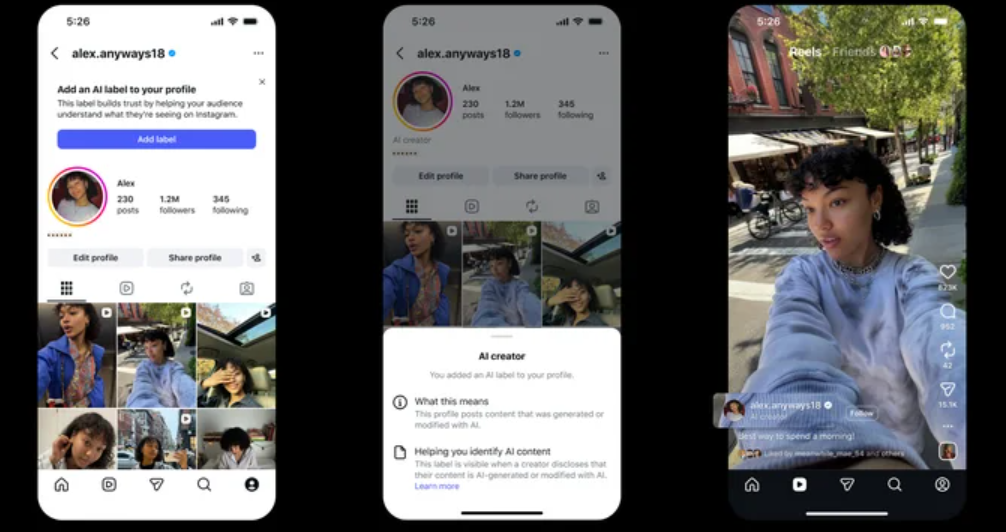
As AI content floods the feeds, platforms have been forced to implement guardrails. Pinterest, for instance, introduced filters allowing users to limit the amount of GenAI visuals they encounter. TikTok has taken a proactive stance by testing invisible watermarking for content created with its "AI Editor Pro" and offering users an "AIGC slider" to control their For You Page experience. These moves reflect a broader industry push toward "algorithmic agency"—the concept that users should have the final say on what the machine serves them.
2. Chronology of Key Platform Updates
The following timeline highlights the rapid-fire releases that have defined the last year and a half of social media development:
- January 2025: Instagram debuts "Trial Reels," allowing creators to test content on non-followers before committing to a public release.
- February 2025: Meta announces "Edits," a specialized short-form video app, and Threads introduces a highly requested post-scheduling tool.
- March 2025: Facebook launches a dedicated "Friends" tab, removing algorithmic recommendations to refocus on personal connections.
- April 2025: Instagram experiments with password-protected Reels, adding a layer of exclusivity to creator content.
- June 2025: Facebook begins rebranding all video content under the "Reels" umbrella, forcing a unified vertical format.
- August 2025: Instagram finally introduces a native "Repost" feature, years after third-party apps filled the void.
- October 2025: Threads debuts "Ghost Posts"—temporary updates that vanish after 24 hours.
- November 2025: YouTube shares details on its "Likeness Detection" tool to protect creators from deepfakes.
- February 2026: X offers a $1 million prize to encourage high-quality long-form journalism on the platform.
- April 2026: LinkedIn launches the Ads Agency Certification to professionalize the B2B marketing space.
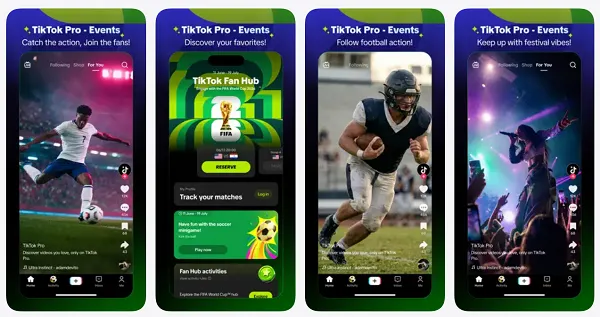
- June 2026: TikTok launches "TikTok Pro Events," a standalone app centered on live event engagement and rewards.
3. Monetization and Professionalization
Social media is no longer just a hobby; it is a professional ecosystem. Platforms have increasingly focused on rewarding the creator economy and validating B2B marketing efforts.
The Professionalization of Influencer Marketing
LinkedIn’s introduction of the Ads Agency Certification is a watershed moment for the platform. By creating a standardized badge of expertise, LinkedIn is helping businesses distinguish between amateur operators and seasoned professionals. This mirrors the trend seen on TikTok, where the Creator Marketplace was replaced by TikTok One—a more robust platform that integrates trend research, AI analytics, and brand-creator matchmaking.
Direct Monetization Models
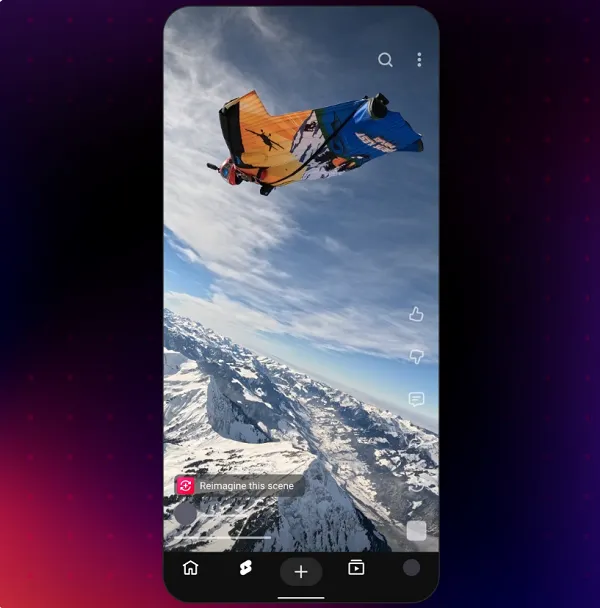
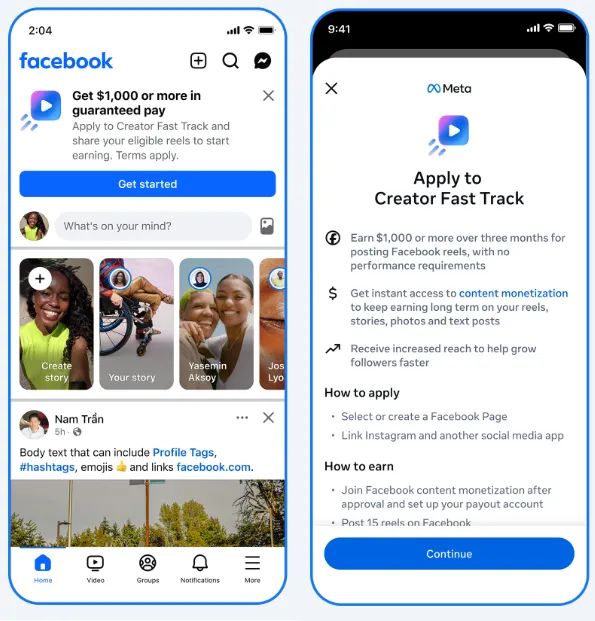
Meta’s decision to allow monetization on Facebook Stories is a calculated effort to keep creators active across their entire ecosystem. By stacking earnings—where a creator can monetize a Reel, then share it to Stories to generate further revenue—Meta is incentivizing cross-format posting. Meanwhile, TikTok’s "Creator Fast Track" program, which offers guaranteed monthly payments for posting 15 Reels to Facebook, shows just how aggressive the competition for creator retention has become.
4. Official Responses and Industry Sentiment
Platform leaders have been vocal about the necessity of these changes. Adam Mosseri of Instagram has consistently emphasized that changes like the transition to vertical thumbnails and the introduction of "Trial Reels" are responses to user data. "The internet is broken," says Jonah Peretti of BuzzFeed, explaining the company’s decision to experiment with a new platform, Island. Peretti’s sentiment captures the growing fatigue with algorithm-driven content, suggesting that the industry may be reaching a "peak-algorithm" moment where users are craving more intentional, human-centric discovery.
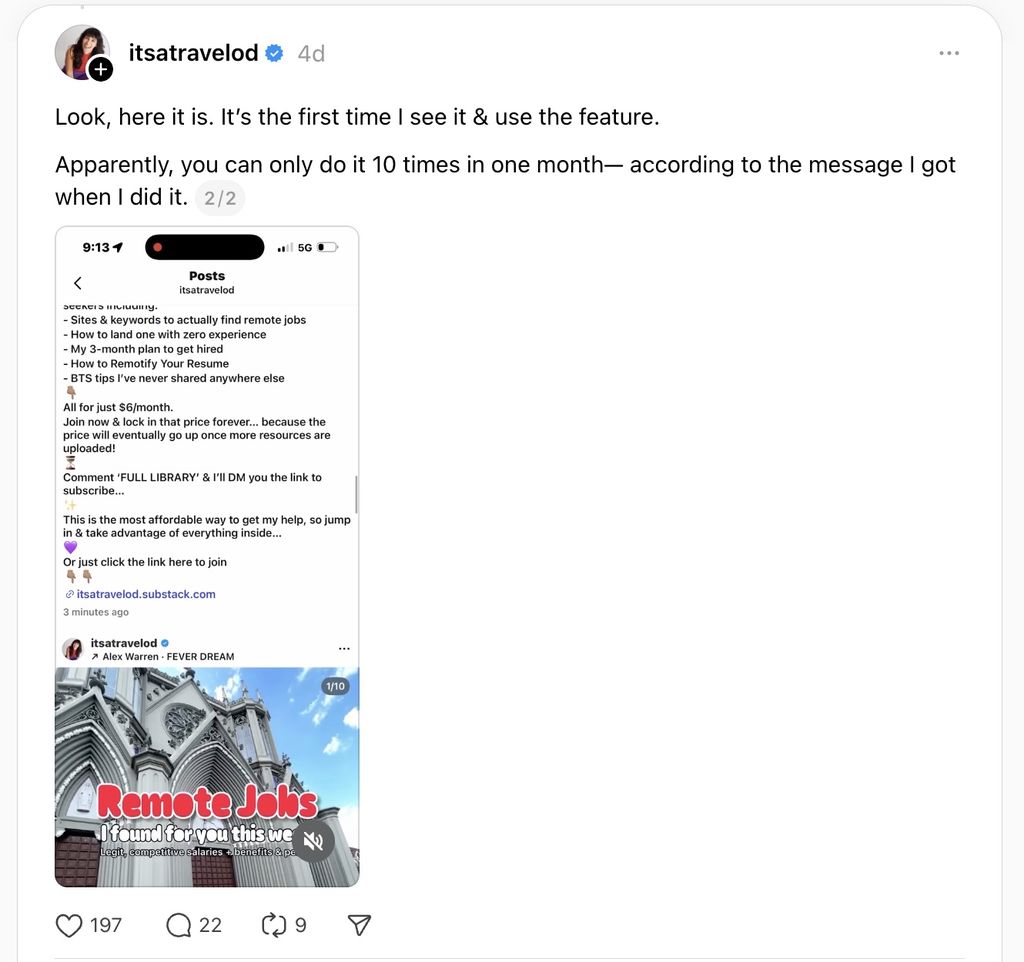
Conversely, the regulatory environment remains tense. The ongoing threat of a U.S. ban on TikTok has led to significant lobbying efforts, with the company warning that such a move could cost the U.S. economy $1.3 billion in creator revenue within just 30 days.
5. Implications for the Future
As we move into the second half of 2026, the trajectory of social media is clear:
- The End of the "One-Size-Fits-All" Feed: With TikTok’s "Nearby Feed" and Facebook’s "Friends" tab, platforms are acknowledging that a single, monolithic algorithm is insufficient. We are moving toward a fragmented experience where users toggle between "Discovery," "Friends," and "Professional" modes.
- Convergence of Formats: Facebook’s move to label all video as "Reels" proves that the vertical, short-form video format has officially won the battle for human attention. Long-form content is now being forced into this structure, with significant implications for video production standards.
- The Rise of Verification: As AI makes it easier to create deepfakes and bot-driven discourse, platforms are doubling down on identity. Features like X’s "About This Account" panel and YouTube’s likeness detection tools are becoming standard operating procedures to maintain trust.
Conclusion
The social media landscape is transitioning from a wild, unregulated frontier into a mature, utility-driven utility. For creators and businesses, the mandate is clear: adopt AI-assisted tools, prioritize long-form engagement where possible, and stay nimble as the platforms continue to bridge the gap between human connection and machine-learning efficiency. The next twelve months will likely test whether these platforms can successfully balance the drive for profit with the growing demand for a more authentic and user-controlled digital environment.

 Reynand Wu
 Iffa Jayyana
 Raul Delapena Setiawan

 Sagoh
Sagoh

 Azzam Bilal Chamdy
 Ali Ikhwan