
 Raul Delapena Setiawan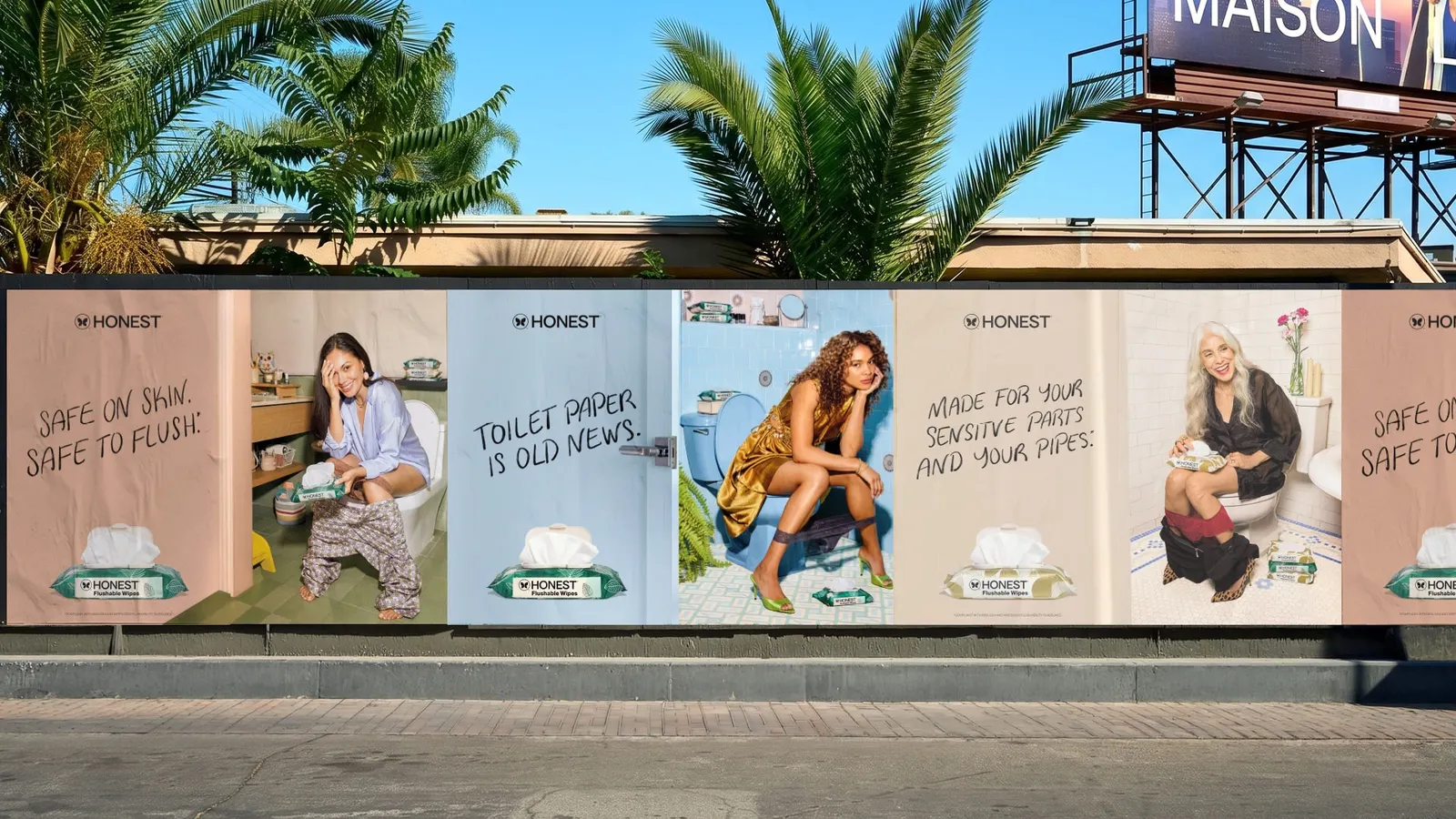
For decades, the personal care industry operated under a stifling, unspoken rule: maintain an air of clinical, sanitized perfection. While brands targeting women gradually began to dismantle the stigma surrounding menstruation and body hair, the "bathroom experience" remained the final, awkward frontier—a space shrouded in euphemism and silence.
However, a significant shift is underway. The Honest Company, the consumer goods brand co-founded by Jessica Alba, has launched a bold, unapologetic campaign titled "It’s Time to Get Honest." The initiative, designed to bolster its flushable wipe category, marks a definitive move to normalize the biological realities of the female bathroom experience. By trading polite ambiguity for frank, "no-nonsense" messaging, the brand is attempting to capture a massive, underserved demographic: women who are tired of pretending that their bodily functions don’t exist.
The Strategy: Mainstreaming the "Down There" Conversation
The Honest Company’s latest campaign is not merely a product push; it is a cultural intervention. With the brand expanding its physical retail footprint nationwide, the marketing team identified a "white space" in the flushable wipes category. Historically, this sector has been dominated by male-centric branding—most notably the "Dude Wipes" phenomenon, which utilized "poop humor" to make the concept of wipes palatable to a masculine audience.
The Honest Company, however, is taking a different path. Rather than relying on juvenile humor, the brand is aiming for a tone that is frank, intimate, and deeply relatable. The goal is to migrate habitual toilet paper users—who may have previously viewed wipes as a niche or unnecessary product—into a new category of daily hygiene.
"Honest Flushable Wipes were growing fast and expanding into new retail doors, giving us a genuine chance to mainstream the flushable wipes category for women in particular," said Brenna Israel Mast, senior vice president of integrated marketing communications at The Honest Company. "More than ever before, women are openly talking about their bodies and their everyday experiences and are looking to brands that reflect this."
Chronology of a Campaign: From Concept to "The Toilet Paper"
The campaign, developed in collaboration with the creative agency Zambezi, is a multi-layered, omni-channel effort. The rollout began with a high-impact 30-second hero spot that immediately signals a departure from traditional advertising tropes.
Phase 1: The Hero Spot
The commercial features a fast-paced montage of women in the bathroom, presented with a breezy, candid aesthetic. Eschewing the clinical white-coat vibe of legacy hygiene brands, the spot uses a series of clever visual double entendres—a meowing kitten, a prairie dog, a glass of red wine, and a tumbleweed—to hint at the realities of the "down there" experience. The voiceover is direct: "Ladies, it’s time to get honest down there." As the ad progresses, the screen is populated with bold text overlays: "Poop!", "Periods!", and "Discharge is normal."
Phase 2: The Print Disruption
Perhaps the most creative element of the campaign is the launch of The Toilet Paper, a 16-page physical broadsheet newspaper. With the cheeky tagline, "the only toilet paper you should be using is the one you’re reading," the paper functions as both a brand manifesto and a piece of lifestyle journalism. Distributed at select locations of the beauty chain Sugared + Bronzed, the publication features columns like "Real Trauma Dumps," "The Panty Horoscope," and "Ranking Cinema’s Most (and Least) Relatable Bathroom Breaks."
Phase 3: The Influencer Ecosystem
Recognizing that modern consumers trust peer-to-peer recommendations over traditional corporate messaging, The Honest Company partnered with a diverse roster of influencers, including Hannah Berner, Kat Stickler, Tia Mowry, Whitney Leavitt, and Karla Burton. By treating these influencers as their own media channels, the brand effectively integrated the product into the daily, authentic content streams that their audience already consumes.
Supporting Data: Why "Honest" is Good for Business
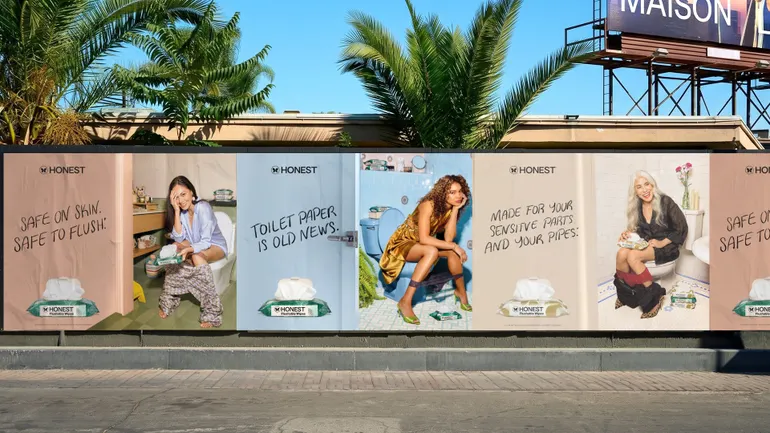
The pivot toward radical transparency is not a gamble; it is backed by data. The Honest Company commissioned a survey by Talker Research to understand the current landscape of bathroom discourse. The results were telling: 42% of women report discussing what happens in the bathroom on a weekly basis.
When broken down, the subjects of these conversations are surprisingly granular:
- Menstrual symptoms: 59% of women discuss these regularly.
- Love life struggles: 50% of women incorporate these into their bathroom-adjacent conversations.
- Family drama: 49% of women use the bathroom as a space for venting about home life.
These statistics confirm what Jean Freeman, principal and CEO at Zambezi, has long argued: the "modesty" barrier is an artificial construct imposed by antiquated marketing standards. "Femininity is wrapped up in modesty to a degree, and culture assumes it’s not ladylike to actually talk about bathroom habits," Freeman noted. "When you confront the most embarrassing topics out loud, you shatter the taboo around them."
Official Perspectives: The Philosophy of Authenticity
The collaboration between The Honest Company and Zambezi was centered on finding a middle ground between "frank" and "crass." According to Freeman, the creative process involved rigorous internal vetting to ensure that the messaging felt like a "handwritten note from a friend to a friend."
"Have you ever seen the word ‘discharge’ in an ad before?" Freeman asked rhetorically. "We were trying to have honest conversations that haven’t really been out there yet."
The brand’s leadership emphasizes that this approach is intended to build long-term trust. By acknowledging the "messy" parts of life, The Honest Company positions itself not as an aspirational, distant entity, but as a practical partner in a woman’s daily routine. The strategy is to remove the shame from the bathroom, thereby transforming a routine hygiene purchase into an act of self-care.
Industry Implications: The Future of Personal Care
The "It’s Time to Get Honest" campaign serves as a bellwether for the future of the personal care industry. As consumer behavior shifts, the brands that win will be those that successfully bridge the gap between biological necessity and brand identity.
1. The Death of the "Male Gaze"
For decades, feminine hygiene advertising was heavily influenced by the "male gaze"—portraying women’s bodily functions as either non-existent or a source of profound embarrassment. By directly addressing topics like discharge and bowel movements, The Honest Company is effectively reclaiming the narrative, centering the consumer’s actual experience rather than a sanitized, performative version of it.
2. Influencers as Core Media
The campaign underscores the ongoing transition of influencer marketing from a "nice-to-have" add-on to a "core media channel." As IAB research has previously suggested, the ability of influencers to act as conduits for authentic, niche conversations is now arguably more powerful than traditional broadcast television for reaching younger, highly-engaged demographics.
3. The "Retail-tainment" Shift
The use of The Toilet Paper as a physical touchpoint demonstrates a sophisticated understanding of modern retail. In an increasingly digital world, a high-quality physical publication provides a tactile, "collectible" aspect that creates a stronger emotional bond with the brand. It turns a boring trip to the store into a cultural moment.
Conclusion
The Honest Company is attempting to do what few brands have successfully managed: turn the most mundane, stigmatized part of the human experience into a platform for community and conversation. By moving past the era of blue-liquid commercials and whispered euphemisms, the company is tapping into a profound consumer desire for authenticity.
Whether "It’s Time to Get Honest" will permanently change the way we talk about bathroom hygiene remains to be seen. However, by validating the daily realities of millions of women, the campaign has successfully set a new benchmark for the category. The message is clear: the era of shame is over, and the era of "honesty"—in every sense of the word—is just beginning.


 Reynand Wu
 Iffa Jayyana


 Sagoh
Sagoh

 Azzam Bilal Chamdy
 Ali Ikhwan