
 Basiran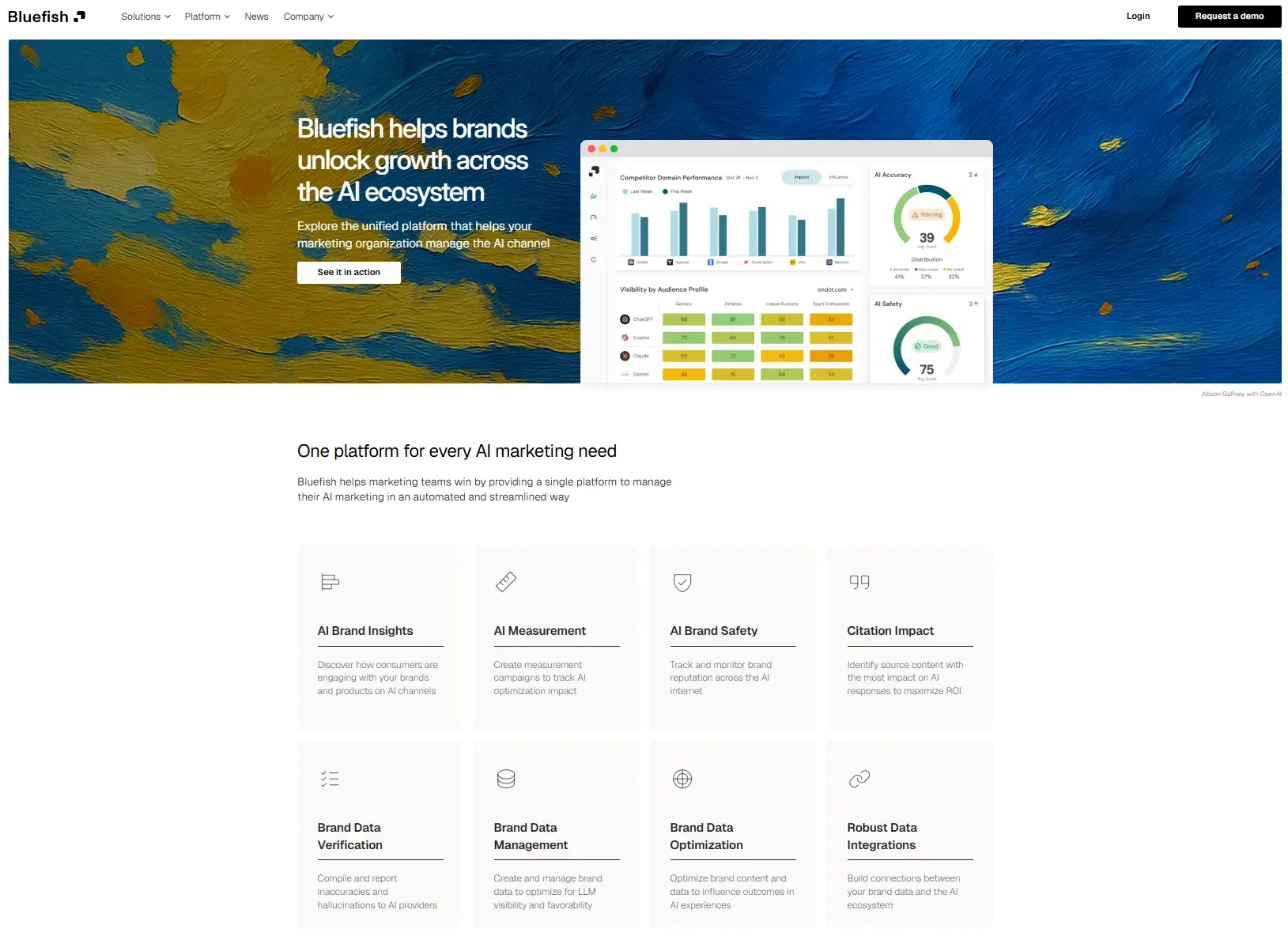
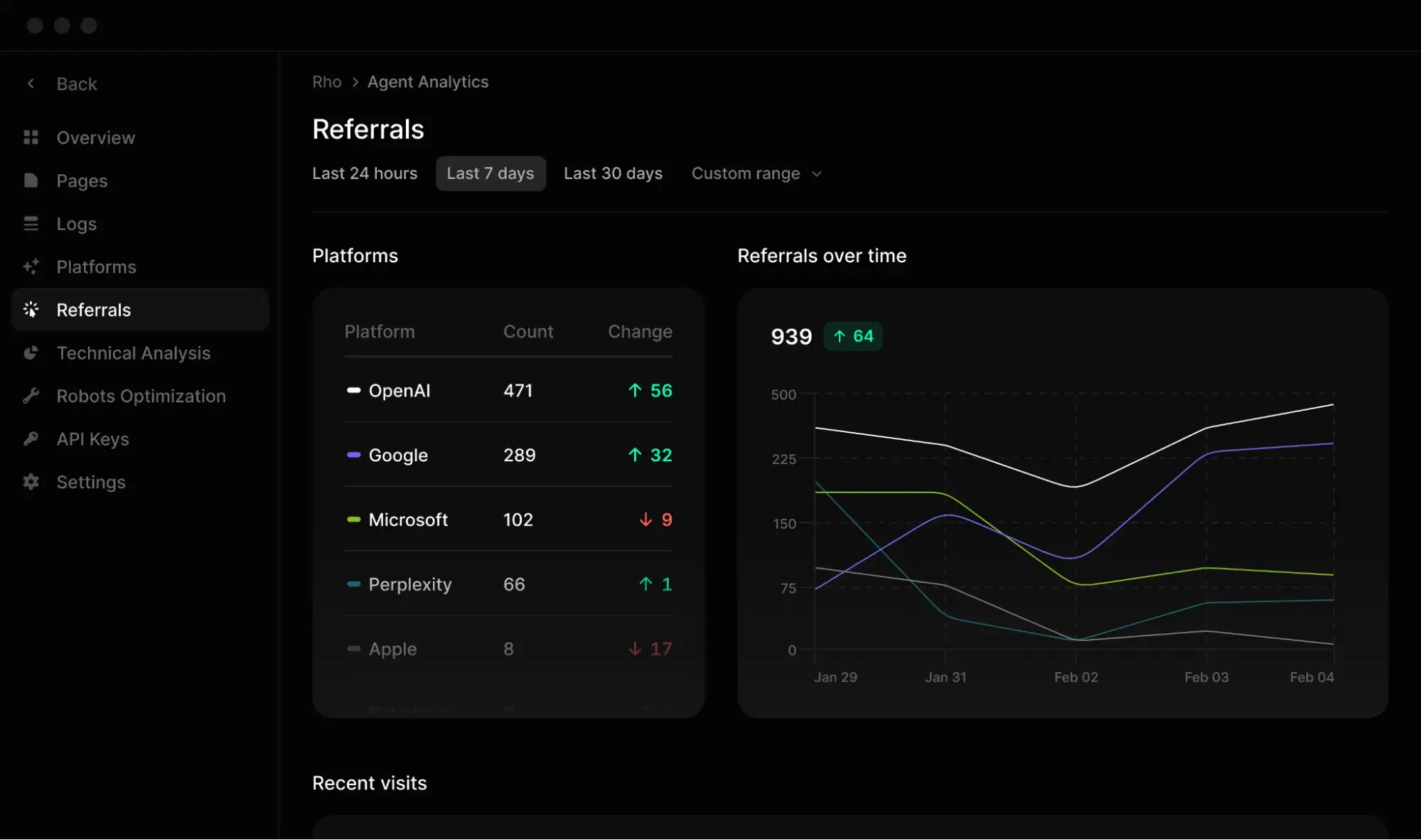
The digital landscape is undergoing its most significant shift since the advent of the search engine. As generative AI becomes the primary interface for consumer discovery, the traditional “ten blue links” model of SEO is rapidly evolving into Answer Engine Optimization (AEO). According to McKinsey, 50% of consumers now rely on AI-powered answer engines to navigate the internet, with over 70% using these tools to gather information and make critical purchase decisions.
For brands, this shift represents a "new front door" to the internet. If a brand remains invisible to AI models, it is effectively missing out on the most influential stage of the modern customer journey. As marketers race to claim their stake in this new ecosystem, they are turning to specialized AEO platforms—most notably Profound and Bluefish AI—to monitor, measure, and improve their presence in AI-generated responses.
The Rise of AEO: Why Visibility Matters
The transition from search to "answer" engines is not merely a change in interface; it is a fundamental change in how influence is distributed. In the past, SEO was a game of keywords and backlinks. Today, AEO is a game of citation, authority, and factual representation.
When a user asks an AI tool about a specific product, service, or industry, the model synthesizes information from across the web. Whether a brand is cited as a trusted source or omitted entirely can be the difference between market leadership and obscurity. Because this discovery happens before a user ever reaches a company’s website, tracking “traffic” is no longer sufficient. Marketers now require granular visibility into how their brand is being represented, cited, and positioned within AI dialogues.

The Contenders: Profound and Bluefish AI
To navigate this complexity, marketing teams are evaluating two leading platforms: Profound and Bluefish AI. While both aim to solve the problem of AI visibility, their underlying philosophies differ significantly.
What is Profound?
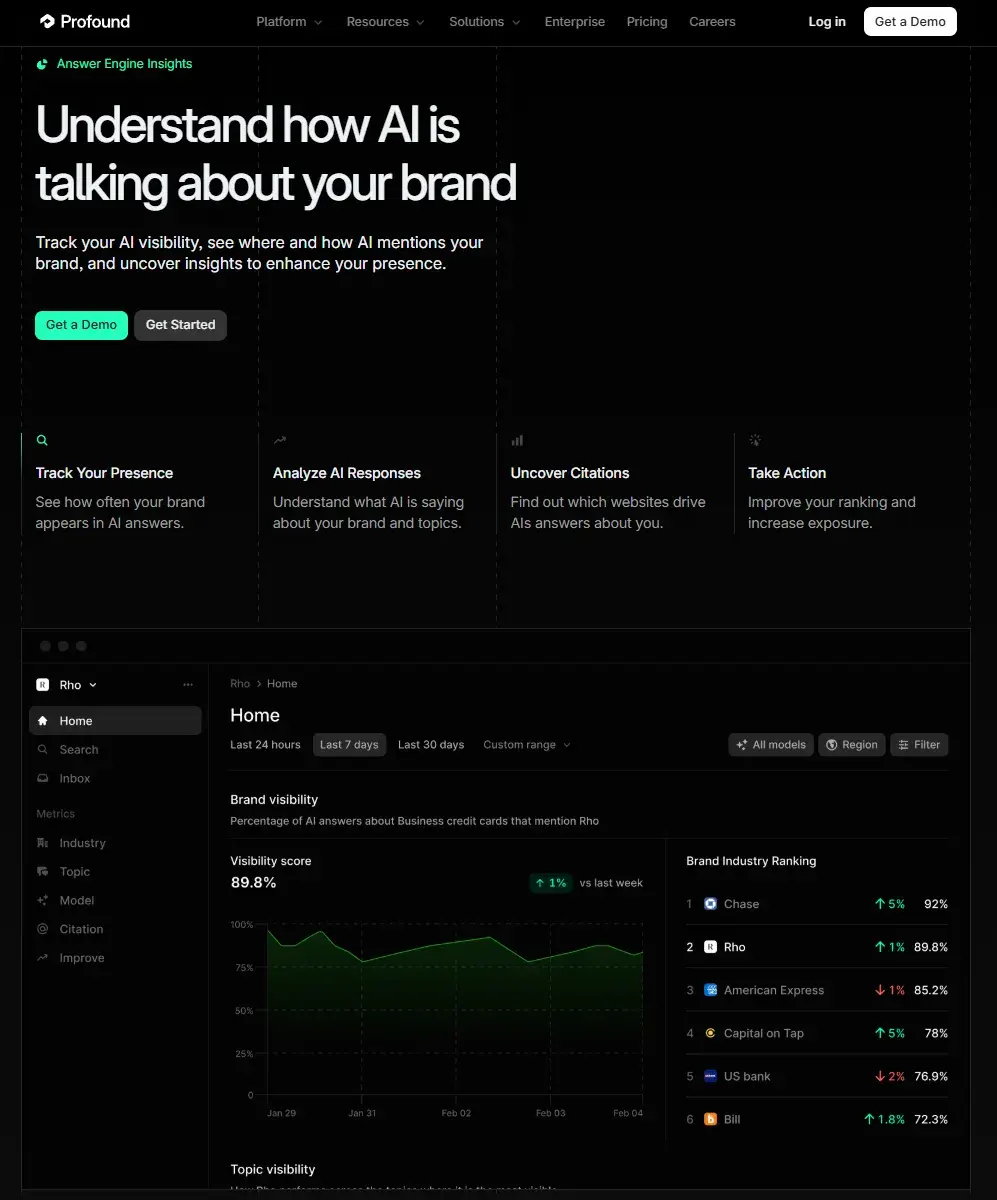
Profound is an enterprise-grade platform designed for proactive growth. It acts as an analytical engine for marketers who want to dominate the "answer" space. By focusing on citation analysis and prompt-level tracking, Profound allows brands to see exactly where they appear in AI responses and, more importantly, how to influence those results. It is built for teams that treat AEO as a core revenue driver, offering deep integrations with the marketing stack to ensure that AI visibility correlates with measurable business outcomes.
What is Bluefish AI?
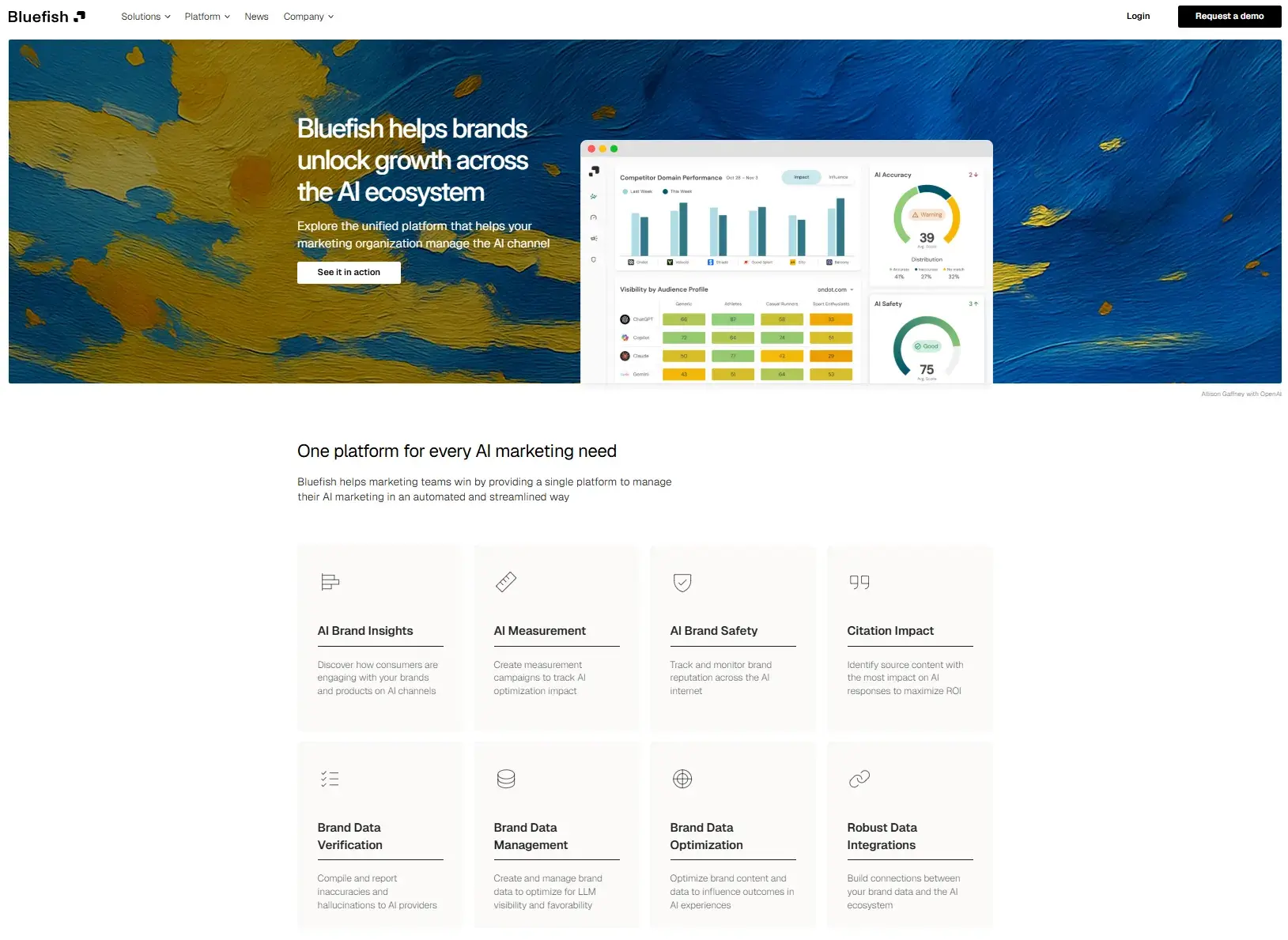
Bluefish AI approaches the market with a "risk-first" mentality. It is a brand safety and governance platform designed for high-stakes industries—such as healthcare, finance, and law—where a single inaccurate or hallucinated AI response could lead to severe reputational damage. Bluefish focuses on monitoring for misrepresentations and harmful associations, providing the oversight that legal and compliance teams demand in an era of unpredictable AI models.
Chronology of the AEO Shift
To understand why these platforms are now essential, one must look at the rapid evolution of the search industry:
- 2022: The launch of ChatGPT signals the end of passive searching.
- 2023: Google announces Search Generative Experience (SGE), forcing marketers to confront the reality that AI answers are cannibalizing organic click-through rates.
- 2024: The "Great Migration" begins as consumers shift from traditional search engines to multi-modal AI assistants like Perplexity, Gemini, and ChatGPT Search.
- 2025-Present: The rise of dedicated AEO platforms. As the market matures, tools like Profound and Bluefish move from experimental status to essential enterprise infrastructure.
Comparative Analysis: Four Key Pillars
To decide which tool aligns with a specific organization’s strategy, it is necessary to compare them across four critical dimensions.
1. Platform Coverage and Reach
The fragmented nature of AI means that brands must be present everywhere.
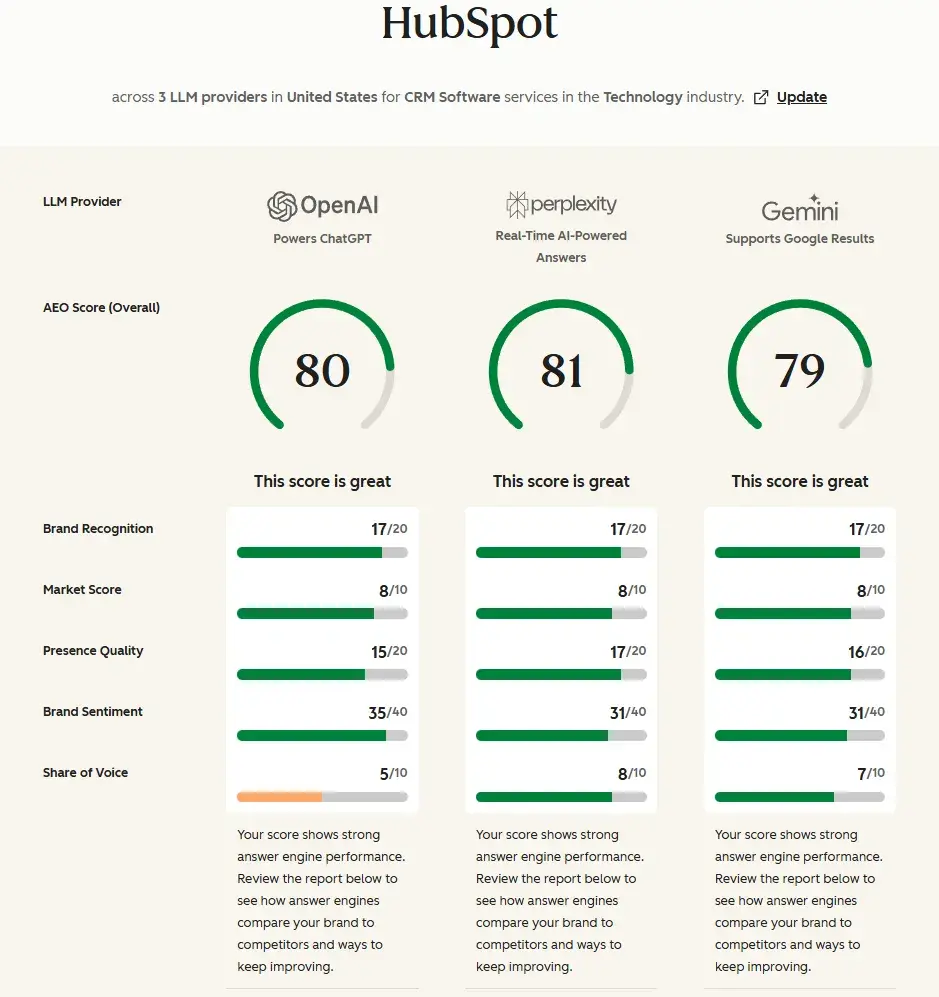
- Profound offers a "visibility-first" approach, supporting an extensive list of models including Google AI Overviews, Perplexity, Claude, Gemini, and even emerging engines like DeepSeek. Its strength lies in its breadth, enabling teams to perform multi-engine AEO strategies.
- Bluefish AI prioritizes depth over breadth. It focuses on the most high-traffic environments where brand risk is greatest. Rather than trying to track every experimental chatbot, it focuses on the ecosystems where reputation management is a commercial necessity.
2. Reporting and Competitive Intelligence
How do these tools translate data into action?
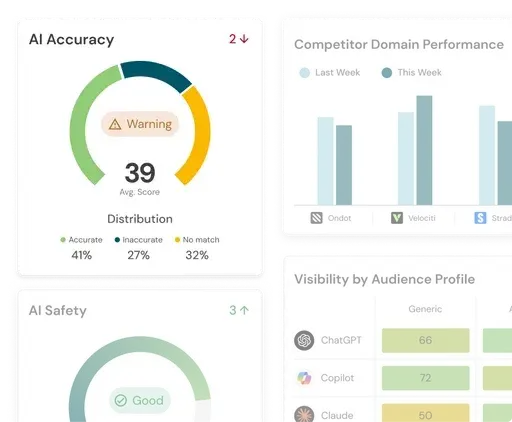
- Bluefish AI excels in "signal clarity." Its reporting is designed to flag crises before they escalate. If your brand is mentioned alongside a competitor’s harmful product or is inaccurately described in a financial context, Bluefish provides the alerts necessary to rectify the narrative.
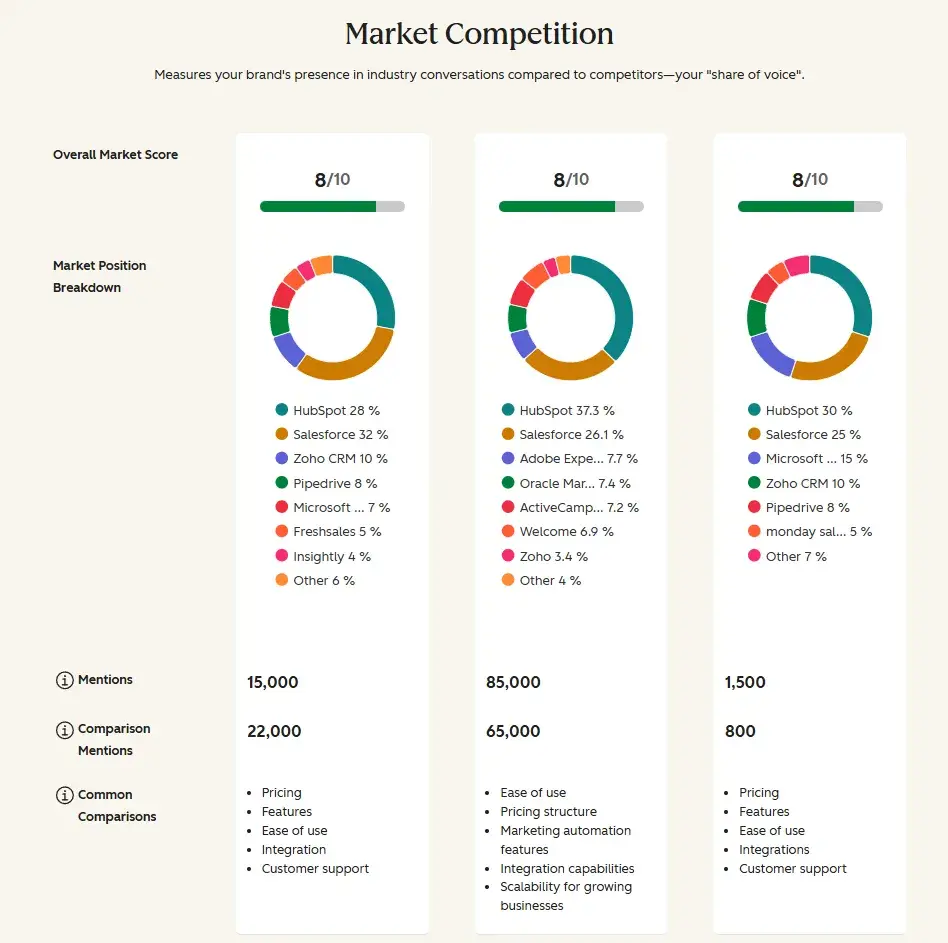
- Profound excels in "growth intelligence." It provides deeper analytical data on citation order and share-of-voice. For a brand looking to outperform competitors in AI search, Profound’s ability to analyze prompt-level variations provides a distinct strategic advantage in content creation.
3. Workflow Integration
AEO cannot function in a silo.
- Profound wins in connectivity. Its robust API and integrations with CMS and marketing analytics tools allow teams to weave AEO data into their daily workflows. It treats AI visibility as just another marketing channel that can be optimized, tracked, and scaled.
- Bluefish AI emphasizes governance workflows. It is built to integrate with internal compliance systems, ensuring that AI-related risks are routed to the appropriate stakeholders, such as legal or PR teams, rather than just the marketing department.
4. Pricing and Scalability
Pricing transparency is a major point of divergence.
- Profound offers a structured, tiered pricing model (starting at approximately $82.50/month for starters, scaling up to enterprise-level solutions). This allows growth-oriented teams to start small and scale their AEO efforts.
- Bluefish AI operates on a more opaque, consultative sales model. Because its implementations are often tied to risk management and compliance, it requires a bespoke approach, which can be an impediment for smaller, more agile teams.
Implications for Modern Marketers
The choice between Profound and Bluefish AI reflects a broader strategic decision: Is your organization optimizing for growth or for governance?
If your primary goal is to capture market share, increase brand awareness, and drive traffic via AI citations, Profound offers the tools for aggressive optimization. It empowers marketers to "play the game" and move the needle on search visibility.
Conversely, if your organization operates in a highly regulated industry where the cost of a mistake is measured in lawsuits or public loss of trust, Bluefish AI is the superior choice. Its focus on brand safety and risk mitigation ensures that you remain in control of the AI narrative, even when you cannot control the model itself.
A Practical First Step: Benchmarking with HubSpot
Before committing to an enterprise platform, many marketers find it difficult to justify the spend without a baseline. This is where the HubSpot AEO Grader provides significant value. By offering a free, immediate snapshot of how a brand is currently represented across major answer engines, the tool allows teams to:
- Identify immediate gaps in their AI visibility.
- Compare their "Market Competition" score against industry peers.
- Receive actionable, step-by-step recommendations for content improvements.
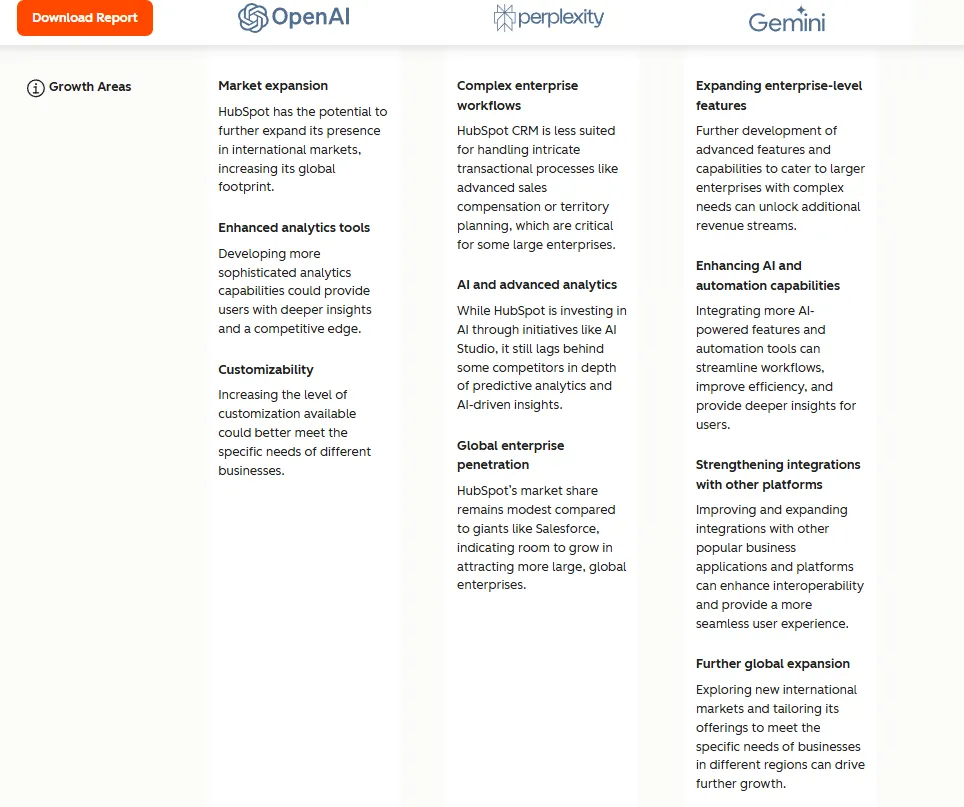
Using the AEO Grader acts as a "pre-flight check." If the report reveals that your brand is completely absent from AI citations, you likely need the growth-oriented features of Profound. If the report reveals that you are being cited but in contexts that are inaccurate or problematic, you may need the protective oversight of Bluefish AI.
Conclusion: The Path Forward
The era of "set it and forget it" SEO is over. The rise of AI-powered search requires a new breed of marketer—one who is comfortable with ambiguity, data-driven in their approach, and highly strategic about how their brand is portrayed in the machine-learning age.
Whether you choose the growth-hacking power of Profound or the defensive, governance-heavy architecture of Bluefish AI, the core requirement remains the same: you must be intentional about your AI visibility. As you evaluate these platforms, remember that the goal is not just to be seen, but to be accurately and authoritatively represented in the conversations that define the future of your industry. Start by auditing your current visibility, identify your strategic intent, and choose the partner that best empowers your team to navigate this new, intelligent frontier.


 Reynand Wu
 Iffa Jayyana
 Raul Delapena Setiawan

 Sagoh
Sagoh

 Azzam Bilal Chamdy
 Ali Ikhwan