
 Lina Irawan
The digital frontier for business-to-business (B2B) marketing is undergoing a seismic shift. As we transition into 2025, the once-rigid divide between professional corporate communication and consumer-facing content is effectively dissolving. Driven by the findings of the Netline B2B Content Consumption Report and insights from industry experts, it is clear that the brands destined to win in the coming year are those that pivot toward radical authenticity, strategic AI adoption, and human-centric storytelling.
This report outlines the essential pillars for the 2025 B2B marketing playbook, detailing how companies can transform their social media presence from a static broadcasting tool into a dynamic engine for lead generation and brand authority.
The Core Transformation: From Corporate to Human
The primary evolution in B2B marketing for 2025 is the departure from stiff, jargon-heavy messaging. Modern B2B buyers—who are increasingly comprised of younger, digital-native professionals—expect the same level of relatability from business software providers as they do from consumer brands.
The Rise of Authentic Storytelling
Authenticity is no longer a buzzword; it is a competitive necessity. B2B brands are now humanizing their operations by showcasing the internal challenges they face, the values that drive their engineering, and the genuine success stories of their partners.
- Implied Strategy: Rather than listing product features, successful firms are now documenting the journey of solving a client’s problem. This emotional resonance creates a "brand stickiness" that traditional cold-outreach campaigns simply cannot replicate.
Chronology of the Shift: How We Arrived at the 2025 Standard
The transition to this new era of B2B marketing didn’t happen overnight. It is the result of a multi-year maturation of digital platforms:
- 2022–2023: The "Great Pivot" toward short-form video. Marketers began testing TikTok and Instagram Reels for professional use, realizing that attention spans were shortening across all demographics.
- 2024: The "Influencer Integration." B2B brands moved beyond paid ads and began formalizing partnerships with niche industry experts, recognizing that third-party credibility outweighs self-promotional content.
- 2025 (Current Outlook): The "AI Integration Era." Automation and Generative AI are now standard operating procedures for content planning, SEO optimization, and predictive customer modeling.
Supporting Data and Industry Insights
The effectiveness of these strategies is backed by empirical data. According to the Netline 2024 B2B Content Consumption Report, there is a documented surge in the demand for personalized, interactive digital experiences.

The Video Dichotomy
The data suggests a bifurcated video strategy is essential for 2025:
- Short-Form Dominance: 72% of B2B marketers report success with lead generation through short-form video. These snippets—often under 60 seconds—serve as the "hook" to drive top-of-funnel awareness. They are ideal for quick tips, company culture snippets, and rapid industry updates.
- Long-Form Authority: Conversely, webinars and in-depth YouTube deep dives remain the gold standard for mid-to-bottom-funnel conversion. These assets serve to educate the buyer, provide technical demonstrations, and cement the brand’s status as a subject matter expert.
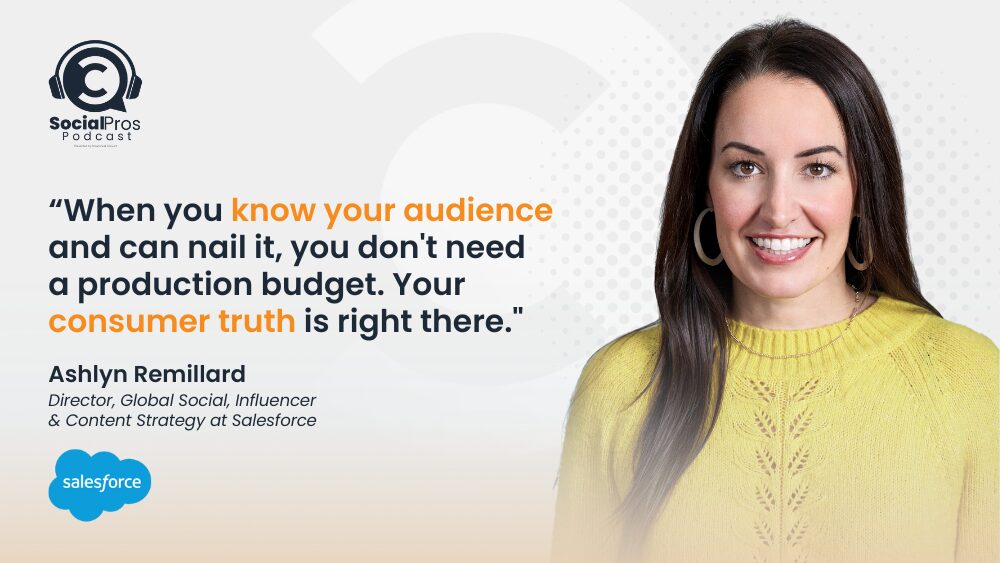
- Case Study Insight: As noted by Ashlyn Remillard of Salesforce, "When you know your audience, and can nail it, you don’t need a production budget. Your consumer truth is right there."
Official Perspectives: The Role of Thought Leadership
Thought leadership remains the bedrock of B2B credibility. However, the definition of a "thought leader" has expanded. It is no longer just the C-suite executive; it is the subject matter experts within the organization sharing granular insights on platforms like LinkedIn.
The Power of LinkedIn
LinkedIn continues to be the primary ecosystem for B2B. Organizations like Microsoft and IBM have set the benchmark by encouraging their internal teams to build personal brands. When executives and lead engineers share their perspectives on industry trends, they do more than boost SEO; they build a foundation of trust that makes future sales conversations significantly easier.
Implications of AI Integration
Artificial Intelligence is arguably the most disruptive force in the 2025 marketing landscape. For the modern B2B team, AI is not a replacement for human creativity, but an essential force multiplier.
Strategic AI Application
- Trend Identification: AI tools now scan millions of data points to predict which topics will resonate with specific buyer personas before the content is even created.
- Campaign Timing: Automation platforms are optimizing post-scheduling based on when specific decision-makers are most active, ensuring maximum visibility.
- Efficiency: By automating routine content tasks, teams can dedicate more resources to high-level strategy and relationship management.
For those looking to prepare, industry leaders like Zontee Hou have identified "5 Steps to AI Readiness," emphasizing that the focus must remain on governance, data quality, and human oversight.
Strategic Focus: Addressing Customer Pain Points
A common pitfall for B2B brands is creating content that reflects what they want to sell, rather than what the customer needs to solve.
The Solution-Oriented Approach
To build a sustainable lead flow, companies must map their social content to the specific pain points of their target audience. This involves:
- Identifying Friction: What are the recurring issues that keep your target buyer awake at night?
- Educational Content: Providing "how-to" guides, comparative industry reports, and clear "do-it-yourself" solutions that build trust.
- The "Helper" Mentality: By acting as a consultant rather than a vendor, brands establish a position of authority that makes them the obvious choice when the client is finally ready to buy.
Conclusion: The Path Forward
As we navigate 2025, the B2B marketing landscape is characterized by a "human-first" philosophy enabled by high-tech tools. The brands that will thrive are those that reject the anonymity of corporate speak and embrace the nuance of real, expert-driven conversation.
Whether through the strategic use of B2B influencers—as evidenced by Oracle’s successful "On the Fly" series—or the disciplined application of AI to identify market shifts, the goal remains the same: to build meaningful, lasting relationships.
The transition from traditional marketing to this new standard requires agility and a willingness to test new formats. By integrating short-form video, fostering genuine thought leadership, and relentlessly focusing on the customer’s actual challenges, B2B brands can do more than just survive—they can lead their respective markets.
The call to action for the coming year is clear: Evaluate your current social media playbook, audit your content for authenticity, and embrace the tools that allow your team to connect more deeply with the people behind the companies.
For organizations looking to refine their approach, consulting with experts at firms like Convince & Convert remains a vital step in navigating these complex, rapidly evolving digital waters. Ensuring your brand stays competitive requires not just keeping pace with trends, but anticipating them.


 Nana
Nana
 Dwi Wanna
 Nila Kartika Wati
 Jia Lissa
 Basiran
 Sagoh
Sagoh

 Lina Hope