
 Ali Ikhwan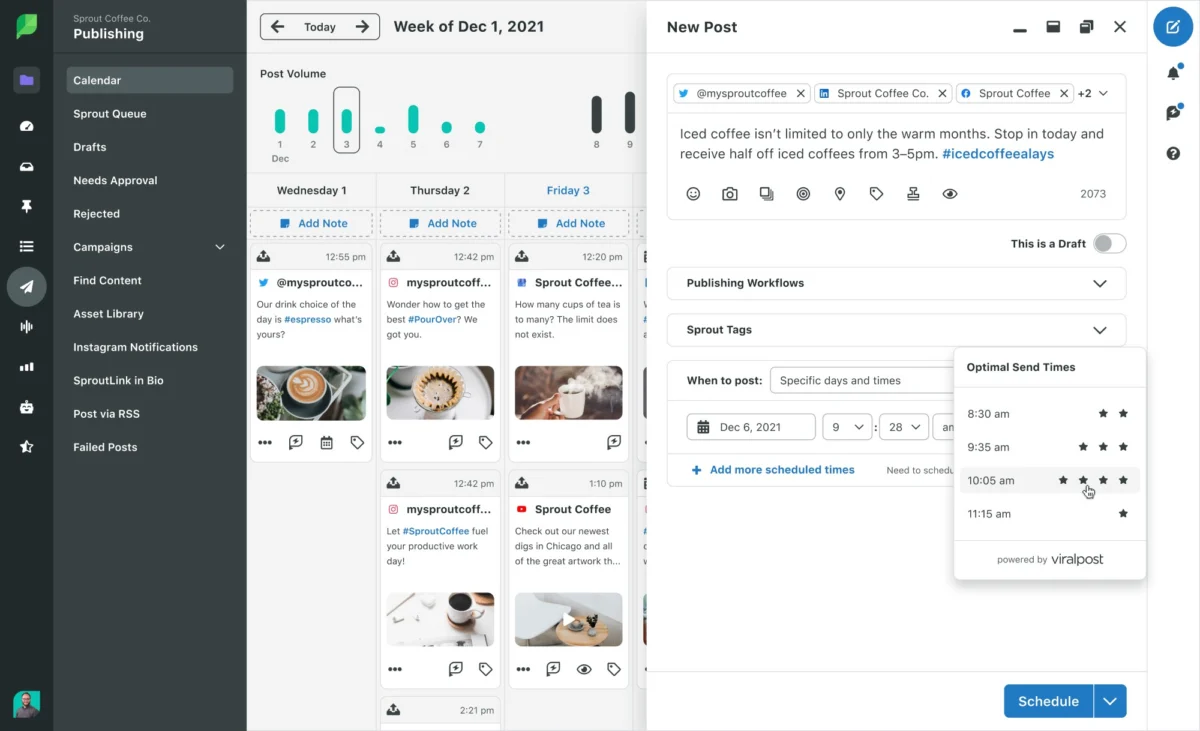
In an era defined by the rapid velocity of digital interaction, the competitive landscape for businesses has fundamentally shifted. Keeping pace with the market is no longer a matter of simply increasing output or frequency; it is a challenge of synthesis. Today’s most successful organizations are moving beyond mere content volume, embracing "social intelligence"—the strategic capacity to distill billions of daily social conversations into actionable insights that inform high-level corporate decision-making.
As we move through 2025 and into 2026, the integration of Artificial Intelligence (AI) into marketing operations has evolved from a speculative luxury to a structural necessity. According to the Sprout Social Index™, 86% of users intend to maintain or increase their engagement on social platforms, creating an unprecedented data reservoir. For brands, the challenge—and the opportunity—is to harness this data with the speed and precision that only AI can provide.
The Core Mandate: What Defines an AI Marketing Strategy?
An AI marketing strategy is a comprehensive framework that leverages machine learning and automation to optimize the entire marketing lifecycle. It is not limited to a single channel; rather, it acts as a connective tissue between research, content creation, audience engagement, and real-time campaign optimization.
For digital marketers, the infusion of social intelligence into this strategy creates a profound competitive advantage. Social media functions as a global, 24/7 focus group, capturing consumer sentiment, emerging trends, and unmet needs in real time. Data from the 2025 Impact of Social Media Marketing Report underscores this transition: 60% of industry leaders now identify social media as a primary driver of customer acquisition, while 54% view it as an essential tool for Research and Development (R&D).

Furthermore, as AI-powered search engines like Google’s AI Overviews and conversational interfaces like ChatGPT begin to prioritize data from Reddit threads, community forums, and social discourse, brand visibility is increasingly tied to social presence. Those who participate consistently in these spaces are the ones who will be "seen" by the algorithms of the future.
Chronology of a Shift: From Tool to Foundation
The trajectory of AI in marketing has been meteoric. Just a few years ago, AI was largely viewed as an experimental "shiny object." Today, it is a core operational layer.
- Phase 1 (Foundational): Brands focused on basic automation, such as simple chatbots and automated scheduling tools.
- Phase 2 (Integration): Companies began adopting generative AI for copy drafting and basic image creation, focusing on efficiency gains.
- Phase 3 (Agentic Intelligence): We are currently in the era of "agentic" AI. Tools like Sprout Social’s Trellis represent this shift, where AI can perform complex reasoning, synthesize massive datasets into strategic summaries, and provide answers to nuanced business queries in seconds.
This evolution has been accelerated by the demand for hyper-personalization. Modern consumers have low tolerance for generic interactions; they expect brands to recognize their context, history, and preferences instantly.
Supporting Data and the Trust Gap
While AI offers immense potential, it has also introduced a significant "trust gap." The Q1 2026 Pulse Survey reveals a troubling trend: 56% of social users frequently encounter "AI slop"—low-quality, mass-produced content that lacks human intent. This has led to a palpable "social fatigue," particularly among Gen Z and Millennial demographics, who are increasingly prone to muting or blocking accounts that fail to demonstrate authentic human resonance.
The implication is clear: Transparency is no longer just a regulatory requirement; it is a vital business strategy. Brands that rely on AI must implement rigorous governance. The EU AI Act and similar regional regulations now dictate how brands operate, making the establishment of a formal "AI Use Policy" a non-negotiable step for any mature organization.
Official Perspectives: The Role of Social Intelligence
Industry experts emphasize that AI should not replace human creativity but rather amplify it. The most effective strategies involve a "Human-in-the-Loop" approach.
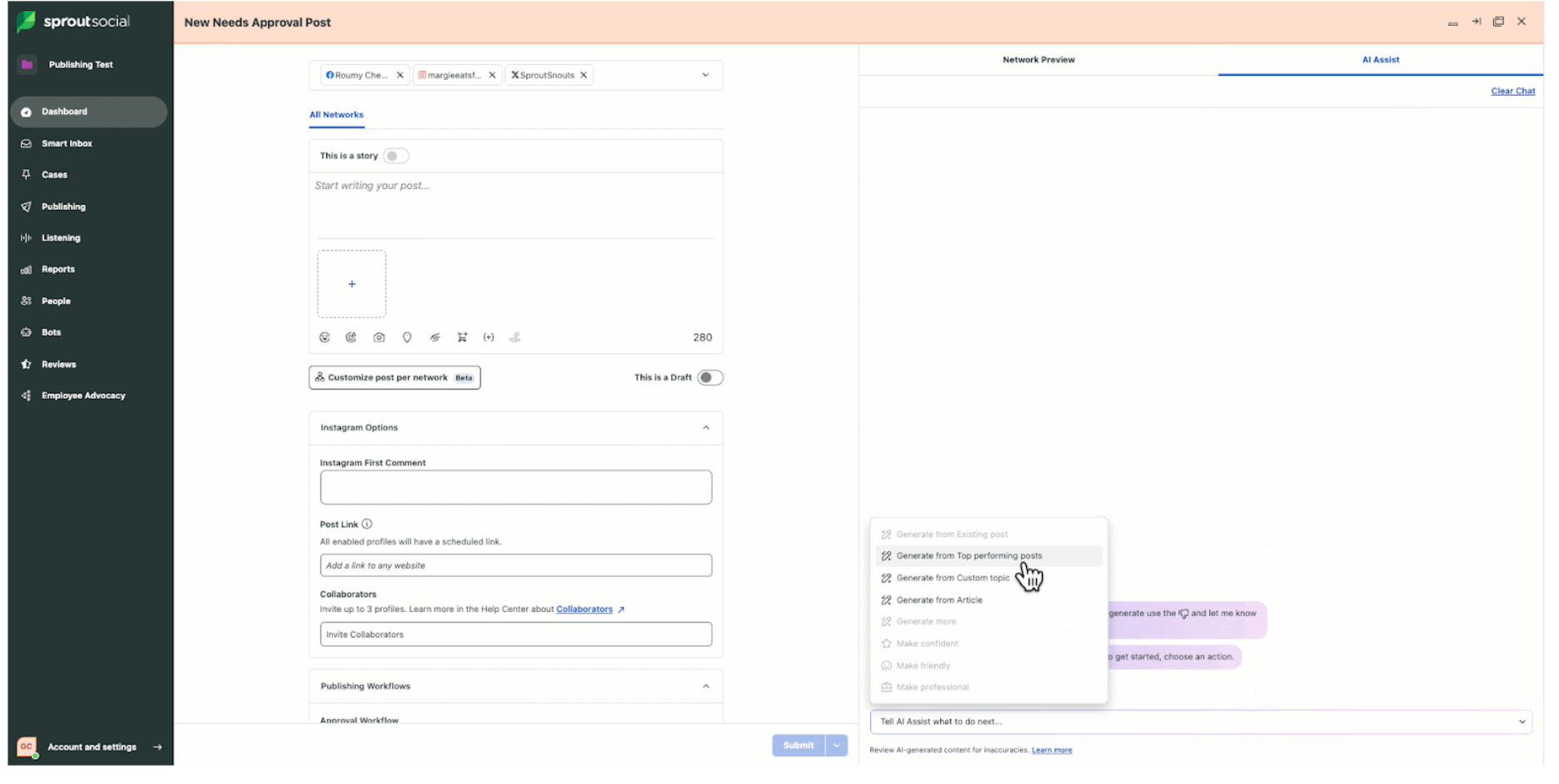
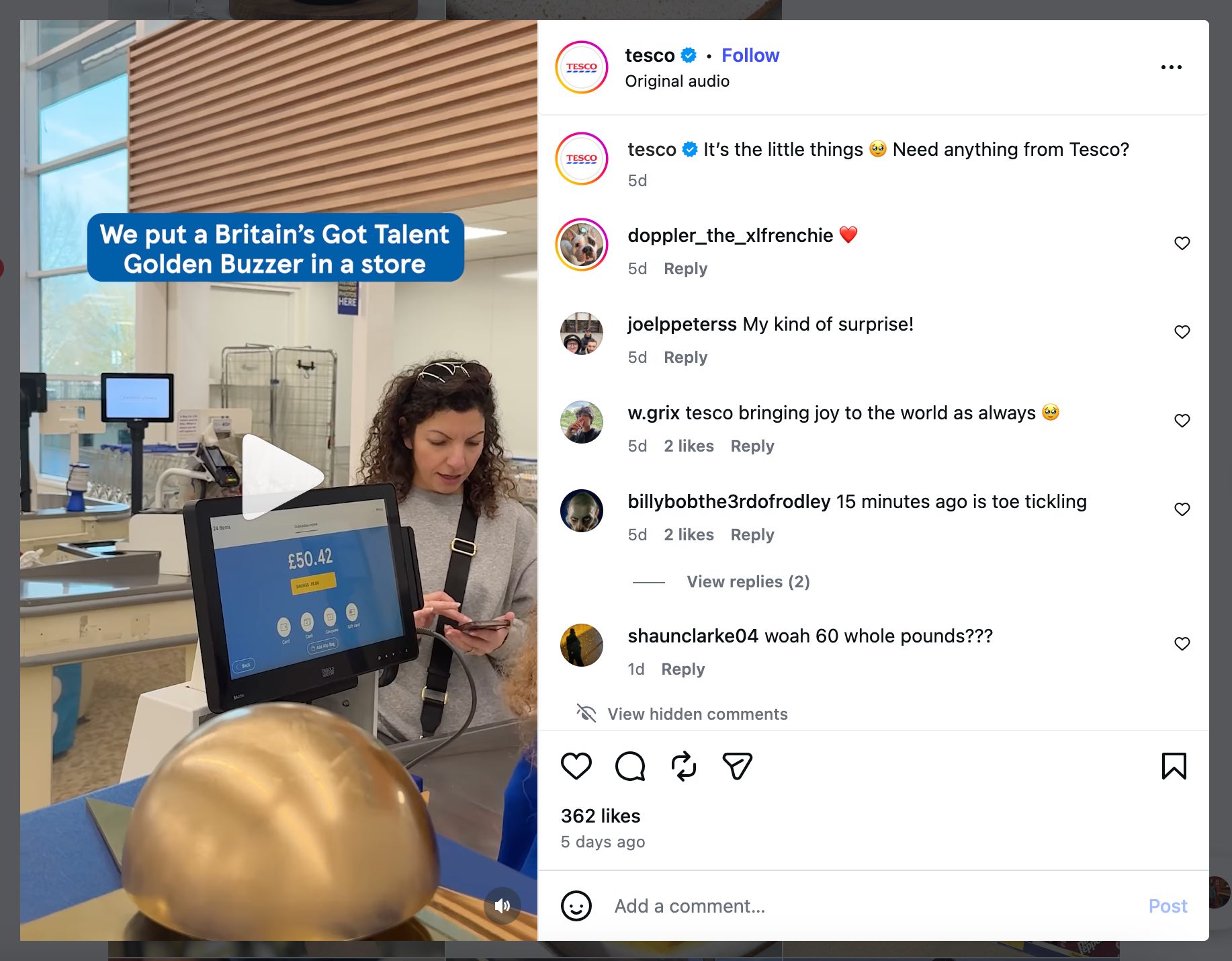
"AI allows us to process data at a scale no human team could manage, but it requires human intelligence to ensure the output resonates culturally," notes industry analyst research. A prime example is Tesco’s recent "Britain’s Got Talent" social engagement. By tapping into a cultural moment with a distinctly on-brand, human-centric twist, the brand achieved high engagement that a purely automated bot could never replicate.
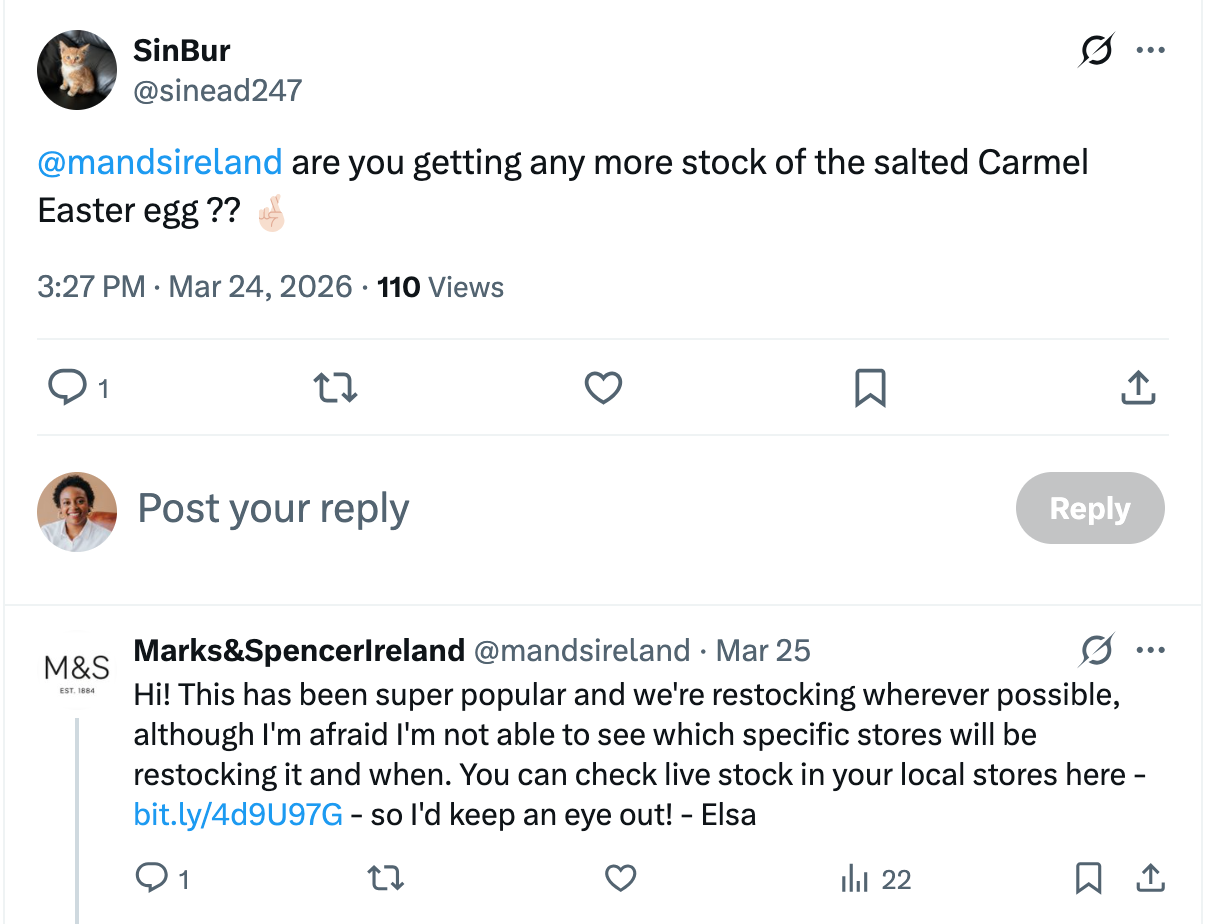
Similarly, Marks & Spencer Ireland has demonstrated that AI-driven efficiency can coexist with human empathy. By using AI to triage queries and provide agents with the necessary context, they ensure that the final customer touchpoint remains helpful, specific, and unmistakably human.
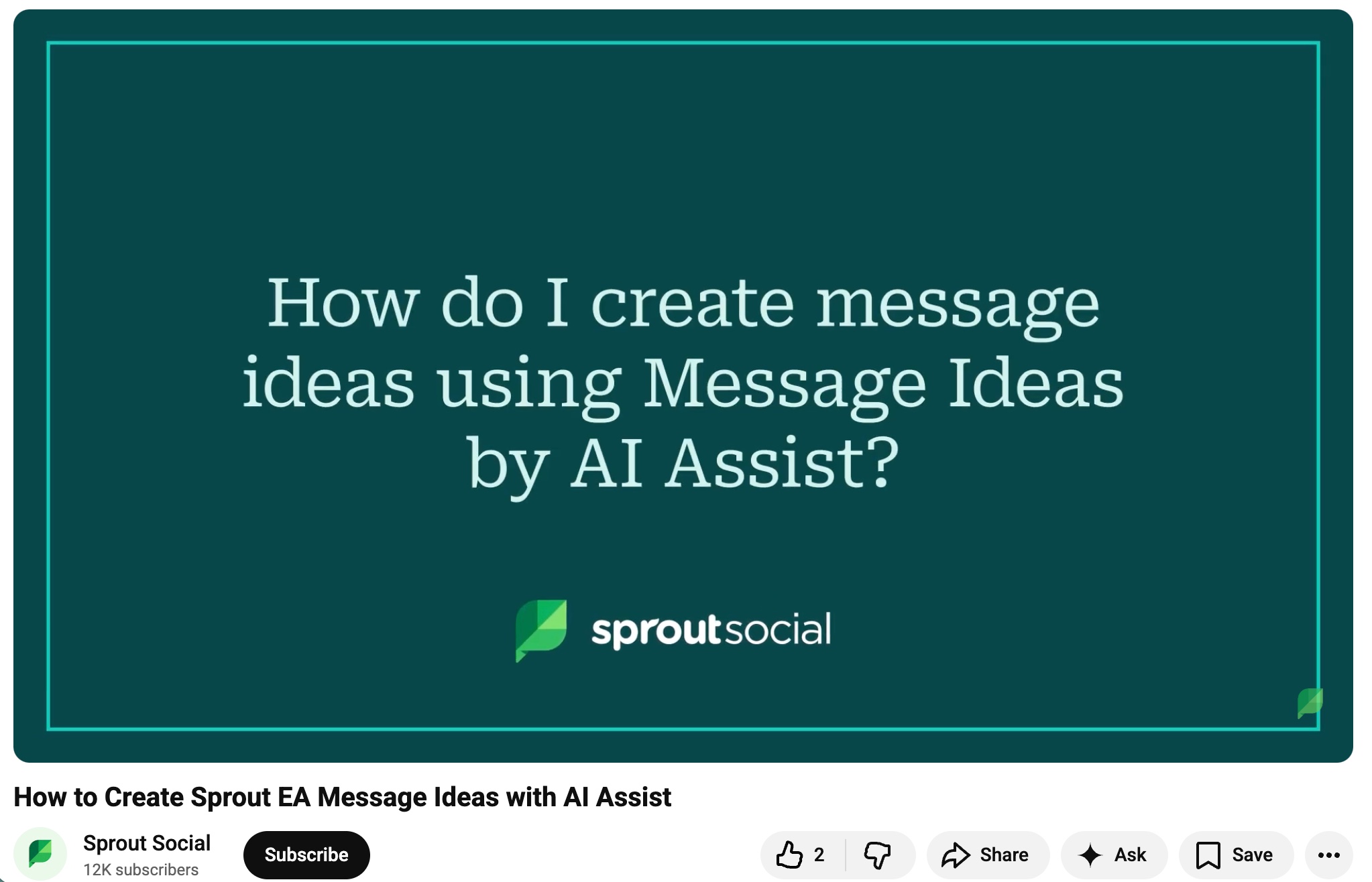
Strategic Implications: Designing Your Framework
Designing an AI-driven marketing strategy requires a systematic approach. Below are the essential pillars for building a future-proof plan:
1. Goal Alignment and Audit
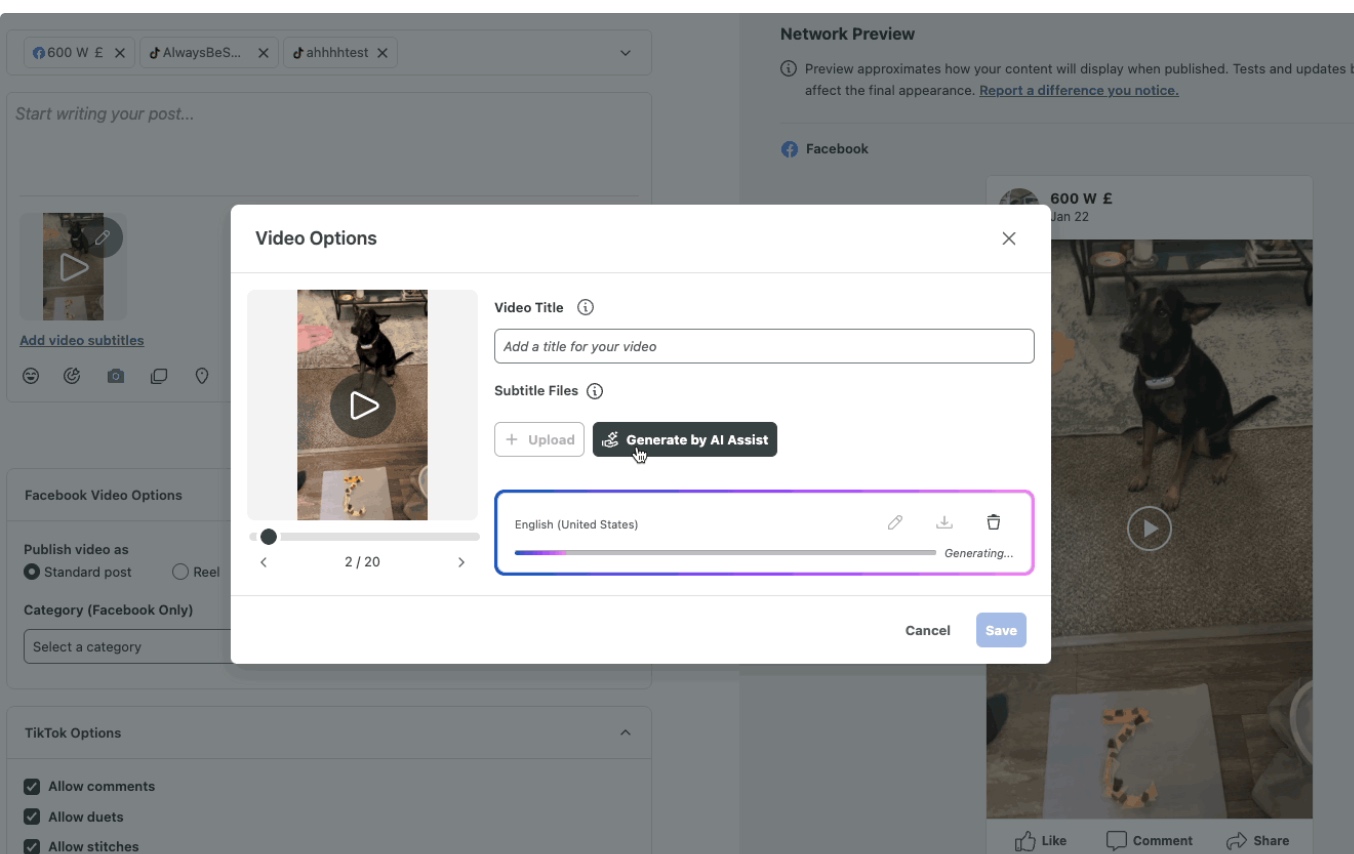
Begin by identifying specific objectives—whether it is increasing customer lifetime value, reducing response times, or optimizing ad spend. Follow this with a "value vs. noise" audit of your current social media workflow. Identify which tasks are repetitive and high-volume (e.g., subtitles, translations, scheduling) versus those that require high-touch human interaction.
2. Tech Stack Optimization
Before procuring new AI tools, conduct a comprehensive review of your existing stack. Eliminate redundancies. Ensure your current systems can integrate with AI agents that draw from a single, trusted source of truth. Data integrity is the cornerstone of any AI strategy; if the data feeding the AI is siloed or flawed, the strategy will fail.
3. Scaling Creativity and Accessibility
AI tools now offer a range of capabilities that improve both production and accessibility:
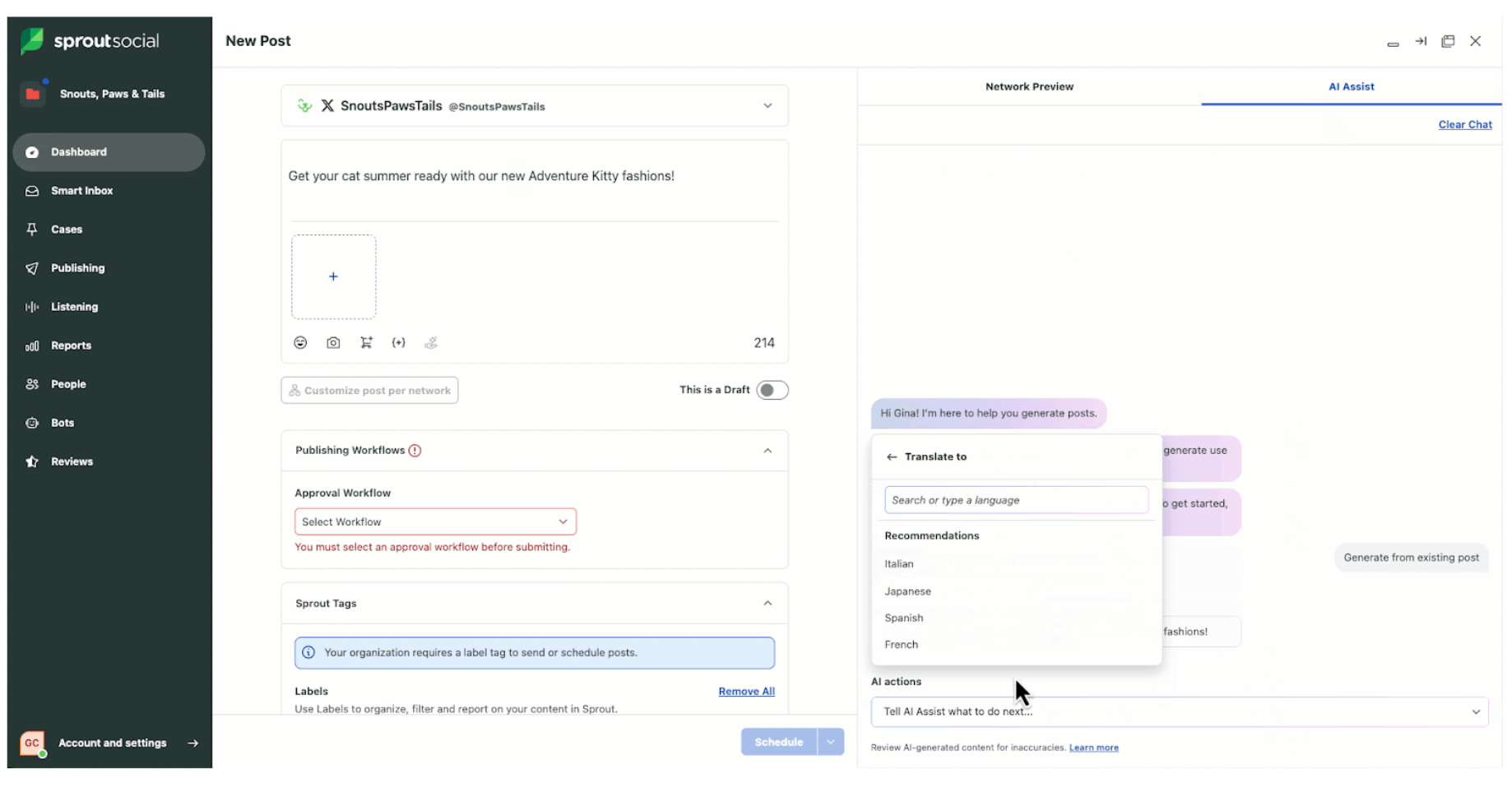
- Generate Posts by AI Assist: Allows teams to maintain high output volume by generating content based on top-performing historical posts.
- Subtitles and Translations: These tools are vital for video accessibility and global market expansion, removing linguistic barriers in seconds.
- ViralPost™: Uses predictive algorithms to determine the optimal send time for specific audience segments, ensuring maximum visibility.
4. Bridging Insights to Business Action
The true power of an AI marketing strategy lies in its ability to inform the wider business. Tools such as Trellis enable non-technical stakeholders to query complex data sets using natural language. For instance, a product manager could ask, "What are the most common complaints about our newest product feature?" and receive an instantaneous, data-backed summary. This democratizes social intelligence, allowing it to flow into departments like R&D, customer experience, and sales.
The Path Forward: Testing and Scaling
A robust AI strategy is never "finished." It is a living process of iteration.
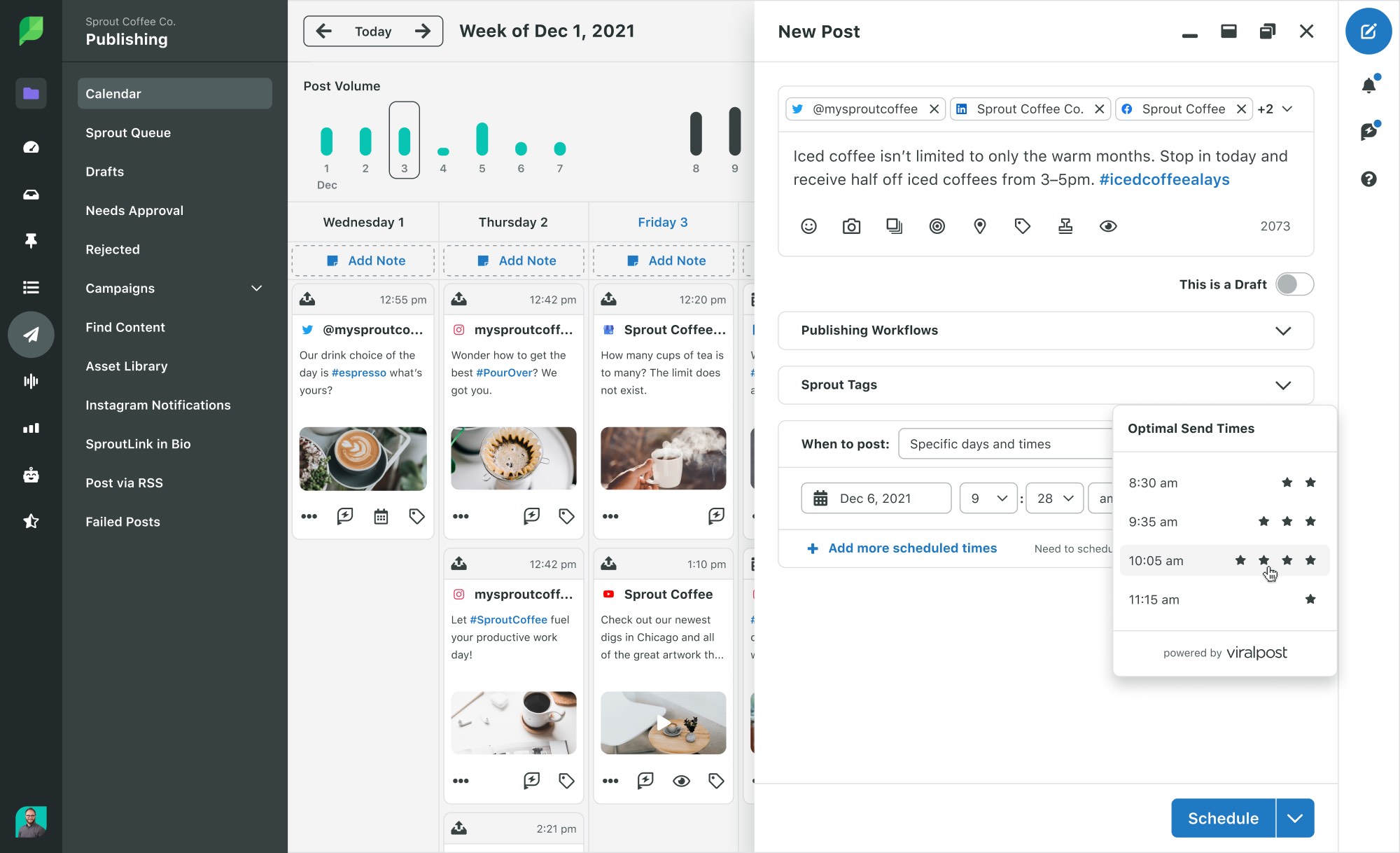
- Pilot Testing: Start with a controlled pilot. Select a specific campaign, set baseline metrics, and run the AI-assisted version for at least 30 days. Compare the results against your historical performance.
- Continuous Governance: As you scale, ensure your AI use policy evolves. Regularly audit your content to ensure it does not contribute to the "AI slop" phenomenon.
- Community Learning: Engage with professional communities, such as The Arboretum, to share learnings and stay informed about rapid shifts in platform algorithms and AI capabilities.
Conclusion
The transition to an AI-powered marketing strategy is the defining challenge for brands in the latter half of the decade. By combining the processing power of AI with the irreplaceable nuances of human creativity, businesses can move from reactive posting to proactive community building.
The brands that thrive will be those that view AI not as a replacement for their team, but as a catalyst for deeper, more meaningful connections with their audiences. Start with clear goals, build a foundation of transparency, and let social intelligence dictate where your brand goes next. The future of marketing is not just faster—it is smarter, more responsive, and more human than ever before.


 Siti Muinah
 Nila Kartika Wati
 Jia Lissa
 Basiran
 Sagoh
Sagoh

 Lina Hope