
 Nila Kartika Wati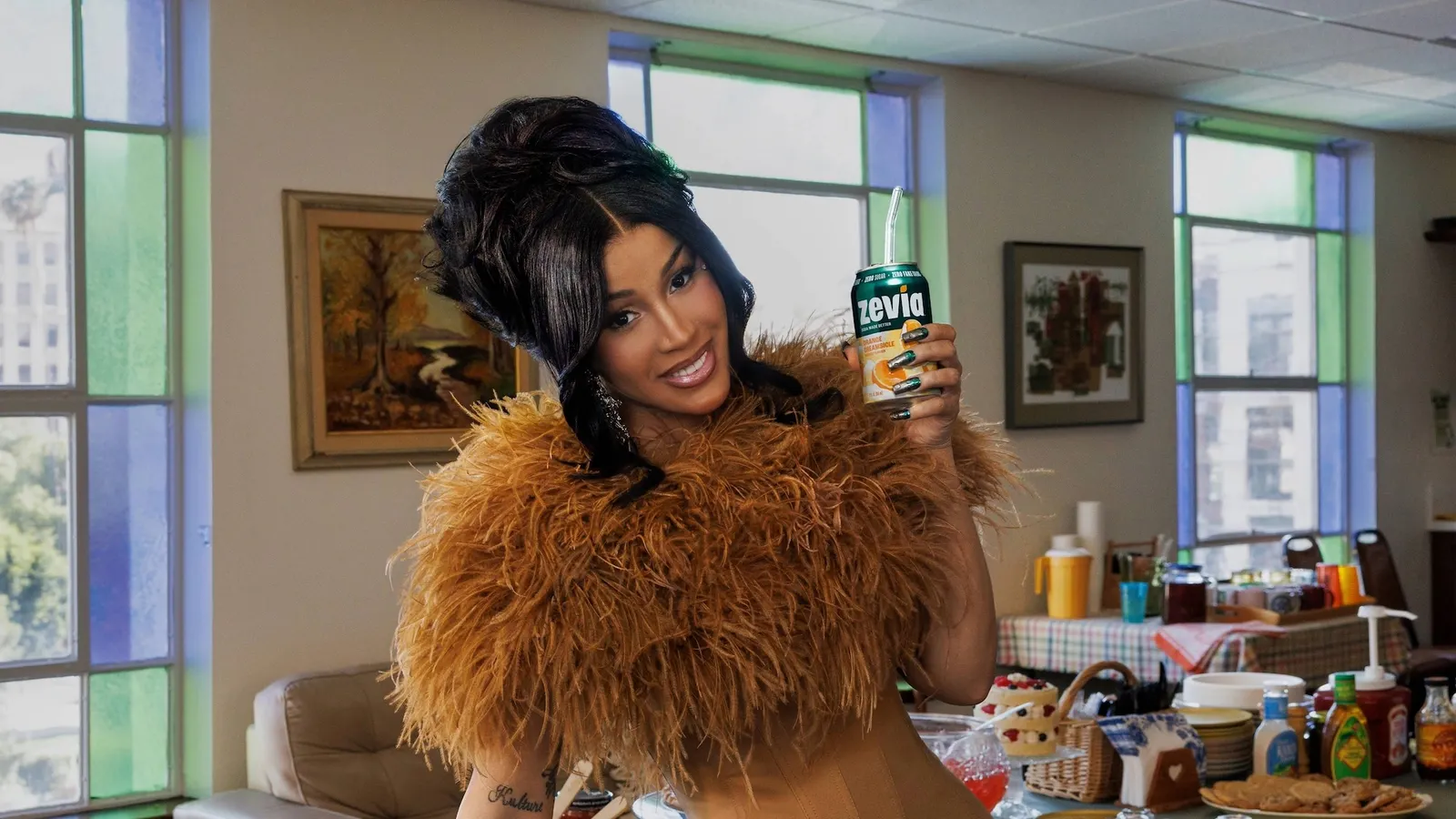
In an increasingly saturated market dominated by viral functional sodas and health-conscious alternatives, Zevia—a pioneer in the stevia-sweetened beverage space—is making a high-stakes play for cultural relevance. By appointing global superstar Cardi B as both a shareholder and a long-term brand ambassador, the company is attempting to shed its niche, health-food-aisle image in favor of a mainstream, "radically real" identity. The centerpiece of this transformation is the newly launched “Real Talk Interpreter” campaign, an ambitious, multi-channel effort that leverages the rapper’s signature unfiltered persona to cut through the noise of modern social niceties.
The Evolution of a Partnership: From Sponsorship to Stakeholder
The relationship between Zevia and Cardi B is not a standard celebrity endorsement; it is a calculated strategic alliance designed to span at least two years. The partnership, which was formally announced in March 2026, began with Zevia sponsoring the artist’s "Little Miss Drama" tour. However, the move to bring her on as a shareholder signaled that the beverage brand was looking for deeper buy-in.
Zevia’s Chief Marketing Officer, Kirsten Suarez, has been vocal about the necessity of this partnership in a landscape where traditional advertising often fails to move the needle with younger demographics. "To have a partner who is really meaningful in culture could obviously help us from a business and a marketing perspective," Suarez noted in a previous interview. "We really wanted to find someone who was willing to do a less traditional deal with us—one that would be longer-term. We are in a deal for two years, not just a one-off production day."
This long-term commitment is designed to insulate Zevia against the fleeting nature of influencer marketing, positioning Cardi B as a permanent fixture of the brand’s identity rather than a temporary guest.
Campaign Anatomy: The "Real Talk Interpreter"
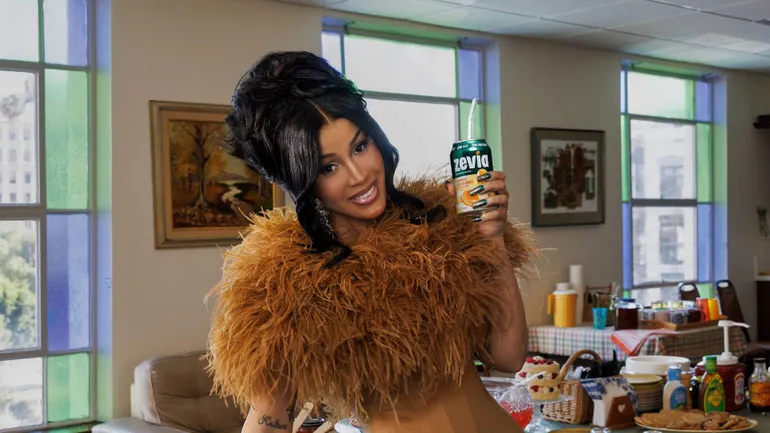
The “Real Talk Interpreter” campaign, created in collaboration with the creative studio De-Yan, is designed to highlight the brand’s commitment to natural ingredients and "refreshing reality." The creative strategy relies on the comedic juxtaposition of everyday, passive-aggressive social interactions and the blunt, high-energy interventions of Cardi B.
The Television and Streaming Spots
The television spots feature Cardi B as an omniscient observer in awkward social settings. In one prominent ad, a school guidance counselor attempts to soften a harsh reality for a parent, claiming the child is "still finding his footing academically." Cardi B interrupts the scene, sipping a Zevia, to cut through the jargon: "He’s saying your son is stupid." She then proceeds to act as a translator for the mother, decoding the bureaucratic double-speak that often masks uncomfortable truths.
A second spot, titled "Potluck," applies this same dynamic to a neighborhood gathering. By positioning the brand as the catalyst for "real talk," Zevia is attempting to mirror its own product philosophy—which prides itself on being transparent about its ingredients—with the behavior of its brand ambassador.
Digital and Social Integration
Beyond linear TV and streaming, the campaign is deeply embedded in the digital ecosystems where Gen Z and millennials spend their time. Zevia is launching a social media component where fans can submit their own "loaded language" scenarios—such as thorny group chats or confusing dating-app exchanges—for Cardi B to "interpret." This interactive layer serves a dual purpose: it drives engagement and user-generated content while reinforcing the brand’s positioning as a source of authenticity in a digital world often defined by curation and artifice.

Competitive Pressures and Market Positioning
Zevia’s push for cultural dominance comes at a critical juncture. Founded in 2007, the company was an early mover in the "better-for-you" soda category. For years, it held a steady, if quiet, market share among health-conscious consumers. However, the last five years have seen the meteoric rise of competitors like Poppi and Olipop, which have successfully courted Gen Z with sleek branding, functional benefits (such as prebiotics), and a social-media-first marketing strategy.
The data supports the urgency of Zevia’s pivot. In its quarterly report for the period ending March 31, 2026, Zevia reported net sales of $46.1 million, representing a 21.2% year-over-year increase. Executives attributed this growth to a combination of modernized packaging—rolled out earlier in 2026—and a revamped distribution strategy. Despite this positive momentum, the brand faces a constant need to justify its valuation against its younger, "cooler" rivals.
Zevia’s previous attempt to capture the zeitgeist involved a series of advertisements mocking the AI craze by featuring a "creepy robot coworker." While that campaign demonstrated the brand’s willingness to experiment with satire, the Cardi B partnership represents a shift toward personality-driven marketing that is arguably more scalable and human-centric.
The Strategy Behind the "Radically Real" Narrative
Zevia’s marketing philosophy has consistently centered on the concept of "radical realness." By using stevia—a natural, plant-based sweetener—the company distinguishes itself from the artificial sweeteners that have long defined the diet soda industry.

The challenge, however, has always been the taste profile and the "health food" stigma associated with early stevia products. By aligning with Cardi B, Zevia is attempting to scrub away the "clinical" or "diet-only" perception. The brand is betting that if a cultural icon known for her "unfiltered" persona is associated with the drink, consumers will view Zevia as a fun, mainstream beverage rather than a compromise for those who cannot consume sugar.
Implications for the Beverage Industry
The "Real Talk Interpreter" campaign offers several key insights into the current state of consumer packaged goods (CPG) marketing:
- The Shift Toward Equity-Based Partnerships: Brands are moving away from simple celebrity endorsements. By offering equity or shareholder status, companies like Zevia ensure that their ambassadors have a vested interest in the long-term success and perception of the brand, leading to more authentic creative output.
- Cultural Translation as Strategy: As consumers become increasingly wary of corporate messaging, brands are using humor and "truth-telling" to bridge the gap. By mocking the "coded language" of modern life, Zevia is positioning itself as an ally to the consumer, essentially saying, "We see through the nonsense, and so do you."
- Omnichannel Cohesion: The campaign’s success will be measured by its ability to translate from the polished look of a TV spot to the raw, interactive nature of a dating-app-themed TikTok. The integration of retail displays and sweepstakes ensures that the campaign reaches the consumer at the shelf, bridging the gap between digital sentiment and physical purchase.
Future Outlook
As Zevia continues its 2026 fiscal year, the pressure to maintain its 21% growth rate remains high. The company’s ability to successfully modernize its image will depend on whether this campaign can convert "curiosity" into "loyalty."
If the "Real Talk Interpreter" succeeds, Zevia may provide a roadmap for legacy health brands struggling to maintain relevance in the age of viral, influencer-led competition. The campaign is a bold, expensive, and high-risk bet, but in a category as crowded as the soda aisle, being "real" may be the only way to remain relevant. With Cardi B at the helm, Zevia has signaled that it is no longer content with being a quiet occupant of the health food shelf—it wants a place in the cultural conversation, one "real" conversation at a time.

 Reynand Wu
 Iffa Jayyana
 Raul Delapena Setiawan

 Sagoh
Sagoh

 Azzam Bilal Chamdy
 Ali Ikhwan