
 Laily UPN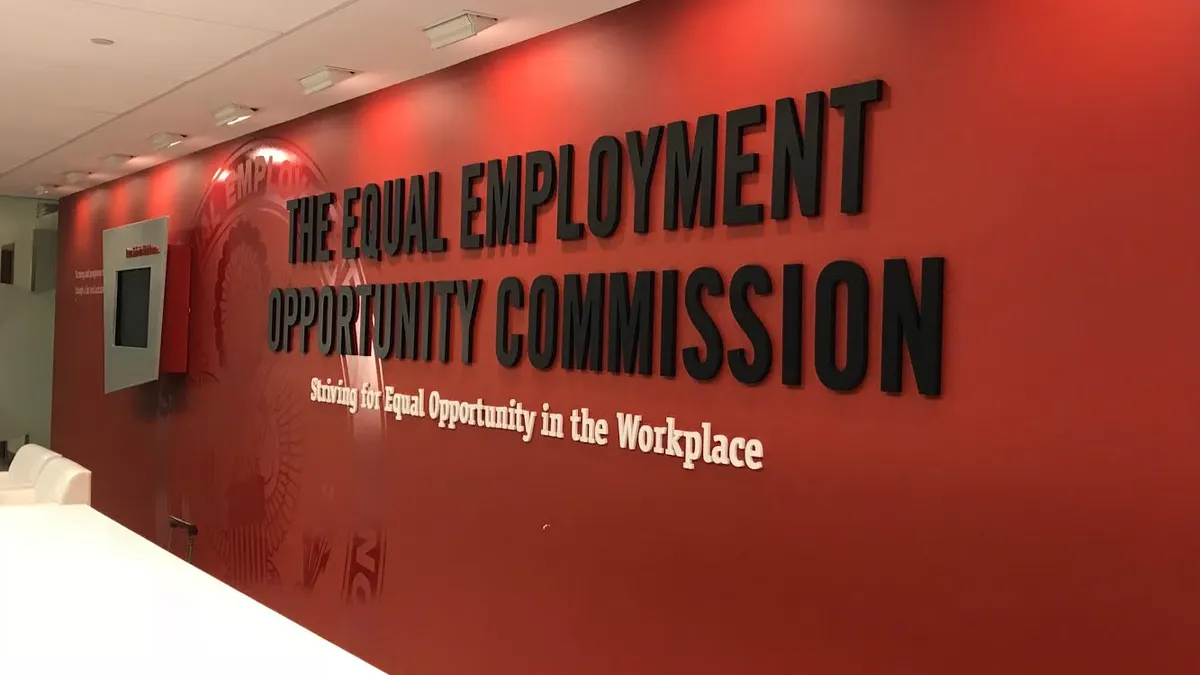
Washington D.C. – May 13, 2026 – The U.S. Equal Employment Opportunity Commission (EEOC) has filed a lawsuit against ATG, a company operating a facility in New Mexico, alleging a pattern of national origin discrimination and harassment targeting an American worker. The complaint, filed in federal court, details accusations that the employee was subjected to derogatory remarks and exclusion by his Spanish-speaking co-workers, and that his subsequent complaints were met with retaliation in the form of termination.
This legal action highlights the EEOC’s ongoing focus under Chair Andrea Lucas on protecting American workers from discrimination, particularly in cases involving "reverse bias" and national origin bias against majority-group workers. The agency asserts that the alleged conduct created a hostile work environment and violated federal anti-discrimination laws.
The Core Allegations: A Pattern of Exclusion and Derision
At the heart of the EEOC’s lawsuit are claims that an American employee, who is Hispanic and born in the U.S. with a family history spanning generations in the country, was subjected to daily derogatory name-calling and ridicule by his Mexican co-workers. This alleged harassment reportedly intensified after the employee received a temporary promotion.
According to the EEOC’s complaint, the employee’s struggles with Spanish fluency became a focal point for the alleged discriminatory behavior. Co-workers reportedly mocked his inability to speak the language fluently, creating an environment where he felt ostracized and disrespected. The lawsuit further contends that directives and important work-related discussions were frequently conducted in Spanish, with translations for English-speaking workers being rare. This linguistic barrier, the EEOC argues, led to a significant exclusion of American workers from vital communication channels, hindering their ability to perform their jobs effectively and contributing to a hostile work environment.

The agency’s filing asserts that the employee repeatedly brought these concerns to the attention of his direct supervisor. However, the supervisor allegedly failed to take any meaningful action to address the harassment. Undeterred, the employee escalated his complaints to another supervisor, seeking intervention. The immediate aftermath of this action, as detailed by the EEOC, was the employee’s termination the very next day by his direct supervisor, reportedly for "going over his head."
Chronology of Alleged Harassment and Retaliation
The events leading to the EEOC’s lawsuit appear to have unfolded over a period of time, culminating in the employee’s dismissal. While specific dates for the onset of the harassment are not detailed in the initial public statements, the chronology of the employee’s attempts to seek redress and the subsequent termination are crucial to the agency’s case.
- Onset of Alleged Harassment: Following a temporary promotion, the American employee, described as Hispanic and a U.S. native, allegedly began experiencing daily derogatory name-calling and ridicule from his Mexican co-workers. His perceived lack of Spanish fluency became a target of this alleged harassment.
- Escalating Exclusion: Directives and work discussions were predominantly conducted in Spanish, with limited translation for English-speaking employees, leading to the employee’s exclusion from critical information.
- Initial Complaints to Supervision: The employee reportedly voiced his concerns about the harassment and exclusionary practices to his direct supervisor on multiple occasions.
- Failure to Act: The direct supervisor allegedly failed to implement any measures to stop the ongoing harassment.
- Escalation to Higher Management: Faced with inaction from his direct supervisor, the employee reported the issues to another supervisor within the company.
- Termination: The day after reporting to the second supervisor, the employee was terminated by his direct supervisor. The EEOC states the termination was allegedly for "going over his head."
Supporting Data and Legal Basis for the Lawsuit
The EEOC’s lawsuit is built upon a foundation of alleged violations of federal law, primarily Title VII of the Civil Rights Act of 1964, which prohibits employment discrimination based on race, color, religion, sex, and national origin. The agency’s position statement and the lawsuit itself cite several key pieces of evidence and arguments:
- Hostile Work Environment: The EEOC contends that the relentless derogatory remarks, mockery based on language, and exclusion from work-related communications created a hostile work environment for the American employee. This environment, the agency argues, was severe and pervasive enough to alter the conditions of his employment and create an abusive working atmosphere.
- National Origin Discrimination: The alleged mistreatment, specifically targeting the employee’s national origin and language abilities, falls under the purview of national origin discrimination. The EEOC emphasizes that this includes discrimination against American workers.
- Retaliation: The termination of the employee shortly after he lodged a formal complaint with management is being characterized as unlawful retaliation. Federal law protects employees from adverse employment actions when they report discrimination or participate in an investigation.
- Employer’s Duty to Investigate and Prevent Harassment: The EEOC highlights that employers have a legal obligation to prevent and promptly address all forms of workplace harassment, including that based on national origin. This includes conducting thorough investigations into complaints and taking effective remedial actions.
- Discrepancies in Termination Justification: The EEOC points to a significant discrepancy between the company’s stated reason for termination and the details provided in the employee’s termination paperwork. While ATG asserted the employee was fired for nearly falling asleep and engaging in a safety violation, the termination notice reportedly cites "other" reasons and "arguing with crews and almost starting a fight," without mentioning any safety breach. Furthermore, the company’s written account of the alleged safety violation was not signed by the employee, who denies falling asleep or committing any safety infractions.
The lawsuit also references a court document that details the alleged creation of a hostile work environment for American workers. The EEOC and ATG were reportedly unable to reach a mutually agreeable resolution through the conciliation process, a mandatory step before litigation can commence.

Official Responses and Statements
EEOC Chair Andrea Lucas has been vocal about the agency’s commitment to addressing what she terms "anti-American bias" in the workplace. In a statement accompanying the lawsuit, Lucas declared, "Discrimination against American workers is unconscionable. The EEOC is here to protect all workers from anti-American bias. Nothing justifies illegal national origin discrimination, and we will vigorously enforce federal laws to restore dignity to the American worker."
This stance aligns with a broader strategic focus of the EEOC under her leadership, which has aimed to combat "reverse bias" claims against majority-group workers and, concurrently, protect American workers from national origin discrimination.
Mary Jo O’Neill, regional attorney for EEOC’s Phoenix district office, underscored the employer’s responsibilities in a statement. "Employers have a legal duty to prevent and stop all harassment based on national origin, including harassment of American workers. Employers are required to investigate any complaints of national origin harassment and to take prompt action to stop the harassment," she stated. This emphasizes the agency’s expectation of proactive measures from businesses to ensure compliance with anti-discrimination laws.
ATG’s Position: In its position statement submitted to the EEOC, ATG offered a different account of the termination. The company claimed the worker was fired for nearly falling asleep at work while supporting a 100-pound beam. However, the EEOC’s complaint notes that a write-up detailing this incident was not signed by the worker, who denies falling asleep or having any safety violations. The termination paperwork, as cited in the lawsuit, lists "other" and "arguing with crews and almost starting a fight" as reasons, omitting any mention of a safety violation.

Broader Implications for the Workplace
This lawsuit carries significant implications for employers operating in diverse workforces, particularly those with employees speaking multiple languages.
- Language Barriers and Discrimination: The case serves as a stark reminder that language differences, while often practical in a globalized workforce, can become a breeding ground for discrimination if not managed appropriately. Employers must ensure that communication practices do not lead to the exclusion or marginalization of any employee group. This includes providing adequate translation services for essential information and fostering an environment where all employees feel included and understood.
- The Importance of Robust Anti-Harassment Policies: The allegations highlight the critical need for comprehensive and effectively implemented anti-harassment policies. These policies must clearly define prohibited conduct, establish accessible reporting mechanisms, and mandate prompt and thorough investigations into all complaints. The alleged failure of a supervisor to act on initial complaints underscores the importance of training supervisors on their responsibilities and the consequences of inaction.
- Protection Against Retaliation: The EEOC’s pursuit of the retaliation claim reinforces the legal protections afforded to employees who report discrimination. Employers must be acutely aware that retaliating against an employee for raising concerns, even if the initial complaint is not fully substantiated, can lead to severe legal consequences.
- EEOC’s Proactive Stance: The EEOC’s active pursuit of this case, under Chair Lucas’s leadership, signals a continued commitment to addressing national origin discrimination against American workers and combating what the agency terms "reverse bias." This suggests that employers can expect increased scrutiny in these areas.
- Cultural Sensitivity and Inclusion: Beyond legal compliance, the case underscores the importance of fostering a culturally sensitive and inclusive workplace. This involves promoting mutual respect among employees from diverse backgrounds and actively working to dismantle stereotypes and prejudices that can fuel discriminatory behavior.
The outcome of this lawsuit will likely provide further clarity on the legal standards for national origin discrimination and harassment in the context of language barriers and workplace dynamics. It serves as a critical case study for employers navigating the complexities of a diverse workforce and reinforces the EEOC’s role as a staunch protector of worker rights.


 Nana
Nana
 Siti Muinah
 Raul Delapena Setiawan
 Reynand Wu
 Sagoh
Sagoh

 Azzam Bilal Chamdy
 Ali Ikhwan