
 Lina Irawan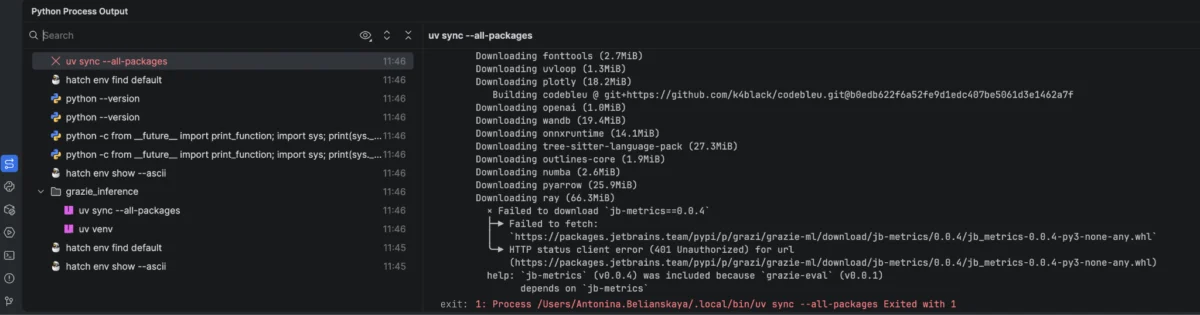
In the rapidly evolving landscape of modern software engineering, the architecture of Python development has undergone a seismic shift. As organizations move away from monolithic codebases toward modular, microservice-oriented, or monorepo structures, the burden of managing dozens of interdependent packages has become a significant bottleneck. Addressing this complexity, JetBrains has released PyCharm 2026.1.1, a landmark update that introduces native, Beta-stage support for workspace management using industry-standard tools: uv, Poetry, and Hatch.
This update represents a fundamental change in how the IDE interacts with complex Python ecosystems, promising to eliminate the "dependency hell" that often plagues large-scale collaborative projects.

Main Facts: The Evolution of Workspace Management
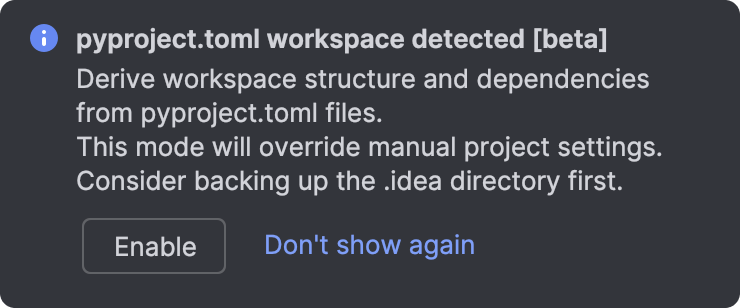
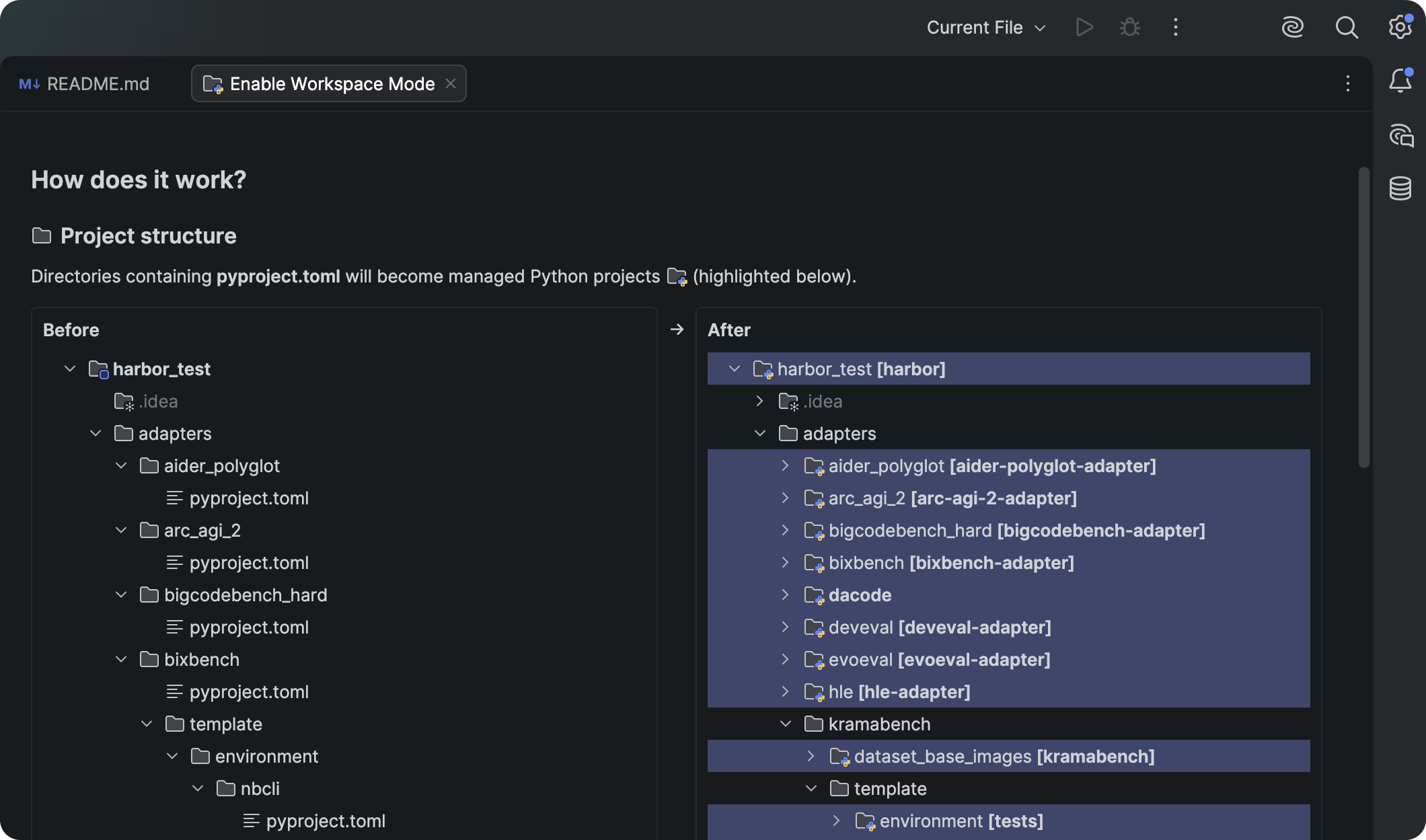
At its core, PyCharm 2026.1.1 is designed to treat a workspace not as a collection of disjointed folders, but as a unified, cohesive ecosystem. By leveraging the configuration power of pyproject.toml files, PyCharm can now automatically parse the architectural blueprint of an entire repository.
Key Innovations:
- Intelligent Workspace Detection: PyCharm now automatically maps the relationships between interdependent projects, reducing manual configuration to near zero.
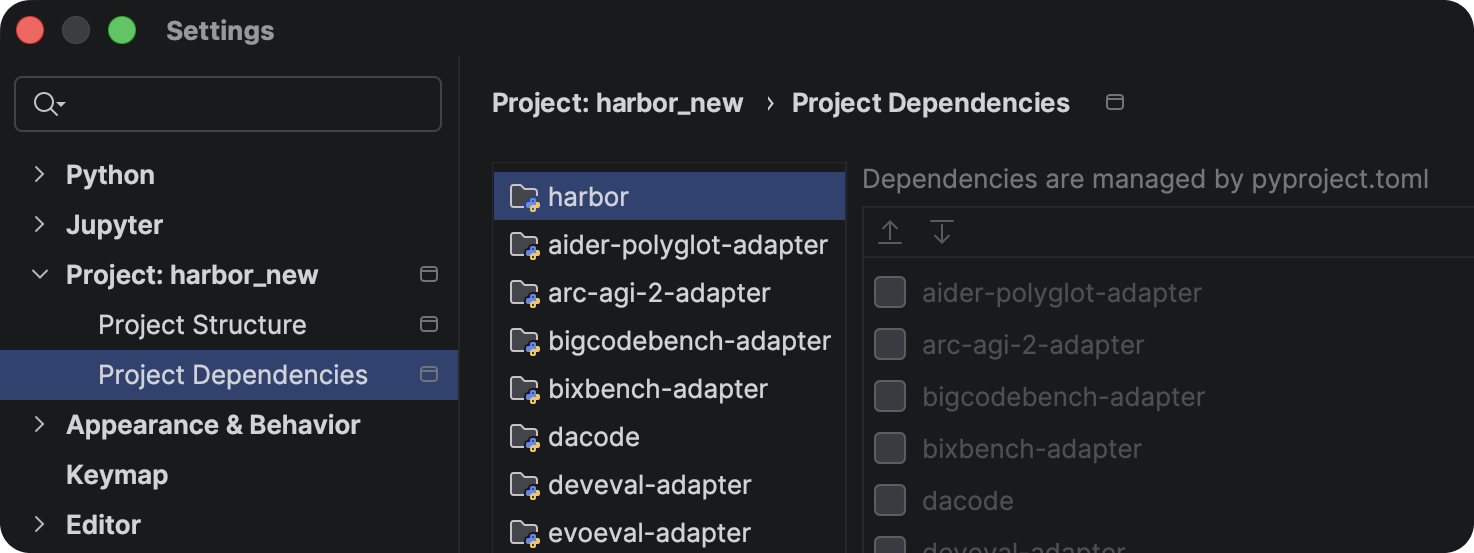
- Unified Dependency Oversight: Through the new Project Dependencies interface, developers can visualize how packages interact, ensuring transparency across the entire workspace.
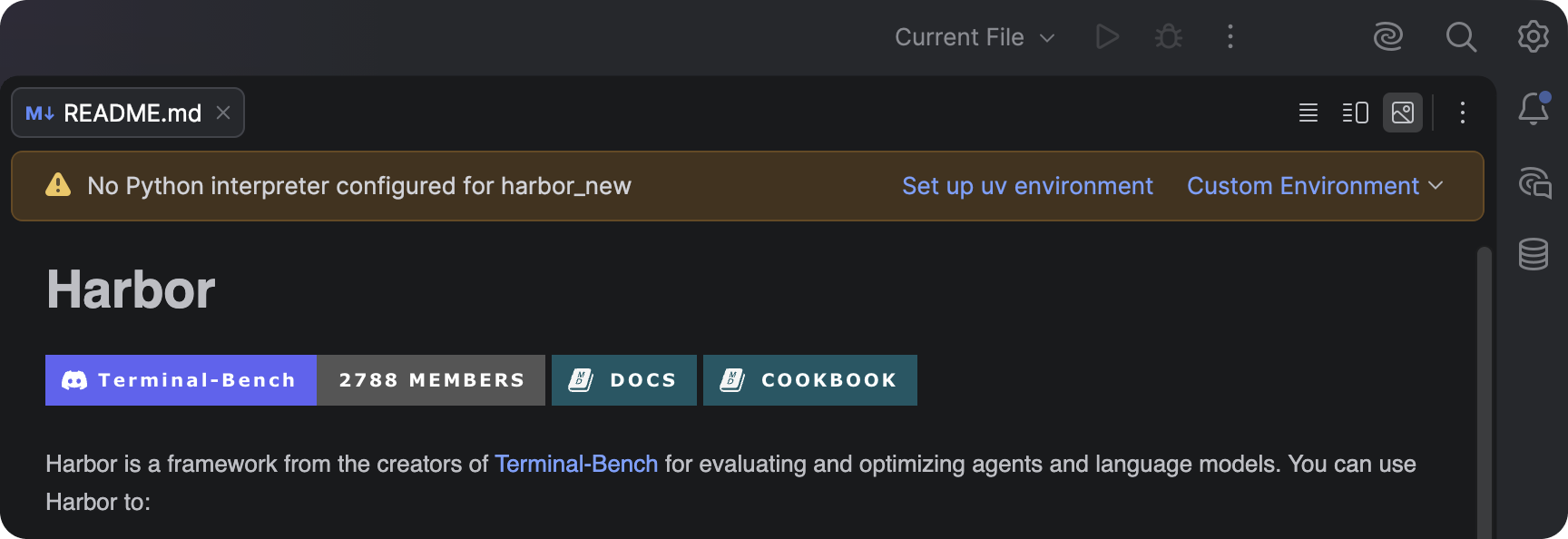
- Automated SDK Synchronization: The IDE now dynamically checks for compatible environments. If a project is missing a local environment, PyCharm suggests the creation of a
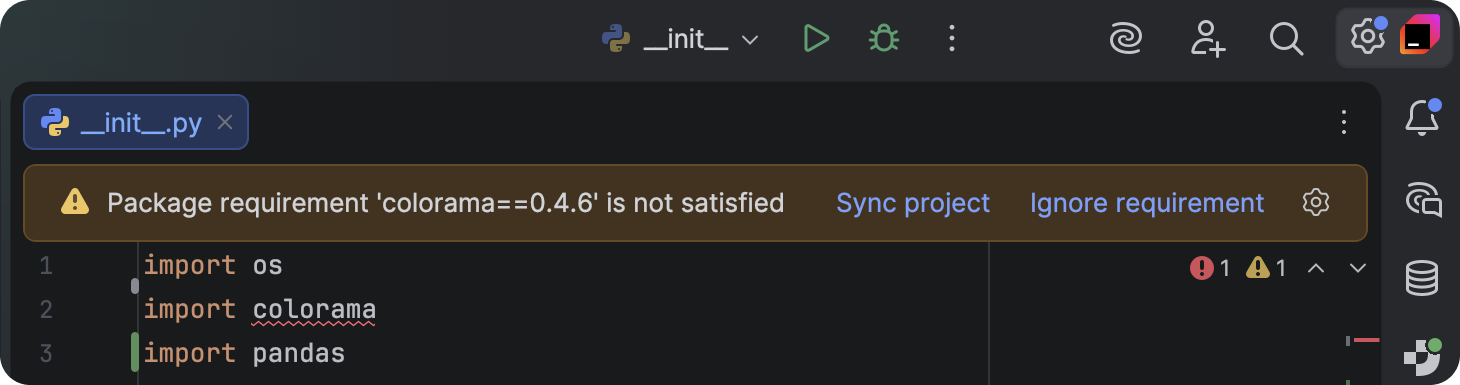
uvor standard virtual environment, streamlining the onboarding process. - Proactive Health Monitoring: The IDE continuously monitors for "dependency drift"—situations where imports in the code do not match the defined requirements in
pyproject.toml—and provides one-click quick-fixes.
Chronology: A New Era for Python Tooling
The integration of uv—the high-performance Python packaging tool—into the core of PyCharm marks a significant milestone in the tool’s development roadmap.

- Early 2026 (The Pre-Release Phase): As
uvgained traction in the open-source community for its lightning-fast performance, developers expressed a growing need for IDE-level orchestration that matcheduv’s speed. - May 2026 (The 2026.1.1 Release): JetBrains officially unveiled the Beta support for workspaces. This release was the culmination of months of internal research into how teams handle multi-project codebases.
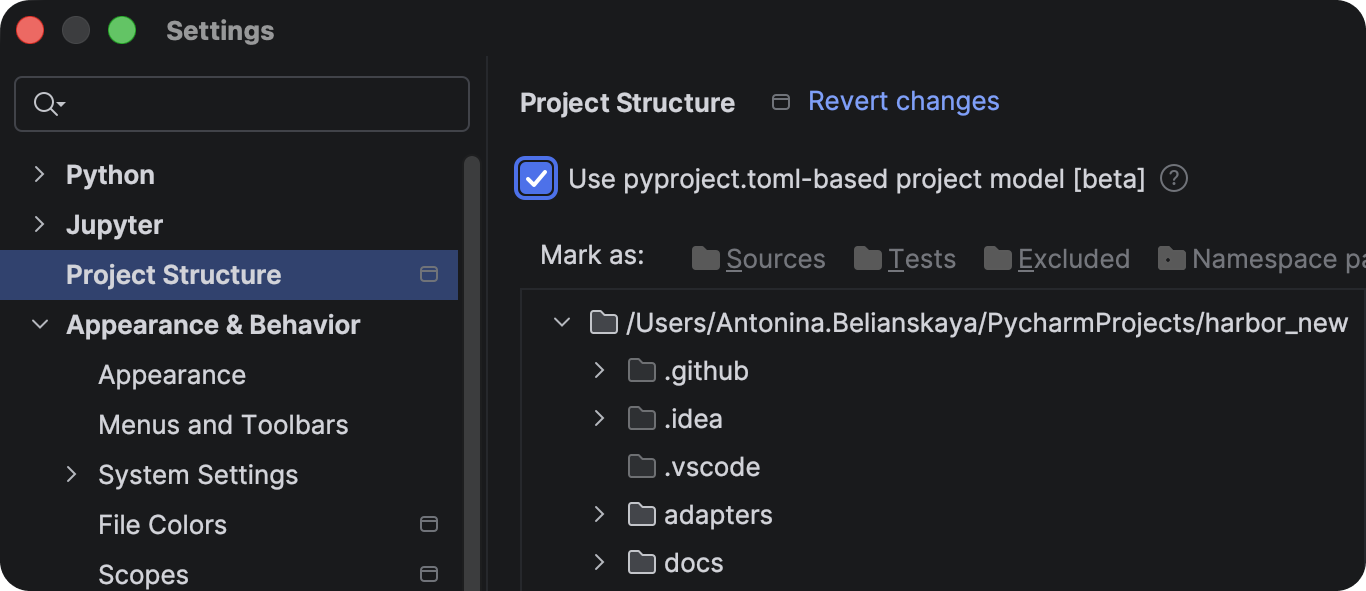
- The Current State (Beta): As of the latest update, the feature is opt-in, reflecting JetBrains’ cautious, user-centric approach to modifying core IDE behavior. This allows power users to test the integration in production environments while maintaining the ability to revert to manual configurations.
Supporting Data: Why Workspaces Matter
The rise of the "workspace" model is not merely a trend; it is a response to the technical debt accumulated by traditional project structures. According to internal metrics from JetBrains, developers working on projects with more than five interdependent modules spend approximately 15% of their development time manually configuring virtual environments and path variables.
By automating this, PyCharm 2026.1.1 aims to reclaim that time. The new Python Process Output tool window provides a "glass-box" approach to automation. By exposing commands like uv sync --all-packages directly within the IDE, developers can audit the background processes, ensuring that the automation is not a "black box" but a transparent, reliable assistant.
The Dependency Graph
The Settings | Project Dependencies view acts as a diagnostic tool. By parsing the pyproject.toml structure, PyCharm builds an internal model of the workspace. This is not just for visual reference; it informs the IDE’s code completion, refactoring, and static analysis tools, allowing them to traverse across package boundaries with absolute accuracy.
Official Perspective: The Philosophy of "Zero-Config"
The design team at JetBrains has emphasized that this release is the first step in a "Zero-Config" philosophy. Antonina Belianskaya, a lead advocate for this initiative, notes that the goal is to allow the developer to focus on logic rather than environmental plumbing.
"Our objective is to make the IDE an extension of the developer’s intent," says a spokesperson from the PyCharm team. "When a developer imports a package that isn’t present in the environment, they shouldn’t have to leave the editor to fix it. Our new import management system doesn’t just warn you—it updates your pyproject.toml and syncs the environment in a single, atomic operation."
This approach acknowledges that modern Python development is no longer about a single file or a single script. It is about managing complex, interconnected systems where the "environment" is as dynamic as the code itself.
Implications: The Future of Python Development
The implications of this update for the Python ecosystem are profound, particularly for large enterprises and open-source foundations.
1. Standardization of Tooling
By providing first-class support for uv, Poetry, and Hatch, JetBrains is effectively signaling the industry standard for the next generation of Python packaging. This move encourages teams to move away from legacy requirements.txt workflows toward more robust, version-controlled dependency management.
2. Lowering the Barrier to Entry
New developers joining a large project often struggle with the "it works on my machine" syndrome. By centralizing the workspace configuration within the pyproject.toml file and having the IDE handle the environment setup, the friction of onboarding new contributors is drastically reduced.
3. The Road Ahead
While the current features are robust, the roadmap for the remainder of 2026 suggests even greater integration. JetBrains has confirmed that future updates will include:
- Project Creation Wizards: Tools to scaffold new packages within an existing workspace automatically.
- Advanced Terminal Integration: Context-aware terminal sessions that automatically activate the correct environment based on the directory the developer is currently working in.
- Dependency Visualization Enhancements: Interactive, graphical maps that allow for drag-and-drop management of project relationships.
Conclusion
PyCharm 2026.1.1 is more than a routine update; it is a strategic pivot toward the future of software architecture. By embracing the workspace-centric model and providing deep, intelligent support for modern tools like uv, JetBrains is ensuring that PyCharm remains the primary choice for Python developers navigating the complexities of modern, modular codebases.
As the Beta program continues, the community’s feedback will be the critical factor in refining these tools. Developers are encouraged to engage with the JetBrains YouTrack issue tracker to report bugs, suggest features, and help shape the next iteration of the world’s most powerful Python IDE.
With this release, the message to the Python community is clear: Complexity is no longer a barrier; it is a managed process.


 Jia Lissa
 Nila Kartika Wati
 Raul Delapena Setiawan
 Reynand Wu
 Sagoh
Sagoh

 Azzam Bilal Chamdy
 Ali Ikhwan