
 Dwi Wanna
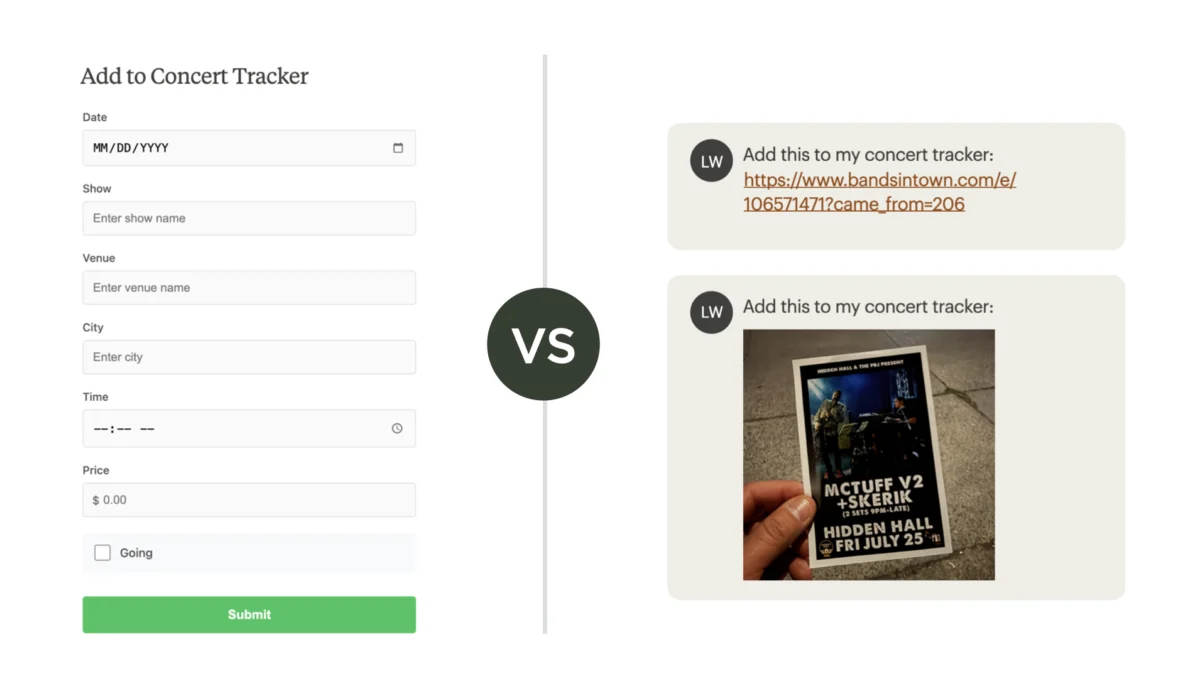
While the global discourse on Artificial Intelligence remains fixated on the gargantuan, headline-grabbing power of frontier models like OpenAI’s GPT-4 or Anthropic’s Claude, a more tectonic shift is occurring beneath the surface. A new generation of fast, inexpensive, and highly efficient AI models is permeating the digital landscape, embedding "bits of intelligence" into the mundane fabric of daily software.
This shift marks a departure from the "god-mode" AI narrative. It signals a move toward a future where intelligence is not a centralized oracle we consult, but a distributed utility that makes software flexible, anticipatory, and fundamentally human-centric. As we stand at this precipice, we are finally witnessing the death of the deterministic interface and the birth of a paradigm where software finally learns to adapt to us, rather than the other way around.
The Deterministic Legacy: A History of Rigid Logic
For the better part of the last half-century, software development has been synonymous with determinism. From the command-line interfaces of the 1970s to the bloated, menu-driven enterprise applications of the 2010s, the developer’s mandate was clear: define the parameters, constrain the user, and ensure the system behaves exactly as programmed.
The Era of "Computer-Speak"
Throughout the history of personal computing, the burden of translation has rested solely on the human. If a user wanted to find a specific document, they had to understand the file system hierarchy. If they wanted to filter data, they had to learn the exact Boolean operators required by the search bar. We were trained to memorize iconography, navigate labyrinthine sub-menus, and interpret cryptic, machine-generated error messages that often felt like a digital reprimand for our own confusion.
This rigidity wasn’t a design choice; it was a technical necessity. Computers lacked the nuance to interpret human intent. To function, they required structured inputs. Consequently, the user interface (UI) became a series of rigid containers—forms with strict validation rules, databases with inflexible schemas, and search bars that broke the moment you deviated from the expected syntax.
The Technological Pivot: The Rise of Small-Scale AI
The current shift is powered by a realization that we do not always need a massive, all-knowing model to solve a specific problem. Instead, the industry is pivoting toward smaller, task-specific models that can be deployed at the edge or via low-latency APIs.
The Mechanics of the Shift
These smaller models are computationally inexpensive, allowing them to be threaded into existing software workflows without introducing significant latency or cost. By embedding these models, developers are essentially giving software a layer of "semantic intuition."
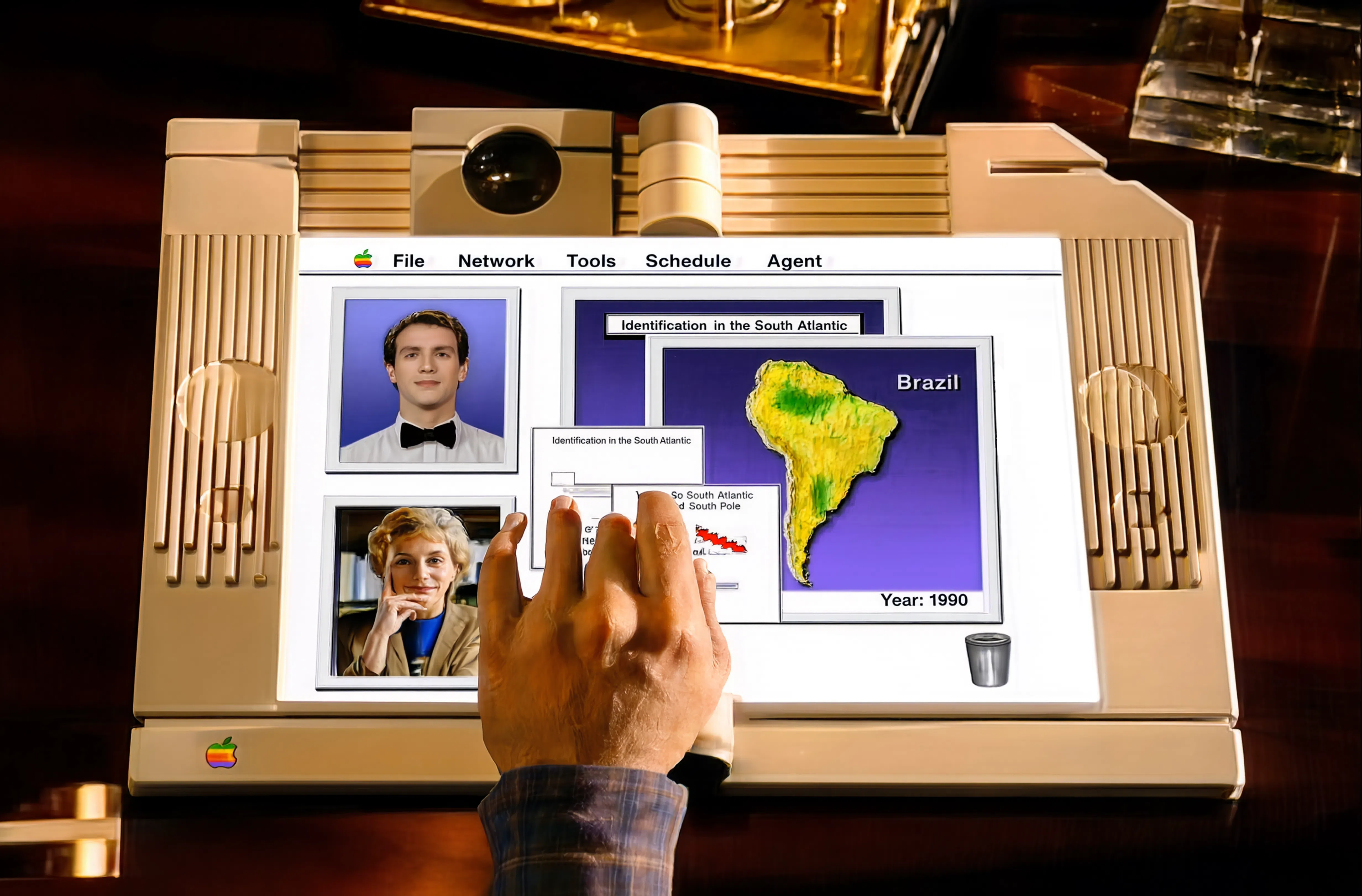
Take, for instance, the evolution of search. Historically, search was a literal exercise. Today, semantic search—powered by small, localized embedding models—allows a user to ask a question in plain, conversational English. The software no longer looks for matching keywords; it interprets the intent behind the query, translates it into the necessary backend syntax, and retrieves the relevant data. The "computer-speak" layer is effectively abstracted away, leaving the user with a fluid, natural experience.
Similarly, multi-modal parsing is revolutionizing data entry. Instead of forcing a user to manually fill out a 20-field form, a small AI model can ingest a photograph of a document or a raw PDF, parse the unstructured text, and populate the database automatically. The human is no longer a data entry clerk; they are an editor and an overseer.
Chronology of an Interface Revolution
To understand where we are going, we must look at the trajectory of the user interface over the last 40 years:
- 1980s – The Command Era: The user is a programmer. Mastery of syntax is the price of admission.
- 1990s – The Graphical Era: The introduction of the WIMP (Windows, Icons, Menus, Pointer) model. We move from syntax to recognition. We learn where things are, even if the system remains rigid.
- 2000s – The Web/Mobile Era: Interfaces become ubiquitous. Constraints are tightened to ensure consistency across small screens, but the underlying logic remains strictly deterministic.
- 2020s – The Semantic Era: The current inflection point. AI models allow software to move from deterministic inputs to intent-based processing. The interface begins to disappear.
Supporting Data: Efficiency and User Adoption
The economic and functional arguments for this shift are overwhelming. Industry data suggests that companies integrating small-scale AI models into their UX are seeing a 30% to 50% reduction in "user friction" metrics.
When software can handle the translation between human intent and machine logic, support tickets related to "how-to" questions plummet. Users spend less time wrestling with the interface and more time achieving their goals. Furthermore, the cost of these model inferences has dropped by an order of magnitude in the last 24 months, making it economically viable to include AI as a standard feature in everything from simple productivity apps to complex CRM systems.
The Vision: The Ghost of the Knowledge Navigator
The blueprint for this shift was famously articulated in 1987 by Apple’s "Knowledge Navigator" concept video. The video depicted a researcher using a tablet-like device that responded to natural language, understood context, and acted as a collaborator rather than a tool.
For decades, the Knowledge Navigator was viewed as a piece of science fiction—an aspirational goal that the technology of the 20th century could never reach. We lacked the processing power to handle natural language in real-time. We lacked the multi-modal sensors to "see" the world as the user did.
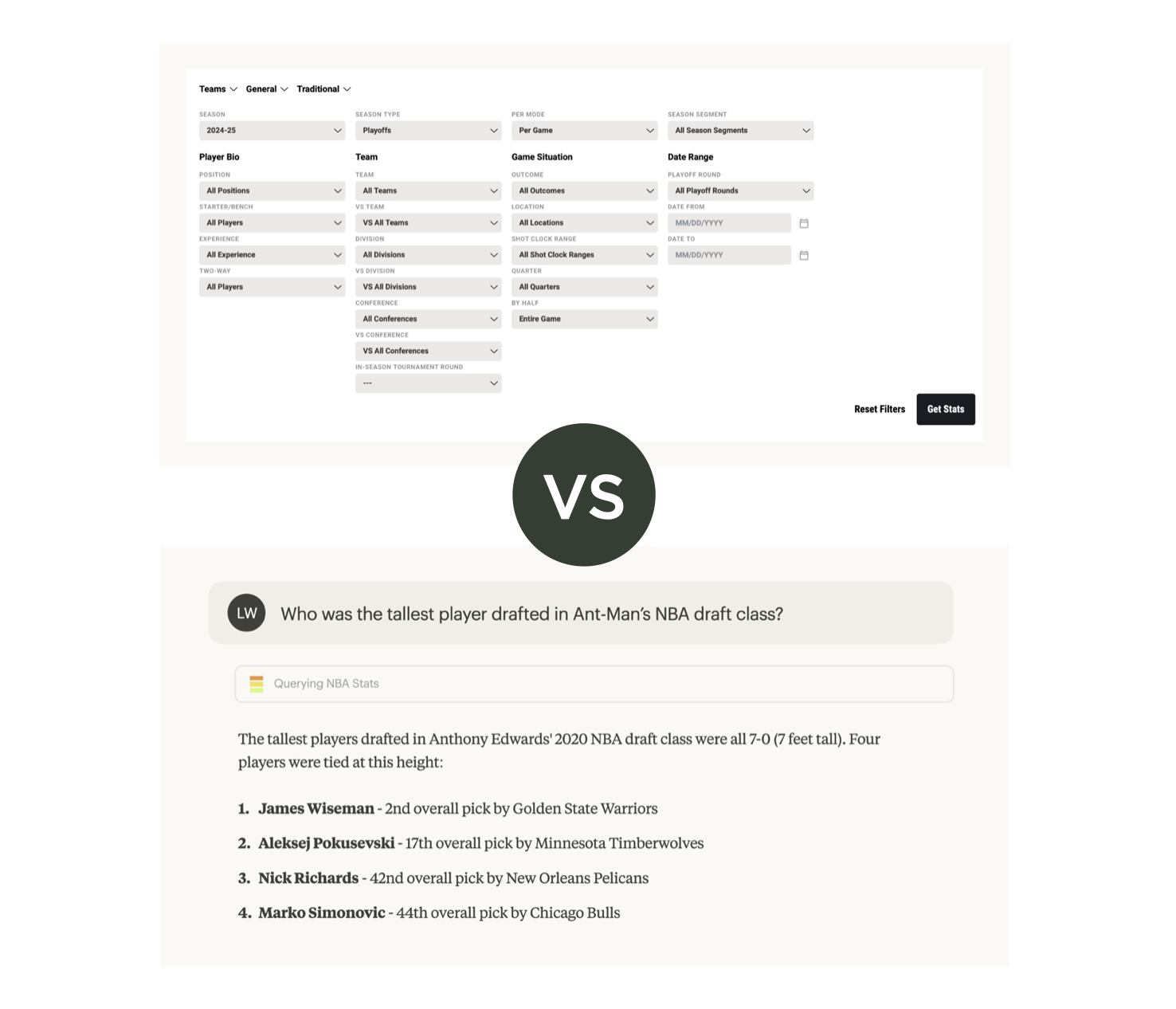
Today, we are finally catching up to that vision. We are approaching a point where:
- Natural Language is the OS: There are no commands to memorize.
- Fuzzy Search is the Standard: There is no syntax to learn; the system understands what "close enough" looks like.
- Direct Manipulation is Intuitive: Through touch and vision-based AI, the software understands the context of our actions.
Implications for the Future of Design
The implications of this shift are profound, particularly for the discipline of UI/UX design.
1. The Death of the "Empty State"
Designers have long obsessed over the "empty state"—the screen a user sees before they have added data. In the future, the empty state will be a thing of the past. If the software understands human intent, it can proactively suggest content, pre-fill data, and anticipate the user’s next move.
2. The Rise of the "Invisible Interface"
As software becomes more intelligent, the UI should ideally fade into the background. The best interface is often the one that requires the least amount of effort to reach the desired outcome. We are moving toward a world of "agentic" software, where the system is a partner that performs tasks on our behalf.
3. Ethical and Accessibility Concerns
However, this transition is not without risk. As we move away from deterministic systems, we lose a level of predictability. If an AI "guesses" what a user wants, and it guesses wrong, the result can be frustrating or even harmful in high-stakes environments like healthcare or finance. Furthermore, accessibility remains a challenge; we must ensure that these "natural" interfaces are inclusive of those with different linguistic backgrounds or cognitive abilities.
Conclusion: Acting Like People, Not Computers
The ultimate goal of computing has always been to extend human capability without requiring humans to compromise their nature. For too long, we have been forced to act like machines—precise, literal, and patient—to get the most out of our tools.
By embedding small, fast, and intelligent models into the software we use every day, we are finally breaking those shackles. We are moving toward a future where the computer does the heavy lifting of translation and interpretation. It is a shift that promises to make our digital lives not just more efficient, but more human. We are no longer learning to speak "computer"; we are finally teaching computers how to understand us.

 Suro Senen

 Evan Lee Salim
 Asep Darmawan
 Nana Muazin

 Nila Kartika Wati

 Sagoh
