
 Sagoh
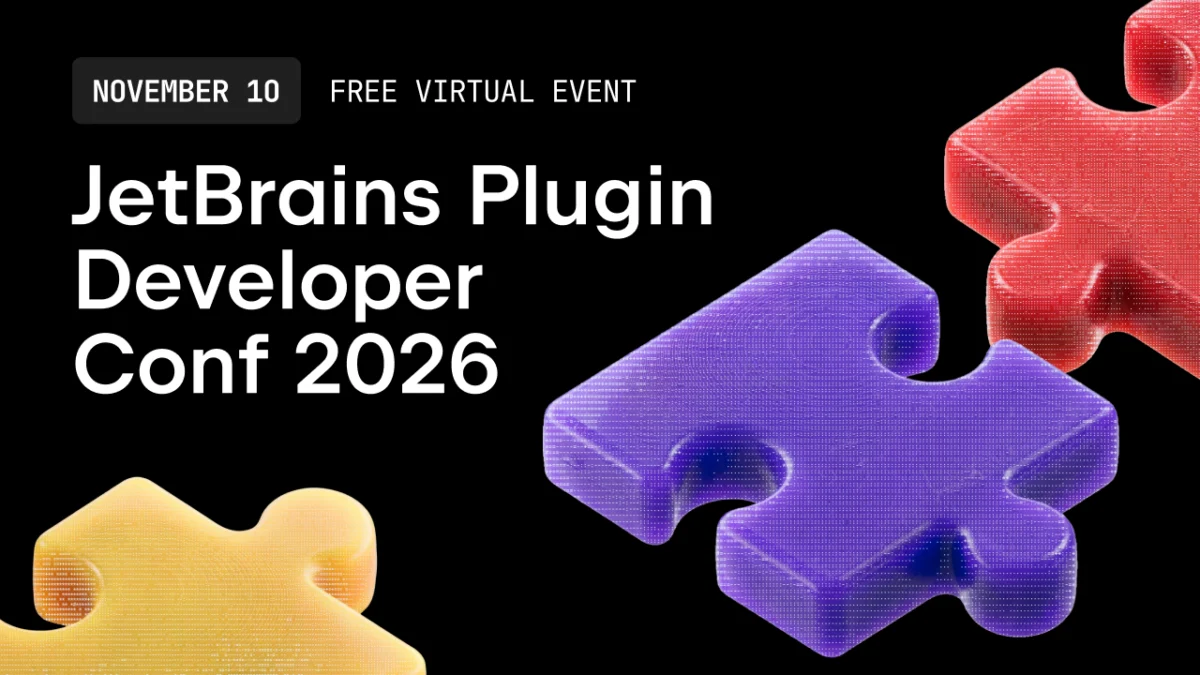
As the landscape of software development shifts toward agentic workflows and cross-platform flexibility, the importance of a robust, extensible IDE has never been higher. JetBrains, the architects behind the ubiquitous IntelliJ Platform, have released their quarterly update, signaling a massive push toward modernizing plugin development, enhancing marketplace transparency, and preparing the community for the upcoming 2026 Plugin Developer Conference.
The Main Event: Plugin Developer Conf 2026
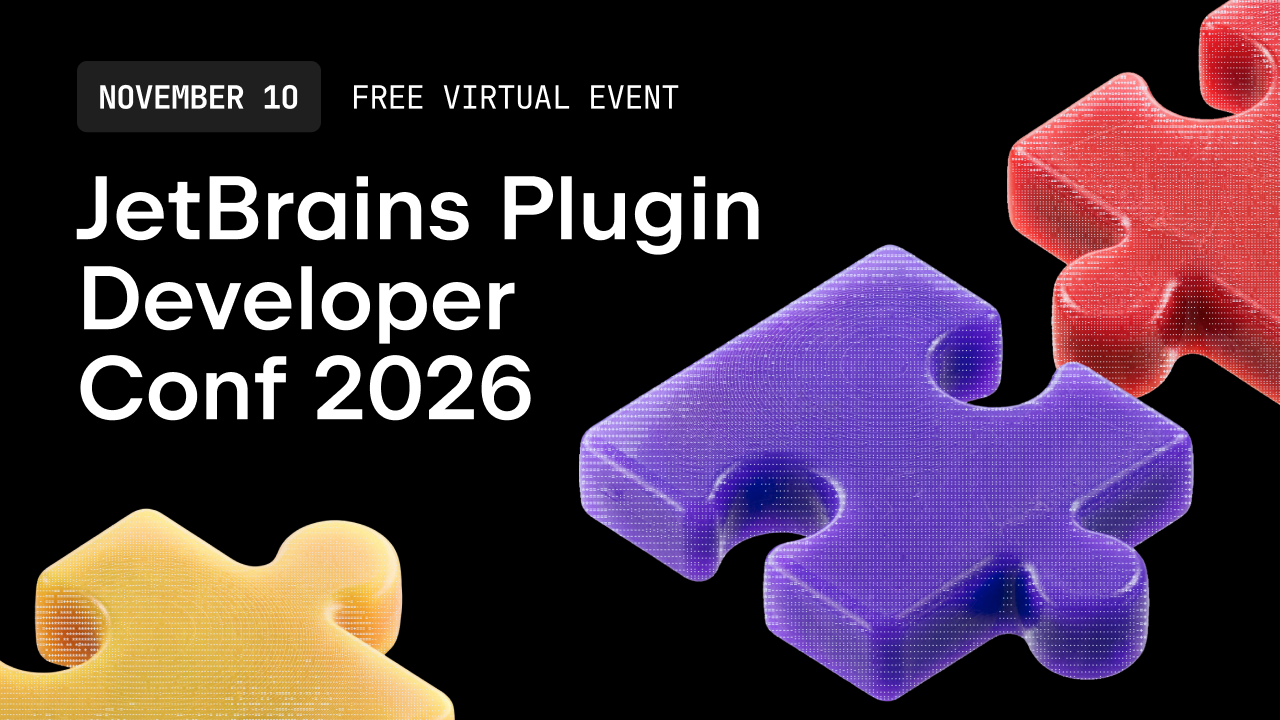
On November 10, 2026, JetBrains will host its annual virtual Plugin Developer Conference. This free-to-attend event serves as the cornerstone for the ecosystem, bridging the gap between independent developers and enterprise giants like SAP and Broadcom.
The conference agenda reflects a significant pivot in development paradigms. While legacy concerns remain, the spotlight is firmly fixed on the integration of AI-assisted development. Attendees can expect deep dives into the practical application of AI, moving beyond the hype to analyze where automated assistants genuinely enhance productivity—and where they fail to provide value. The conference will also address the architecture of the future, covering the integration of Language Server Protocols (LSP), Windows Subsystem for Linux (WSL) compatibility, and the increasing reliance on web-based user interfaces within plugins.
Chronology of Platform Evolution
The evolution of the IntelliJ Platform throughout 2026 has been marked by a transition from monolithic structures to more agile, modular workflows.
- Early 2026: Introduction of the new web-based IDE Plugin Generator, marking a departure from the rigid, IDE-only wizard approach.
- Mid-2026: Major architectural updates regarding WSL support, focusing on the "EelApi" and "IJent" agent, which enabled a 38% increase in performance for WSL project operations.
- Late 2026: Implementation of granular marketplace reporting tools, allowing developers to track UI freezes with diagnostic precision.
- November 2026: The upcoming Plugin Developer Conference, set to codify these shifts into standard practices for the coming year.
Marketplace Transparency: Solving the "UI Freeze" Mystery
One of the most persistent challenges for plugin developers is the "it works on my machine" phenomenon, specifically regarding UI freezes. In a significant move toward developer empowerment, the JetBrains Marketplace has introduced a dedicated "Freezes" tab.

Previously, if a user reported a UI hang, developers were often left guessing, relying on anecdotal evidence or incomplete log files. The new system automatically collects UI freeze reports, including comprehensive thread dumps and CPU snapshots. According to JetBrains advocate Jakub Chrzanowski, this data is now bridgeable with AI agents, which can analyze the thread dumps to pinpoint the exact line of code causing the bottleneck. This shift toward actionable diagnostics is expected to drastically reduce the support burden for plugin maintainers while improving the stability of the entire JetBrains ecosystem.
Furthermore, the Marketplace has streamlined the documentation process. Developers can now update plugin descriptions independently of the plugin archive. By decoupling the metadata from the binary, JetBrains has lowered the friction for maintaining high-quality, up-to-date documentation, ensuring that users always see the latest features without the developer needing to trigger a full build cycle.
Supporting Data: Tooling Upgrades
To support these high-level architectural changes, the underlying toolchain has seen significant maintenance and performance improvements:
IntelliJ Plugin Verifier 1.411
The Plugin Verifier remains the gatekeeper of binary compatibility. Version 1.411 brings refined checks that ensure plugins do not call deprecated or removed APIs in the latest IntelliJ builds. This is critical as the platform shifts toward newer Java standards and internal API refactorings.
IntelliJ Platform Gradle Plugin 2.19.0
The Gradle plugin is the heartbeat of the build process. Version 2.19.0 focuses on tightening the integration between the build environment and the IDE itself. By optimizing the verification, testing, and publishing pipelines, JetBrains has reduced the time-to-deployment, allowing developers to iterate faster on complex, multi-module projects.

The Shift Toward "Agentic" Development
A major theme in the current discourse—and one that is rippling through the plugin ecosystem—is the "Agentic Turn." As AI agents become more capable of writing code, the role of the IDE is being re-evaluated.
In a recent editorial, JetBrains highlighted the necessity of the IDE as a "cockpit." While an AI agent may draft the implementation, the human developer remains the pilot, responsible for steering, verifying, and owning the output. This philosophy is driving new API designs, ensuring that plugins remain "agent-aware." Plugins must now be able to expose their functionality not just to humans via menus and buttons, but to AI agents via APIs that provide context, schema, and operational safety.
Official Responses and Strategic Implications
JetBrains’ strategy is clear: they are preparing the IntelliJ Platform to be the primary environment for the next generation of software, which will be characterized by distributed development (WSL/Dev Containers) and autonomous coding assistants.
For the independent developer, this creates both opportunity and pressure. The shift from JNA (Java Native Access) to Java’s FFM (Foreign Function and Memory) API, highlighted by community contributors like Patrick Scheibe, is a prime example of this professionalization. As the platform moves closer to the metal of the host OS, plugins must be more performant and more secure.
The implications for the ecosystem are twofold:
- Lower Barrier to Entry for Beginners: Tools like the web-based plugin generator and the "3-line state saving" tutorials make it easier for newcomers to contribute.
- Higher Bar for Enterprise Quality: The introduction of advanced diagnostic tools (UI freeze reporting) and strict version verification means that popular plugins are now held to a professional software engineering standard.
Best Practices: The "Release Channel" Strategy
Amidst these updates, JetBrains has reiterated a critical best practice for maintaining user trust: the use of release channels. Developers are encouraged to utilize alpha, beta, and EAP (Early Access Program) channels to distribute experimental features.
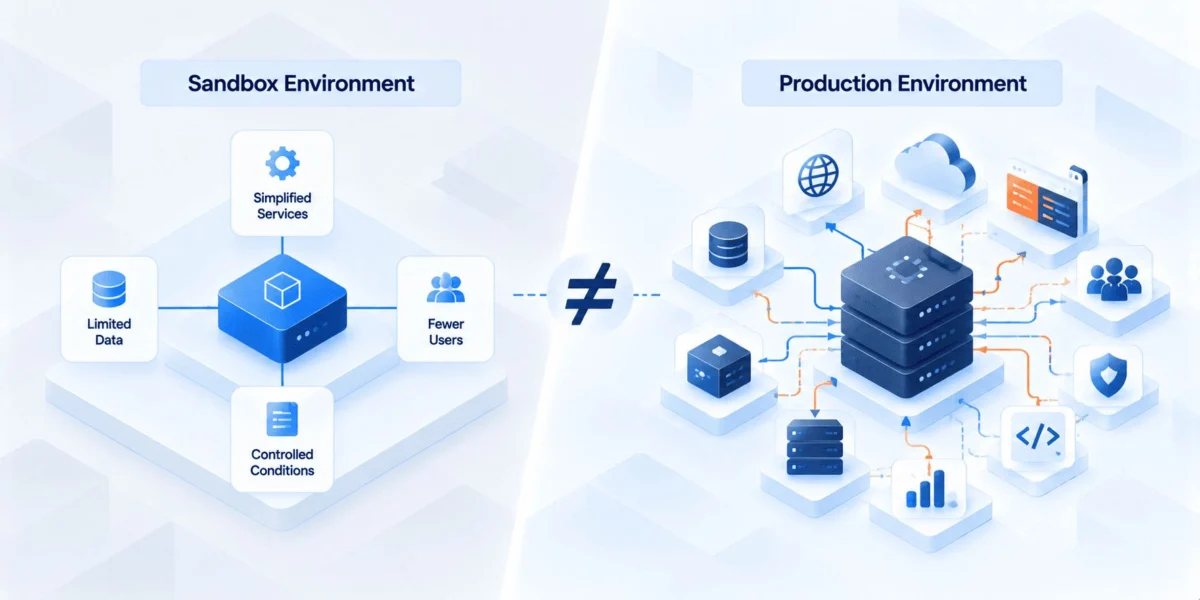
This tiered distribution model allows developers to gather telemetry and feedback from a subset of their user base without risking the stability of their production-grade release. By segmenting the audience, developers can iterate on features like AI integrations or experimental UI changes in a sandbox environment, effectively reducing the risk of "breaking" the IDE for the broader user base.
Conclusion: Preparing for the Future
The state of the IntelliJ Platform in late 2026 is one of maturation. The focus has moved away from simply "enabling" plugins to "professionalizing" them. By providing better diagnostic tools, faster build pipelines, and clearer guidance on how to integrate with modern AI workflows, JetBrains is ensuring that the ecosystem remains relevant in an increasingly automated world.
As developers prepare for the November conference, the consensus is clear: the IDE is not going away. Instead, it is becoming the central hub for the developer experience, and those who master the evolving plugin architecture will be the ones shaping the future of software construction. Whether through optimizing native calls via FFM, leveraging the new Marketplace diagnostic tools, or building plugins that act as robust interfaces for AI agents, the community is moving toward a more resilient, high-performance future.
For those interested in the future of the IntelliJ Platform, the upcoming conference will likely serve as the definitive guide to navigating these shifts. In the meantime, the integration of these new tools and the adoption of professional release cycles are the most immediate steps developers can take to ensure their projects remain competitive in an evolving marketplace.

 Muslim
 Dwi Wanna

 Iffa Jayyana

 Suro Senen

 Pevita Pearce

 Basiran

 Azzam Bilal Chamdy

 Nila Kartika Wati
