
 Reynand Wu
Google’s annual I/O developer conference has long served as a bellwether for the trajectory of the technology industry. However, the 2026 iteration, held in May, marked a definitive shift in the company’s identity. As CEO Sundar Pichai took the stage, the message was clear: Google has moved past the era of mere chatbot experimentation and into the "agentic Gemini era." This is a fundamental pivot toward AI that does not just respond to prompts but actively executes tasks, navigates digital ecosystems, and functions as a proactive partner in daily life.
The Architecture of Agency: A Full-Stack Transformation
Ten years after Google initiated its "AI-first" pivot, the company is now reaping the benefits of a full-stack innovation strategy. By vertically integrating custom silicon, cutting-edge research, and pervasive product platforms, Google has achieved an unprecedented scale of operation.
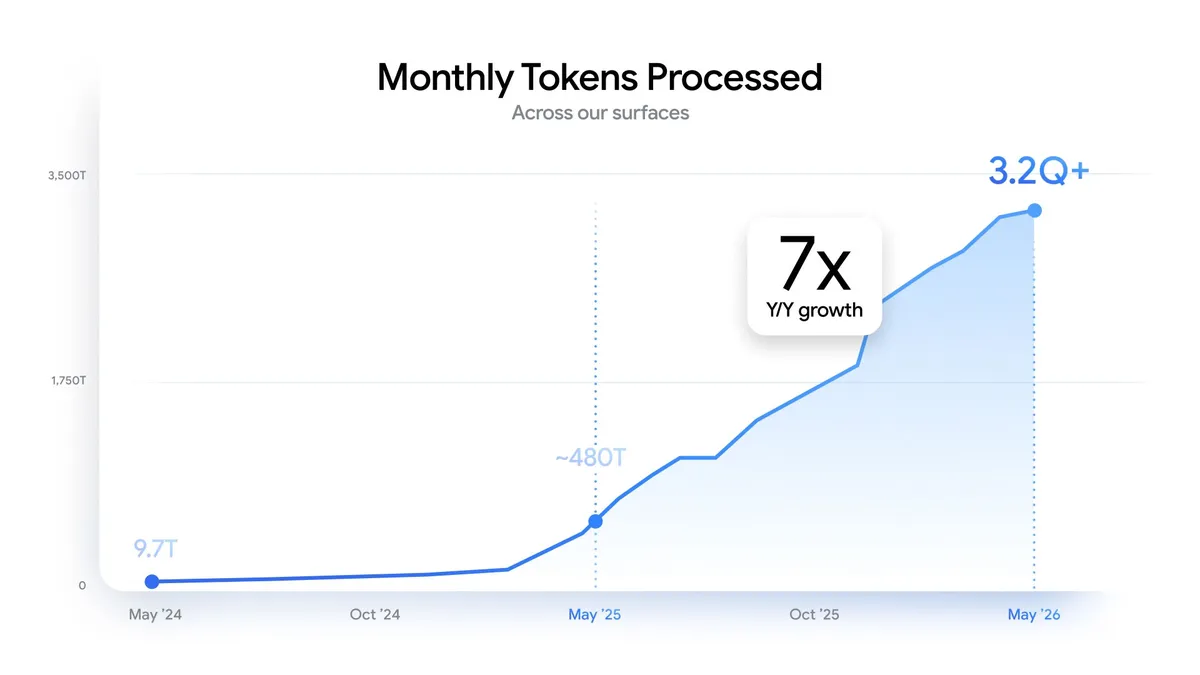
The most striking metric shared during the keynote was the volume of data processing. Two years ago, Google was processing roughly 9.7 trillion tokens per month across its surfaces. By last year, that figure reached 480 trillion. Today, that number has exploded to over 3.2 quadrillion tokens per month—a sevenfold increase in just one year. This staggering growth serves as a proxy for the ubiquity of AI in the modern digital experience.
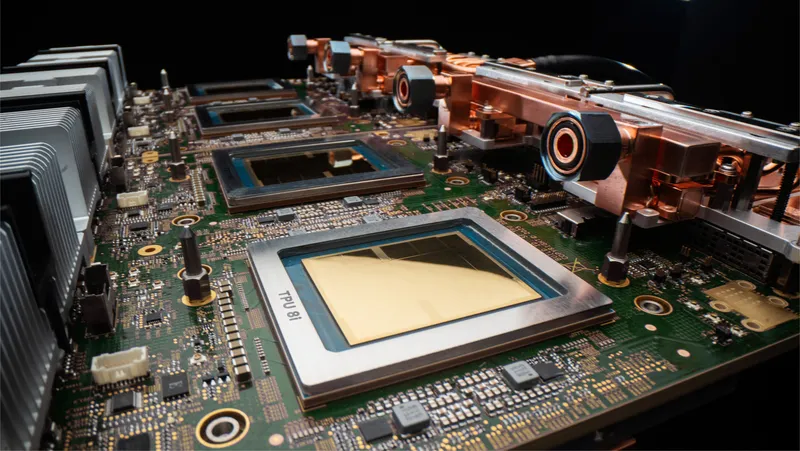
Central to this capability is the eighth generation of Google’s Tensor Processing Units (TPUs). For the first time, Google has adopted a dual-chip architecture: the TPU 8t, optimized for high-intensity training, and the TPU 8i, specialized for rapid inference. These chips are not only faster but significantly more energy-efficient, offering double the performance-per-watt compared to their predecessors—a critical achievement as the company scales its infrastructure to meet the demands of an agentic future.

Chronology of Innovation: From Search to Agents
The transformation of Google’s product suite is occurring with remarkable speed. The journey from static information retrieval to dynamic, agentic interaction can be traced through several key announcements at this year’s I/O:
- Search Evolution: AI Overviews now boast 2.5 billion monthly active users, while "AI Mode" has reached 1 billion users in its first year. Search is no longer a transactional query engine; it has become an ongoing, multi-modal conversation.
- The Gemini App: With 900 million monthly active users, the Gemini app has more than doubled its audience size since last year, with daily request volumes surging sevenfold.
- Gemini 3.5 Flash: Introduced as the workhorse of the new era, Gemini 3.5 Flash provides "frontier intelligence" at a fraction of the cost. It is optimized for agentic coding and complex workflows, allowing developers to scale their operations without ballooning costs.
- Gemini Spark: The ultimate manifestation of the agentic shift, Gemini Spark is a personal AI agent designed to navigate the user’s digital life, working in the background to proactively assist with tasks.
Supporting Data: Efficiency and Scalability
The economics of AI are changing. As companies face the pressures of soaring compute costs, Google is positioning Gemini 3.5 Flash as a fiscal imperative. According to data provided by the company, if a large enterprise were to shift 80% of its workload from traditional frontier models to Gemini 3.5 Flash, they could realize annual savings exceeding $1 billion.
Furthermore, internal developer velocity has seen a massive uptick. Google’s internal platform, "Antigravity," which manages cohorts of autonomous agents, has seen internal token processing jump from 500 billion a day in March to over 3 trillion a day by May. This internal feedback loop—where the company uses its own AI to build better AI—has created an acceleration cycle that is difficult for competitors to match.
Official Perspectives: The Push for Transparency
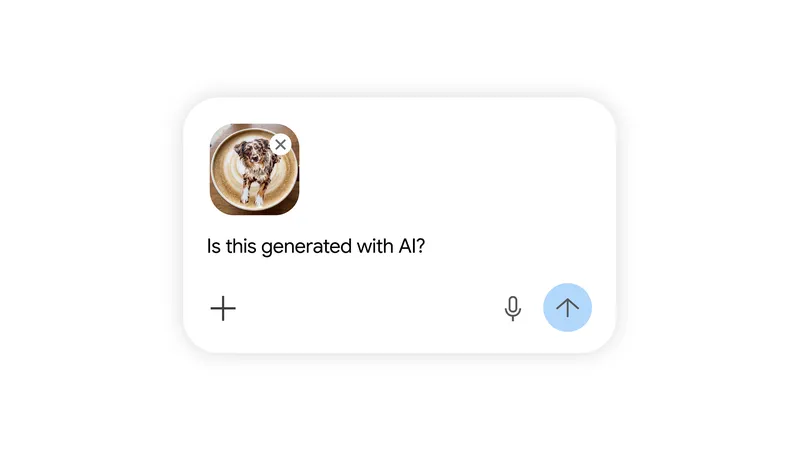
While the shift toward agentic AI promises massive productivity gains, it also brings the challenge of content provenance. In a world where high-quality deepfakes can be created with ease, Google is doubling down on its "SynthID" watermarking technology.
"Research shows people can correctly identify high-quality deepfake videos only about a quarter of the time," noted the company. To combat this, Google has watermarked over 100 billion images and videos to date. The significant news at I/O 2026 is that this is no longer a proprietary effort. Major industry players, including OpenAI, Kakao, and Eleven Labs, have signed on to adopt SynthID. This cross-industry collaboration signals a broader commitment to establishing a global standard for AI transparency and content verification, including the integration of "Content Credentials" across Search and Chrome.
Implications: A New Era for Productivity
The implications of this shift are profound, both for consumers and enterprises.
For the Consumer: The Proactive Assistant
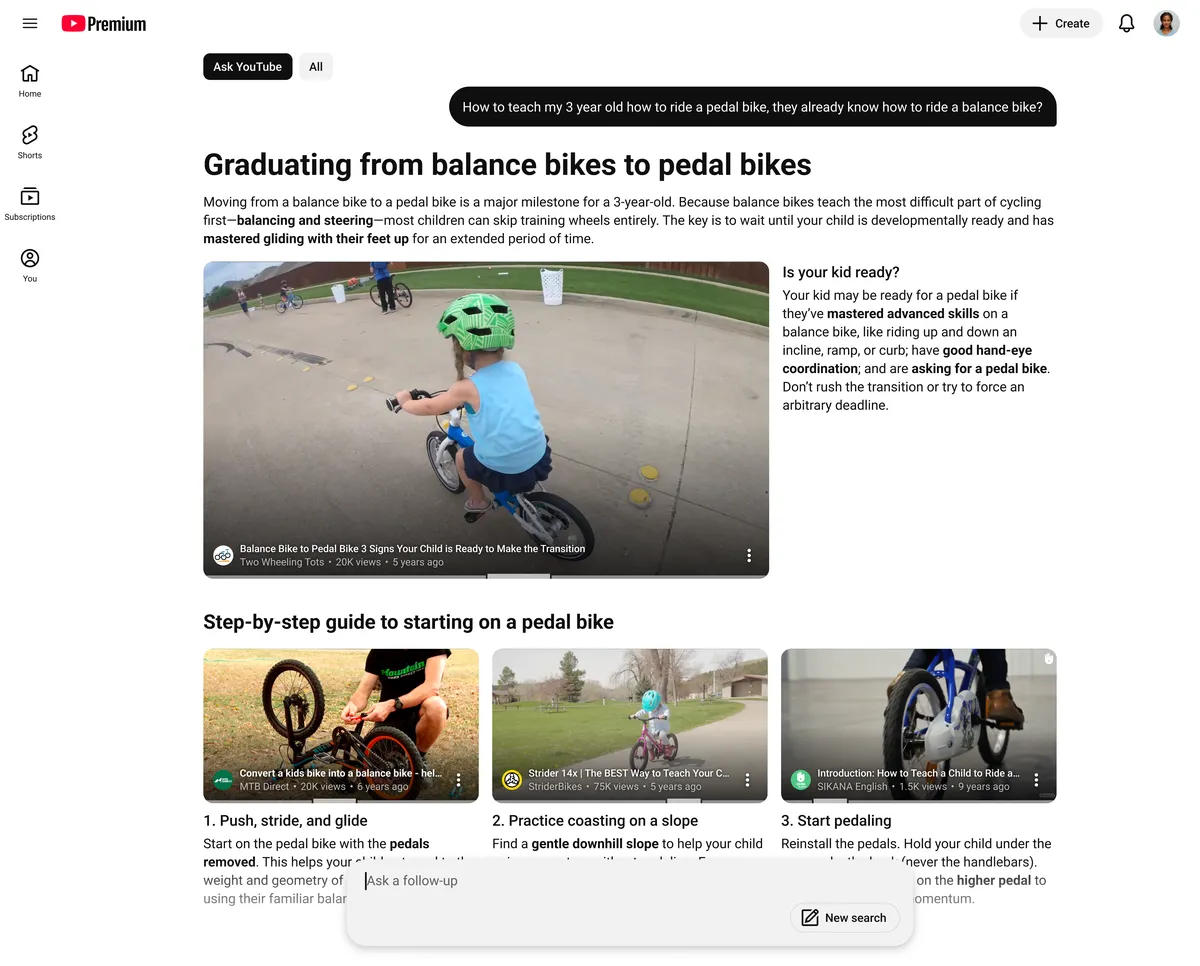
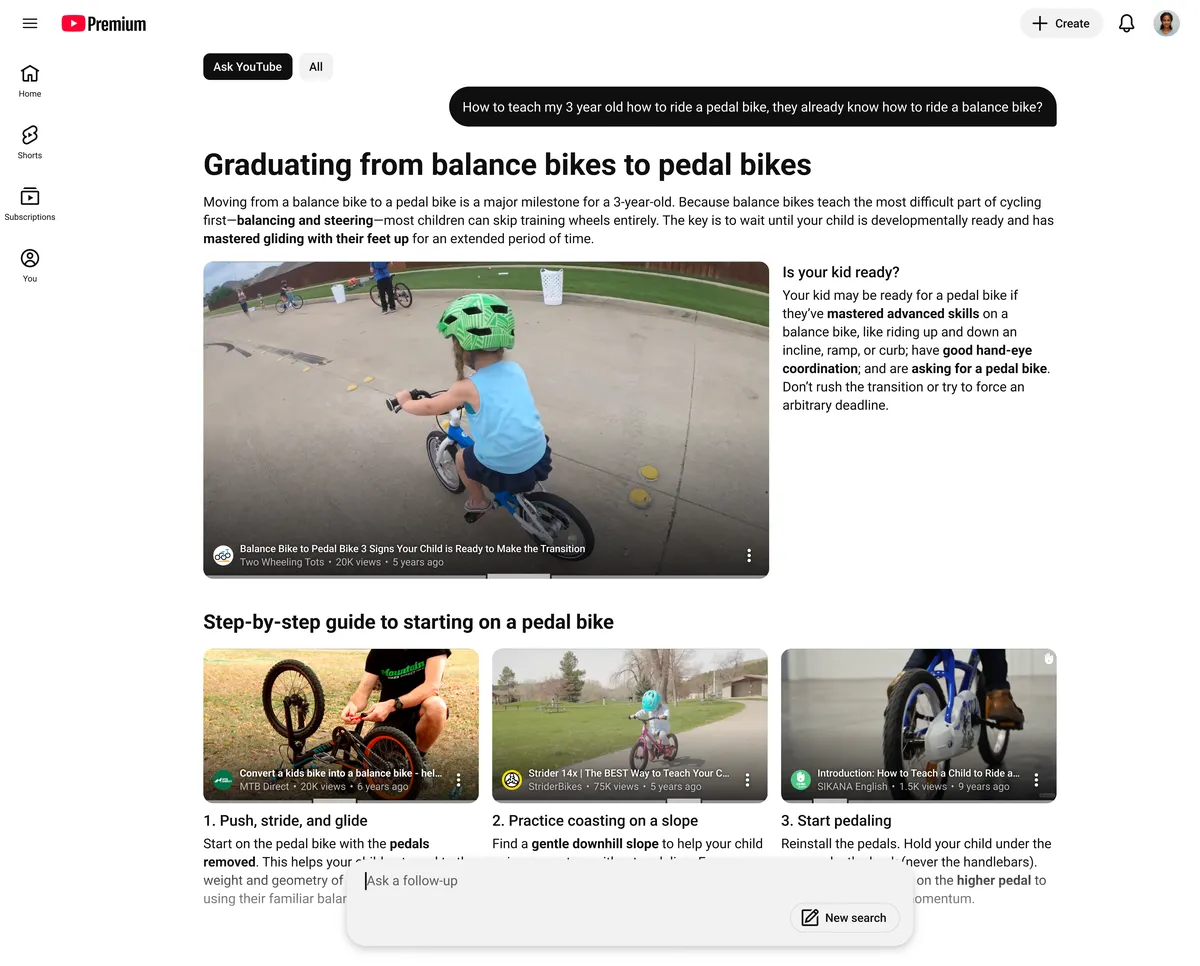
With "Ask YouTube," users no longer need to scrub through long videos to find answers; the AI jumps directly to the relevant segment. With "Docs Live," the friction of typing is removed, allowing users to "brain dump" ideas into a document that Gemini then structures and edits in real-time. This is the definition of "agentic"—the AI does not just provide information; it performs the labor of creation and navigation.
For the Developer: The Rise of Antigravity 2.0
The release of Antigravity 2.0 marks a departure from traditional coding environments. It is a standalone application that acts as a central hub for managing "cohorts of autonomous AI agents." Developers can now orchestrate complex, multi-step workflows that run in the background, far beyond the confines of a simple text editor.
For Information Discovery: The Agentic Search
Perhaps the most ambitious project is the introduction of "information agents" within Search. These agents act as persistent trackers for long-running tasks. If a user is researching a complex project, the agent can, in the background, continue to monitor sources, update trackers, and organize information into "mini-apps." This effectively turns the Search engine into a dynamic, personalized workspace.
Conclusion: A Fundamental Shift in Human-Computer Interaction
As Google looks toward the fall, with plans to release "intelligent eyewear" that integrates these same Gemini agentic capabilities into the physical world, it is clear that the "agentic Gemini era" is not merely a marketing term. It represents a fundamental transition in how humans interact with digital tools.
We are moving away from a world where we command machines to perform specific functions and toward a world where we delegate intentions to agents that understand our goals and act on our behalf. By investing $180 to $190 billion in annual capital expenditure, Google is betting the future of its company—and the future of the internet—on the belief that the most valuable AI is not the one that talks the best, but the one that does the most.
The stage is set. With the 3.5 model series, the expansion of Antigravity, and the broad adoption of provenance standards like SynthID, Google has laid the infrastructure for a decade of agent-driven discovery. The era of the proactive, intelligent, and persistent digital assistant has officially arrived.


 Rifan Muazin
 Asep Darmawan

 Sagoh

 Laily UPN

 Dwi Wanna

 Evan Lee Salim

 Iffa Jayyana
