
 Asep Darmawan
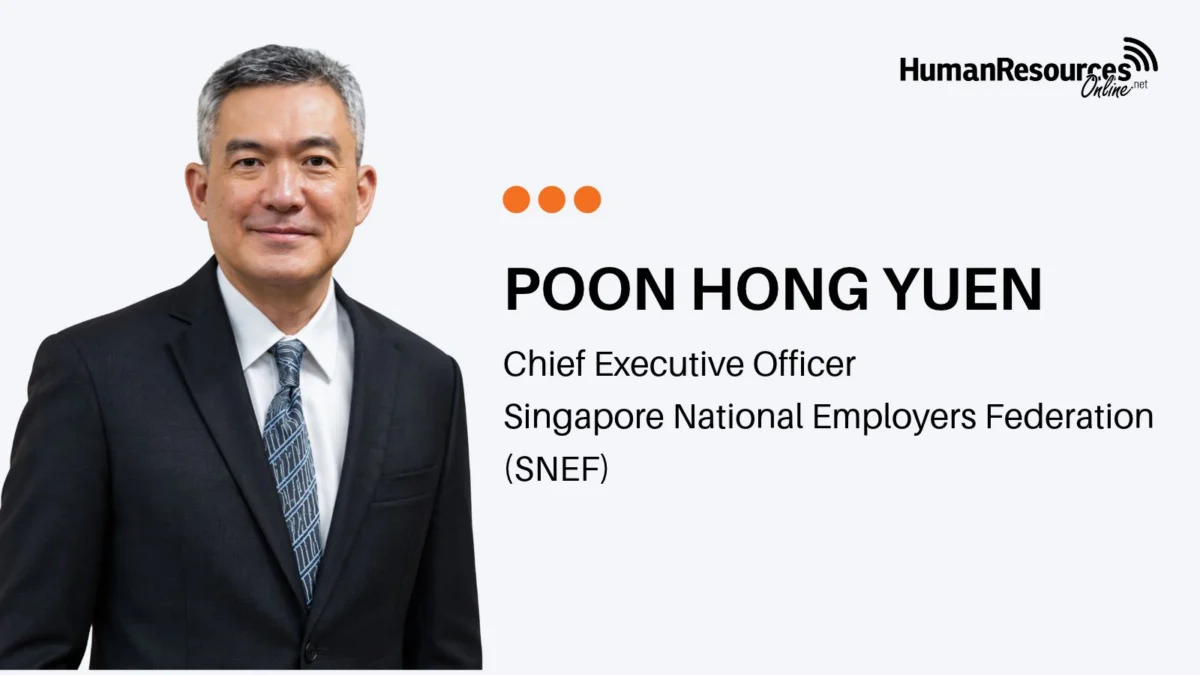
The Singapore National Employers Federation (SNEF) has announced a significant leadership transition that underscores the organization’s commitment to navigating an increasingly complex global economic landscape. Poon Hong Yuen, a seasoned public service leader with extensive experience in workforce policy and digital transformation, has been appointed as the Chief Executive Officer (Designate) of SNEF.
Mr. Poon will officially begin his journey with the federation on November 1, 2026, as CEO (Designate), before formally assuming the mantle of Chief Executive Officer on December 1, 2026. He succeeds Hao Shuo, who is slated to depart the federation to take up a new strategic role within the Singapore public service. This transition marks a pivotal moment for SNEF as it seeks to strengthen its role in Singapore’s unique tripartite framework, ensuring that the interests of employers are balanced with the needs of a modern, tech-driven workforce.
Chronology of the Transition: A Planned Succession
The leadership change at SNEF is characterized by a deliberate and structured handover period, reflecting the federation’s emphasis on stability and continuity.
The Outgoing Tenure of Hao Shuo
Hao Shuo joined SNEF as CEO in December 2024. Despite a relatively concise tenure, his leadership coincided with a period of rapid legislative and economic adjustment in Singapore. Under his guidance, SNEF played a critical role in reviewing employment laws and policies, ensuring that businesses remained competitive while adapting to new labor standards. Mr. Hao was instrumental in deepening SNEF’s engagement with its growing membership base and enhancing the federation’s research and communication capabilities. His departure to the public service marks the conclusion of a chapter focused on institutional strengthening and policy advocacy.
The Interim and Appointment Dates
To ensure a seamless transition, the following timeline has been established:
- Late 2024 – Late 2026: Hao Shuo continues to lead and finalize ongoing tripartite initiatives.
- November 1, 2026: Poon Hong Yuen joins SNEF as CEO (Designate). This one-month "designate" period allows for a comprehensive orientation and handover of key responsibilities.
- December 1, 2026: Poon Hong Yuen officially assumes the role of CEO.
This two-year lead time for the transition (from the current date) suggests a highly strategic approach to leadership, allowing the federation to prepare for the long-term challenges of the 2030 economic horizon.
Supporting Data: SNEF’s Scale and the "Poon Portfolio"
To understand the weight of this appointment, one must look at the scale of SNEF and the specific expertise Poon Hong Yuen brings to the table.
SNEF by the Numbers
SNEF is not merely a trade association; it is a pillar of Singapore’s social compact.
- Membership: The federation currently represents more than 4,000 corporate members.
- Workforce Reach: These member companies collectively employ approximately 900,000 individuals—nearly a quarter of Singapore’s total workforce.
- Tripartite Role: Alongside the Ministry of Manpower (MOM) and the National Trades Union Congress (NTUC), SNEF is the third vertex of the tripartite triangle that maintains industrial harmony in the city-state.
The "Poon Portfolio": A Triple Threat of Experience
Poon Hong Yuen’s career trajectory appears tailor-made for the challenges facing modern employers. His background spans three critical domains:
- Workforce Policy: As former Deputy Secretary (Workforce) at the Ministry of Manpower (MOM), Poon has a deep understanding of labor market regulations, foreign manpower policies, and the intricacies of the Employment Act.
- Enterprise Development: His tenure as Chief Executive of the former SPRING Singapore (now part of Enterprise Singapore) gave him direct insight into the struggles and aspirations of Small and Medium Enterprises (SMEs). He understands what businesses need to scale and remain productive.
- The Digital Economy: Currently serving as Deputy Secretary at the Ministry of Digital Development and Information (MDDI), Poon is at the forefront of Singapore’s "Smart Nation" initiatives. His expertise in digital economy policy is vital as businesses grapple with Artificial Intelligence (AI), cybersecurity, and the automation of the workforce.
Official Responses: A Vision for Tripartism and Transformation
The leadership change has been met with high expectations from SNEF’s board and stakeholders. Kuah Boon Wee, President of SNEF, has been vocal about the strategic alignment between Poon’s expertise and the federation’s future goals.
Strengthening the Tripartite Bond
Kuah Boon Wee emphasized that Poon’s background would be instrumental in "strengthening tripartism." In Singapore, tripartism is the practice of collaboration between employers, unions, and the government to resolve disputes and set national economic goals.
"Poon’s experience would support SNEF’s work in representing employers’ interests," Kuah stated. He noted that the federation’s primary goal is to help businesses adopt emerging technologies, which is essential for workforce transformation and sustainable growth. The President also took the opportunity to thank outgoing CEO Hao Shuo for his "contributions to SNEF and tripartism," specifically highlighting Hao’s work on the Employment Act review and efforts to advance senior employment.
A Focus on Future-Readiness
Under Poon’s upcoming leadership, the federation is expected to double down on its commitment to a "competitive, resilient, and future-ready economy." This involves moving beyond traditional advocacy to becoming a partner in business transformation. The official stance from SNEF suggests that the focus will remain on helping businesses and workers navigate the friction caused by technological disruption.
Implications for Singapore’s Business Landscape
The appointment of a leader with a heavy digital and policy background signals a shift in how SNEF will support its members in the coming years. Several key implications emerge for the 4,000+ member companies and the broader economy.
1. Acceleration of Digital Adoption for SMEs
With Poon’s history at MDDI and SPRING Singapore, SNEF is likely to launch more aggressive initiatives to help SMEs bridge the "digital divide." While large multinationals often have the capital to invest in AI and automation, smaller firms struggle. Poon’s leadership may lead to more structured tripartite programs that provide SMEs with the roadmap and resources needed to digitize their operations.
2. Navigating the AI-Driven Workforce Shift
As AI begins to redefine job scopes, the tension between productivity gains and job security will increase. Poon’s experience at the Ministry of Manpower will be crucial in drafting guidelines that allow employers to leverage AI while ensuring that the workforce is reskilled rather than replaced. We can expect SNEF to take a more proactive role in "SkillsFuture" initiatives, tailoring training programs to the specific needs of different industry sectors.
3. Progressive Wage Models and Labor Costs
One of the most significant challenges for Singaporean employers is the rising cost of labor and the expansion of the Progressive Wage Model (PWM). Poon’s deep understanding of government policy will allow SNEF to better represent the "employer’s voice" in these negotiations, ensuring that wage increases are coupled with productivity improvements so that businesses remain viable.
4. Support for an Aging Workforce
As highlighted by Kuah Boon Wee, senior employment remains a priority. Singapore’s demographics necessitate that older workers remain in the workforce longer. Under Poon, SNEF will likely continue to develop frameworks for flexible work arrangements and workplace redesign, making it easier for companies to retain experienced senior talent.
5. Enhancing Singapore’s Global Competitiveness
In an era of "friend-shoring" and global supply chain shifts, Singapore must remain an attractive hub for global business. By having a CEO who understands the "digital economy" (MDDI) and "enterprise development" (SPRING), SNEF is positioned to help Singapore-based companies compete on a global stage through innovation and high-value talent management.
Conclusion: A Strategic Pivot for a New Era
The transition from Hao Shuo to Poon Hong Yuen is more than a routine change in personnel; it is a strategic pivot. Hao Shuo’s tenure was one of stabilization and growth, successfully expanding the federation’s reach to nearly a million employees and reinforcing its policy-making capabilities.
As Poon Hong Yuen prepares to take the lead in late 2026, the mandate is clear: translate high-level policy into practical, enterprise-level success. His unique blend of experience in workforce regulation and digital innovation makes him the ideal candidate to lead SNEF as it helps employers navigate the "Fourth Industrial Revolution."
For the 900,000 employees represented by SNEF-member companies, this leadership change promises a future where workforce policy is increasingly integrated with technological advancement. For the employers, it offers a leader who understands the regulatory pressures of the public service and the operational realities of the private sector. As 2026 approaches, all eyes will be on how this transition further solidifies Singapore’s reputation for industrial harmony and economic resilience.
For senior leadership appointments and HR news, stay tuned to the latest updates from the Singapore National Employers Federation and the Ministry of Manpower.

 Pevita Pearce

 Nana

 Rifan Muazin


 Asro

 Nila Kartika Wati

 Muslim
