Suro Senen
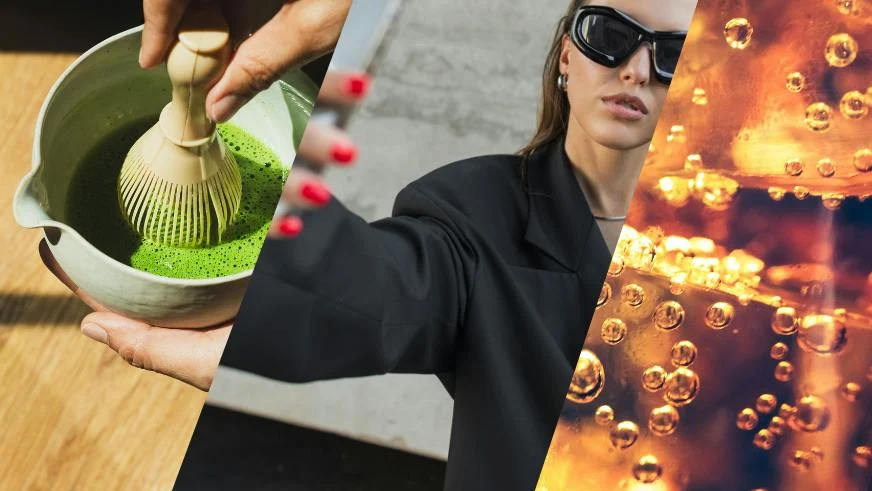
In the contemporary marketing landscape, the term "authenticity" has become a pervasive, if somewhat diluted, industry buzzword. Yet, for modern audiences—particularly Gen Z and Alpha—authenticity is not merely a marketing aesthetic; it is a prerequisite for engagement. As consumer skepticism toward traditional, high-production advertising continues to climb, brands are finding that the most effective way to communicate is not through polished, boilerplate scripts, but by relinquishing control and empowering creators to translate brand messages into their own native languages.
The era of the "celebrity spokesperson" reading a teleprompter is waning. In its place, a new paradigm has emerged: one where the creator is not just a distribution channel, but a strategic partner. Recent campaigns from industry giants like Coca-Cola, niche innovators like Nami Matcha, and entertainment disruptors like USA Network demonstrate that when brands trust creators to lean into their unique personas, the results are not only more authentic but significantly more profitable.
Coca-Cola: Localizing the "Little Wins"
For decades, Coca-Cola relied on massive, globally syndicated campaigns featuring international icons such as Taylor Swift or Elton John. While these campaigns achieved unparalleled reach, they often lacked the granular relevance required to capture the attention of a digital-first generation. In 2025, the beverage giant pivoted, moving away from centralized creative direction toward a decentralized, creator-led strategy.
The Chronology of a Global Shift
Recognizing that younger consumers craved "real-life" content, Coca-Cola initiated a multi-market campaign focused on "little wins"—the micro-moments of joy that punctuate a mundane day. Research commissioned by the brand confirmed that these small victories, from securing a parking spot to finishing a tedious chore, were more resonant than the grand, aspirational narratives of the past.
Throughout the campaign, creators were given the creative autonomy to interpret "little wins" through their specific artistic lenses:
- Paperboyo (UK): Known for his inventive paper-craft, he transformed the chore of dishwashing into an artistic triumph by sketching a feast that appeared to manifest from a bottle of Coke.
- Little Emperors (France): The duo utilized their signature fashion-forward aesthetic to elevate a standard "night in" into a glamorous, pizza-fueled celebration.
- Anniset (Spain): Blended surrealism with the iconic Coke silhouette to create visually arresting, dreamlike content.
- Faffapix (Italy): Documented the resilience of a canceled night out, turning a potential disappointment into a cozy, burger-and-Coke-filled evening.
Supporting Data and Impact
The results of this strategy were tangible. By empowering creators to prioritize regional nuance over corporate messaging, Coca-Cola generated 4.75 million impressions and 4.46 million video views across four nations. More importantly, the campaign engaged 48,450 unique users, proving that a brand does not need to sacrifice its global identity to foster local, authentic connections. This decentralized blueprint has since become a standard for the brand’s international outreach.
USA Network: The Strategic Use of Controversy
While Coca-Cola sought relatability, USA Network took a radically different approach to promote its reality series, The Anonymous. The show, which centers on themes of deception, face-to-face manipulation, and anonymous digital sabotage, required a promotional strategy that mirrored its provocative premise.
Calculated Risk and Viral Traction
To generate buzz, USA Network partnered with Anna Delvey—the convicted con artist famous for infiltrating New York’s elite while masquerading as a wealthy heiress. The campaign, which launched shortly after Delvey’s release from house arrest, saw her delivering "Liar Lessons," offering tips on gaslighting, and providing biting recaps of contestants’ deceptive tactics.
From a brand safety perspective, the move was undeniably high-risk. However, USA Network recognized that in the crowded attention economy, "safe" marketing is often synonymous with "invisible" marketing. By leaning into Delvey’s notoriety, the network ensured that the show was part of the cultural conversation from day one. The campaign succeeded in driving significant earned media, forcing audiences to engage with the show’s core theme of "the art of the lie" through a spokesperson who embodied that exact spirit.
Nami Matcha: The Power of Community Co-Creation
Perhaps the most sophisticated evolution of the creator-brand relationship is seen in the journey of Ashley Alexander and her brand, Nami Matcha. Unlike traditional influencer partnerships, where the creator is hired to promote a pre-existing product, Alexander transformed her followers into a genuine research and development department.
The "Matcha Mob" Model
Alexander, who had built a massive following by documenting her daily matcha routine, founded Nami Matcha in 2024. Instead of treating her followers as a passive audience, she branded them the "Matcha Mob."
The development process was inherently democratic. Through exclusive emails and interactive polls, the "Matcha Mob" influenced critical business decisions, including:
- Product Aesthetics: Members voted on color palettes and design motifs.
- Packaging: The community weighed in on the final presentation of the product.
- Supply Chain Transparency: By sharing behind-the-scenes content of the start-up process, Alexander created a "buy-in" long before the product hit the shelves.
Implications of Direct Collaboration
The results were unprecedented. The official launch of Nami Matcha resulted in a total sell-out within 24 hours, achieving this with zero media spend. Between the July 2024 launch and February 2026, the company generated $3.8 million in gross product sales. This case study illustrates a fundamental shift: when a brand treats its community as partners rather than consumers, it creates an army of advocates who feel a personal, emotional stake in the product’s success.
Synthesis: The New Rules of Engagement
The common thread linking these three disparate campaigns is the abandonment of the "broadcast" model. Whether it is Coca-Cola’s regional creators, USA Network’s controversial brand ambassador, or Ashley Alexander’s community-driven business model, the success of these initiatives relies on three pillars:
- Creative Sovereignty: Brands that trust creators to own the creative process—even if that means relinquishing control over the final look and feel—consistently see higher engagement. The "polished" look is no longer the gold standard; the "authentic" look is.
- Contextual Relevance: As seen with Coca-Cola, creators are the best bridge between a global brand and a local consumer. By allowing creators to adapt content to their specific regional culture, brands gain a level of trust that a central marketing team simply cannot manufacture.
- Risk as a Differentiator: In a saturated digital landscape, the biggest risk is not controversy—it is being ignored. USA Network’s use of Anna Delvey underscores that aligning with a polarizing figure can be a strategic masterstroke if it aligns with the brand’s core narrative.
Implications for Future Campaigns
For CMOs and marketing managers, the implications are clear: the future of advertising lies in the redistribution of power. Brands must move away from the mindset of "hiring" a creator to "partnering" with one.
This requires a shift in how marketing budgets are allocated and how campaigns are measured. Success should no longer be defined solely by vanity metrics like reach, but by the depth of community interaction and the level of genuine advocacy generated. When a brand invites its audience into the boardroom, as Alexander did, or allows creators to interpret its values through their own experiences, as Coca-Cola did, the barrier between the corporate entity and the consumer dissolves.
Conclusion
The evolution of creator marketing has moved beyond simple sponsorship. We have entered the era of the "collaborative brand." From the quiet, small-win celebrations in European living rooms to the high-stakes, deceptive gameshow promotion and the community-built success of Nami Matcha, the message is unequivocal: authenticity is the most potent tool in the modern marketer’s arsenal.
Brands that cling to the old, top-down methods of communication risk being viewed as artificial intruders in a creator-led digital world. Those that embrace the unpredictability, nuance, and raw human connection that creators bring will not only survive the transition—they will define the future of how products are launched, sold, and loved. The boardroom, it seems, is no longer a place for executives only; it is a space for the creators and the communities they cultivate.

 Iffa Jayyana

 Asro
 Sagoh

 Laily UPN

 Dwi Wanna
 Evan Lee Salim