
 Asro
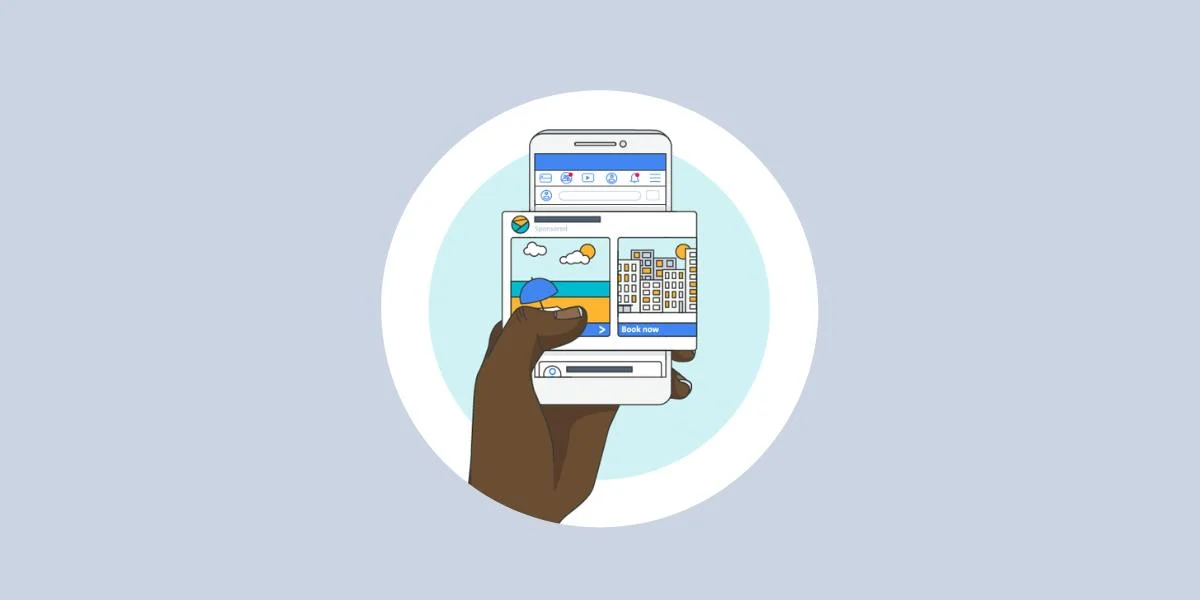
The social media landscape is undergoing its most radical transformation since the inception of the creator economy. As global events like the 2026 FIFA World Cup redefine how brands engage with massive, fragmented audiences, and as generative AI begins to populate our feeds with synthetic personas, the rules of engagement are being rewritten in real-time. For marketers, the challenge is no longer just about gaining "likes"; it is about navigating a complex ecosystem where cultural relevance, technological artifice, and hyper-efficient conversion paths collide.
The World Cup 2026: A New Paradigm for Brand Integration
The 2026 FIFA World Cup has emerged as a watershed moment for digital marketing. Unlike previous iterations of the tournament, this is the first "short-form video" World Cup, characterized by a deluge of user-generated content that blurs the lines between professional broadcast and amateur commentary.
Chronology of the Shift
Historically, global sporting events were dominated by high-budget, top-down television advertising. However, the current tournament has signaled a definitive pivot. Brands that attempted to force their way into the conversation with generic, polished commercials have faced immediate backlash, often viewed as intrusive interruptions rather than value-added content.
In response, major players like Unilever have adopted a "social-first" strategy. Rather than relying solely on traditional sponsorship, the consumer goods giant launched "The Locker Room," a 24/7 content hub. By integrating creators and football experts into their ecosystem, Unilever is attempting to shift from an external sponsor to a central participant in the fan experience.
Implications for Brand Strategy
The goal for brands in this high-stakes environment is to make the global feel personal. Unilever’s pivot, which began in earnest in September of the previous year, is being tested by fire. According to Afke van de Klashorst, Vice President of Integrated Brand Experience at Unilever Personal Care, the activation is designed to "build brand desire and cultural relevance."
However, the most successful moments of the tournament have been organic, not synthetic. The viral surge surrounding Sam Adams beer—after Scotland fans reportedly exhausted the beer supply in Boston—highlights a crucial lesson: brands cannot manufacture authenticity. The most effective marketing happens when a brand provides a platform for shared experiences rather than simply injecting a logo into a trending hashtag.
The Rise of the Synthetic Influencer: The "Scroll Test"
As human creators continue to capture the zeitgeist, a new competitor has entered the arena: the synthetic influencer. While virtual characters like Lil’ Miquela have existed for nearly a decade, the advent of Generative AI (GenAI) has democratized the creation of these personas, allowing brands to curate their own digital ambassadors with unprecedented precision.
The Evolution of Digital Avatars
The current generation of virtual influencers has reached a level of sophistication that allows them to pass the "scroll test"—the split-second decision a user makes to stop and engage with content. Unlike their predecessors, which were often labor-intensive projects for specialized agencies, modern AI characters can be generated and managed at scale.
This development offers brands an enticing value proposition: 100% brand-safe, entirely controllable, and available 24/7. There is no risk of a "scandalous" past resurfacing from an old social media post, and the creative direction remains firmly in the hands of the brand.
Supporting Data and Public Backlash
The integration of these characters is not without friction. A recent investigation by The Guardian highlighted the growing trend of brands employing AI influencers to drive product awareness. Yet, the public reception remains volatile.
A case in point is the UK-based lifestyle magazine Sheerluxe, which faced significant public outcry after introducing "Reem," an AI-generated "editor." The backlash prompted a formal statement from the publication, clarifying that Reem was purely a visual asset and that no human roles were being replaced. This incident serves as a stark warning: consumers are hyper-sensitive to the perceived displacement of human creativity.
Strategic Recommendations
For brands looking to experiment with synthetic influencers, transparency is paramount. The potential for reputational damage is high if audiences feel deceived. Experts suggest that synthetic influencers are best utilized in functional roles—such as managing live shopping streams or answering customer service queries on TikTok Shop—rather than attempting to replicate the deeply personal storytelling that defines human creators.
TikTok GO and the Compression of the Purchase Funnel
While brands grapple with the identity of their influencers, the platforms themselves are aggressively dismantling the traditional customer journey. The launch of "TikTok GO" in May 2026 marks a decisive move by the platform to capture the entire travel funnel, from initial inspiration to final transaction.
The Mechanics of Frictionless Commerce
Traditionally, the consumer journey involved a fragmented path: a user sees an inspiring travel video, exits the app, searches for the destination, compares hotels, and eventually converts on a separate site. Each exit point represents a loss of potential customers.
TikTok GO eliminates this friction by allowing users to book hotels, tours, and attractions directly within the interface. By partnering with heavyweights like Booking.com, Expedia, and GetYourGuide, TikTok is positioning itself as a comprehensive travel agent for the digital age.
Official Responses and Industry Impact
"TikTok GO connects that moment of inspiration directly to the businesses behind it," explains Adam Presser, CEO of TikTok USDS. By collapsing the time between the "dreaming" phase and the "booking" phase, the platform is betting that convenience will override the consumer’s desire to browse multiple third-party sites.
However, this convenience comes with a significant trade-off: data ownership. As more of the conversion journey migrates into the TikTok ecosystem, brands find themselves with less visibility into the end-to-end customer experience. They are essentially trading direct customer relationships for the promise of higher conversion rates driven by the platform’s algorithm.
Synthesizing the Future: What Brands Must Do Now
The convergence of these trends—the democratization of AI, the pivot to creator-led content, and the integration of commerce into social feeds—demands a fundamental rethink of marketing operations.
1. Measurement Beyond the "Like"
The era of vanity metrics is effectively over. Brands must transition to robust, multi-layered measurement frameworks that analyze both the effectiveness of AI-generated content versus human-led campaigns and the impact of in-app conversion tools on long-term brand equity. Social listening has moved from a "nice-to-have" to an essential risk-management tool.
2. The Human-AI Hybrid Model
The most resilient brands will not choose between human creators and synthetic influencers; they will adopt a hybrid model. Human creators are essential for nurturing communities and providing the "cultural glue" that sustains brand affinity. Synthetic influencers, conversely, offer a scalable, always-on solution for transactional, high-volume social commerce.
3. Protecting the Customer Experience
As platforms like TikTok deepen their control over the funnel, brands must ensure they are not becoming invisible utilities. Even as we move toward frictionless commerce, the brand’s unique voice and values must remain at the center of the story. If a brand loses its connection to the consumer, it loses its power to command a premium, regardless of how seamless the checkout process may be.
Looking Ahead: The Webinar Imperative
As we move through the remainder of 2026, the social media landscape will continue to accelerate. The divide between brands that treat social as a broadcasting channel and those that treat it as a community-driven ecosystem will only widen.
The successful marketer of the future will be part creative director, part data scientist, and part diplomat—navigating the delicate balance between the efficiency of machines and the raw, unpredictable power of human connection. To stay ahead of these rapid developments, it is essential to participate in the broader industry conversation. Join Econsultancy on June 30th at 1pm BST for an expert-led webinar, "Social media beyond the ‘like’," featuring Lisa Hale, Head of Brand Communications at Specsavers. The session will explore how to build deeper, more meaningful connections in an increasingly digital-first world.
The era of "set and forget" social media is behind us. The era of the social-first, creator-powered, and data-informed enterprise has arrived. How your brand responds to this shift will define its market position for the decade to come.

 Layla Zulfa
 Siti Muinah
 Rifan Muazin
 Nana

 Asep Darmawan
 Nila Kartika Wati

 Muslim
