
 Dwi Wanna
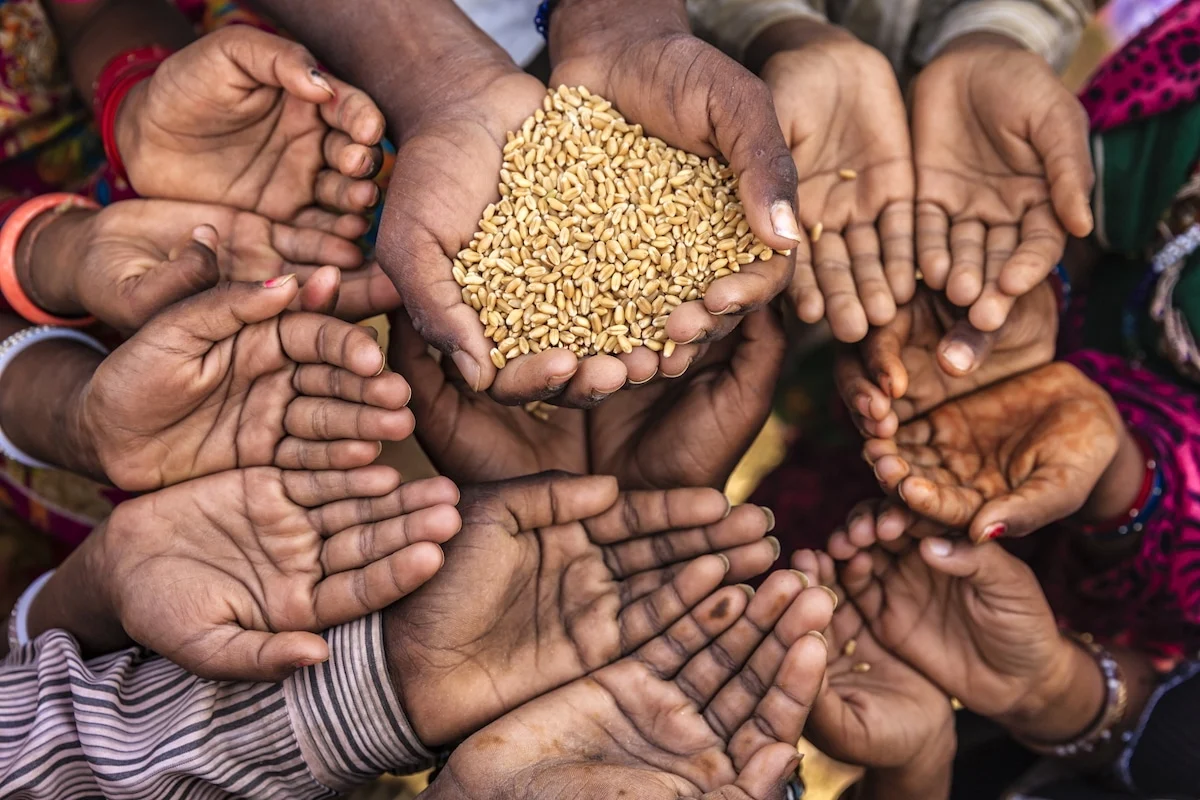
While the world has managed to nudge the needle in the right direction regarding global hunger, the progress remains fragile, fragmented, and deeply unequal. According to the latest edition of The State of Food Security and Nutrition in the World (SOFI 2025)—a comprehensive annual report published by five specialized United Nations agencies—the global landscape of nutrition is a study in stark contrasts. While hunger rates have dipped globally, the continent of Africa and parts of western Asia are witnessing a concerning, steady rise in food insecurity.
The report, released by the Food and Agriculture Organization (FAO) in coordination with the International Fund for Agricultural Development (IFAD), the World Food Programme (WFP), UNICEF, and the World Health Organization (WHO), provides a sobering assessment of where we stand as the world attempts to reach the Sustainable Development Goal (SDG) of "Zero Hunger" by 2030.
The Main Facts: A Global Snapshot
In 2024, approximately 673 million people—roughly 8.2% of the global population—faced the crushing reality of hunger. While this represents a statistical improvement from the 8.5% recorded in 2023 and the 8.7% in 2022, the aggregate data masks the severity of the crisis in specific regions.
The report confirms that between 638 and 720 million people were undernourished throughout last year. When compared to the previous two years, this represents a modest decline of 15 million people from 2023 and 22 million from 2022. However, these figures are small comforts when viewed against the backdrop of the massive, systemic failures that continue to push millions into chronic undernourishment.
The most significant takeaway from the 2025 data is the divergence in regional outcomes. Asia has seen a notable improvement, with undernourishment falling to 6.7% from 7.9% just two years prior. Similarly, Latin America and the Caribbean have made strides, with undernourishment dropping to 5.1%—a significant recovery from the pandemic-induced peak of 6.1% in 2020.
Chronology of the Crisis: From Pandemic to Present
To understand the current state of food security, one must look at the timeline of events that have defined the early 2020s. The global food supply chain has been subjected to a "triple threat" of shocks that have hindered recovery:
- The COVID-19 Pandemic (2020–2021): The initial lockdowns and subsequent supply chain disruptions caused a massive spike in food insecurity. As global trade stalled, the most vulnerable populations—particularly in low-income nations—saw their access to affordable nutrition vanish almost overnight.
- The Geopolitical Conflict (2022–2023): Russia’s invasion of Ukraine exacerbated an already volatile situation. As two of the world’s primary "breadbaskets" engaged in conflict, global grain prices soared, and energy costs—essential for fertilizer and transport—skyrocketed.
- The Climate Crisis (Ongoing): Extreme weather events, ranging from prolonged droughts in the Horn of Africa to devastating floods in parts of Asia, have decimated local crop yields. These climate-driven shocks have become a recurring feature of the agricultural landscape, making recovery increasingly difficult for smallholder farmers.
The result of these converging pressures was a surge in food price inflation. Between December 2020 and early 2023, global food price inflation rose from a modest 2.3% to a staggering 13.6%. In low-income countries, the impact was catastrophic, with inflation peaking at a daunting 30% in May 2023.
Supporting Data: The Cost of a Healthy Diet
One of the most alarming metrics in the SOFI 2025 report is the affordability of a healthy diet. While the global number of people unable to afford a healthy diet fell to 2.6 billion last year—down from 2.76 billion in 2019—this figure is deceptive when isolated by income level.
In low-income countries, the number of individuals unable to afford nutritious food has actually increased. In 2024, 545 million people in these nations could not afford a healthy diet, compared to 464 million five years ago. This represents a 72% segment of the population in those regions. Even in lower-middle-income nations, the situation has deteriorated, with the number of those unable to afford healthy food rising to 869 million, up from 791 million in 2019.
The report also sheds light on the persistence of "moderate or severe food insecurity," which affected 2.3 billion people—or 28% of the global population—in 2024. While this is a slight decrease from 28.4% in 2023, the sheer scale of the population suffering from intermittent or constant lack of food access remains a moral and economic failure.

Official Responses: A Call for Structural Change
The leaders of the five UN agencies involved in the report were unified in their call for urgent, coordinated action.
FAO Director-General QU Dongyu emphasized that while the global decrease in hunger is "encouraging," it is far from sufficient. "We must recognize that progress is uneven," he stated. "SOFI 2025 serves as a critical reminder that we need to intensify efforts to ensure that everyone has access to sufficient, safe, and nutritious food."
IFAD President Alvaro Lario highlighted the need for structural investment. "In times of rising food prices and disrupted global value chains, we must step up our investments in rural and agricultural transformation," Lario remarked. He argued that these investments are not merely humanitarian but are essential for "global stability."
Dr. Tedros Adhanom Ghebreyesus, Director-General of the WHO, noted the progress in specific health indicators, such as reduced stunting and increased rates of exclusive breastfeeding, but warned that the "burdens of food insecurity and malnutrition" continue to plague millions.
UNICEF Executive Director Catherine Russell focused on the next generation. "Over 190 million children under the age of 5 are affected by undernutrition," she noted. "This robs them of the chance to live to their fullest potential." Russell urged for the strengthening of social protection programs and better education for parents regarding the availability of locally produced, nutritious food.
Implications: The Road to 2030
The implications of these findings are severe. If current trends persist, it is estimated that 512 million people will experience chronic undernourishment by 2030. Nearly 60% of these individuals will be in Africa, a statistic that underscores the urgent need for a shift in how the international community approaches agricultural aid and climate resilience.
The SOFI 2025 report offers a blueprint for policy responses, including:
- Transparent Monetary Policies: Aimed at containing inflationary pressures that disproportionately hit food prices.
- Targeted Fiscal Measures: Implementing social protection programs that act as a safety net for the most vulnerable households during price shocks.
- Investment in R&D: Increasing funding for agrifood research to boost resilience, improve market information systems, and upgrade transportation infrastructure in developing regions.
The message is clear: food is a basic human right, not a luxury. The modest global improvement seen in 2024 is a testament to what is possible when policy is targeted, but the widening gap in Africa and western Asia serves as a harsh warning. Without a fundamental transformation in how we produce, distribute, and protect access to food, the goal of "Zero Hunger" will remain an elusive dream for millions.
As the world looks toward the remainder of the decade, the focus must shift from merely managing hunger to building systemic, sustainable, and inclusive food systems that can withstand the inevitable shocks of a changing climate and a volatile global economy. The time for reactive measures has passed; the era of proactive, structural transformation must begin now.


 Muslim
 Basiran

 Evan Lee Salim

 Reynand Wu
 Layla Zulfa

 Nana
