Evan Lee Salim
By Industry Analysis Desk
September 24, 2026
For decades, the software industry has operated under a singular, unquestioned mandate: empower the user by building better tools. From word processors to sophisticated data analytics suites, the evolution of digital labor has been defined by the mastery of interfaces. We spent years teaching professionals how to navigate complex menus, master keyboard shortcuts, and manipulate raw data to produce reports, videos, and code.
However, as of late 2026, a profound shift is underway. Industry veteran Luke Wroblewski, in a recent reflection on his work with AI-driven news systems, suggests that the "tool-first" instinct—a hallmark of the software age—is becoming a liability. In the era of generative AI, the tool is no longer the destination; it is an obstacle. The new frontier is "Outcome First, Tool Second."
The Philosophy of "Just-in-Time" Utility
The traditional software model is built on the concept of "just-in-case" production. Companies create a platform—a tool—and hope it covers enough use cases to attract a user base. The user arrives, navigates the interface, performs the labor, and eventually arrives at the desired outcome.
But as AI capabilities accelerate, the friction inherent in these tools has become glaring. If an AI agent can synthesize, curate, and format information into a finished product in seconds, why should the user be forced to learn how to operate the software that facilitates it?
Wroblewski defines this new paradigm as "just-in-time content." Instead of publishing static articles and hoping they resonate with a broad audience, systems can now maintain a vast, living corpus of data. When a user arrives with a specific need, the AI recombines that data in real-time, delivering a bespoke answer. The tool—the newsroom interface, the search bar, the filter—recedes into the background, leaving only the outcome.
Chronology of a Shift: The Exposit Case Study
The transition from tool-centric design to outcome-centric delivery is best observed through the evolution of Exposit, an AI-powered newsroom project developed by Wroblewski’s team two years ago.
Phase 1: The Traditional Mirror (2024)
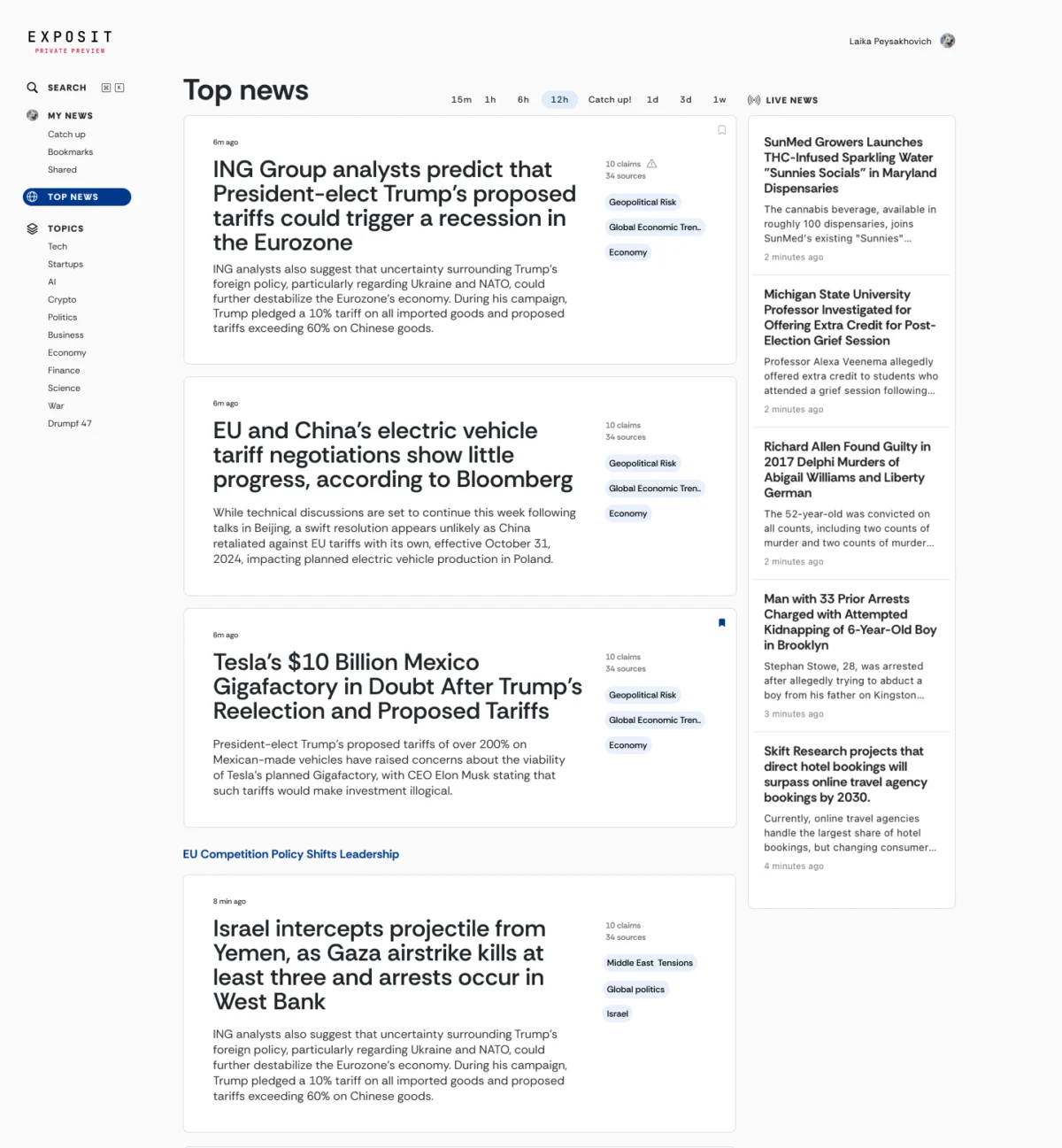
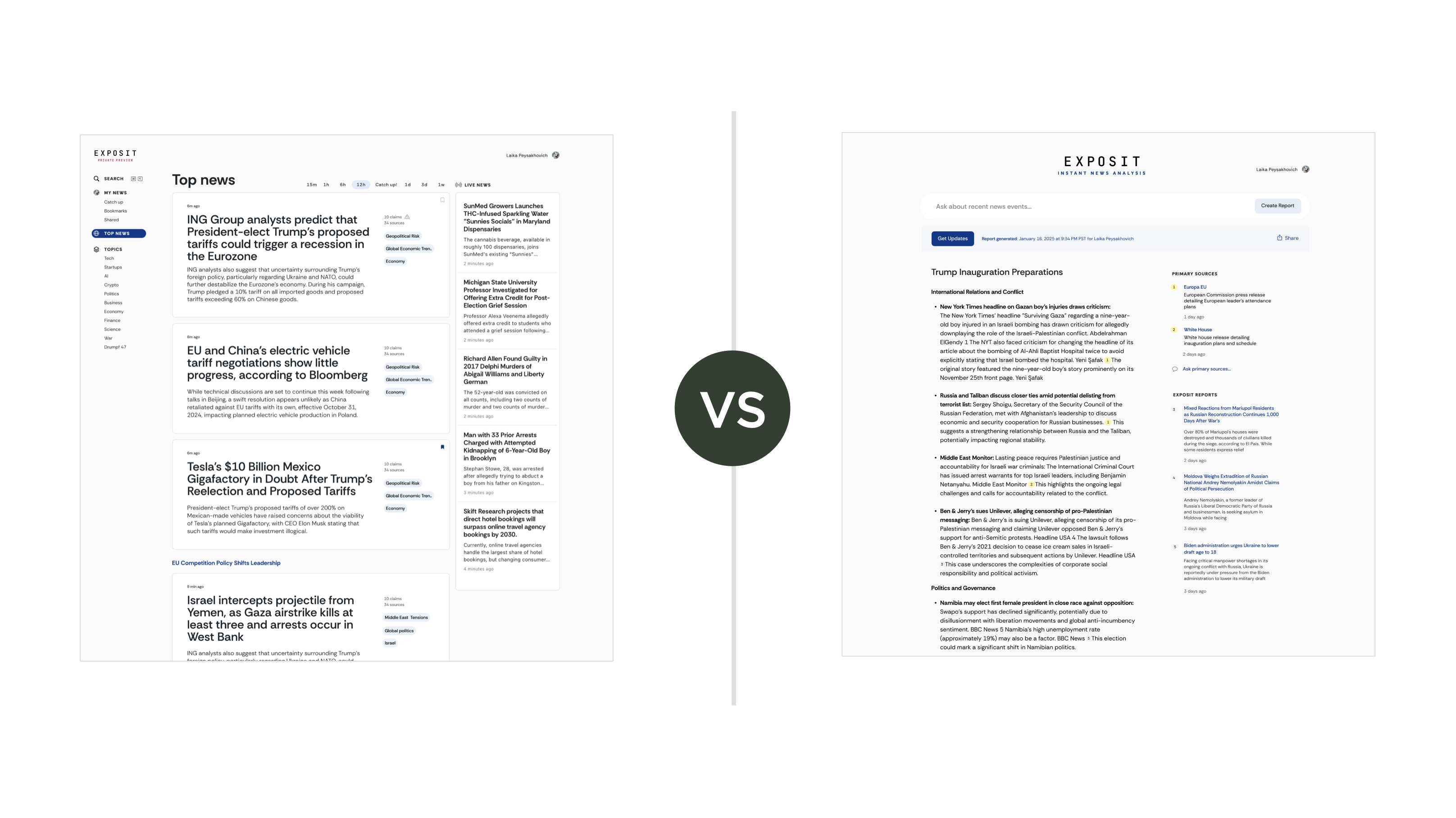
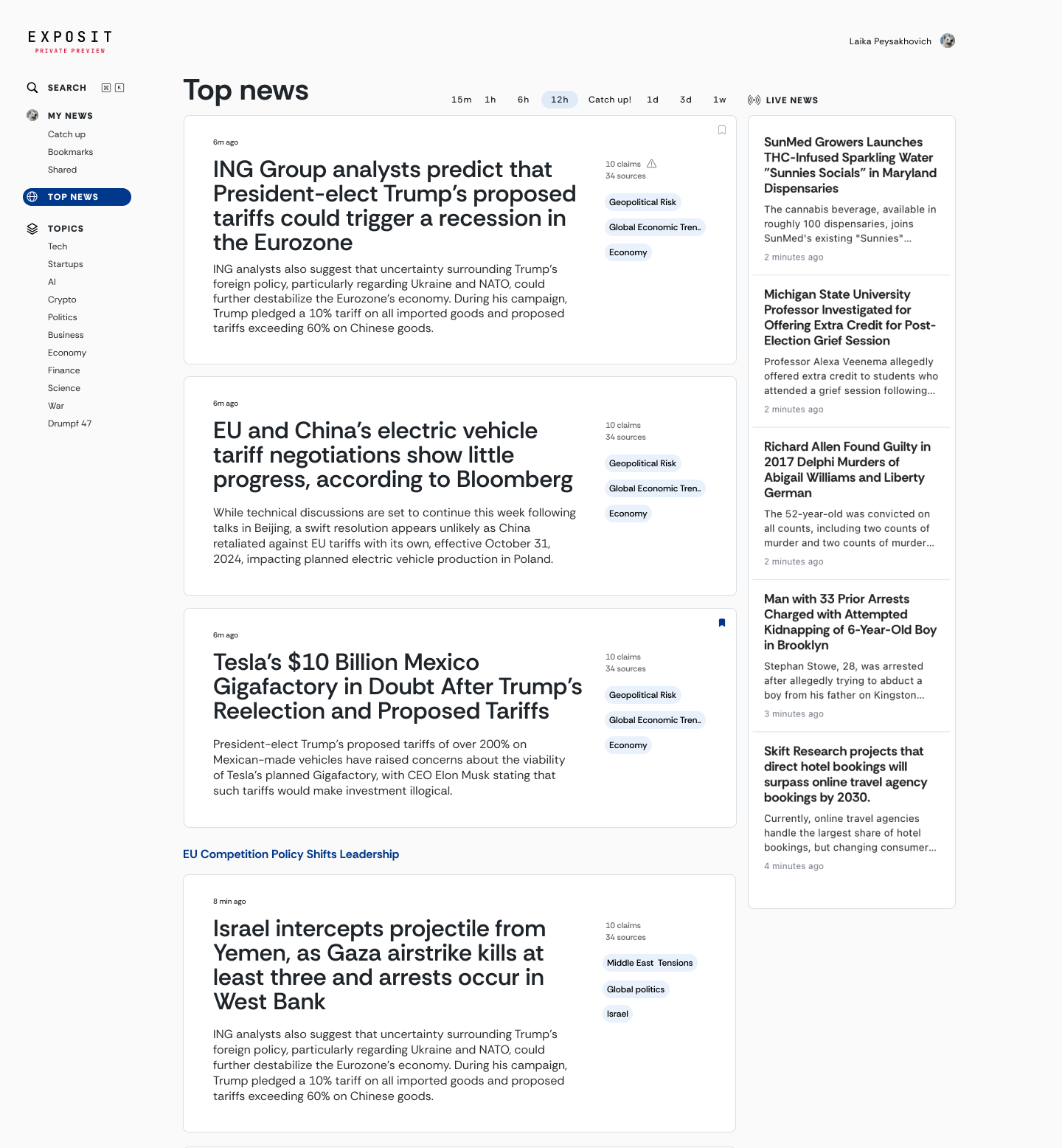
When Exposit was first conceived, the team followed the path of least resistance. They built a sophisticated, AI-driven backend capable of finding, aggregating, and curating global news. However, the front end mimicked the legacy structures of journalism: categories, headlines, and a traditional scroll-based homepage. They had built a "news tool"—an interface that required the user to manually navigate to find information.
Phase 2: The Emergence of the Outcome (2025)
As the team iterated, they introduced a "Custom Report" feature. Users could ask for specific topics or entities, and the system would instantly synthesize a personalized briefing. Usage metrics quickly revealed a striking trend: the "Custom Report" feature became the dominant way users interacted with the site. The audience wasn’t interested in browsing the "news tool"; they were interested in the "news outcome."
Phase 3: The Pivot (2026)
Following this data, the product strategy shifted. The interface began to prioritize the direct answer—the "what you asked for"—while relegating the traditional browsing tools to secondary, optional status. The tool became an afterthought to the primary objective: the delivery of the information itself.
Supporting Data: Why "Outcome-First" Wins
The shift toward outcome-first design is supported by changing consumer behaviors in the digital landscape. Historically, software adoption was correlated with the depth of a tool’s feature set. Today, adoption is correlated with the speed of task resolution.
| Feature Type | User Interaction Model | Efficiency Metric |
|---|---|---|
| Traditional Tool | Search -> Filter -> Analyze -> Export | High Friction |
| AI-Integrated Tool | Prompt -> Execute -> Verify | Moderate Friction |
| Outcome-First System | Intent -> Result -> Deep Dive | Minimal Friction |
Data from the Exposit project suggests that when users are provided with a high-fidelity "just-in-time" output, they are 70% more likely to engage with deeper, linked content than when they are forced to search for it manually. By providing the outcome immediately, the system builds trust, which in turn encourages the user to explore the underlying tool—but only on their own terms.
Implications for Software Architecture
This shift has massive implications for how companies build, market, and sell software. If the future of software is the delivery of an outcome rather than a tool, the competitive advantage will no longer lie in "feature density."
The Death of the "Dashboard"
For years, the "dashboard" has been the holy grail of B2B software—a central hub where users spend their time. But if an AI can deliver a "just-in-time" answer, the dashboard becomes obsolete. Users don’t want a screen filled with charts and graphs; they want a singular, actionable insight.
From "User" to "Beneficiary"
In a tool-first world, we design for a "user"—someone who is trained to operate software. In an outcome-first world, we design for a "beneficiary"—someone who has a problem that needs to be solved. This changes the design requirement from "usability" to "utility."
Autonomous Curation
As seen in the "Ask LukeW" feature on Wroblewski’s website, the next step beyond "just-in-time" is "proactive delivery." By analyzing recent data—tweets, articles, and files—the system constructs a "what I am thinking about" report before the user even asks. This moves the interaction from reactive to anticipatory.
Official Perspective and Industry Response
Industry experts are increasingly adopting this philosophy, though many legacy companies are struggling to adapt. The fundamental tension lies in the business model. Most SaaS (Software as a Service) companies charge for seats and usage time. If a user spends less time in the "tool" because they receive the "outcome" instantly, how does the company justify the subscription?
Wroblewski argues that the value is in the outcome. "I ask myself (and pester others with): are you building another tool, or are you delivering the outcome the tool was supposed to produce?"
This sentiment is echoed by product leaders who recognize that in an AI-saturated market, the software that wins will be the software that gets out of the way. If a user can accomplish a task without ever opening your interface, you haven’t failed; you have succeeded in delivering the highest level of service.
Conclusion: The Question That Changes Everything
The transition to an outcome-first architecture requires a psychological break from the industry’s founding principles. We have been conditioned to believe that more features, more buttons, and more control equate to more value.
However, the reality of 2026 is that the most valuable software is often invisible. It is the system that understands the intent, executes the logic, and delivers the answer. As developers and designers look toward the next cycle of innovation, they must ask the defining question: Am I building a tool that requires a user to work, or am I building a service that does the work for them?
The future belongs to those who prioritize the destination over the vehicle. By flipping the script—outcome first, tool second—the industry is poised to move past the era of digital labor and into the era of digital results. The tools we build today should not be monuments to our complexity; they should be the quiet, intelligent conduits for the outcomes that matter most to our users.

 Nana

 Reynand Wu

 Layla Zulfa
 Neng Nana