
 Muslim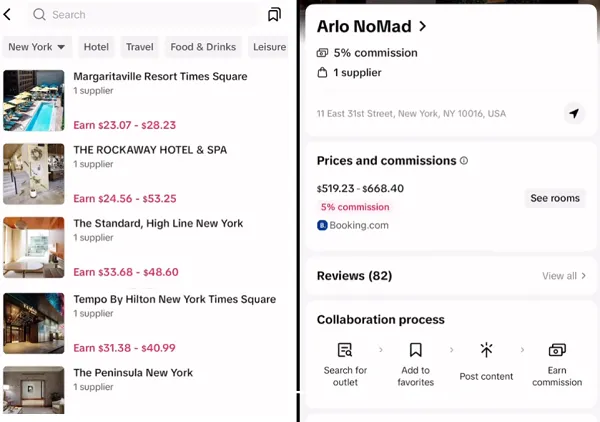
In an increasingly competitive digital landscape where social media platforms are fighting for the role of the primary "discovery engine," TikTok has taken a significant leap forward. The platform has officially announced the expansion of its "TikTok Go" program across the United States. This affiliate-based travel initiative allows content creators to earn commissions by tagging hotels, resorts, and travel experiences directly within their video content. By bridging the gap between inspiration and transaction, TikTok is transforming from a mere entertainment app into a powerful, integrated travel booking ecosystem.
Main Facts: How TikTok Go Works
At its core, TikTok Go is a monetization tool designed to streamline the travel booking process. Previously, creators looking to promote travel often had to rely on cumbersome "link-in-bio" workarounds or third-party affiliate platforms that often resulted in a disjointed user experience.
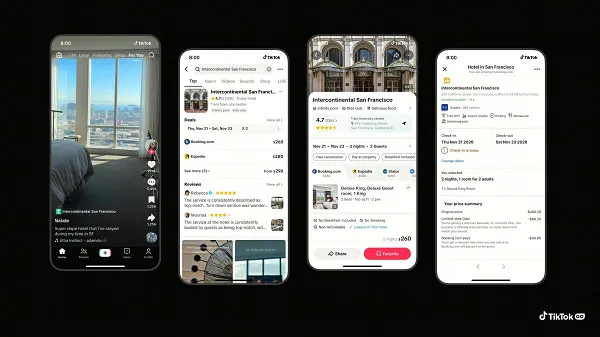
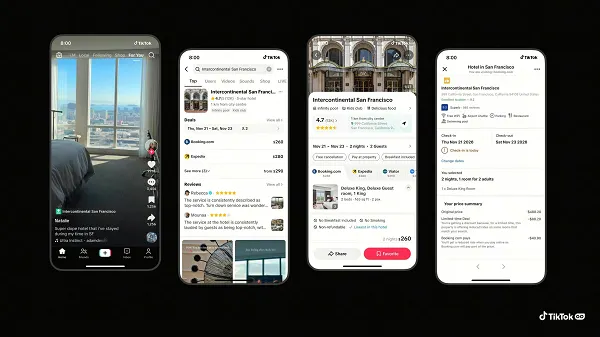
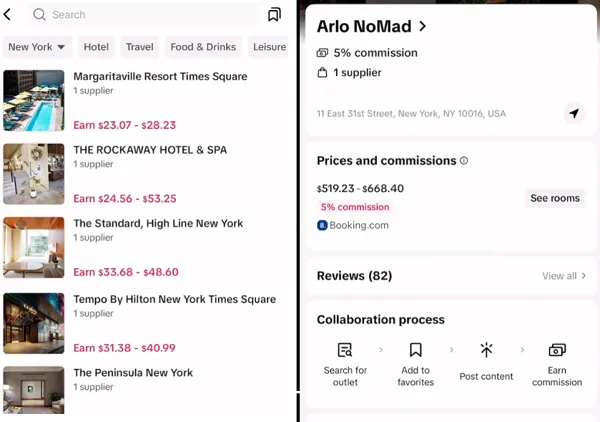
TikTok Go simplifies this by embedding the booking functionality directly into the native interface. Eligible creators can access the program through the "Monetization" tab within their TikTok creator accounts. Once inside, they gain access to a curated directory of accommodation and holiday-related businesses. When a creator features a location in their video, they can utilize a dedicated business tag.
When a user watches the video, they can see the tagged location, view real-time availability, and proceed to complete a booking—all without ever leaving the TikTok application. To maintain platform transparency and regulatory compliance, any content utilizing the TikTok Go program is clearly marked, informing viewers that the creator may earn a commission from bookings generated through the post.
The Chronology of an Evolving Feature
The journey toward TikTok Go began in earnest during the summer of 2024.
- August 2024: TikTok launched the pilot phase of the program. At its inception, the initiative was limited in scope, focusing primarily on hotel promotions and serving as a testing ground for affiliate marketing within the travel sector.
- Late 2024: Following successful initial metrics, TikTok began integrating more sophisticated partner APIs. This period marked the transition from a "beta" experience to a more robust commercial product.
- Current Status: The latest expansion brings a wider array of travel partners to the table, including heavy hitters like Booking.com, Expedia, Viator, GetYourGuide, Tiqets, and Trip.com. This shift signifies that TikTok is no longer just "testing" travel; it is building a comprehensive travel marketplace.
Supporting Data: Why TikTok is Betting Big on Travel
TikTok’s push into the travel industry is not a random gamble; it is a data-driven response to shifting consumer behavior. According to a recent report from Adobe, nearly half of all U.S. consumers now utilize TikTok as a search engine during their pre-purchase discovery phase.
This behavioral shift is profound. For decades, the "travel funnel" was dominated by Google Search and dedicated Online Travel Agencies (OTAs). Today, younger demographics—particularly Gen Z and Millennials—are bypassing traditional search engines in favor of "visual search." They want to see a destination, feel the vibe of a hotel, and understand the logistics of an activity through short-form video before they ever commit to a booking.
The integration of TikTok Go addresses this "inspiration-to-action" gap. By allowing creators to serve as both the travel agent and the entertainer, TikTok is capturing intent at the exact moment it is formed. When a user sees a creator having an incredible experience in Bali or a comfortable stay in a boutique hotel in New York, the ability to book immediately converts that ephemeral excitement into a concrete business transaction.

Official Responses and Strategic Vision
TikTok has positioned the expansion of TikTok Go as a natural evolution of its user experience. In a recent statement, the company emphasized the seamless nature of the program: "Every day, people come to TikTok to find their next adventure… TikTok Go surfaces lodging and things to do across the ways people already discover content on TikTok—through videos, search, and location pages."
The company’s focus remains on "frictionless" interaction. By integrating with global travel giants like Expedia and Booking.com, TikTok is leveraging the existing inventory and infrastructure of the world’s most established travel companies. This partnership model allows TikTok to focus on its core competency—user engagement—while outsourcing the complex logistics of reservations, payments, and cancellations to partners who specialize in that domain.
Implications: The Future of the Creator Economy and Travel Industry
The expansion of TikTok Go carries significant implications for three distinct groups: travel businesses, content creators, and the broader social media landscape.
For Travel Businesses
For hotels, tour operators, and experience providers, this is a massive shift in marketing ROI. Traditional advertising on social media often suffers from "attrition," where the user sees an ad, clicks it, and then drops off due to a slow-loading website or a frustrating checkout process. With TikTok Go, the conversion happens within the app. Businesses can now track exactly which creators are driving the most bookings, allowing them to shift their influencer marketing budgets toward high-conversion partners rather than just those with high view counts.
For Content Creators
This represents a new revenue stream that is much more sustainable than brand deals alone. While brand deals are often one-off, affiliate commissions offer a "long-tail" opportunity. A high-quality, evergreen video about a specific resort could continue to generate commissions for months or even years. It empowers creators to act as legitimate travel consultants, rewarding them for the trust they have built with their audience.
For the Social Media Landscape
TikTok’s move signals the end of the "walled garden" approach for social media platforms. By becoming a transactional hub, TikTok is putting direct pressure on companies like Yelp, TripAdvisor, and even Google Maps. If a user can search, watch, and book their entire vacation on TikTok, the incentive to leave the app for other search engines diminishes.
Challenges and Considerations
Despite the optimism surrounding the expansion, there are hurdles to consider. The first is trust. As more affiliate-tagged content floods the feed, users may develop "advertisement fatigue." Maintaining the authenticity that made TikTok successful while increasing commercial content is a delicate balancing act.
Second, there is the issue of regulatory oversight. As TikTok becomes a hub for financial transactions and consumer travel bookings, it will inevitably face increased scrutiny regarding data privacy, refund policies, and the accuracy of the information provided by creators. The company will need to ensure that its partner integrations remain transparent and that consumer protections are prioritized.
Conclusion: A New Era of Discovery
The expansion of the TikTok Go program in the U.S. is a testament to the platform’s relentless ambition to capture the entire consumer journey. By empowering creators to monetize their travel recommendations and integrating the booking process directly into the user experience, TikTok is effectively rewriting the rules of travel marketing.
As we look toward the future, the integration of AI-driven recommendations and further partner expansions will likely make TikTok an even more formidable player in the travel industry. For now, the message is clear: TikTok is no longer just for entertainment. It is for exploration, planning, and booking—and it is doing so with a creator-first strategy that is proving impossible for traditional competitors to ignore. Whether this shift will fundamentally change how we plan our vacations remains to be seen, but one thing is certain: the era of the "social travel agent" has arrived.


 Reynand Wu
 Iffa Jayyana
 Raul Delapena Setiawan

 Sagoh
Sagoh

 Azzam Bilal Chamdy
 Ali Ikhwan