
 Layla Zulfa
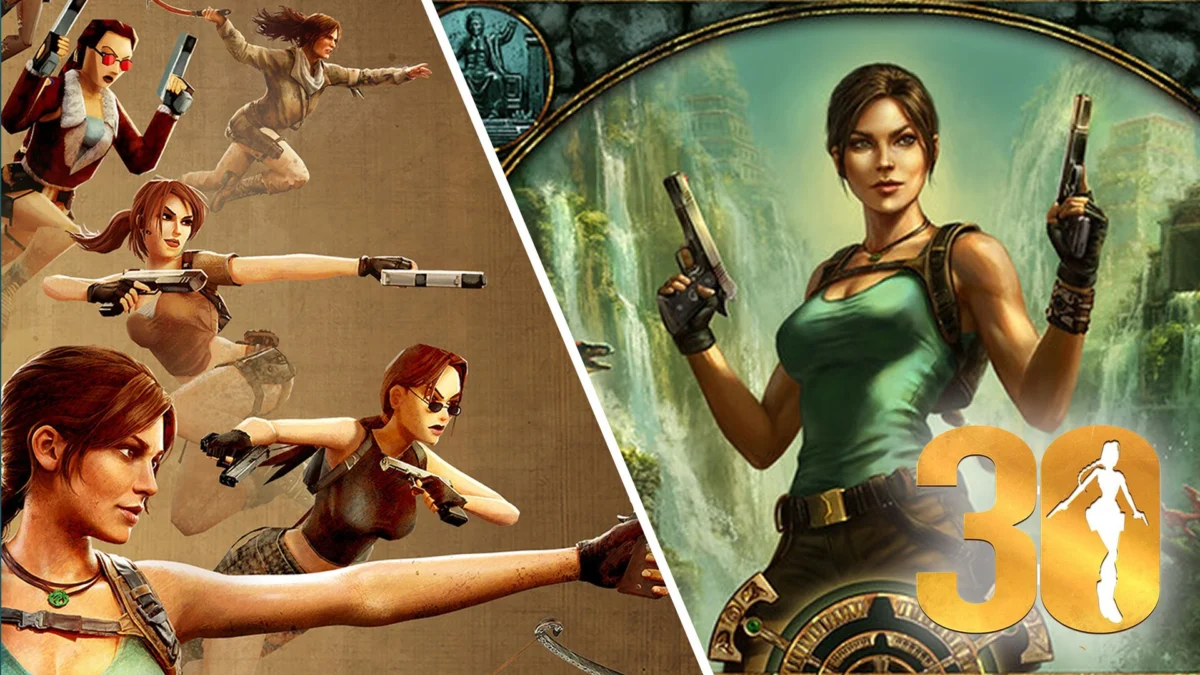
While the global gaming community has recently been swept up in the relentless tide of Grand Theft Auto VI discourse, a quieter, yet equally significant cultural milestone is taking center stage. Crystal Dynamics has officially pulled back the curtain on its celebration of the 30th anniversary of Tomb Raider, a franchise that fundamentally altered the trajectory of action-adventure gaming. With the upcoming release of Tomb Raider: Legacy of Atlantis set for February 2027, the developer is bridging the gap between the franchise’s pixelated roots and its high-fidelity future.
The Genesis of an Icon: A Chronology of Lara Croft
The legend began on October 25, 1996, when the original Tomb Raider launched on the Sega Saturn in Europe and Japan. A month later, North American players—along with those on the burgeoning Sony PlayStation platform—were introduced to the intrepid archaeologist. Created by Toby Gard and the team at Core Design, Lara Croft was an anomaly in 1990s gaming: a protagonist who was intelligent, capable, and defined by her own agency.
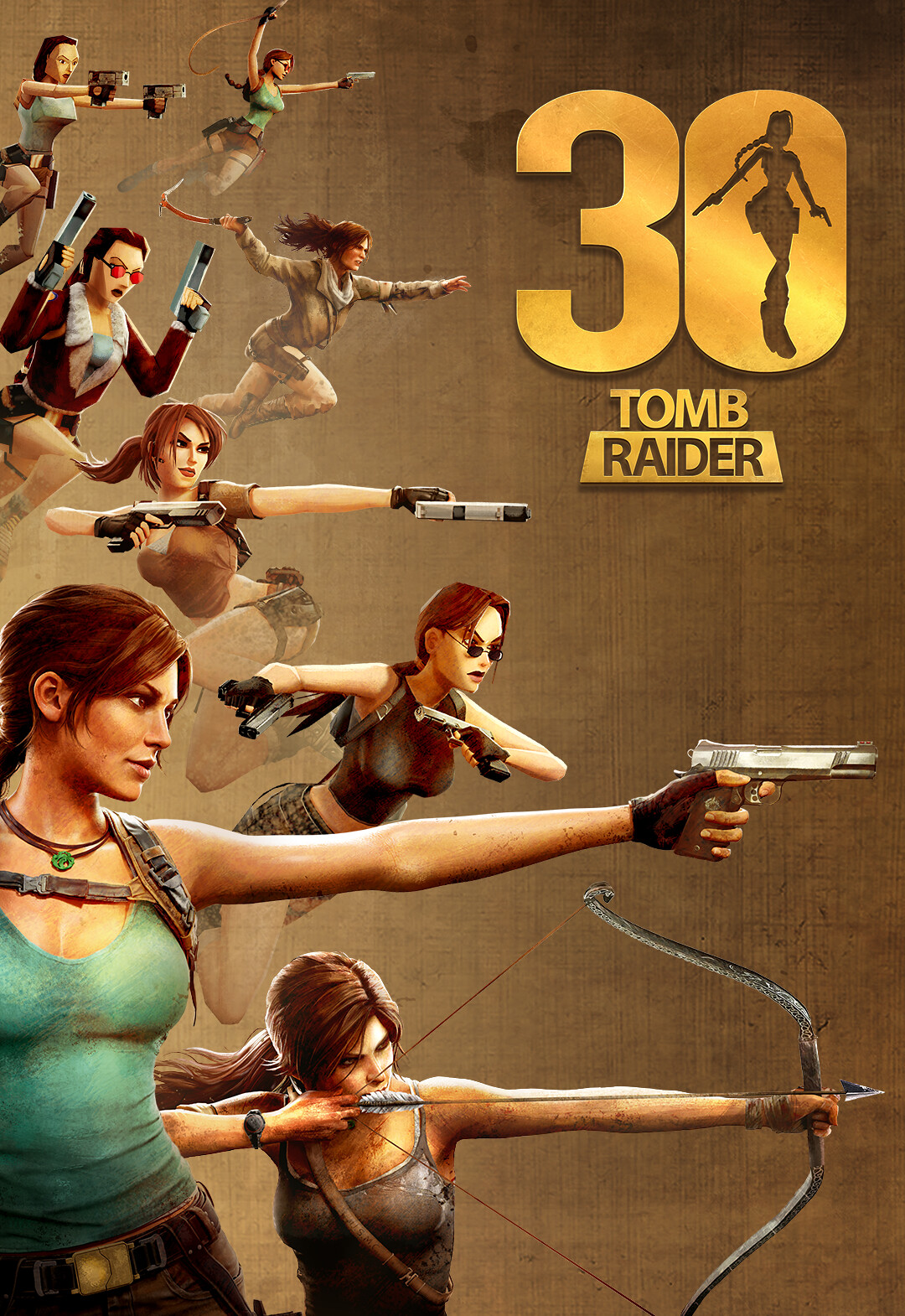
The evolution of Lara Croft serves as a perfect timeline of graphical advancement in the gaming industry. Her journey can be categorized into several distinct eras:
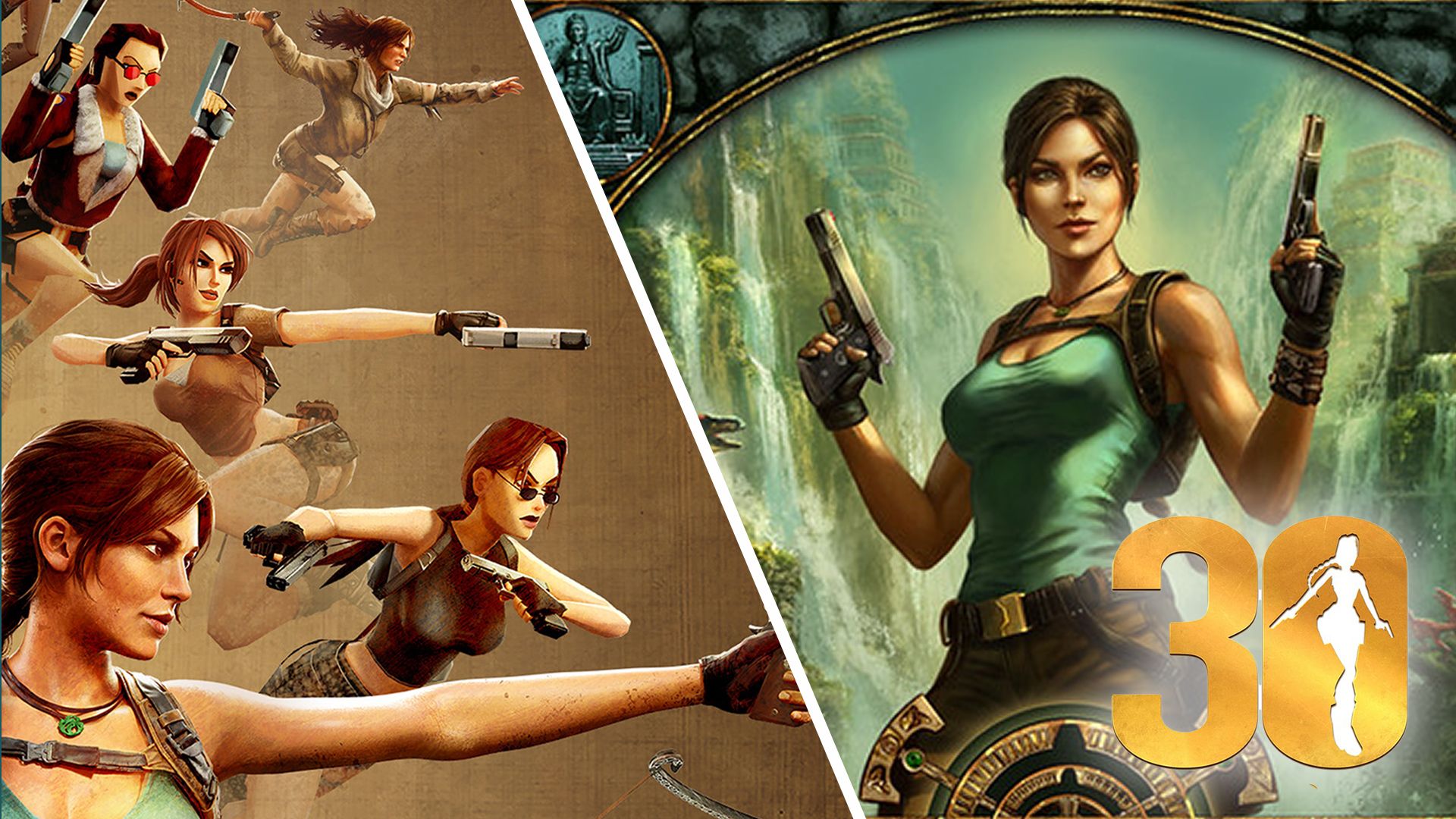
- The Original Era (1996–1998): Defined by low-poly models, sharp edges, and a reliance on iconic silhouette.
- The PS2 Renaissance (2006–2008): Through titles like Legend, Anniversary, and Underworld, developers utilized increased memory to introduce smoother geometry and more fluid, emotive animation.
- The Survivor Trilogy (2013–2018): A thematic and technical reboot that prioritized realism. Here, Lara became more grounded and vulnerable, with developers using advanced motion capture and sophisticated texture mapping to convey trauma and resilience.
- The Modern Era (2027–Present): With Legacy of Atlantis and the forthcoming Tomb Raider: Catalyst (2028), the character is being rendered with the full power of Unreal Engine 5, pushing the boundaries of photorealism.
Visual Evolution: From Polygons to Path Tracing
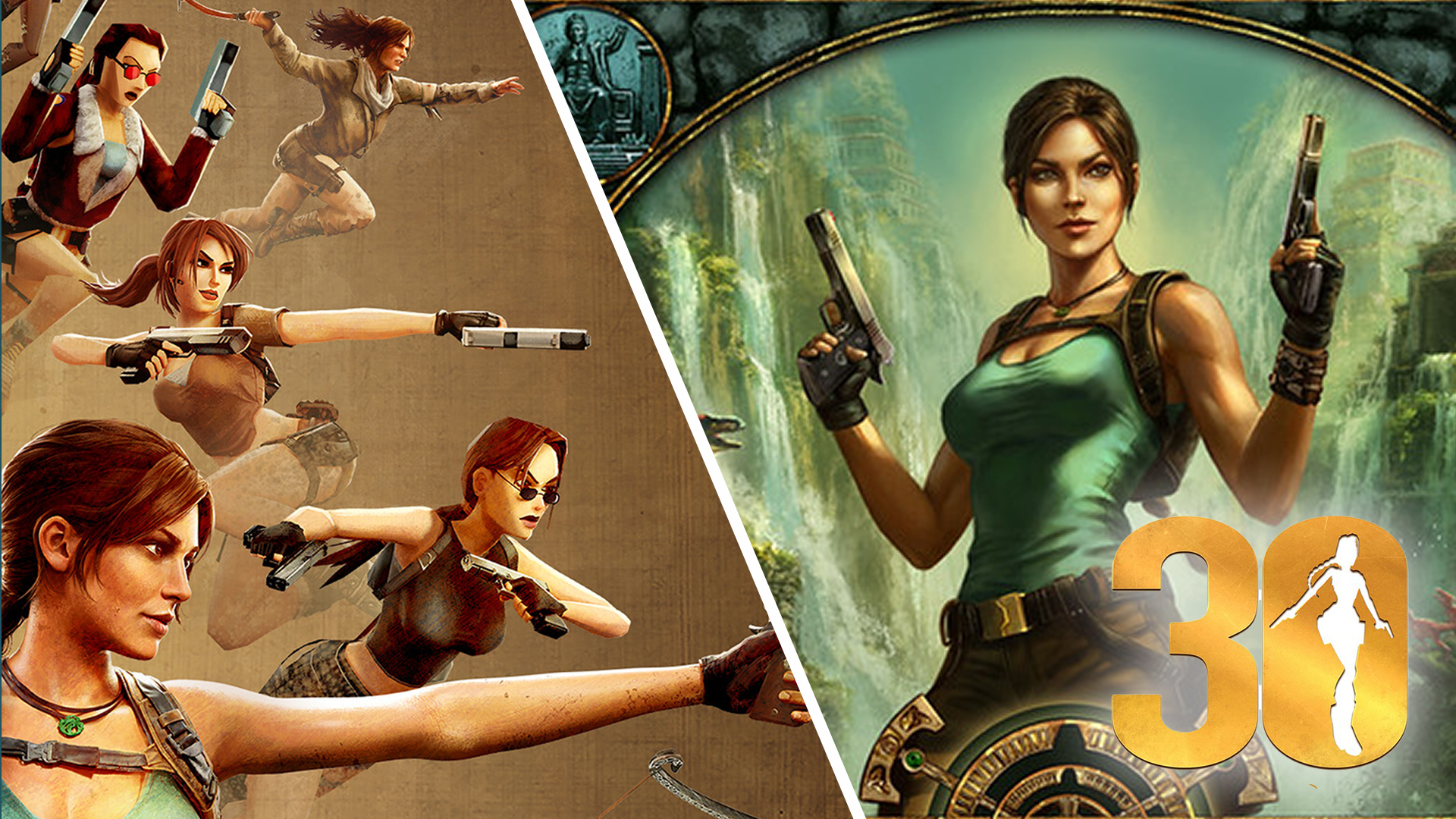
To commemorate these three decades, Crystal Dynamics commissioned an exclusive series of illustrations from artist Inna Vjuzhanina. These pieces serve as a visual bridge, placing the 1996 model of Lara—constructed from only a few hundred polygons—alongside the hyper-realistic, high-fidelity version featured in the upcoming Legacy of Atlantis.
The contrast is staggering. In the early days, Lara’s hair was represented by large, singular polygons. Today, developers employ precise, overlapping semi-transparent textures to mimic individual strands of hair that react to environmental physics. Similarly, skin rendering has been revolutionized by subsurface scattering, a technique that allows light to penetrate the skin’s surface and scatter, providing a soft, realistic glow that changes dynamically with the in-game lighting.
Furthermore, modern animation techniques have moved beyond canned, repeating loops. Using blend shapes, developers can now trigger thousands of micro-expressions, allowing Lara to convey subtle emotions—doubt, pain, or determination—without a single line of dialogue. The process has become so granular that for recent projects, developers have utilized 3D-printed body models to create bespoke, tailor-made clothing that is then scanned into the game engine, ensuring that every fold and seam of her gear moves with physical accuracy.
Official Perspectives and the Road Ahead
The upcoming release of Tomb Raider: Legacy of Atlantis, co-developed by Flying Wild Hog, represents a strategic pivot for the franchise. Crystal Dynamics has emphasized that while the technology has evolved, the "soul" of the character—her insatiable curiosity and indomitable spirit—remains the constant throughline.
"Celebrating 30 years isn’t just about looking at how far we’ve come in terms of resolution or frame rates," a spokesperson for the studio noted. "It’s about acknowledging that Lara Croft became a global touchstone for what a female protagonist could be. She has grown as we have grown as an industry."
The exclusion of certain iterations, such as the Underworld design, in some anniversary promotional materials has sparked minor debate among long-time fans. However, the prevailing sentiment is one of appreciation for the preservation of the core design philosophy. Whether she is low-poly or photorealistic, the dual-pistol-wielding silhouette remains one of the most recognizable images in pop culture history.
Technical Implications: The Unreal Engine 5 Shift
The shift to Unreal Engine 5 for the next generation of Tomb Raider titles is more than a marketing bullet point. It signals a move toward a "unified" Lara Croft. By leveraging Nanite (a virtualized geometry system) and Lumen (a global illumination solution), the development teams are able to create environments that are not only vast but deeply atmospheric.
The technical requirements for such titles are pushing the industry forward. For aspiring developers, the Tomb Raider series serves as a case study in optimization and art direction. The ability to maintain a recognizable character design while scaling up the visual fidelity of an entire world requires a delicate balance of artistic vision and engineering prowess. As the franchise prepares for the 2028 release of Tomb Raider: Catalyst, the industry is watching closely to see how these advancements will influence the broader landscape of AAA development.
A Legacy Beyond the Screen
The 30th-anniversary celebrations extend well beyond the digital realm. Crystal Dynamics has launched an official merchandise store featuring everything from high-end eyewear to specialized swimwear, leaning into the lifestyle brand status that the character achieved during the late 90s.
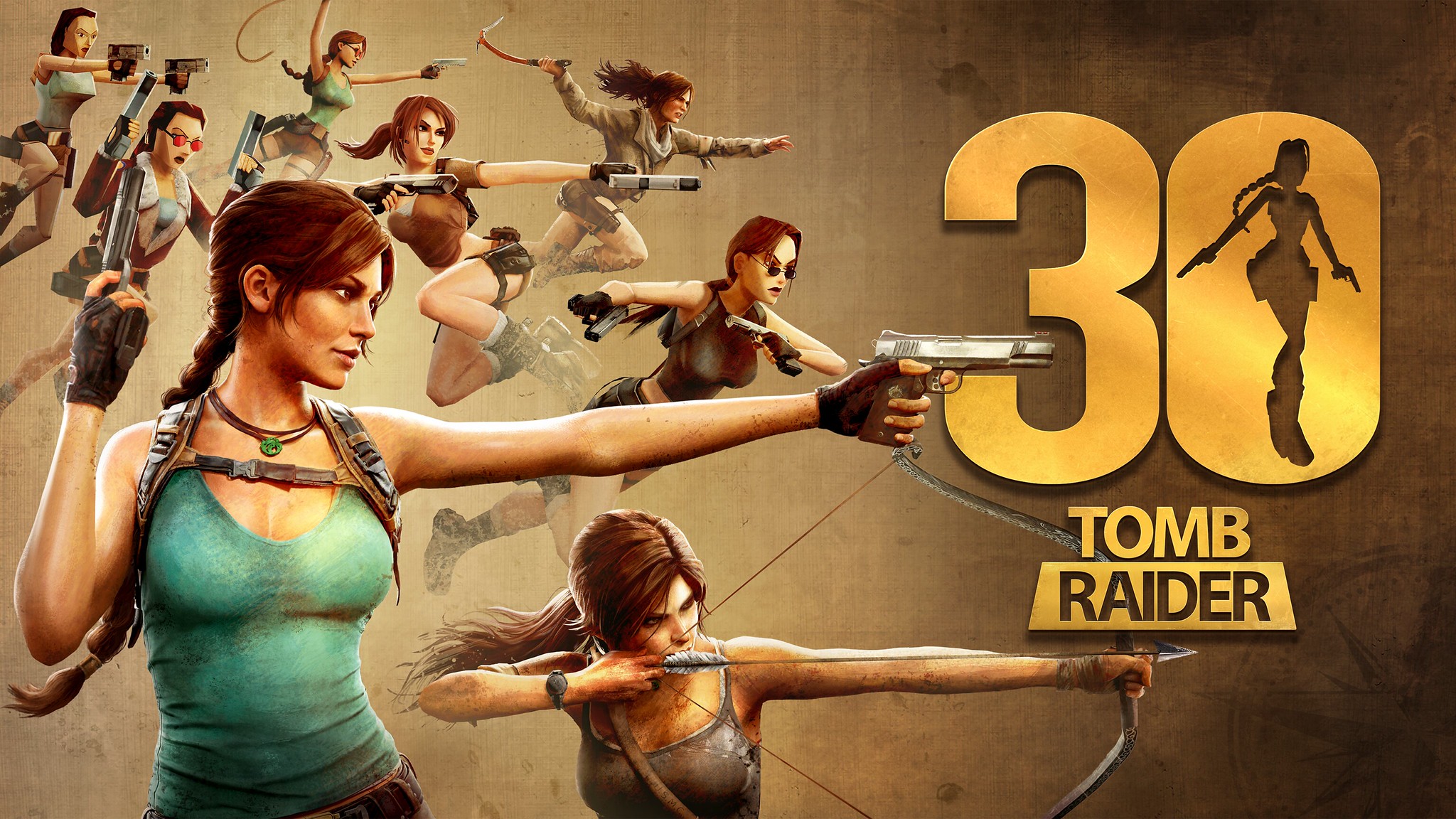
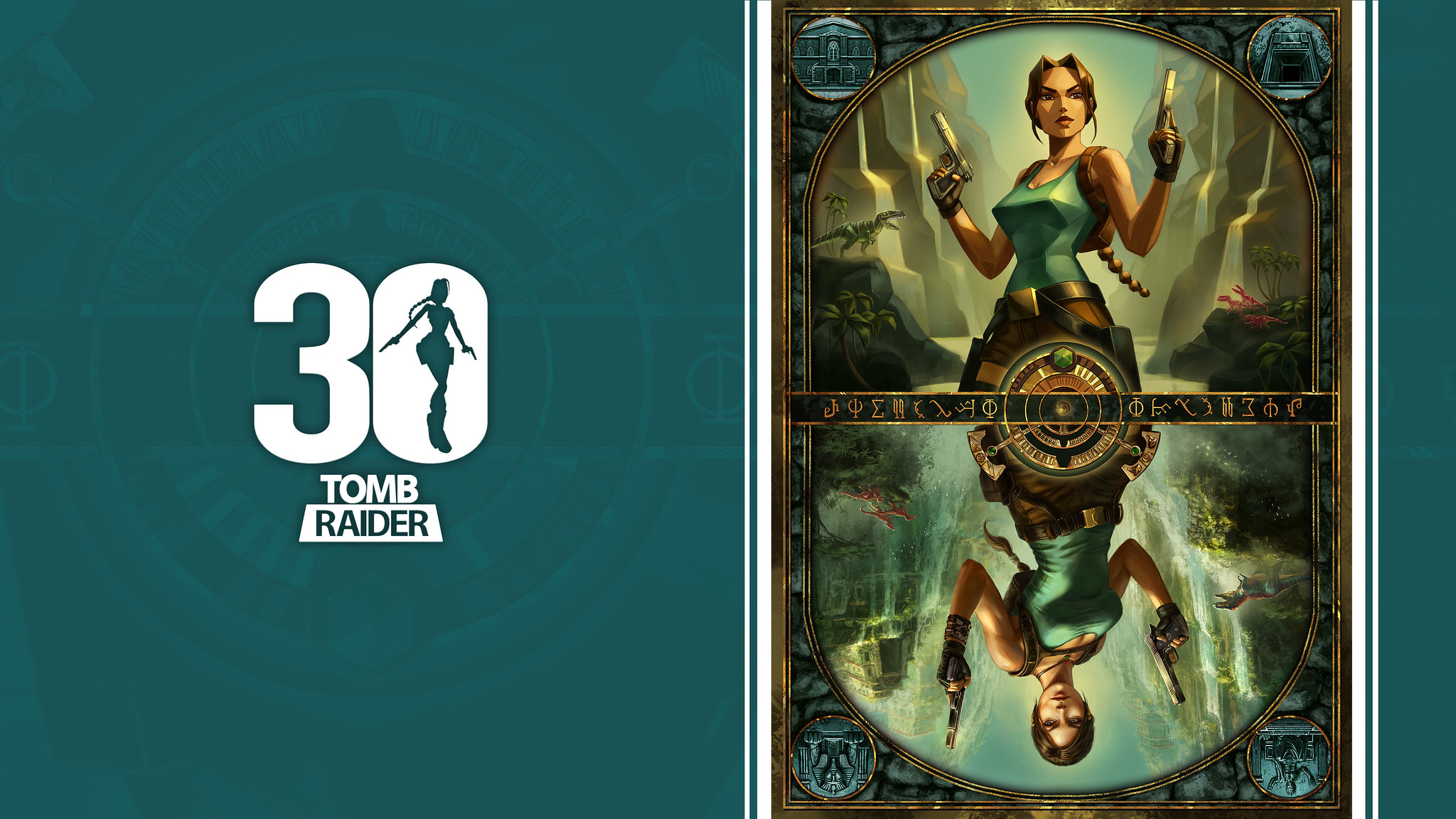
For those looking to relive the journey, the official anniversary artwork is available for download via the official Tomb Raider Flickr page. It provides a high-resolution look at the evolution of the character, serving as a reminder that the "Tomb Raider" is a multi-generational phenomenon.
Looking Toward 2027 and Beyond
As the February 12, 2027, release date for Tomb Raider: Legacy of Atlantis approaches, the anticipation is palpable. With pre-orders now live across PlayStation, Steam, and Xbox, the stage is set for a major resurgence of the franchise.
The success of Legacy of Atlantis will be a litmus test for the series’ ability to maintain its relevance in an era dominated by live-service titles and massive open-world RPGs. If the initial trailers and the anniversary artwork are any indication, Crystal Dynamics is betting on the fact that players are still hungry for the classic, focused, and narrative-driven adventure that defined the original 1996 experience.
In the end, Lara Croft’s 30-year legacy is a testament to the endurance of strong character design. While her polygons have multiplied by the thousands and her textures have reached cinematic levels of detail, the core identity of the character remains untouched. She is, and will likely remain, the benchmark by which all other virtual adventurers are measured.
For those inspired by the technical leaps taken by the developers, the industry is currently seeing a surge in demand for hardware capable of handling these high-fidelity assets. As we look toward 2027, the marriage of nostalgia and cutting-edge technology seems to be exactly what the gaming world needs to keep the spirit of exploration alive.
Whether you are a veteran player who remembers the original PlayStation disc spinning in the drive or a newcomer drawn in by the promise of next-generation fidelity, the Tomb Raider anniversary is a celebration of a journey that, like its protagonist, shows no signs of slowing down.

 Nila Kartika Wati
 Iffa Jayyana

 Ammar Sabilarrohman

 Asep Darmawan

 Asro



 Muslim
