
 Raul Delapena Setiawan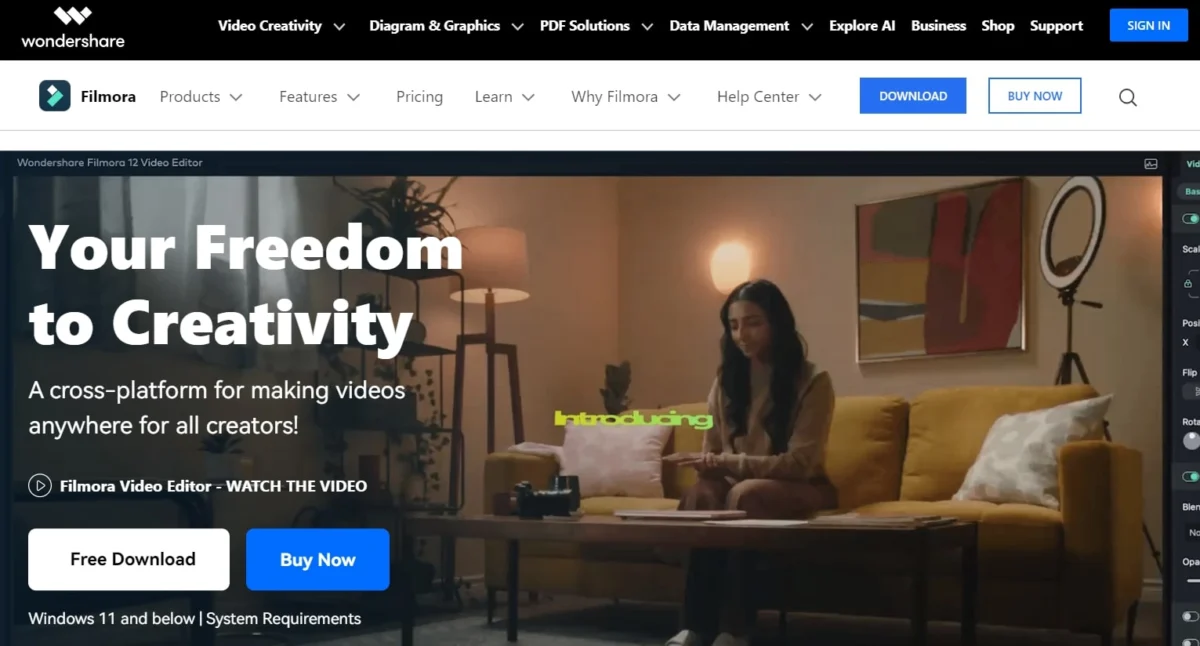
In an era where digital patient engagement is no longer a luxury but a fundamental necessity, the healthcare industry is undergoing a visual transformation. From hospital systems and private practices to medical technology innovators, the shift toward video-first communication is undeniable. By leveraging the power of sight and sound, healthcare providers are making complex medical data accessible, humanizing their clinical expertise, and fostering a level of trust that static text simply cannot achieve.
As we move deeper into 2025, the pressure on healthcare marketers to deliver high-quality, compliant, and emotionally resonant video content has reached an all-time high. However, this sector faces unique hurdles. Unlike standard corporate marketing, healthcare content must navigate the complexities of HIPAA compliance, ensure the absolute accuracy of medical information, and maintain a level of professional credibility that protects patient privacy.
The good news is that high-quality production is more attainable than ever. The following analysis explores the landscape of video editing software tailored for the unique demands of the medical marketing field.
The Strategic Importance of Video in Modern Healthcare
Video content is the bridge between clinical expertise and patient understanding. According to recent industry data, over 70% of patients report that video content helps them feel more comfortable with a diagnosis or a medical procedure.

Key Challenges for Healthcare Marketers
- Compliance and Privacy: Every frame must be scrutinized to ensure that no Protected Health Information (PHI) is inadvertently disclosed.
- Technical Accuracy: Simplifying complex physiology or surgical procedures requires precise visual storytelling tools.
- Emotional Resonance: Healthcare is deeply personal. Editors must balance technical clarity with a compassionate, empathetic tone that resonates with anxious or searching patients.
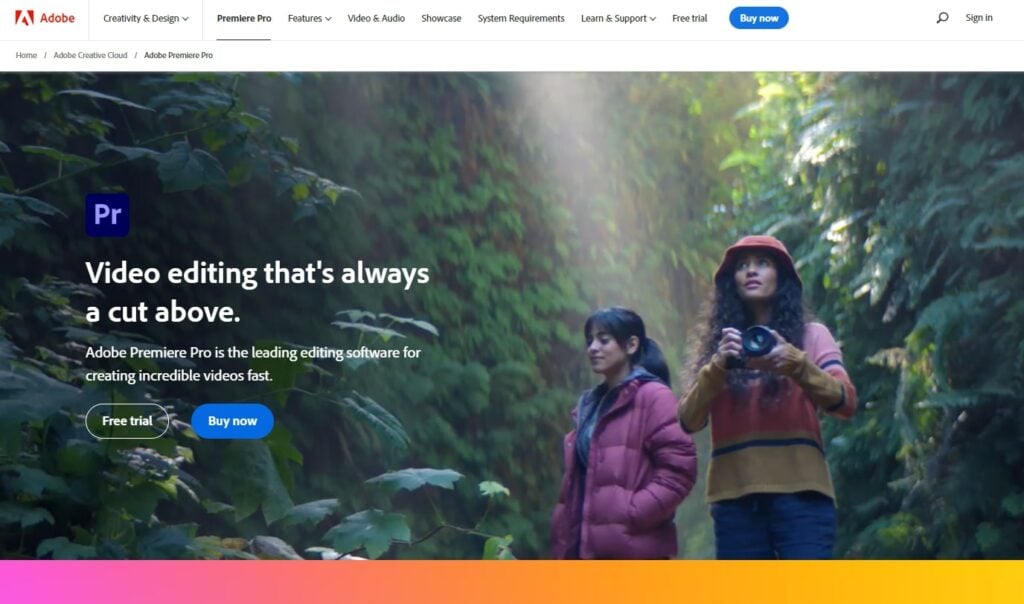
1. Adobe Premiere Pro: The Industry Standard for Clinical Excellence
For healthcare organizations that require broadcast-quality production—such as in-depth documentary-style features on hospital breakthroughs or high-fidelity surgeon interviews—Adobe Premiere Pro remains the gold standard.
Professional Capabilities
Premiere Pro is a non-linear editor (NLE) that offers infinite creative control. Its integration with the Adobe Creative Cloud suite allows for seamless transitions between motion graphics (After Effects) and audio cleanup (Audition), which is essential for professional medical explainers.
- Key Features: Advanced multi-cam editing, AI-powered "Speech to Text" for rapid captioning, and deep color grading.
- Pros: Unmatched industry standard, massive library of plugins, and professional-grade performance.
- Cons: Steep learning curve; requires significant hardware investment.
- Best For: Large healthcare systems and marketing agencies producing high-end promotional documentaries.
Pricing: Subscription-based at $20.99/month.
2. Animaker: Bridging the Gap in Patient Education
When it comes to explaining abstract concepts—such as how a specific drug interacts with a protein or how a robotic surgical arm functions—live-action footage often fails to provide the necessary clarity. Animaker has emerged as the premier solution for medical animation.
The Power of Simplified Visuals
Animaker’s AI-powered platform allows non-editors to create complex, studio-quality animations. By utilizing its drag-and-drop interface, healthcare marketers can create explainer videos that are not only informative but also visually engaging for diverse demographics, including pediatric patients.
- Key Features: Vast library of medical-themed assets, text-to-speech for professional narration, and AI-assisted character creation.
- Pros: Extremely user-friendly; no prior animation experience required.
- Cons: Can feel somewhat "template-heavy" if not customized correctly.
- Best For: Public health campaigns, internal training modules, and patient education portals.
Pricing: Free plan available; paid tiers start at $15/month.
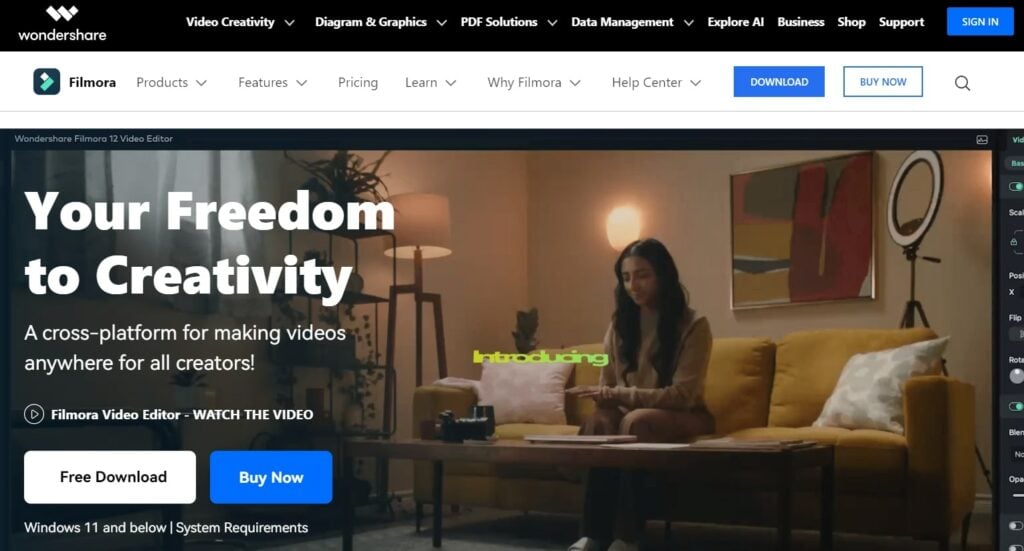
3. Filmora: The Balancing Act of Speed and Quality
For mid-sized medical practices that need to churn out regular content—such as weekly "Doctor’s Tips" or quick social media updates—Filmora offers a perfect middle ground. It removes the technical friction associated with professional NLEs while providing more "punch" than basic apps.
Efficiency for the Busy Practitioner
Filmora’s strength lies in its speed. With its pre-built effects, transitions, and easy-to-use audio-sync features, a marketing team can produce a high-quality, polished video in a fraction of the time required by more complex systems.

- Key Features: Motion tracking, AI-powered audio denoisers, and a massive library of royalty-free stock assets.
- Pros: Intuitive interface; frequent updates with modern features.
- Cons: Not suitable for heavy-duty, long-form documentary work.
- Best For: Social media managers and content creators in private practice.
Pricing: Annual subscriptions start at $49.99/year.
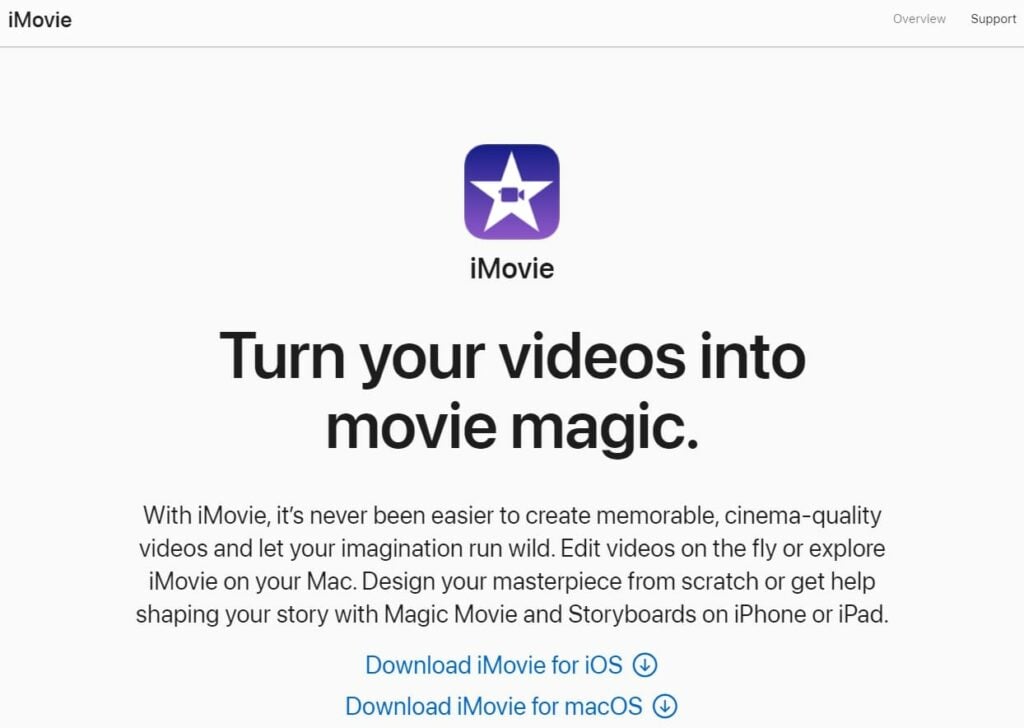
4. iMovie: The Accessibility Champion
For those working within the Apple ecosystem, iMovie remains an unsung hero. It is the most accessible entry point for hospitals looking to bring video production in-house without a massive capital outlay for software.
Rapid Turnaround
iMovie is perfect for the "authentic" approach. In healthcare, sometimes a simple, raw testimonial from a patient is more effective than a highly polished commercial. iMovie allows for fast, clean, and simple edits that keep the focus on the human element.
- Key Features: Clean interface, basic stabilization, and simple color correction.
- Pros: Free, lightweight, and incredibly easy to learn.
- Cons: Limited features compared to professional suites; exclusive to macOS/iOS.
- Best For: Quick patient testimonials and simple internal communication videos.
Pricing: Free.
5. DaVinci Resolve: The Cinematic Powerhouse
When healthcare marketing requires a cinematic look—perhaps to showcase a high-tech facility or a cutting-edge medical device—DaVinci Resolve is the definitive choice. Its reputation for color grading is legendary in the film industry.
Professional Finishing
DaVinci Resolve is a complete post-production solution. Beyond editing, it offers world-class tools for visual effects (Fusion) and sound engineering (Fairlight). For medical tech companies, this ensures that the visuals look as sophisticated as the technology being promoted.
- Key Features: Industry-leading color correction, node-based compositing, and advanced audio processing.
- Pros: The free version is incredibly feature-rich; handles high-resolution footage flawlessly.
- Cons: Extremely demanding on computer hardware; very steep learning curve.
- Best For: High-end marketing firms and medical tech innovators.
Pricing: Free version available; Studio version is a one-time purchase of $295.
Implications for the Future of Healthcare Marketing
The landscape of 2025 dictates that video is the primary language of the patient experience. As these tools continue to incorporate generative AI, we expect to see an explosion in "hyper-personalized" medical content. Imagine a future where a surgeon can record a generic video procedure and have an AI tool automatically generate personalized post-op instructions for specific patients based on their electronic health records.
Choosing Your Path
The choice of software ultimately comes down to your organizational objectives:
- High-Volume/Fast-Paced: Choose Filmora or iMovie.
- Educational/Complex Science: Choose Animaker.
- Cinematic/Brand Authority: Choose Adobe Premiere Pro or DaVinci Resolve.
By investing in the right technology, healthcare providers can move beyond simply providing a service—they can build a brand that educates, comforts, and leads the industry into a more transparent and visual future.
Conclusion
The barrier to entry for high-quality video production has effectively been dismantled. Whether you are a solo practitioner looking to improve your social media presence or a multinational hospital group looking to launch a new department, there is a tool available to match your expertise. The next step is not just choosing the software, but defining the story you wish to tell. Your patients are watching—make sure your content reflects the standard of care you provide.


 Reynand Wu
 Iffa Jayyana
 Neng Nana
 Evan Lee Salim
 Ammar Sabilarrohman
 Muslim
 Jia Lissa
 Nila Kartika Wati