
 Nila Kartika Wati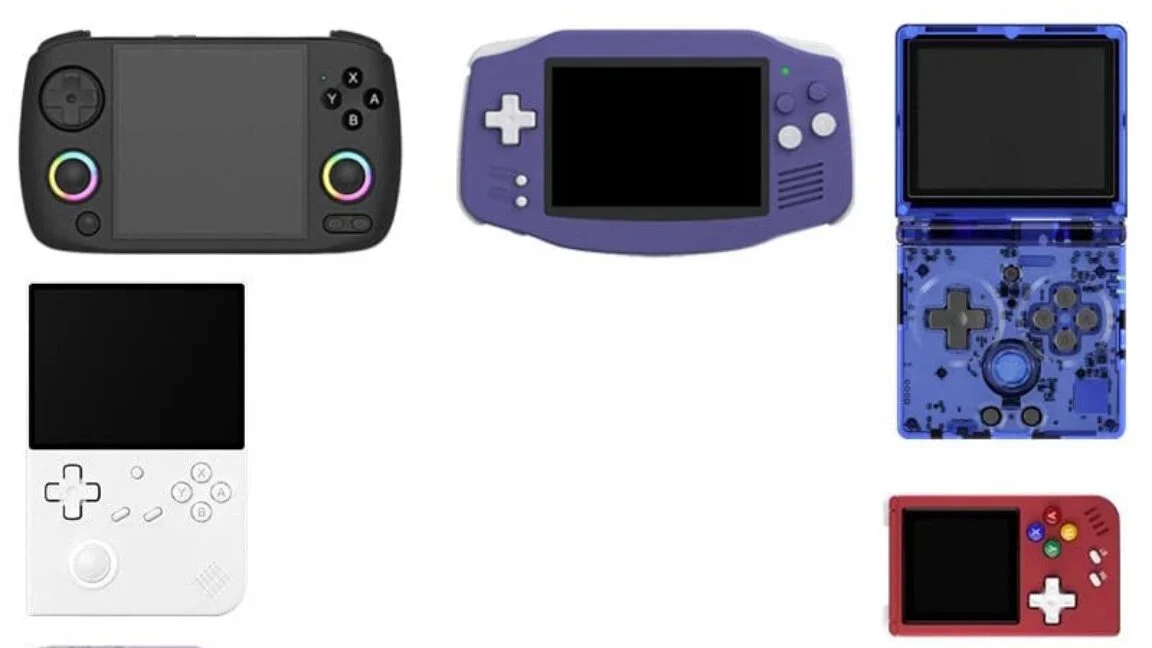
For years, the landscape of handheld gaming has been dominated by a burgeoning ecosystem of Chinese hardware manufacturers. These companies—names like Anbernic, Retroid, and Miyoo—have successfully carved out a lucrative niche, producing portable Android and Linux-based devices that bridge the gap between retro nostalgia and modern game streaming. By offering premium build quality at entry-level price points, they have become staples for enthusiasts globally.
However, this thriving subculture now faces its most significant regulatory challenge to date. The Entertainment Software Association (ESA), the primary trade body representing the interests of gaming giants like Nintendo, Sony, Microsoft, Ubisoft, and EA, has formally requested that the United States Trade Representative (USTR) label Anbernic a "Notorious Market." This designation, reserved for entities that engage in or facilitate substantial copyright piracy and trademark counterfeiting, marks a sharp escalation in the industry’s war against hardware-enabled software theft.
The Core Allegation: Facilitating "Superfake" Piracy
The request, first surfaced by TorrentFreak and filed through the official U.S. federal regulatory portal, strikes at the heart of the "preloaded ROM" business model. The ESA’s core argument is not necessarily that Anbernic devices are inherently illegal, but rather that the ecosystem surrounding them is inextricably linked to the mass distribution of unauthorized, copyright-protected software.
According to the ESA’s filing, Anbernic devices are "routinely offered or shipped with removable memory cards preloaded with hundreds or thousands of unauthorized copies of copyright-protected video games." The association argues that these devices serve as Trojan horses for massive, illicit game libraries.
While direct sales through Anbernic’s official website often omit these SD cards, the ESA contends that this is a distinction without a difference. They argue that third-party resellers and retail channels—which constitute the primary path for most consumers to acquire these devices—routinely bundle these hardware units with "curated" libraries of pirated games. By providing the hardware platform that makes this piracy possible, the ESA claims that manufacturers like Anbernic are normalizing the theft of intellectual property, delivering it through a "polished consumer product" that feels legitimate to the average buyer.
The ESA has specifically employed the term "superfake" to describe this phenomenon. Historically, this term is used to describe high-quality counterfeit luxury goods that mimic the real thing so effectively they deceive the consumer. In the context of gaming, the ESA believes the "superfake" designation is apt: these devices provide a high-end emulation experience that replicates—and often improves upon—the original hardware, while simultaneously serving as a vehicle for widespread commercial-scale copyright infringement.
Chronology of a Conflict: From Niche Hobby to Regulatory Crosshairs
To understand the severity of this move, one must look at the timeline of the handheld emulation market.
- 2010s: The Rise of Open-Source Emulation: Initially, handheld emulation was the domain of hobbyists using Raspberry Pis and bespoke DIY kits. The hardware was clunky, and the software was difficult to set up.
- 2020: The "Anbernic Era" Begins: As chipsets became more powerful and screen technology improved, companies like Anbernic began mass-producing sleek, dedicated handhelds. These devices gained massive traction on platforms like TikTok and YouTube.
- 2022–2023: The Mainstream Pivot: The release of high-performance devices capable of streaming modern AAA titles via Xbox Cloud Gaming or NVIDIA GeForce Now blurred the lines between "piracy machine" and "legitimate streaming device."
- August 2026: The ESA formally submits its petition to the USTR as part of the 2026 Review of Notorious Markets for Counterfeiting and Piracy.
- Present Day: The industry awaits a response from the USTR, with potential import sanctions looming on the horizon.
Supporting Data: The Economics of Unauthorized Distribution
The scale of the problem, according to the ESA, is massive. While individual ROMs—files representing the data from vintage game cartridges—are small, the cumulative volume distributed alongside these handhelds represents a multi-billion-dollar impact on the gaming industry’s back-catalog revenue.
Major publishers have spent decades cultivating their "IP libraries," moving toward subscription models like Xbox Game Pass, PlayStation Plus, and the Nintendo Switch Online service. These services rely on the value of legacy content to drive recurring subscriptions. When a consumer can purchase a $100 Anbernic device that comes pre-loaded with 5,000 games from the 8-bit, 16-bit, and 32-bit eras, the incentive for that consumer to pay for legitimate, subscription-based access to those same games is effectively neutralized.
Furthermore, the "commercial scale" of this operation is not merely confined to back-catalog titles. Modern emulation progress has reached a point where even relatively recent titles can be played on high-end portable devices. The ESA’s documentation suggests that these hardware manufacturers are fueling an underground economy that thrives on the "zero-cost" nature of pirated software, effectively subsidizing the hardware cost through the promise of "free" access to the industry’s greatest hits.
Official Responses and Industry Sentiment
The response from the gaming community has been polarized. On one side, the ESA and its constituents—which include every major publisher from Amazon to Capcom—maintain that the protection of intellectual property is the only way to ensure the industry remains profitable and innovative. They argue that if developers cannot control the distribution of their creative work, the incentive to develop new software diminishes.
Conversely, the "Right to Repair" and "Retro Preservation" movements argue that the ESA’s crusade is a heavy-handed attempt to force consumers into proprietary ecosystems. Many enthusiasts point out that companies like Nintendo have repeatedly failed to provide easy, legal access to their back catalogs, leaving emulation as the only viable way to play games that are otherwise unavailable on modern platforms.
Anbernic, for its part, has maintained a relatively low profile. While the company has not issued a formal press release regarding the USTR filing, it has historically operated by distancing its direct sales from the illegal activities of third-party resellers. However, as the ESA correctly points out, the manufacturers design these devices with features (such as dual SD card slots and specialized emulation front-ends) specifically to accommodate the very libraries that the ESA is attempting to combat.
Implications: The Potential for Global Regulatory Shift
What happens if Anbernic is officially added to the USTR’s "Notorious Markets" list?
1. Symbolic and Reputational Damage
The USTR list serves as a "naming and shaming" mechanism. While there are no immediate, direct legal penalties (such as fines or prison time) attached to being on the list, it acts as a signal to global customs authorities. It puts these manufacturers under a magnifying glass, making it significantly harder for them to maintain partnerships with Western-based payment processors, shipping logistics firms, and online marketplaces like Amazon or eBay.
2. The Threat of Section 301 Investigations
The inclusion on the USTR list is often a precursor to a Section 301 investigation under the Trade Act of 1974. This allows the U.S. government to identify countries and companies that violate trade agreements or engage in practices that harm U.S. intellectual property rights. Should an investigation find that Anbernic (or the Chinese regulatory environment supporting it) is in violation of international IP treaties, the U.S. could impose retaliatory tariffs or, more significantly, strict import bans on the devices themselves.
3. A Chilling Effect on the Hardware Market
If the USTR follows through with the ESA’s request, the ripple effects will be felt across the entire handheld ecosystem. Manufacturers like Retroid, Miyoo, and even smaller boutique producers will likely be forced to change their business practices. This could lead to a "sanitization" of the industry: we may see a future where handhelds ship without any internal storage, requiring the user to download their own OS and legally obtained software—a barrier to entry that would effectively kill the casual, "plug-and-play" nature of the current market.
Conclusion: A Turning Point for Digital Rights
The battle between the ESA and Anbernic is a microcosm of a much larger conflict in the digital age. It is a collision between the modern, subscription-based model of digital distribution and the older, ownership-based model of physical media and its digital remnants.
For the ESA, the mission is simple: defend the bottom line and ensure that their intellectual property remains a protected asset. For the consumer, the issue is more nuanced, involving questions of game preservation, the right to play what you purchase, and the frustration of artificial scarcity.
As the USTR reviews the evidence, the outcome will likely set a precedent for how the U.S. handles the grey-market hardware industry. Whether the result is a crackdown that effectively ends the "preloaded" era or a regulatory standoff that forces a compromise, one thing is certain: the era of "free games" with a hardware purchase is facing its most existential threat to date. The industry is no longer ignoring the handheld emulation market; it is now actively seeking to dismantle its infrastructure, one device at a time.


 Neng Nana
 Siti Muinah
 Nana Wu
 Asro
Asro
 Jia Lissa
 Dwi Wanna