
 Ammar Sabilarrohman
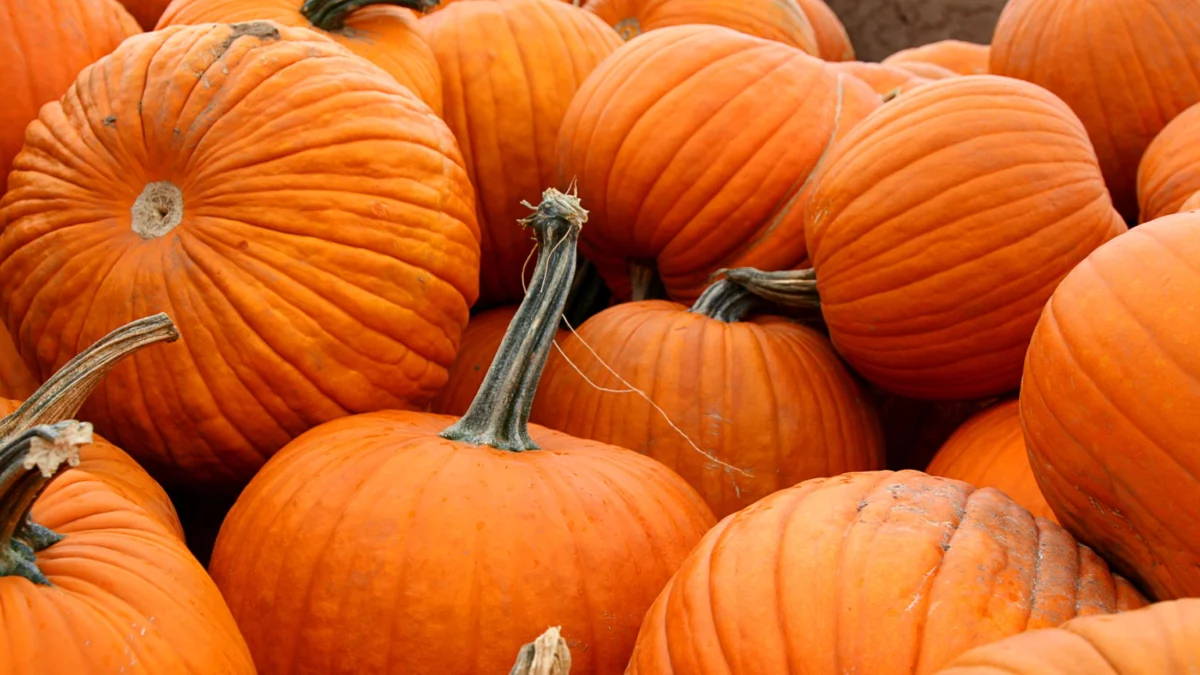
Halloween has officially outgrown its 24-hour window. Once a singular night of costumes and candy, the celebration has metastasized into a sprawling "spooky season" that dominates the retail calendar from the dog days of summer through the first of November. For brands, this transition represents both a massive opportunity and a significant strategic challenge. As consumers begin their preparations earlier each year, the margin for error in marketing campaigns has narrowed, necessitating a shift from reactive seasonal updates to proactive, long-form engagement.
With US Halloween spending projected to hit a staggering $13.5 billion in 2026—surpassing the previous record of $13.1 billion in 2025—the economic stakes have never been higher. To capture this momentum, marketers must look beyond the plastic jack-o’-lanterns and understand the deeper behavioral shifts driving this growth.
The Chronology of the Creep: From Summerween to November
The traditional "retail calendar" is effectively dead. In its place is a phenomenon that begins in late August. Social media feeds are no longer showing beach photos in the final weeks of summer; instead, they are flooded with DIY craft tutorials, horror film recommendations, and costume inspiration.
This evolution is best epitomized by "Summerween," a trend gaining cultural traction as a bridge between mid-summer and the arrival of autumn. Retailers like Michaels have leaned into this by launching "Hobbyween" collections as early as August. By offering crochet kits, embroidery projects, and customizable home accents well before the first leaf falls, brands are inviting consumers to treat the season as an ongoing creative journey rather than a one-time purchase.
By September, the shift is undeniable. Grocery store aisles are fully stocked with trick-or-treat supplies, and consumers are already debating costume themes. For the modern marketer, the calendar is no longer a countdown to October 31; it is a phased rollout that requires distinct creative approaches for late summer, early autumn, and the final "spooky" push.
Supporting Data: A Market in Motion
The numbers provided by Brandwatch Consumer Research reveal a clear trajectory of engagement. Between September 21st and October 20th, 2026, there were approximately 4.83 million public online mentions of Halloween—a 16% increase compared to the same period in 2025. While the number of unique authors remained steady at around one million, the intensity and frequency of the conversation have surged.
This data point highlights a crucial insight: the "Halloween audience" is not necessarily growing in size, but it is growing in depth of engagement. Consumers are spending more time, talking more frequently, and planning their participation with greater care.
Furthermore, the National Retail Federation (NRF) reports that 74% of US consumers plan to celebrate in 2026. Perhaps most telling is the shift in shopping habits: 49% of consumers now begin their shopping in September or earlier. While this figure has remained stable year-over-year, it represents a massive leap from the 34% observed in 2016. This shift is no longer a "trend"—it is a foundational change in consumer behavior that brands must accommodate to remain relevant.
The Economic Drivers: Affordability as a Catalyst
While excitement is the primary driver of early shopping, it is not the only one. Economic pragmatism has become a defining feature of the 2026 season. As inflation and cost-of-living concerns persist, many consumers are turning to early shopping as a strategic budgeting tool.
By spreading out purchases over several weeks, families can mitigate the financial shock of a high-spend holiday. Data suggests that consumers are increasingly hunting for promotions, comparing prices, and utilizing coupons earlier in the season. For marketers, this changes the goal of early campaigns. It is no longer just about building hype; it is about providing utility. Brands that offer "budget-friendly" bundles, clear price transparency, and early-bird incentives are better positioned to win the loyalty of the cost-conscious consumer than those that wait until October to launch their full-priced collections.
Strategic Implications: How Brands Can Dominate
For brands looking to maximize their impact, the strategy must be rooted in authenticity and utility. The following five pillars provide a roadmap for successful engagement:
1. Join the Conversation Before the Crowd
The biggest mistake a brand can make is waiting for the calendar to hit October. By then, the consumer’s "inspiration phase" is already over, and they are in the "procurement phase." Use August and September to curate inspiration, share tutorials, and provide the "how-to" content that fuels the DIY culture of modern Halloween.
2. Tap into Specific Fandoms
Halloween is no longer just about "scary" themes. It is a tentpole event for gaming, pop culture, and niche fandoms. Consider the integration of cosmetics in games like Fortnite or the crossover potential of character-led franchises like Pokémon. The key is to find the intersection between the spooky aesthetic and the specific interests of your existing audience. If you are a brand that sells kitchenware, don’t just sell orange napkins; show a "spooky tea party" setup that fits your product category.
3. Turn Inspiration into Action
Social media is an inspiration machine, but it is often frustratingly abstract. To stand out, brands should move from "look at this cool thing" to "here is exactly how you can make this." Whether it’s a tutorial on a Medusa headpiece or a guide to budget-friendly porch décor, the most successful content acts as a bridge between the consumer’s ambition and their capability.
4. Choose the Niche that Fits
Attempting to cover every Halloween trend is a recipe for dilution. A fashion brand shouldn’t feel forced to host a haunted house; a gaming brand shouldn’t force a "recipe" angle. Identify the behavior that naturally overlaps with your brand identity. Pokémon, for instance, used the season to highlight character-led plushies and playful tea parties. It felt authentic because it played to their strength: character storytelling.
5. Facilitate Participation
Modern consumers do not want to be passive spectators; they want to be active participants. Whether through a user-generated content challenge, a localized event, or a digital remix, brands that give their audience a reason to interact will see higher engagement. Universal’s Halloween Horror Nights succeeds not just because it’s a scary event, but because it provides a series of "shareable moments" that attendees are desperate to capture and post online.
Conclusion: The "Spooky Season" Mandate
In the current landscape, the brands that win are not necessarily the ones with the largest ad spend, but the ones that provide the most value. By using data-driven insights to monitor shifting conversations, and leveraging tools like Brandwatch to manage multi-channel campaigns, marketers can navigate the complexities of the modern Halloween season with confidence.
The era of "spooky season" is here to stay. It is a multi-month marathon where the brands that show up early, offer genuine utility, and respect the cultural nuances of their specific audiences will be the ones that walk away with a greater share of the $13.5 billion prize. Don’t just create content for a holiday; create a seasonal experience that resonates with your customers’ lives, budgets, and interests. The ghosts, ghouls, and shoppers are waiting—and they’re getting started earlier than ever.

 Reynand Wu
 Iffa Jayyana

 Raul Delapena Setiawan


 Sagoh


 Azzam Bilal Chamdy

 Ali Ikhwan
