
 Jia Lissa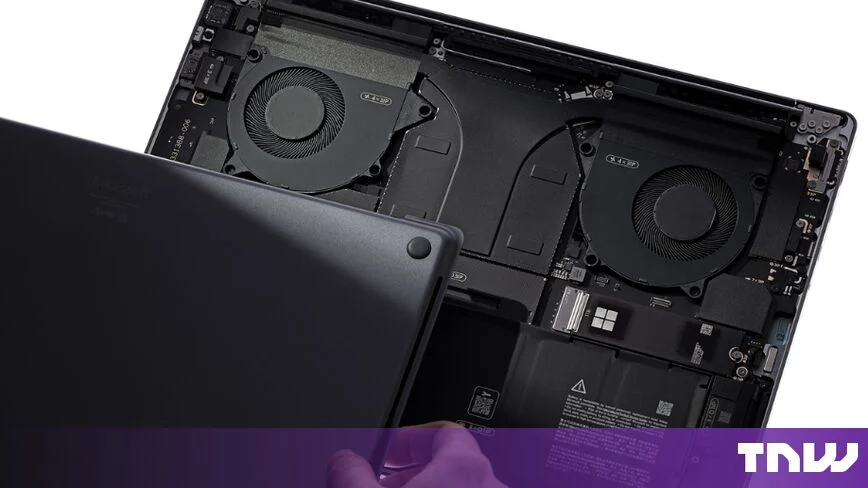
In a move that signals a tectonic shift in the personal computing landscape, Microsoft has officially unveiled the Surface Laptop Ultra, its first flagship device powered by an Nvidia-designed processor. With a starting price of $2,599.99, the device represents more than just a hardware refresh; it is a direct, aggressive challenge to Apple’s silicon dominance, specifically targeting the MacBook Pro M5. However, as the device hits the market, the industry is left grappling with bold performance claims that currently lack transparent validation, and a supply chain landscape that is increasingly hostile to high-end hardware.
Main Facts: A New Contender in the AI Era
The Surface Laptop Ultra is built around the "RTX Spark," a potent system-on-a-chip (SoC) that pairs an Nvidia Blackwell graphics processor with a Grace CPU, the latter of which was co-designed with MediaTek. This collaboration marks a significant departure for Microsoft, which has historically relied on x86 architecture from Intel and AMD to power its premium Windows offerings.
Key specifications for the new device include:
- Processor: Up to 20 Nvidia Grace cores.
- Memory: Up to 128GB of unified memory.
- Storage: Up to 2TB of high-speed solid-state storage.
- Display: A high-end panel boasting a peak brightness of 2,000 nits (measured over a 10% window with HDR content).
The pricing strategy is perhaps the most surprising element of the launch. At $2,599.99, the Surface Laptop Ultra undercuts a comparable 16-inch MacBook Pro M5 by approximately $400. This aggressive entry point suggests that Microsoft is willing to compress margins to capture market share from Apple in the professional creative and developer segments.
Chronology: From Failed Mergers to Silicon Sovereignty
To understand the weight of this release, one must look at the historical trajectory of the technology powering it.
February 2022: The proposed $40 billion acquisition of Arm by Nvidia officially collapses following intense scrutiny from global regulators and pushback from competitors. The deal, which would have granted Nvidia control over the architecture powering the vast majority of mobile and efficient computing, died on the vine.
Mid-2026: As the global demand for "AI PCs" shifts from cloud-based processing to local execution, Microsoft and Nvidia deepen their partnership. With Intel and AMD struggling to keep pace with the specific requirements of large-scale local AI inference, Nvidia accelerates the production of its Blackwell-Grace "Spark" platform.
Wednesday, October 2026: Microsoft executives take the stage in San Francisco to formally unveil the Surface Laptop Ultra. They make the incendiary claim that the machine returns prompts from locally run AI models twice as fast as the MacBook Pro M5 and generates video six times faster.
Present Day: The device is currently available for pre-order, though industry analysts remain cautious, noting that Microsoft has yet to publish a standardized methodology for the performance benchmarks presented on stage.
Supporting Data: The Benchmark Blind Spot
The central controversy surrounding the Surface Laptop Ultra launch is the lack of empirical evidence supporting its performance superiority. While Microsoft’s marketing materials are laden with promises of "AI speed," the footnotes—where they exist—are conspicuously narrow.
For instance, while Microsoft provides detailed, standardized testing conditions for the display’s brightness, the comparative claims against Apple remain opaque. In the world of high-performance computing, such claims are usually accompanied by white papers detailing the specific AI models used, the parameter counts, and the precise software environment of the Apple comparison device.
Analysts have long warned about the "AI PC" marketing bubble. With Nvidia having raised the price of its DGX Spark platform by 75%—to $6,950—earlier this year, the underlying cost of the hardware is skyrocketing. Market watchers were surprised that Microsoft managed to keep the Surface retail price at $2,599.99, fueling speculation that the company is either subsidizing the hardware to win users or that the "Ultra" configuration is a niche, low-volume play meant primarily for corporate branding.
The Arm Paradox: Paying Royalties to a Rival
The irony of the Surface Laptop Ultra is not lost on industry insiders. The Grace CPU at the heart of the machine is built on Arm’s architecture. Despite Nvidia’s failed attempt to purchase Arm, the company is now forced to pay royalties to the Cambridge-based firm for every RTX Spark chip that enters the market.
This creates a fascinating ecosystem dynamic: every Surface Laptop Ultra sold puts money into the pockets of Arm, a company that remains a critical supplier to Apple as well. Microsoft, meanwhile, is attempting to break the "Wintel" duopoly (Windows and Intel/AMD) that has governed the PC market for decades. By adopting the Arm instruction set, Microsoft is essentially betting that the future of computing will be defined by the efficiency of mobile-derived architectures rather than the legacy performance of x86.
Implications: The Shift Toward Local AI
Perhaps the most significant implication of the Surface Laptop Ultra is the shift in philosophy regarding AI compute. For years, the industry has pushed for "cloud-first" AI—where tasks are offloaded to data centers. Microsoft is now arguing the opposite: local processing is cheaper, more secure, and inherently more reliable.
This argument is gaining traction in sensitive sectors. Recently, the Dutch tax office made headlines by moving its email infrastructure off Microsoft’s public cloud and back onto its own on-premises servers. This reflects a growing trend among governments and large enterprises to reclaim data sovereignty. Microsoft is leveraging this trend by pitching the Surface Laptop Ultra as a "personal cloud" device.
The Macroeconomic Headwinds
However, the timing of this launch could not be more precarious. The global PC market is currently experiencing a downturn. European laptop shipments are forecast to fall by 6.4% this quarter, with a projected 20% drop in the fourth quarter. Desktop shipments are expected to plummet by nearly 30%.
Several factors contribute to this malaise:
- Memory Shortages: Fluctuating costs for DRAM and high-bandwidth memory (HBM) are forcing manufacturers to raise system prices across the board.
- Extended Refresh Cycles: Corporations, squeezed by inflationary pressures, are stretching the life of their existing hardware.
- The AI Hype Gap: While "AI PC" is a popular buzzword, market research firm Gartner does not expect AI-capable devices to reach a majority of global shipments until 2028.
Conclusion: A High-Stakes Gamble
Microsoft’s Surface Laptop Ultra is a statement piece. It represents a company attempting to control its own destiny by marrying its software stack with custom silicon. Whether it can truly outperform Apple’s M5—and whether customers are willing to pay a premium for that performance during a global hardware slump—remains to be seen.
The success of the RTX Spark platform depends on more than just raw speed; it requires the software ecosystem to embrace Arm architecture fully. If Microsoft can prove that local AI is a tangible productivity multiplier rather than just a marketing gimmick, it may well force the rest of the industry to follow suit. For now, however, the Surface Laptop Ultra stands as a bold, expensive, and largely unverified promise in a market that is increasingly hesitant to believe the hype.


 Lina Irawan
 Suro Senen
 Laily UPN
 Iffa Jayyana
 Rifan Muazin

 Lina Hope