
 Muslim
In the years following the COVID-19 pandemic, the corporate world experienced a seismic shift. Social reckonings, climate crises, and global health emergencies forced brands out of their traditional, neutral boardrooms and onto the frontlines of the cultural battlefield. Suddenly, “staying out of it” was no longer a viable strategy; silence was interpreted as complicity, and consumers demanded that their favorite labels take a stand.
However, the rapid acceleration of corporate activism also birthed a cynical byproduct: performative social media posts that prioritized optics over outcomes. As consumers began to view these campaigns as self-promotional, a "chilling effect" took hold. Fearing the wrath of polarized stakeholders and the potential for "cancellation," many companies retreated into silence. Yet, as we move into 2026, the pendulum is swinging back—not toward the performative, but toward the intentional.
The Chronology of Corporate Consciousness
To understand the current state of brand activism, one must look at the timeline of the last five years.
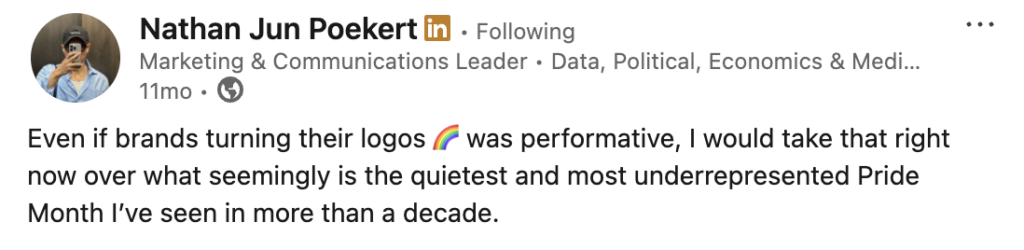
2020–2022: The Age of Urgency. In the wake of the global pandemic and the resurgence of the Black Lives Matter movement, brands felt an immediate pressure to issue statements. During this period, the goal was visibility. Companies were quick to post black squares, rainbow logos, and promises of internal change. However, many of these efforts were criticized for being reactive rather than proactive.
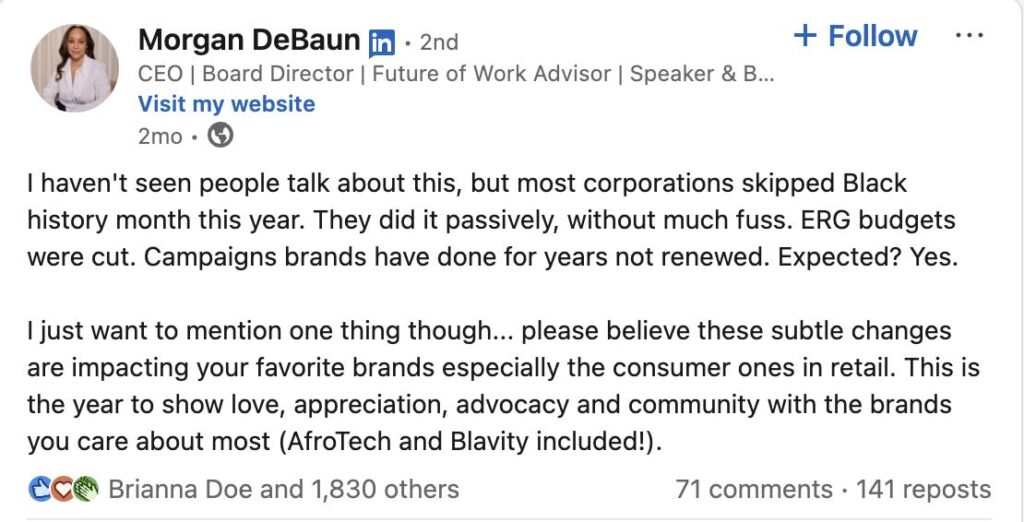
2023–2025: The Backlash and The Silence. As consumers developed a sharper eye for "woke-washing" and performative marketing, the narrative shifted. Brands that were perceived as using social issues to sell products faced significant backlash from both ends of the political spectrum. Consequently, a period of corporate reticence began. Milestones like Pride Month, Black History Month, and Women’s History Month saw a marked decline in brand participation as companies prioritized risk mitigation over social engagement.
2026 and Beyond: The Renaissance of Intent. We are currently witnessing a push for a "brand activism renaissance." Data from Sprout Social’s Q1 2026 Pulse Survey indicates that 67% of social media users still believe brands should respond to political and social issues at least some of the time. The demand has not disappeared; it has simply evolved. Consumers are no longer asking for a statement; they are asking for a stake in the outcome.
Supporting Data: What the Consumer Really Wants
The landscape of consumer expectations is nuanced and heavily segmented by demographics and industry relevance. While the general sentiment remains in favor of brand involvement, the "why" and "how" are critical.
According to Sprout Social’s data, only 24% of consumers now believe it is important for brands to take a broad, public stand on social and political issues, a significant drop from the 70% reported in 2019. This decline suggests that consumers are suffering from "activism fatigue" regarding broad, generic statements.
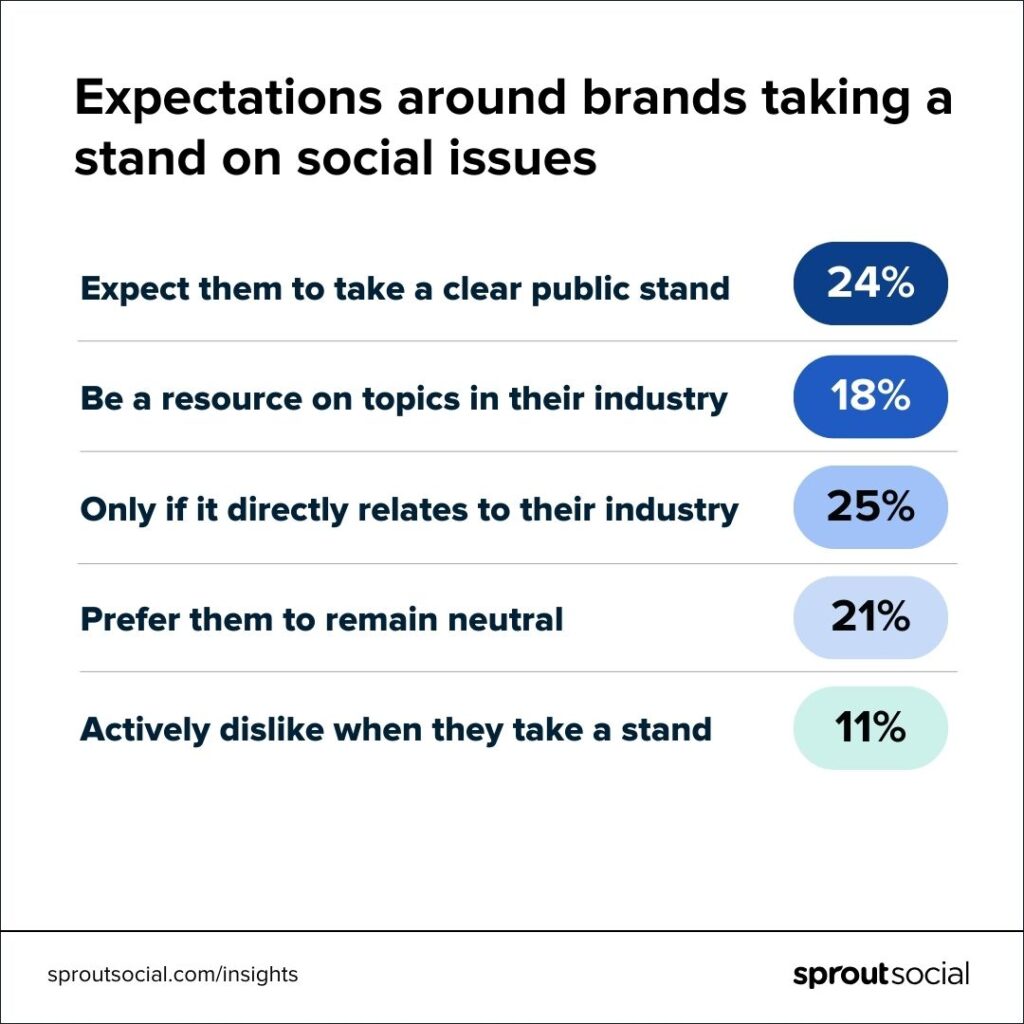
Instead, the modern consumer favors precision:
- 18% expect brands to act as a resource on topics specifically within their industry vertical.
- 25% believe brands should only speak out if the issue directly relates to their specific business operations.
- 11% remain strictly opposed to corporate activism in any form.
These figures underscore a critical reality: consumers are looking for domain expertise rather than general political commentary. Furthermore, generational divides are stark. Gen Z remains the primary driver of the demand for values-based corporate behavior, while political affiliation acts as a secondary filter, with liberal-leaning consumers consistently showing higher expectations for brand advocacy than their conservative counterparts.
The Influencer Paradox
The call for activism extends beyond corporate headquarters to the world of creator and influencer marketing. In 2024, nearly 87% of consumers expressed a desire for influencers to align their public voice with their private values. However, by early 2026, that sentiment had become more surgical.
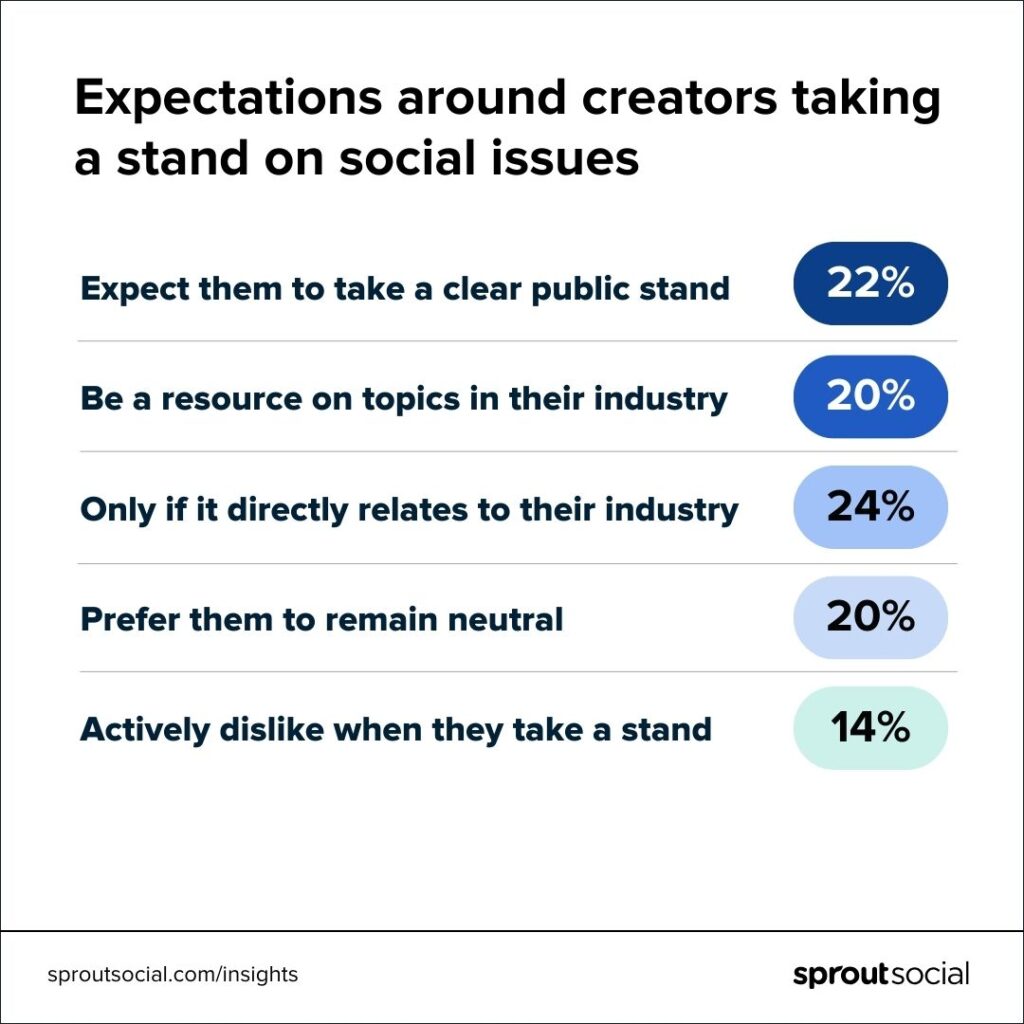
Currently, only 22% of consumers want influencers to share perspectives on every major issue. A significant 20% want creators to avoid political discourse entirely. As with corporate brands, the sweet spot for creators lies in relevance: 24% of consumers only want to hear from influencers when the issue falls within their established area of expertise. This creates a "trust corridor"—if a fitness influencer speaks on nutrition policy, the audience is engaged; if that same influencer speaks on global trade agreements, the audience is alienated.

Official Perspectives and the Risks of Misalignment
The risks of miscalculation are profound. Nathan Jun Poekert, a prominent CMO advisor and management consultant, notes that the cost of performative activism can be long-term brand damage. "Unless you can directly address the source of the problem, it doesn’t benefit your brand to put out a statement," Poekert explains.
The danger of "inserting" a brand into a global event is that it often feels opportunistic. For many businesses, particularly in sectors like retail or luxury goods, the expertise required to speak on complex geopolitical issues is absent. When companies attempt to bridge this gap without deep knowledge or a clear link to their mission, they risk a "social media takedown."
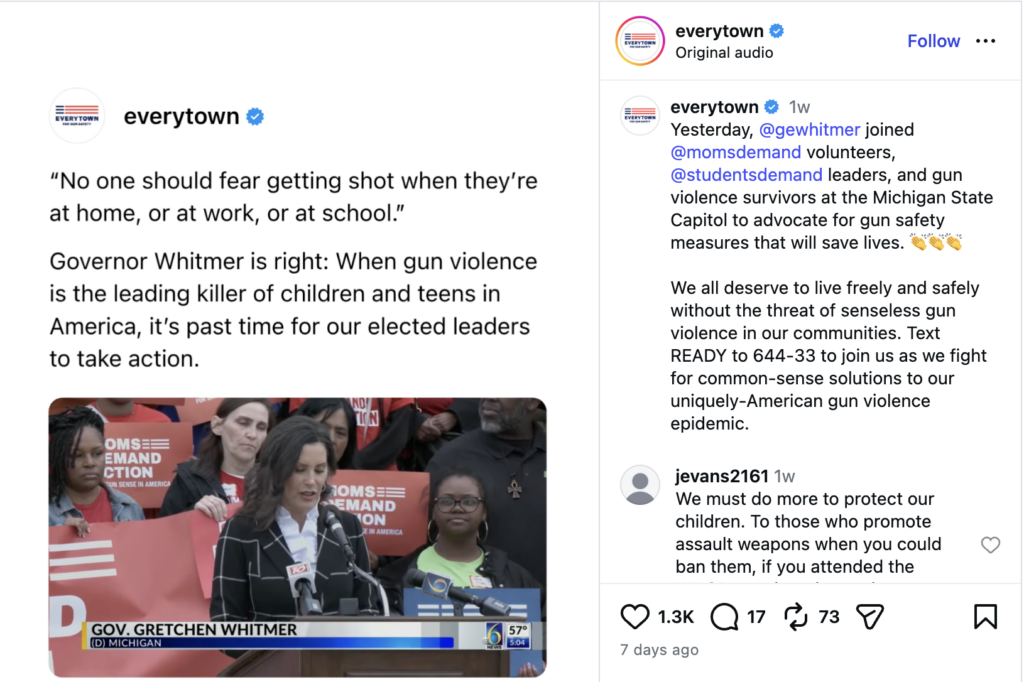
Poekert’s advice is stark: "Many brands who have inserted themselves into culturally or politically-charged issues have found themselves in social media takedowns. You will risk receiving magnitudes of social media backlash. Can your business survive that?"
A Framework for Decisive Action
To navigate this landscape, brands should adopt a rigorous framework before releasing any statement or launching a campaign.
1. The Proximity Test
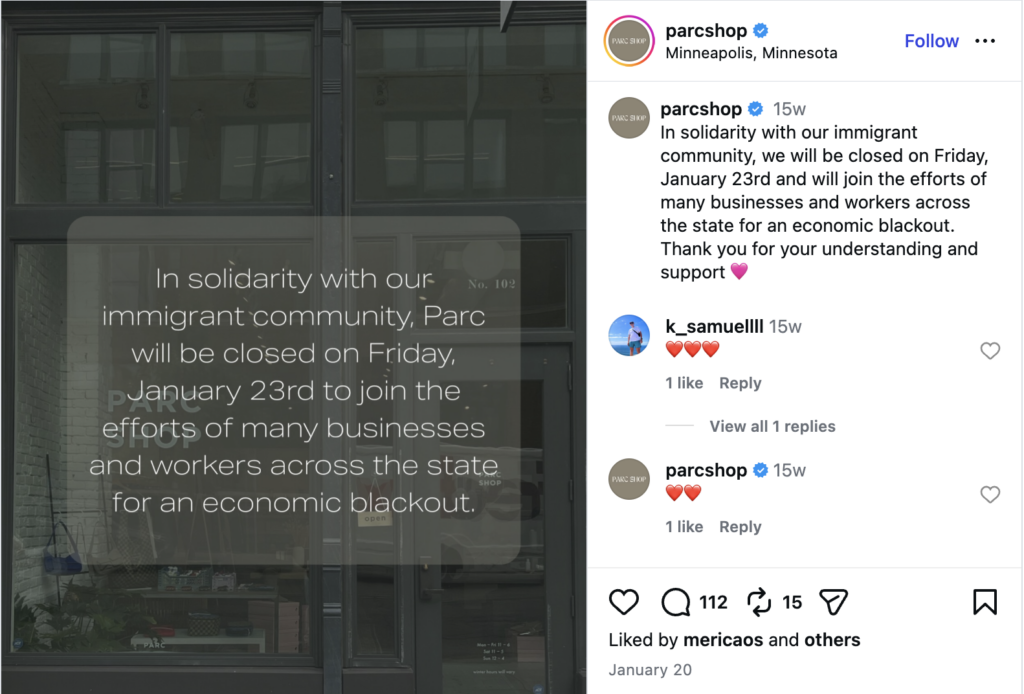
Does the issue directly affect your employees, supply chain, or customers? If the answer is yes, the company has a moral and operational mandate to speak. If the answer is no, the company should consider whether it has the standing to add value to the conversation.
2. The Mission Alignment
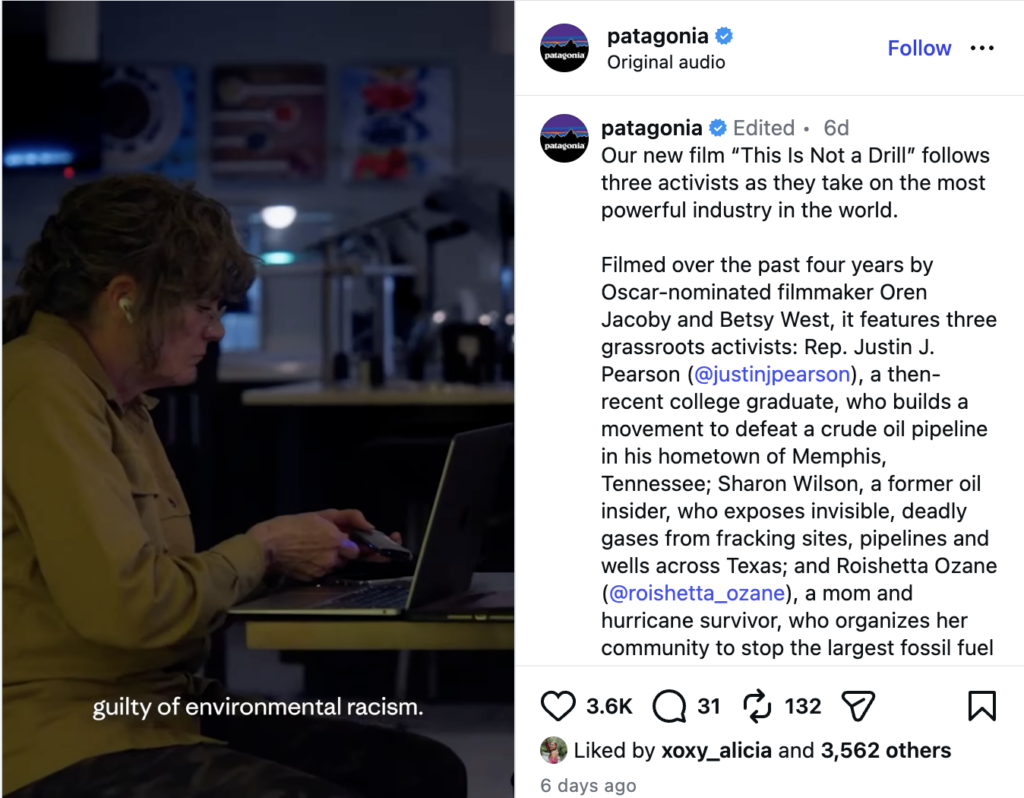
Does the stance align with the long-term ethos of the brand? For instance, Patagonia’s stance on environmentalism is inseparable from its business model. For brands without a foundational history of activism, sudden departures into social causes are often viewed with skepticism.
3. The Social Intelligence Filter
Brands must move beyond "gut feelings" and utilize social intelligence tools. By analyzing sentiment trends and monitoring specific keywords, companies can catch potential crises before they escalate. Social data should inform the product pipeline, R&D, and CSR initiatives, not just the marketing calendar.
Implications: Learning from the Leaders
Three companies currently serve as the gold standard for how to handle these tensions:
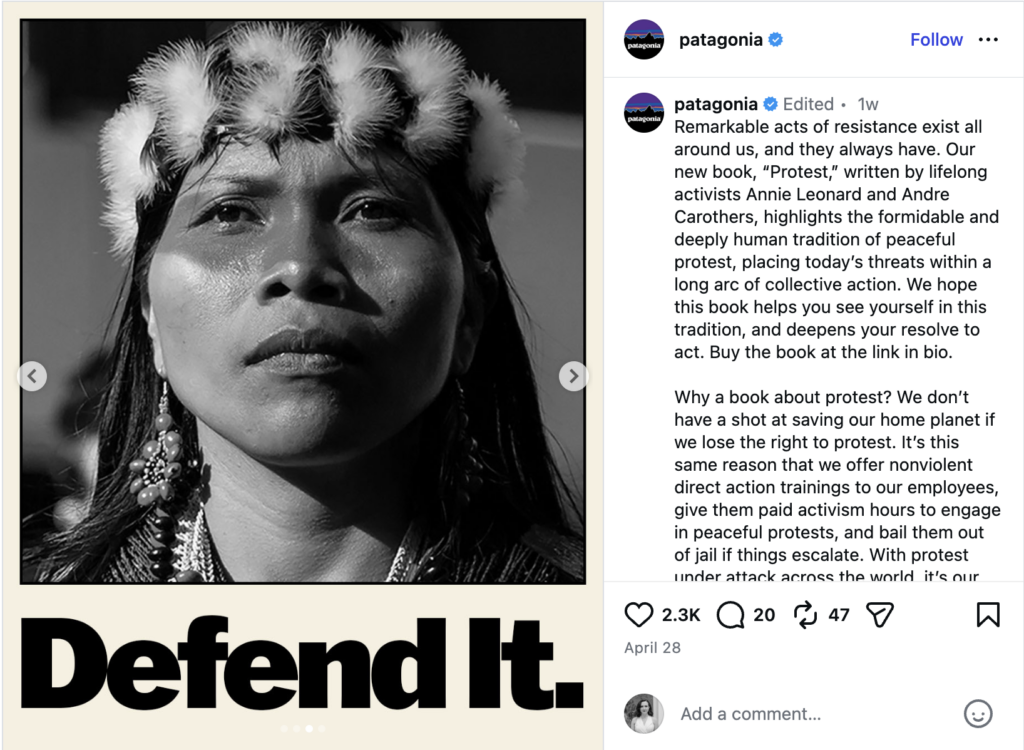
Patagonia: The Mission-First Model
Patagonia does not treat activism as a campaign; it treats it as a core business function. By focusing on the "long-term success of something that is immeasurable," such as environmental preservation, they have built a reputation that transcends standard ROI. Their digital channels serve as platforms for education and mobilization, not just product promotion.
Dove: The Multi-Decade Commitment
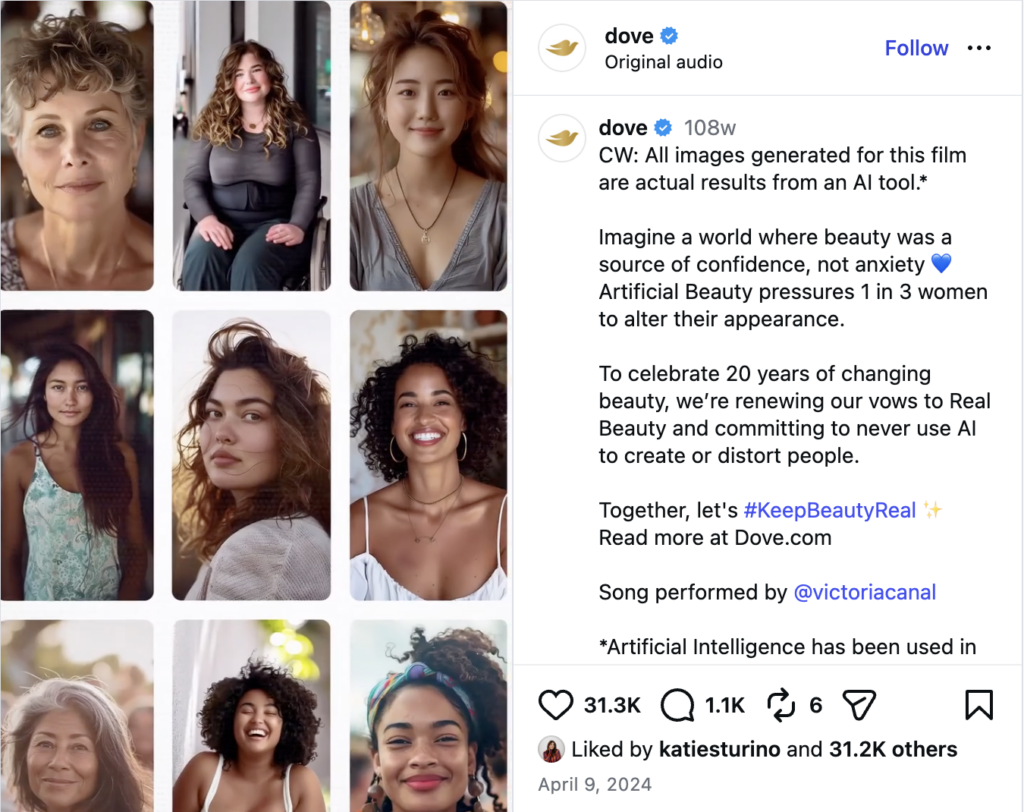
Dove’s "Real Beauty" campaign is a masterclass in consistency. By addressing the harms of narrow beauty standards and, more recently, the risks of AI-generated imagery, Dove proves that activism is most effective when it is sustained. They have spent 20 years building curricula and training programs, ensuring that their social media presence is the tip of an iceberg that includes deep, real-world impact.

The Innocence Project: The Fact-Based Approach
By focusing on the tangible goal of exonerating the wrongly incarcerated, the Innocence Project uses its platform to drive specific actions—such as calling lawmakers or donating to legal funds. Their success lies in their reliance on hard facts and human-led storytelling, which prevents them from being seen as "political" in a divisive sense and instead frames them as "essential" in a justice-driven sense.
Conclusion: The Path Forward
The era of the "check-the-box" social media post is effectively over. Consumers are becoming increasingly adept at distinguishing between a brand that cares and a brand that is performing.
For modern businesses, the path forward is one of quiet, consistent, and intentional action. By aligning advocacy with corporate identity, utilizing data to understand audience sentiment, and focusing on measurable impact rather than ephemeral virality, companies can navigate the current climate. The goal for the next five years is not to be the loudest voice in the room, but the most relevant and the most authentic. In an age of noise, silence is sometimes a luxury, but meaningful action remains a necessity.

 Reynand Wu
 Iffa Jayyana
 Ammar Sabilarrohman
 Azzam Bilal Chamdy
 Sagoh
Sagoh
 Suro Senen