
 Nana
Nana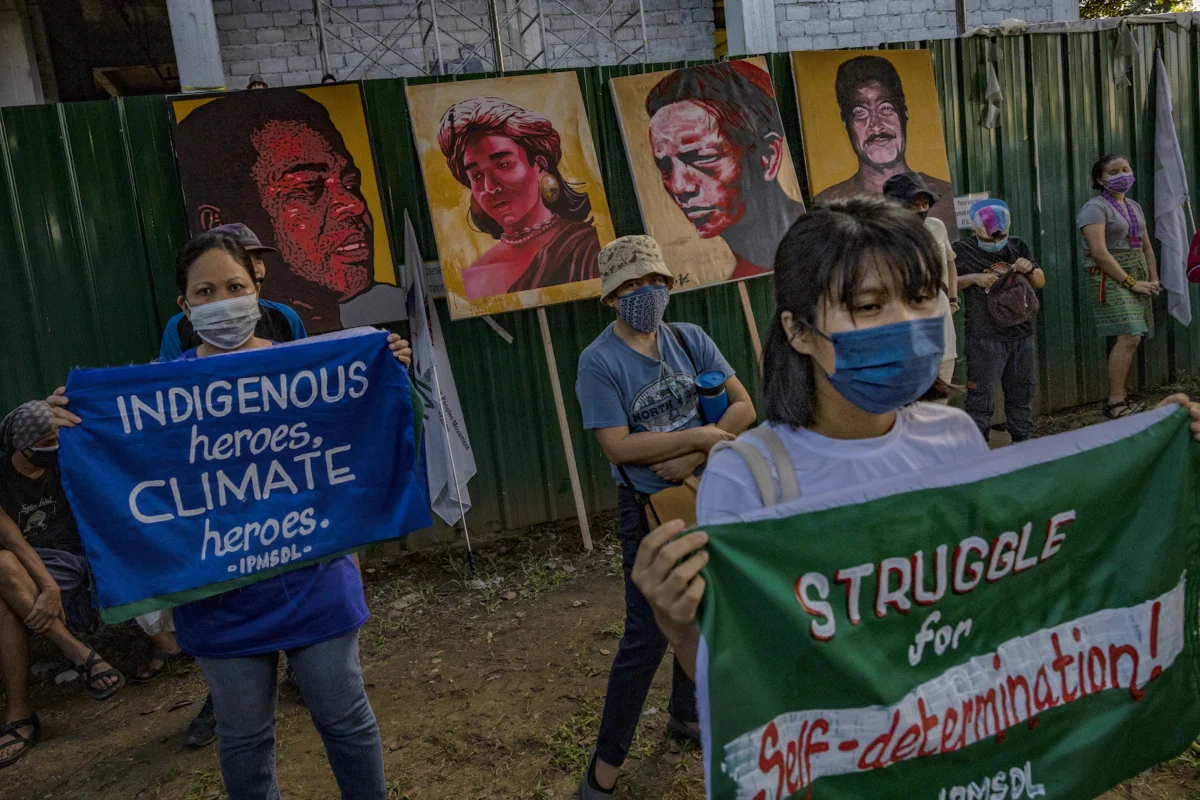
This report was originally published by Inside Climate News and is reproduced here as part of the Climate Desk collaboration.
Despite a historic wave of international judicial recognition affirming the right to a healthy environment, the individuals tasked with defending the planet are facing a lethal crisis. In 2025, environmental and Indigenous rights defenders remained among the most targeted human rights advocates globally. A new report by the Dublin-based organization Front Line Defenders reveals a sobering reality: the legal triumphs of the courtroom are being met with a violent, often coordinated, backlash in the forests, mountains, and boardrooms where the future of the Earth is being contested.
The Cost of Conscience: Global Lethality Statistics
According to the comprehensive 2025 report from Front Line Defenders, at least 358 human rights defenders were killed last year. This figure represents more than just a statistic; it is a profound indictment of a global system that continues to prioritize extractive profits over human life.
Of these fatalities, 84—nearly a quarter—were individuals specifically targeted for their unpaid, often dangerous work protecting land and the environment. The geography of this violence is sprawling, spanning every inhabited continent. Documented killings occurred in nations as diverse as Brazil, Colombia, Ecuador, France, Honduras, Guatemala, Mexico, India, Indonesia, Peru, the Philippines, Turkey, Somalia, and Palestine.
Furthermore, Indigenous-rights defenders, who frequently work at the intersection of cultural preservation and environmental protection, accounted for an additional 17 percent of the recorded deaths. When combined, these two categories reveal that a massive proportion of global human rights violations are rooted in the defense of territory and natural resources.
A Spectrum of Suppression: Beyond the Killings
The threat landscape is not defined by murder alone. The report highlights that for every death, there are countless instances of intimidation, state-sponsored repression, and extralegal violence. Last year, nearly 4,000 nonlethal attacks were documented across 119 countries.
These incidents ranged from sophisticated digital surveillance and state-sanctioned smear campaigns to arbitrary detention, enforced disappearances, and physical torture. The authors of the report emphasize that this figure is likely a vast undercount. In many regions, the “imposition of internet blackouts, the suppression of media, the targeting of documenters, and the total closure of civic space” have rendered the tracking of such crimes nearly impossible. Countries characterized by political instability or authoritarian governance—such as China, the Democratic Republic of Congo, and Iran—remain notorious “black holes” for human rights reporting, where perpetrators operate with almost total impunity.
Case Study: The Death of Efraín Fueres
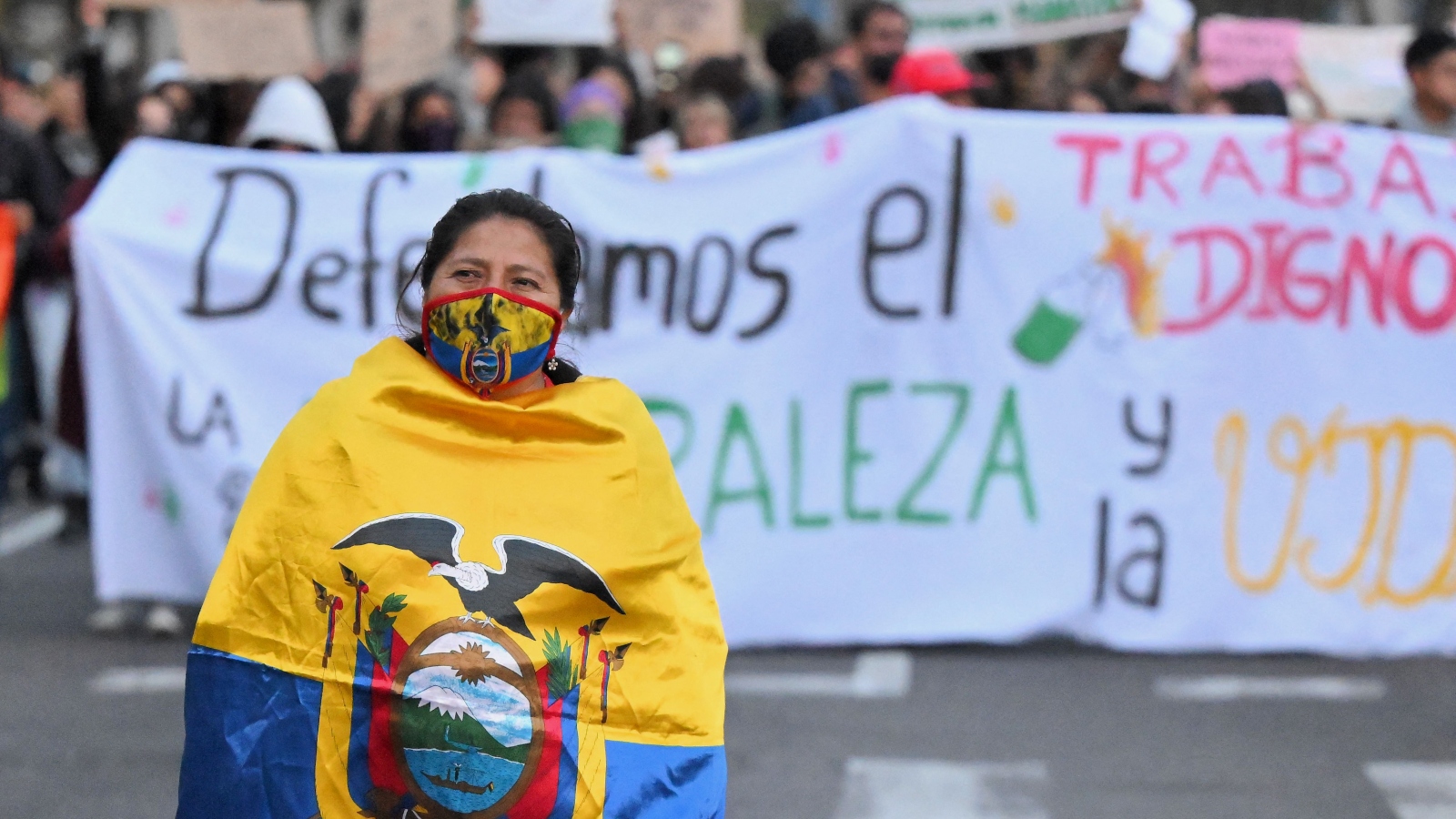
The human cost of this conflict was made starkly visible in the death of Efraín Fueres, a 46-year-old Ecuadorian environmental leader. Fueres, a community pillar who had been active in protesting the government’s shift toward authoritarianism and pro-extractive policies, was killed during a protest in late 2025.
Social media footage of the incident captured the brutality of the encounter: Fueres was gunned down while marching. Following the shooting, a military vehicle approached his body, where a companion was kneeling in distress. Armed officers surrounded the pair, repeatedly kicking the companion while Fueres lay dead in the street. This graphic documentation serves as a harrowing reminder of the vulnerability of those who stand in the way of state-backed development. Despite the public nature of the incident, both the Ecuadorian Consulate in Washington, D.C., and the country’s public prosecutor’s office have declined to comment on the matter, reflecting a broader pattern of state silence in the face of accountability.
The Legal Paradox: Courts vs. Reality
The surge in violence occurs against a backdrop of unprecedented legal progress. In recent years, international courts have issued landmark rulings affirming that a healthy environment is a fundamental precondition for all other human rights.
Most notably, the Inter-American Court of Human Rights issued a groundbreaking advisory opinion last year, stating, “Respect for and guarantee of the rights of environmental human rights defenders is particularly important because they perform a task that is fundamental for strengthening democracy and the rule of law.”
Currently, more than 165 countries have recognized the human right to a clean, healthy, and sustainable environment. Theoretically, this should provide a robust shield for activists. However, the disconnect between these legal frameworks and the reality on the ground is widening. As the climate crisis intensifies, the pressure to exploit resources for lithium, oil, gas, and timber has led to what researchers call “economies of violence.”
The Anatomy of the “Economies of Violence”
The report identifies a troubling trend: the emergence of overlapping networks of government officials, corporate entities, organized criminal groups, and private security firms. These networks, often operating in a gray area of legality, coordinate to neutralize opposition.
“Defenders who challenge land dispossession, extractive industries, or illicit economies often confront the same networks of power, regardless of whether those activities are formally lawful or criminalized,” the report notes. In places like Ecuador, environmentalists have described a chaotic environment where illegal miners operate alongside or within areas designated for legal mining, effectively blurring the lines between state authority and criminal enterprise.

This “criminalization” of dissent is a primary tactic used by corporations and governments alike. By labeling protesters as “terrorists,” “troublemakers,” or “anti-development,” state actors justify the use of retaliatory lawsuits, surveillance, and police force. In Ecuador, the report found that the majority of criminalization cases occurred in the context of projects where communities were never granted their right to “free, prior and informed consent.”
Implications: The Future of Civic Space
The systematic targeting of environmental defenders has profound implications for global climate goals. If those who are on the front lines of protecting biodiversity and carbon-sequestering ecosystems are silenced, the systemic changes required to mitigate the climate crisis become impossible to implement.
The suppression of these individuals is not merely a regional issue; it is a direct assault on the rule of law and the democratic process. When the mechanisms of the state are used to protect the interests of extractive industries over the safety of citizens, the very foundation of the United Nations’ Universal Declaration of Human Rights is undermined.
As the world looks toward 2026 and beyond, the data from Front Line Defenders serves as a urgent warning. Without international mechanisms that go beyond mere rhetoric and judicial opinions—mechanisms that provide physical protection, legal aid, and genuine accountability for those who perpetrate these “economies of violence”—the individuals standing between the planet and its destruction will continue to pay the ultimate price.
The struggle is no longer just about environmental policy; it is a battle for the survival of the defenders themselves, and by extension, the survival of the democratic values that underpin global efforts to address the climate emergency. The world is watching, but for those on the ground, the wait for protection is proving to be a matter of life and death.


 Raul Delapena Setiawan
 Laily UPN
 Reynand Wu
 Sagoh
Sagoh

 Azzam Bilal Chamdy
 Ali Ikhwan