
 Basiran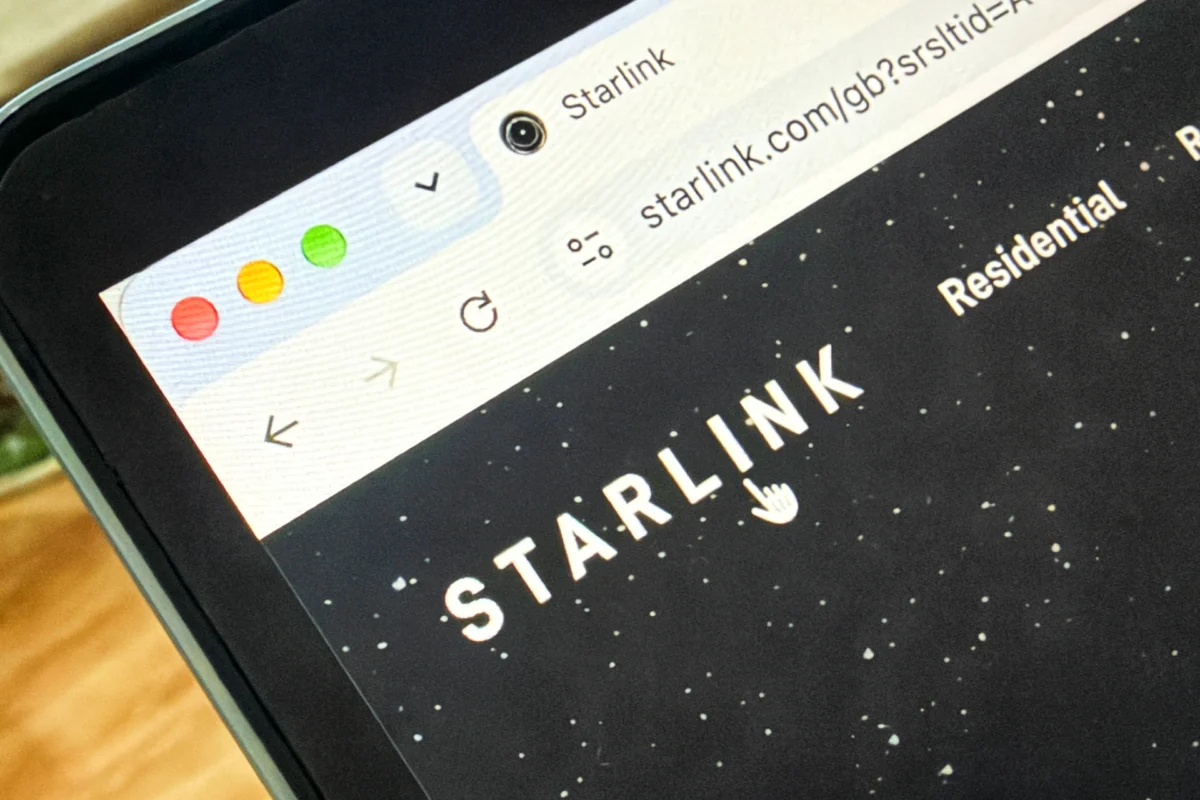
The race to bridge the digital divide in India—the world’s most populous nation—has hit a turbulent intersection of high-stakes geopolitics, corporate lobbying, and regulatory scrutiny. SpaceX, led by billionaire Elon Musk, finds itself locked in a public confrontation with the Indian government over the delayed rollout of Starlink, its satellite-based internet service. What began as a multi-year effort to integrate into the world’s largest internet market has escalated into a war of words, with Musk accusing “oligarchs” of obstructionism and the Indian Ministry of Communications firmly defending its regulatory impartiality.
The Flare-Up: Musk’s Allegations
On Wednesday, the simmering frustration surrounding Starlink’s delayed entry into India boiled over. In a series of posts on X (formerly Twitter), Elon Musk issued a stinging rebuke of the current regulatory environment in India. Without naming specific individuals or entities, Musk alleged that “oligarchs” were intentionally stalling Starlink’s launch to preserve a “monopolistic chokehold” over the nation’s telecommunications sector.
Musk’s rhetoric was uncompromising, characterizing the delay as a “crime against the people of India.” He argued that Starlink’s satellite constellation is uniquely positioned to deliver high-speed, affordable internet to rural and remote regions that remain underserved by terrestrial fiber and mobile networks. For Musk, the delay is not merely a bureaucratic hurdle but a systemic failure to modernize India’s digital infrastructure.
The Official Rebuttal: New Delhi’s Stance
The response from the Indian Ministry of Communications was swift and categorical. Within hours of Musk’s outburst, the Ministry issued a formal statement, asserting that the nation’s regulatory framework for satellite communications is “fair and non-discriminatory.”
The government clarified that Starlink is currently one of three licensed satellite operators undergoing a rigorous security assessment. According to the Ministry, all three companies are at “broadly the same regulatory stage.” The crucial bottleneck, as described by officials, is the completion of security clearances required before any company can be granted access to spectrum—the essential radio frequencies required to transmit satellite signals. By emphasizing that no special treatment is being afforded to any entity, the government effectively dismissed Musk’s claims of a coordinated plot by domestic oligarchs.
A Chronology of a Complex Entry
The struggle for Starlink to enter the Indian market has been a five-year saga of fits and starts. The timeline of this endeavor reveals the friction between a disruptive global tech giant and a cautious, legacy-heavy regulatory environment.
- 2021: The Initial Push: SpaceX formally incorporated its Indian subsidiary and began accepting preorders from Indian consumers, promising to deploy 200,000 active terminals by 2022.
- 2022: The Regulatory Correction: The Indian government intervened, directing SpaceX to refund all preorders, citing the company’s lack of valid licenses to operate satellite internet services in the country. This served as a humbling moment for the company, forcing a pivot from consumer-facing disruption to formal regulatory compliance.
- 2023: The Spectrum Debate: A major point of contention arose regarding the method of spectrum allocation. Starlink lobbied for administrative allocation—a move favored by many global space-tech players. Meanwhile, domestic giants like Reliance Jio argued for an auction-based model, which would have significantly increased the capital expenditure for new entrants. Ultimately, the Indian government moved toward administrative allocation, a major win for Starlink.
- 2024: Strategic Partnerships: Recognizing the difficulty of going it alone, Starlink pursued partnerships with India’s telecom titans, Reliance Jio and Bharti Airtel, seeking to integrate its services into their existing massive distribution networks.
- 2025: The Current Impasse: Despite having appointed a local leadership team, including former Payoneer executive Prabhakar Jayakumar, and having established over 20 gateway sites across India, the service remains dormant.
The Competitive Landscape: An Unlikely Alliance
The paradox of Starlink’s entry strategy lies in its relationships with the very companies Musk now seemingly targets. Both Reliance Jio and Bharti Airtel are themselves aggressively pursuing satellite-based internet services to maintain their market dominance.
Jio has partnered with satellite operator SES, while Airtel serves as a primary backer of Eutelsat OneWeb. These partnerships are essentially “frenemy” agreements; while the Indian telcos have agreed to distribute Starlink’s services, they are simultaneously building internal capabilities to ensure they remain the gatekeepers of India’s digital connectivity. This duality explains why the regulatory environment is so contentious—the incumbents are leveraging their influence to ensure that any satellite-based disruption does not erode their existing revenue streams from mobile and fiber-optic data.
Infrastructure and Readiness
Despite the absence of a commercial launch, Starlink has spent significant capital preparing for the inevitable. The company has invested in the physical infrastructure required for a nationwide launch, including the deployment of hundreds of antennas and the setup of regional gateways.
Moreover, Starlink has publicly demonstrated its commitment to India’s regulatory landscape. During the India Mobile Congress in New Delhi, Lauren Dreyer, Starlink’s vice president of business operations, publicly affirmed that the company is fully aligned with Prime Minister Narendra Modi’s vision for universal connectivity. Starlink has positioned its technology as a complementary layer to India’s existing terrestrial networks, rather than a direct replacement, hoping to win favor by promising to reach the “last mile” that traditional telcos have found too expensive to serve.
Implications for India’s Digital Future
The standoff holds significant implications for the broader Indian economy. With over a billion internet subscribers, India is the most sought-after market for global technology companies. However, the regulatory environment remains a complex labyrinth of security concerns, data sovereignty requirements, and protectionist tendencies.
For the Indian government, the priority is clear: national security and the protection of domestic industry are paramount. The Ministry of Communications views the vetting process as a necessary safeguard, particularly given the sensitive nature of satellite communications and the potential for cyber-espionage.
For SpaceX, the India situation represents a critical test of its global expansion strategy. While Starlink has successfully launched in numerous countries and even recently expanded into neighboring Bangladesh with “Starlink Mobile,” the Indian market represents a different scale of challenge. The outcome of this dispute will likely set a precedent for how other global technology firms navigate the intersection of India’s “Digital India” initiatives and its stringent bureaucratic oversight.
Conclusion
As the dispute continues, the core losers remain the millions of Indians in rural and remote areas who remain on the wrong side of the digital divide. While Musk’s confrontational approach may be intended to apply pressure on Indian regulators, it risks alienating the very government officials whose cooperation is required for a license to operate.
Conversely, the Indian government’s insistence on slow, methodical security assessments is viewed by some industry analysts as an obstacle to the rapid technological progress the country claims to pursue. As of now, the launch of Starlink in India remains a matter of “when, not if,” yet the path to that “when” is increasingly fraught with the friction of global power dynamics and local corporate interests. Whether the two sides can reconcile their differences or continue to trade barbs from across the digital divide remains the most pressing question in the future of Indian telecommunications.


 Muslim
 Nana Wu
 Raul Delapena Setiawan
 Dwi Wanna

 Rifan Muazin