
 Asep Darmawan
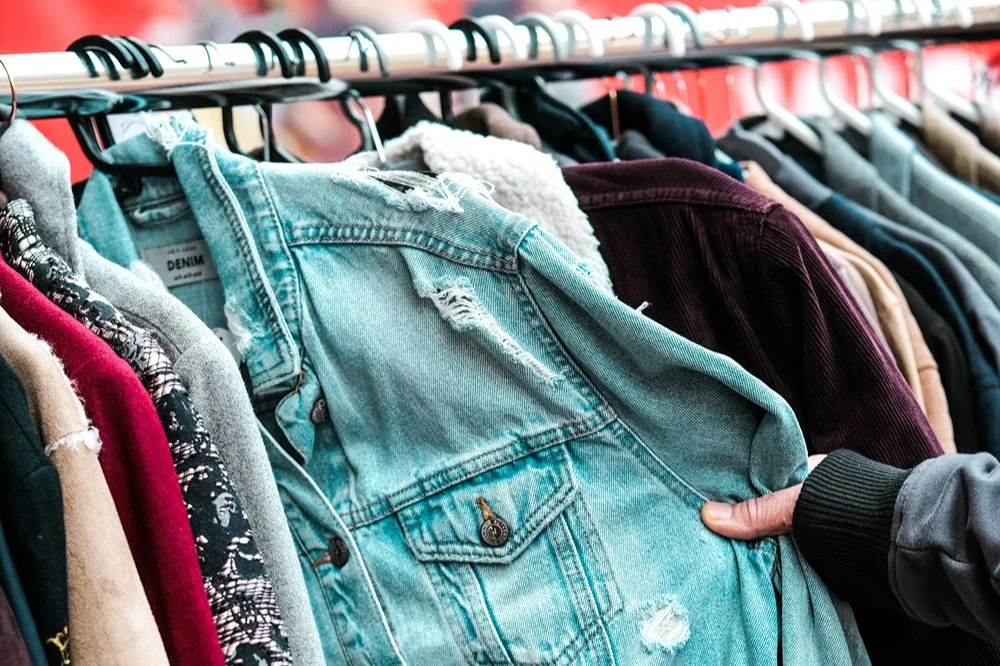
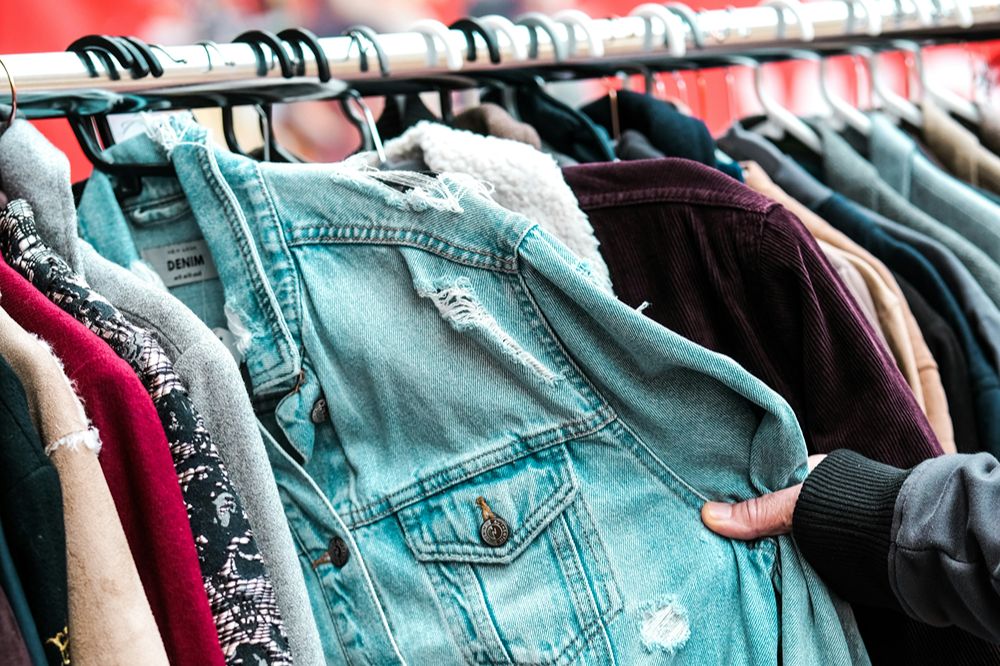
The retail landscape is undergoing a tectonic shift. For decades, the primary objective of the fashion industry was the relentless production of new goods, driven by the “fast fashion” model that prioritized low costs and high-speed trend cycles. However, fresh data from the circular fashion platform Reskinned suggests that we have reached a definitive turning point. Over the past three years, the consumption of pre-loved clothing has transitioned from a fringe hobby for eco-conscious shoppers into a mainstream, standardized consumer behavior.
According to new consumer research, there has been a staggering 14.2 percentage point jump in pre-loved purchases since 2023. As the distinction between “new” and “pre-owned” continues to blur, retailers are being forced to rethink their value propositions. This report explores the data, the volatile journey toward this milestone, and the broader implications for the global retail sector.
The Main Facts: A Landmark Shift in Consumer Behavior
The core finding of the Reskinned research is as clear as it is significant: second-hand fashion has officially broken through the 50% threshold. In 2023, just over one-third (38.6%) of surveyed consumers reported purchasing pre-loved items. By 2026, that figure surged to 52.8%.
This data point represents more than just a fluctuation in shopping preferences; it signals a fundamental change in the psychological relationship consumers have with their wardrobes. The "stigma" historically associated with second-hand goods—often perceived as worn-out or undesirable—has been replaced by a growing appreciation for longevity, curated style, and economic pragmatism.
Reskinned, which specializes in facilitating the circular economy for fashion brands, attributes this growth to its unique position in the market. By maintaining a highly engaged community, the platform acts as a barometer for shifting attitudes. As they track the evolution of the resale landscape, it has become evident that consumers are no longer just "dipping their toes" into the resale market; they are integrating it into their regular shopping routines.
Chronology: The Non-Linear Path to Growth
While the three-year trend is undeniably positive, Reskinned was quick to emphasize that the journey toward mass adoption has not been a straight line. The market’s evolution has been subject to external pressures, economic shifts, and changing consumer confidence.
2023: The Foundation
At the start of the study period, the pre-loved market was recovering from the post-pandemic supply chain disruptions. With 38.6% of consumers engaging with resale, the sector was already gaining momentum, bolstered by the rising popularity of digital marketplaces and the growing awareness of the climate impact of textile waste.
2024: The Mid-Term Surge
By 2024, the momentum accelerated significantly. The proportion of shoppers opting for second-hand rose to 46.4%. This period was characterized by high inflation rates, which forced many consumers to re-evaluate their spending habits. Pre-loved fashion provided an accessible entry point to premium brands that would otherwise be out of reach for many, effectively decoupling "brand affinity" from "full-price retail."
2025: The Correction
Perhaps the most interesting phase of the data is the dip recorded in 2025, where the percentage of pre-loved shoppers fell to 41.9%. Industry analysts point to a "correction" phase, likely caused by market saturation, temporary improvements in consumer purchasing power in specific regions, or a aggressive marketing push by fast-fashion giants to reclaim market share through discounting. This dip serves as a reminder that the resale market is not immune to the volatility of the wider retail economy.
2026: The Breakthrough
The rebound to 52.8% in 2026 marks a decisive victory for the circular economy. This jump suggests that the 2025 decline was an anomaly rather than a reversal of the long-term trend. It confirms that once a consumer adopts a pre-loved shopping habit, they are likely to return to it, creating a "sticky" customer base that traditional retail models are currently struggling to match.
Supporting Data and Market Dynamics
To understand why this shift is occurring, one must look at the factors influencing modern purchasing habits. The data collected by Reskinned reflects several critical drivers:
- Value Creation: Consumers are becoming increasingly savvy about the residual value of their clothing. They are moving away from the "buy-and-discard" mentality in favor of products that maintain their quality and aesthetic appeal over time.
- Technological Integration: The ease of purchasing second-hand has improved drastically. Platforms like Reskinned have professionalized the experience—improving logistics, quality control, and the presentation of items—making the act of buying used feel identical to the experience of buying new.
- Community-Led Insights: By regularly polling their community, Reskinned has identified that "pre-loved" is increasingly viewed as an "investment." Consumers feel a sense of pride in finding high-quality items at a fraction of their original cost, a sentiment that fuels further participation.
The data chart provided by the platform (see the accompanying visual documentation) highlights a "staircase" growth pattern. While the step down in 2025 was sharp, the 2026 surge suggests that the platform and the industry at large have refined their strategies to keep customers coming back, regardless of broader economic fluctuations.
Official Responses: Reimagining the Retail Lifecycle
In a formal statement, the leadership at Reskinned emphasized that their success lies in their ability to listen. "One of our key strengths," the company noted, "is having our own engaged community of consumers, giving us the ability to gather direct insights into their attitudes, preferences and purchasing habits."
This proactive approach to data collection is a departure from traditional retail, which often relies on historical sales data to predict future needs. By contrast, Reskinned uses real-time feedback to pivot alongside their customers.
Redefining the Product Lifecycle
A spokesperson for the platform provided a compelling vision for the future of the industry:
"The opportunity is increasingly about creating compelling, trusted retail experiences around products that already exist—and building models that keep those products in circulation for longer. At Reskinned, we believe this shift represents a fundamental change in the way value is created across the lifecycle of a product."
This perspective marks a radical departure from the traditional retail model, which views the sale of an item as the end of the transaction. In the circular model, the sale is merely the beginning of a product’s lifecycle, which may involve multiple owners, repairs, and eventual recycling.
Implications: The End of “New” as the Default
The implications of this research are profound for stakeholders across the fashion ecosystem—from manufacturers to high-street retailers.
For Traditional Retailers
The most immediate implication is the erosion of the distinction between "new" and "pre-owned." As consumers become more comfortable with pre-loved items, brands that fail to integrate resale into their business models risk obsolescence. The "next phase" of retail, as identified by Reskinned, will not be about selling more new products, but about extracting more value from the goods already in existence.
For Consumer Behavior
We are witnessing the "normalization" of circularity. When over half of the market is actively choosing second-hand, the behavior is no longer a niche preference but a social standard. This has significant environmental implications, as the extension of a garment’s life by just nine months can significantly reduce its carbon and water footprint.
For the Future of Growth
If retail is no longer solely about the production of new goods, how do brands grow? The answer lies in services, repair, and resale management. Companies that can effectively manage the "afterlife" of their products—either by facilitating secondary sales or offering refurbishment—will capture a larger share of the customer’s wallet.
The Reskinned report serves as a wake-up call for the entire fashion industry. The era of relentless production as the sole driver of growth is fading. In its place, we are seeing the rise of a more mature, thoughtful, and sustainable retail environment. Whether this growth continues to climb above the 52.8% mark remains to be seen, but one thing is certain: the pre-loved market has firmly cemented its place in the modern consumer’s toolkit.
As we look toward 2027 and beyond, the brands that win will be those that embrace this "fundamental change" and stop viewing their own products as competition, but as assets to be kept in motion for as long as possible. The circular economy is no longer a theory; it is the new reality of retail.


 Reynand Wu
 Iffa Jayyana

 Raul Delapena Setiawan


 Sagoh

 Azzam Bilal Chamdy

 Ali Ikhwan
