
 Basiran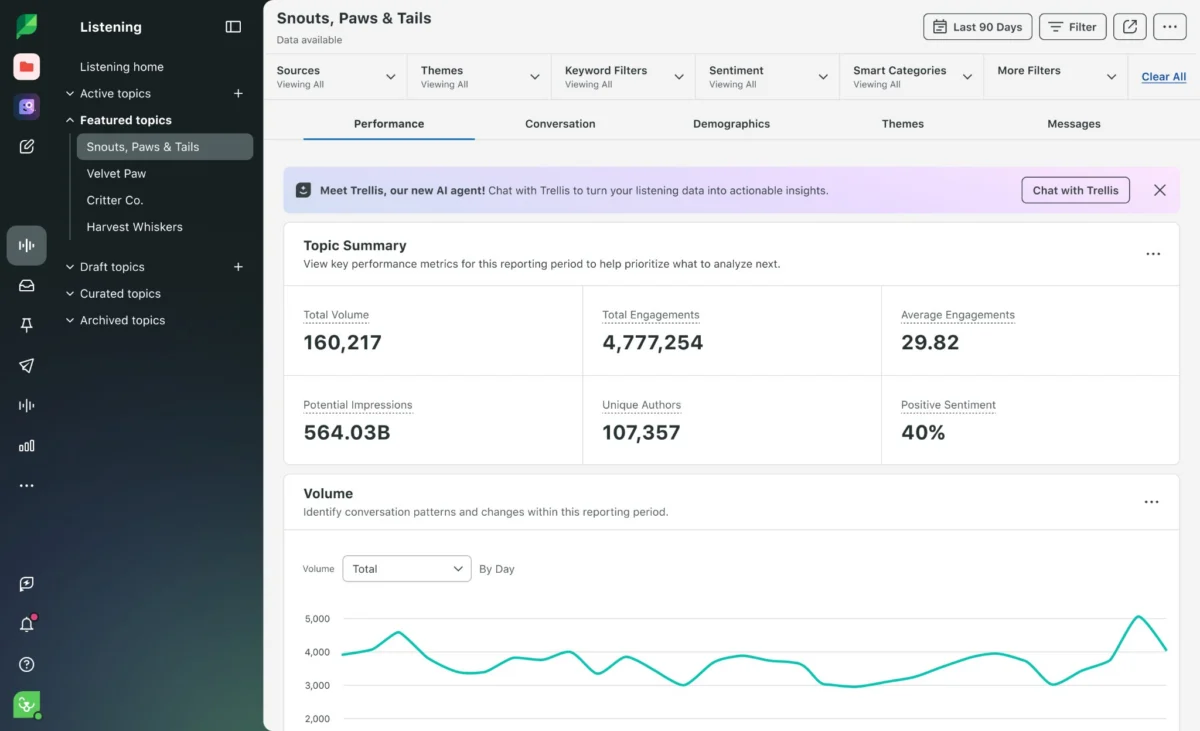
In the modern digital ecosystem, corporate reputation is no longer defined by monolithic public relations crises or front-page news cycles. Instead, it is being eroded in the quiet corners of the internet—in the unanswered customer query on a regional Facebook page, the inconsistent tone of a localized LinkedIn post, or the subtle decline in sentiment across niche industry forums.
For the global industrial powerhouse Atlas Copco Group, these "weak signals" were not merely noise; they were the early-warning system for potential systemic risk. By shifting from reactive monitoring to a sophisticated, data-driven model of reputation intelligence, the company has transformed how it protects its brand, earning the inaugural 2026 Sprout Social Predictive Edge Award.
The Anatomy of Reputation Risk: Why Monitoring Is Not Enough
Traditional reputation management has long relied on a reactive posture. Organizations track "big spikes"—sudden surges in negative mentions or trending hashtags—and mobilize damage control once the fire is already burning. However, current data suggests this model is fundamentally flawed.
According to Sprout Social’s Social Intelligence Report, a significant disconnect exists between signal detection and corporate action. Most organizations require one to two weeks to act on social media insights, while a mere 10% are capable of responding within hours. This lag is costly: 86% of organizations report that siloed or slow-moving insights have caused them to miss critical opportunities, and 26% have witnessed manageable customer issues escalate into full-blown crises simply due to a lack of timely intervention.

Reputation intelligence marks a paradigm shift from this "wait-and-see" approach. While reputation monitoring tracks surface-level data—reviews, mentions, and sentiment shifts—reputation intelligence acts as the connective tissue. It aggregates brand data across disparate markets, social channels, and internal business units to identify patterns before they manifest as business-threatening events.
Chronology of a Transformation: The Atlas Copco Group Strategy
Atlas Copco Group, a global leader in air compression, vacuum, industrial, and power technologies, recognized that its decentralized structure was a double-edged sword. While local teams were best positioned to serve their specific markets, the lack of a centralized "intelligence layer" meant the global brand was vulnerable to fragmented execution.
The company’s journey to a proactive governance model unfolded in five distinct phases:
1. Identifying the "Weak Signals"
The team began by rejecting the assumption that risks only appear as sudden, large-scale crises. Instead, they mapped the behaviors that precede a negative trend: recurring customer questions, off-brand messaging, inactive social pages, and declining engagement quality. By tracking these patterns globally, the central team could identify issues that were too small to trigger an alarm for a local team but collectively represented a significant risk to brand equity.
2. Establishing a Governance Framework
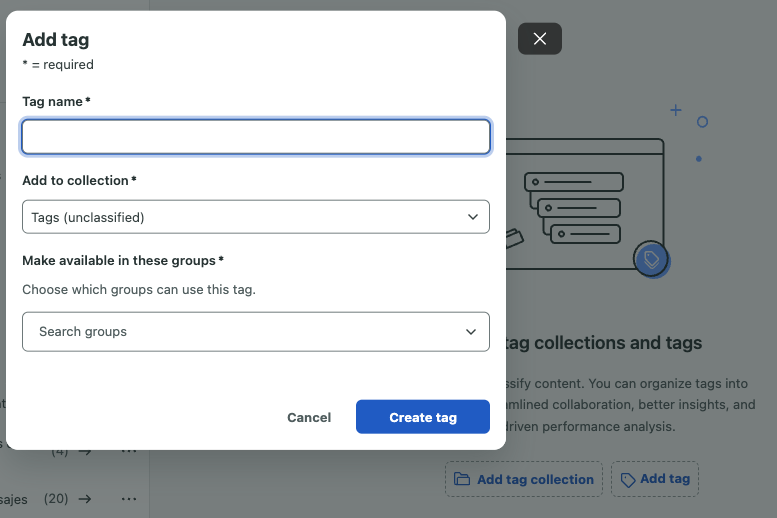
To ensure these signals were met with action, the company implemented a "social media action matrix." This framework defined clear account ownership, instituted daily content hygiene checks, and introduced biannual account health scorecards. This ensured that every digital touchpoint was governed by the same standard of quality and safety.
3. Standardization of Account Health Metrics
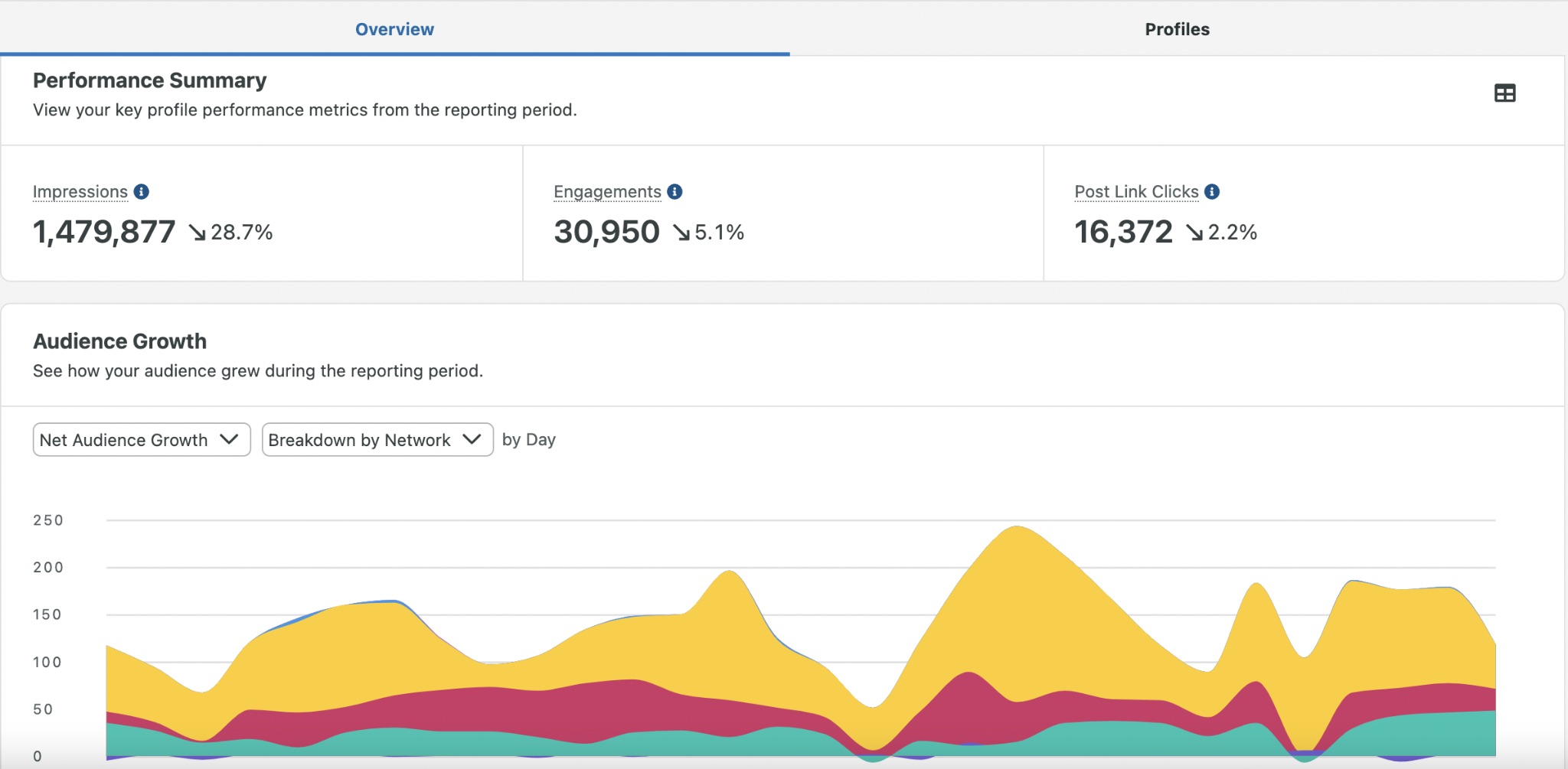
Atlas Copco moved away from vanity metrics. By establishing a unified set of KPIs—including response times, audience engagement, and compliance scores—the company gained an objective, comparative view of its brand health across its global divisions. This allowed leadership to pinpoint exactly where additional training or resource allocation was required.
4. Bridging the Gap to Leadership
One of the most critical steps was moving social data out of the marketing silo. By integrating reputation signals into broader risk management and communication planning, Atlas Copco ensured that social media data was treated with the same seriousness as financial or supply chain data.
5. Operationalizing Support
The final stage was the creation of a supportive rather than punitive governance model. When the central team identifies a decline in a local market, the goal is not to police, but to provide targeted training or clarifying feedback. This approach empowers local teams to stay agile while ensuring the global brand remains cohesive.
Supporting Data: The Case for Integrated Intelligence
The necessity of this shift is backed by a clear trend in enterprise data management. While social media is the most accessible repository of consumer sentiment, it remains chronically underutilized. Current industry benchmarks indicate that only 36% of organizations allow social data to inform non-marketing decisions, such as product development, risk assessment, or crisis communications.
When integrated properly, social intelligence provides a unique, real-time pulse on market health. Atlas Copco Group’s success demonstrates that when "small" signals—such as a 5% drop in engagement in a specific region or a subtle shift in the sentiment of technical questions—are synthesized, they become a high-fidelity map of the business’s future trajectory.
Official Perspectives: The Role of AI in Future-Proofing
As generative AI accelerates the volume and velocity of online discourse, the "noise" that companies must filter is increasing exponentially. The ability to distinguish between a fleeting social trend and a systemic reputation threat is becoming a core competitive advantage.
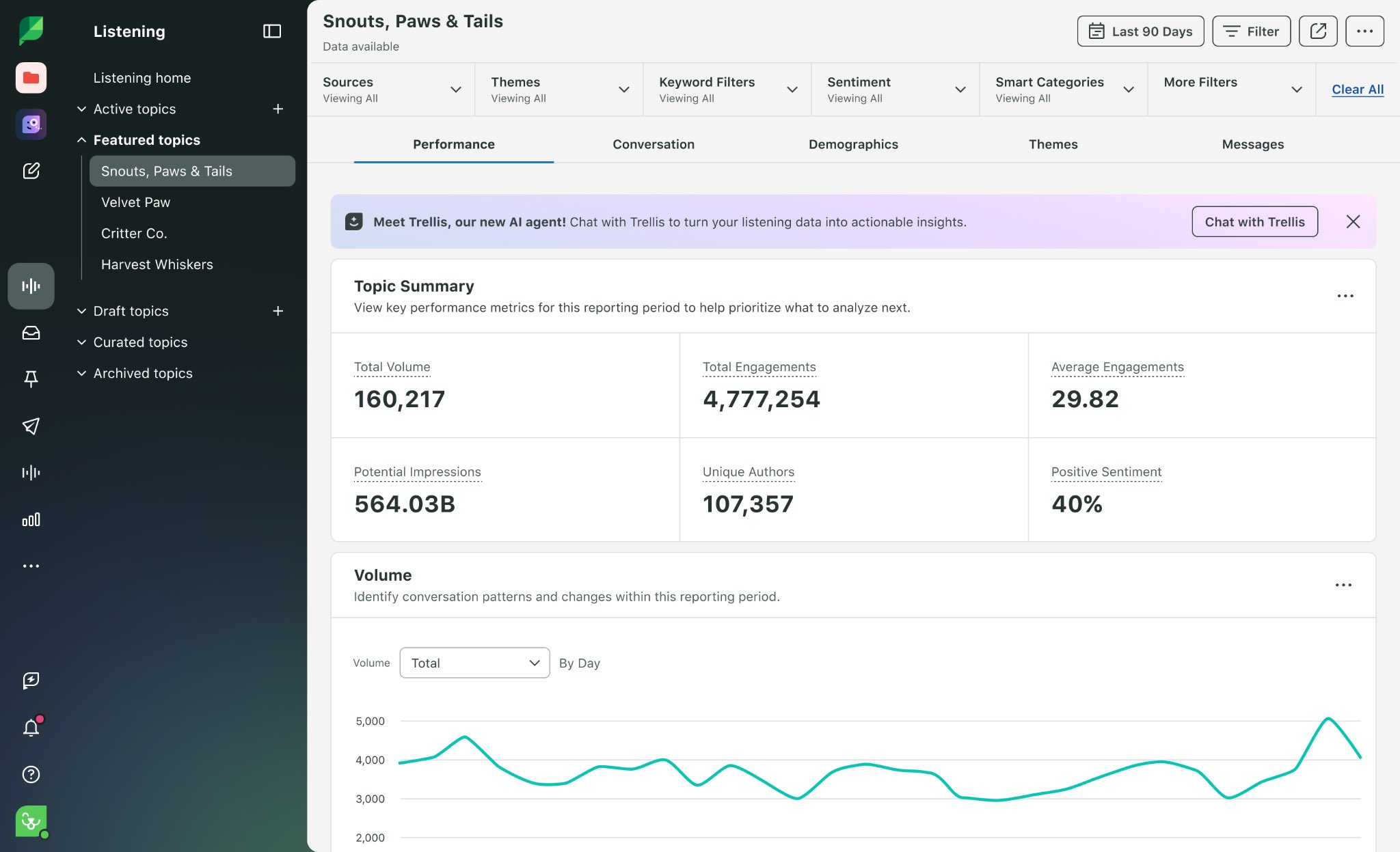
"AI is changing the reputation business intelligence equation," notes the report. Tools such as Sprout Social’s AI agent, Trellis, have become instrumental in this process. By aggregating massive data sets and distilling them into actionable insights, AI allows human analysts to focus on what they do best: interpreting cultural context and exercising strategic judgment.
However, the technology does not replace the human element. "AI can scan large volumes of social data and surface patterns quickly," the analysis suggests, "but people still need to interpret cultural context, validate what matters, and decide how to respond." For Atlas Copco, AI is not the decision-maker; it is the radar that allows the human crew to navigate the storm.
Implications for the Global Enterprise
The implications of Atlas Copco Group’s model extend far beyond the industrial sector. In a hyper-connected world, brand trust is the most fragile and valuable asset an organization possesses. The transition from reactive management to proactive intelligence suggests three major shifts for the future of corporate governance:
- From Silos to Synchronization: Departments—from HR to Product to Legal—must have access to a unified social intelligence stream to form a holistic view of the company’s risk profile.
- The Rise of Internal Governance: Reputation is no longer just about what the public thinks; it is about ensuring that every employee or contractor acting on behalf of the brand is adhering to a global standard of excellence.
- Predictive Risk Management: The future of corporate defense lies in the ability to identify the "pre-crisis" state. If a company can see the precursors of a crisis—the minor complaints, the off-brand content, the engagement gaps—they can often resolve the issue before it ever becomes public knowledge.
Conclusion: Looking Inward to Protect Outward
Atlas Copco Group’s success in refining its reputation intelligence is a roadmap for any enterprise operating at scale. The company’s model proves that by standardizing metrics, investing in governance, and utilizing AI to filter the "noise" of the internet, a brand can maintain its integrity in a complex global market.
Ultimately, the most significant risk to a brand is often not the external crisis itself, but the internal inability to see it coming. By moving from a culture of monitoring to a culture of intelligence, organizations can stop being victims of their own digital footprint and start being the architects of their own reputation. As the digital landscape continues to evolve, the brands that win will be those that learn to listen to the whispers before they become shouts.



 Lina Irawan
 Pevita Pearce
 Dwi Wanna
 Lina Hope
 Layla Zulfa
 Asep Darmawan
 Azzam Bilal Chamdy