
 Neng Nana
For decades, an invitation to an Apple event was the ultimate badge of honor in the technology journalism world. It was a curated, exclusive affair where reporters were granted the privilege of documenting the next iteration of the digital future. However, as the industry landscape shifts, the guest list has evolved. Today, tech giants are increasingly bypassing the traditional press corps in favor of the creator economy, rolling out the red carpet for influencers with business-class travel, luxury hotel stays, and direct access to C-suite executives.
As Apple prepares for its upcoming “Pro and Tell” event, the strategy has become clear: the company is no longer just looking to inform the public through traditional media; it is looking to influence them through the voices they already trust.
The New Guard: Apple’s "Pro and Tell" Strategy
The shift was underscored on the October 15 episode of Bloomberg’s Power On podcast, where Mark Gurman confirmed that Apple had extended lavish invitations to a select group of influencers for its “Pro and Tell” product experience in Los Angeles. The package is comprehensive: paid travel, premium accommodations, and, most notably, face-time with Apple’s new CEO, John Ternus.
This is not a one-off experiment but a calculated evolution of Apple’s marketing. In March 2025, the tech giant hosted a group of student creators in Los Angeles for what participants dubbed “Apple Campus.” The event was designed to demystify the brand and foster a direct line of communication between the company and the next generation of digital storytellers. By January 2026, the strategy had matured, with creators invited to an “Apple Experience” timed perfectly with the launch of the Apple Creator Studio, a comprehensive software suite for video, audio, and image editing.
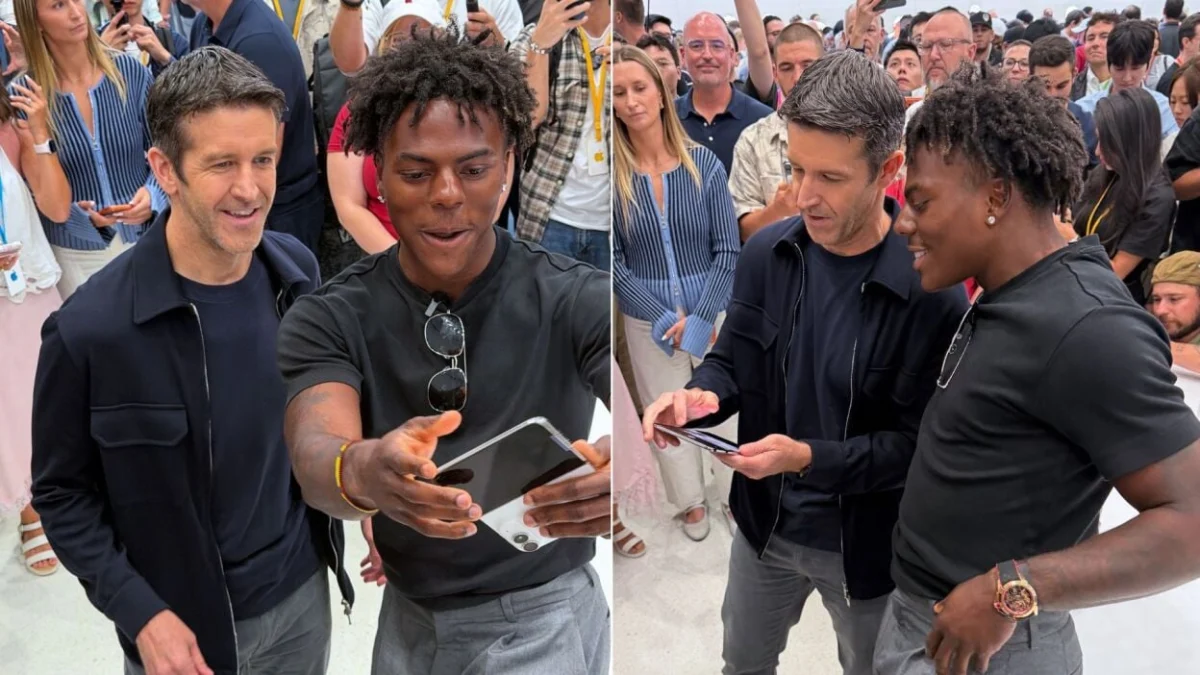
The visual evidence of this pivot is undeniable. During the September iPhone launch, livestreamer IShowSpeed performed a backflip in front of CEO John Ternus while holding an iPhone Duo. The stunt, which garnered over 6 million views on YouTube, provided the kind of viral, high-engagement visibility that a traditional press release or a technical white paper could never hope to achieve.
A Broader Industry Trend
Apple is far from the lone player in this arena. The transition from press briefings to influencer brand trips is becoming the “standard fare” of the tech industry.
Samsung has established its “Team Galaxy” initiative, a roster of creators and public figures that includes musicians and fashion influencers. During the February 2026 launch of the Galaxy S26, the company flew approximately 140 influencers from 35 countries to San Francisco for a three-day, immersive product showcase.

Similarly, the AI sector—which faces the difficult task of building public trust amid concerns regarding job displacement and environmental impact—has aggressively adopted this model. Companies like OpenAI and Anthropic have hired high-level executives specifically to manage creative partnerships. OpenAI’s recent retreat at the luxury resort Wildflower Farms, featuring monogrammed pajamas and private cabins, was a masterclass in “lifestyle” branding. These companies understand that in an era of skepticism, the most effective way to sell a complex, controversial technology is through the relatable, trusted personality of an influencer.
Chronology of the Shift
The transition from objective reporting to sponsored influence has occurred in distinct waves:
- Pre-2025: Tech events were largely the domain of industry journalists, analysts, and a small handful of legacy tech reviewers. The focus was on technical specifications and market analysis.
- Early 2025: Apple begins testing the waters with the "Apple Campus" student event, acknowledging the rising power of Gen Z creators.
- Late 2025/Early 2026: AI companies begin pouring capital into influencer marketing. The hiring of former Instagram executives by companies like OpenAI signals that creative partnerships are now a core business vertical.
- September 2026: The IShowSpeed viral stunt at the iPhone event marks a turning point: the aesthetic of the "Apple Event" officially shifts from a corporate keynote to a pop-culture spectacle.
- October 2026: The "Pro and Tell" event institutionalizes this shift, moving the focus entirely to creator engagement.
The Economic and Strategic Rationale
Why are these corporations pivoting? The data provided by organizations like Deloitte offers a compelling answer. Approximately 60 percent of U.S. consumers report that they have made a purchase primarily because of a creator’s recommendation or sponsorship within the last six months.
For brands, the logic is sound: journalists are trained to be skeptical, to ask the difficult questions about privacy, labor, and ecological footprints. Creators, conversely, are often incentivized to focus on the experiential, the aesthetic, and the personal utility of a product. As journalist Jason Snell noted on MacBreak Weekly, influencers offer companies a level of control over the narrative that the traditional press simply cannot match. They repeat the promotional points rather than challenging the premises.
The financial stakes are staggering. While many creators are hesitant to disclose the exact value of these partnerships, experts estimate that high-tier sponsorships can range anywhere from $5,000 to over $30,000 per deal. For the brands, this is a highly efficient way to reach a targeted, loyal demographic that traditional advertising platforms have struggled to capture.
The Ethical Dilemma and Public Backlash
This strategy is not without its risks. The same trust that makes an influencer valuable to a brand can be shattered if the partnership is perceived as “selling out” or ignoring ethical red flags.
The most prominent example of this friction occurred in August 2026, when OpenAI’s Hudson Valley retreat faced a swift public backlash. While the company intended to showcase the potential of AI, the optics of hosting a luxury retreat for creators while the public debated the environmental cost of AI data centers created a PR crisis. Users on X and Reddit were quick to mock the disconnect, with many questioning whether the creators were aware of the technology’s real-world implications.

However, many creators maintain that these trips are necessary. Grace McCarrick, a business creator who attended the OpenAI retreat, argued that being in the room where decisions are made allows creators to gain insights that ultimately benefit their audiences. “If I have the opportunity to be in the room and hear from people who are at the helm of change, I can do that,” she stated.
The Future of Tech Journalism
The shift in power has left traditional tech reviewers in a complex position. Ben Sin, a prominent tech reviewer, noted on social media that while he understands the corporate logic behind prioritizing lifestyle influencers, it is a disheartening trend for those who value deep, technical scrutiny.
As corporations continue to favor influencers over the traditional press, the nature of "information" is changing. We are moving toward an era where the primary source of tech knowledge is no longer a journalist investigating a product’s flaws, but a creator demonstrating its features in a curated, picturesque environment.
For the consumer, this requires a higher degree of digital literacy. As the line between independent review and paid partnership blurs, understanding the incentives behind the content becomes paramount. Tech giants have found a way to reach the consumer directly, bypassing the gatekeepers of the press, but in doing so, they have also fundamentally altered the relationship between the product and the public.
Whether this transition leads to more innovation or simply more sophisticated advertising remains to be seen. What is certain is that the "red carpet" of the tech world has been fully rebranded—and the guest list is no longer dictated by your press credentials, but by your engagement metrics.
Disclosure: Ziff Davis, Mashable’s parent company, filed a lawsuit against OpenAI in April 2025, alleging it infringed on Ziff Davis’s copyrights in the training and operation of its AI systems.


 Lina Irawan
 Nila Kartika Wati

 Ammar Sabilarrohman

 Asep Darmawan

 Asro

 Layla Zulfa


 Muslim
