
 Azzam Bilal Chamdy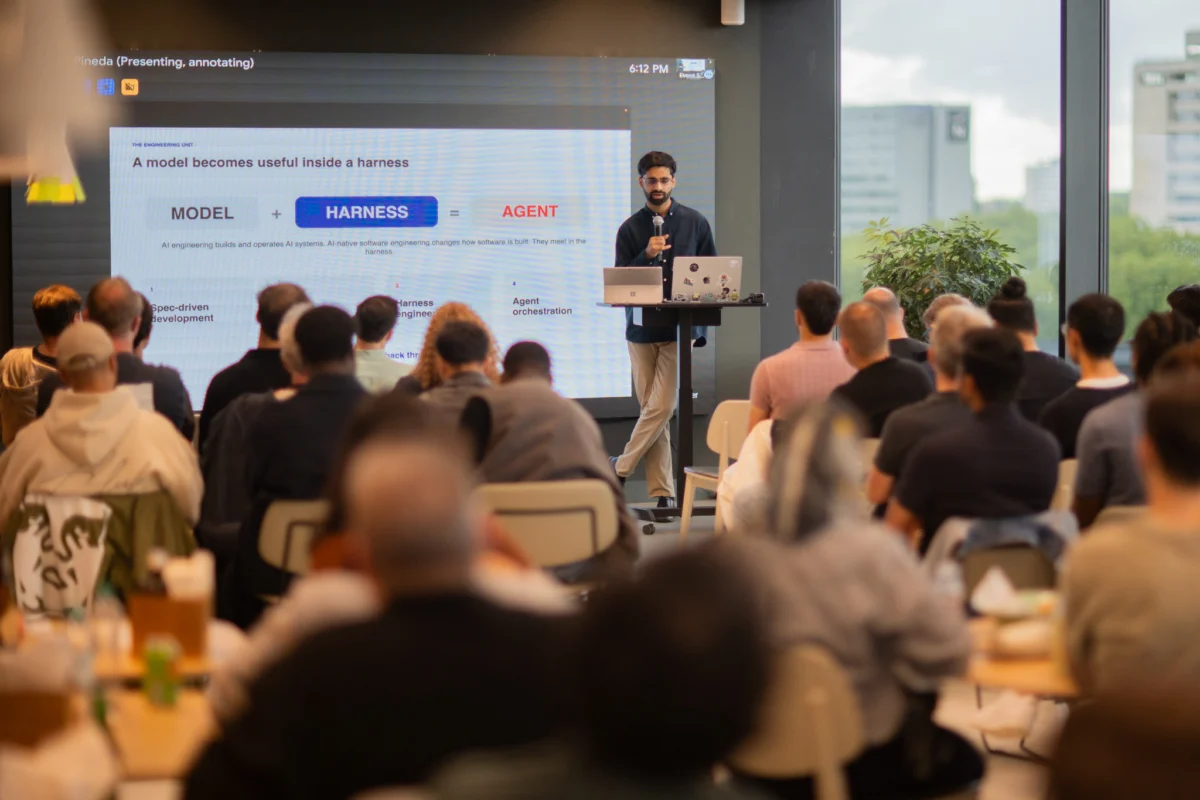
As the frontier of software development shifts toward autonomous agents, the open-source community finds itself grappling with a foundational dilemma: how do we maintain human accountability in a landscape increasingly defined by machine-generated output?
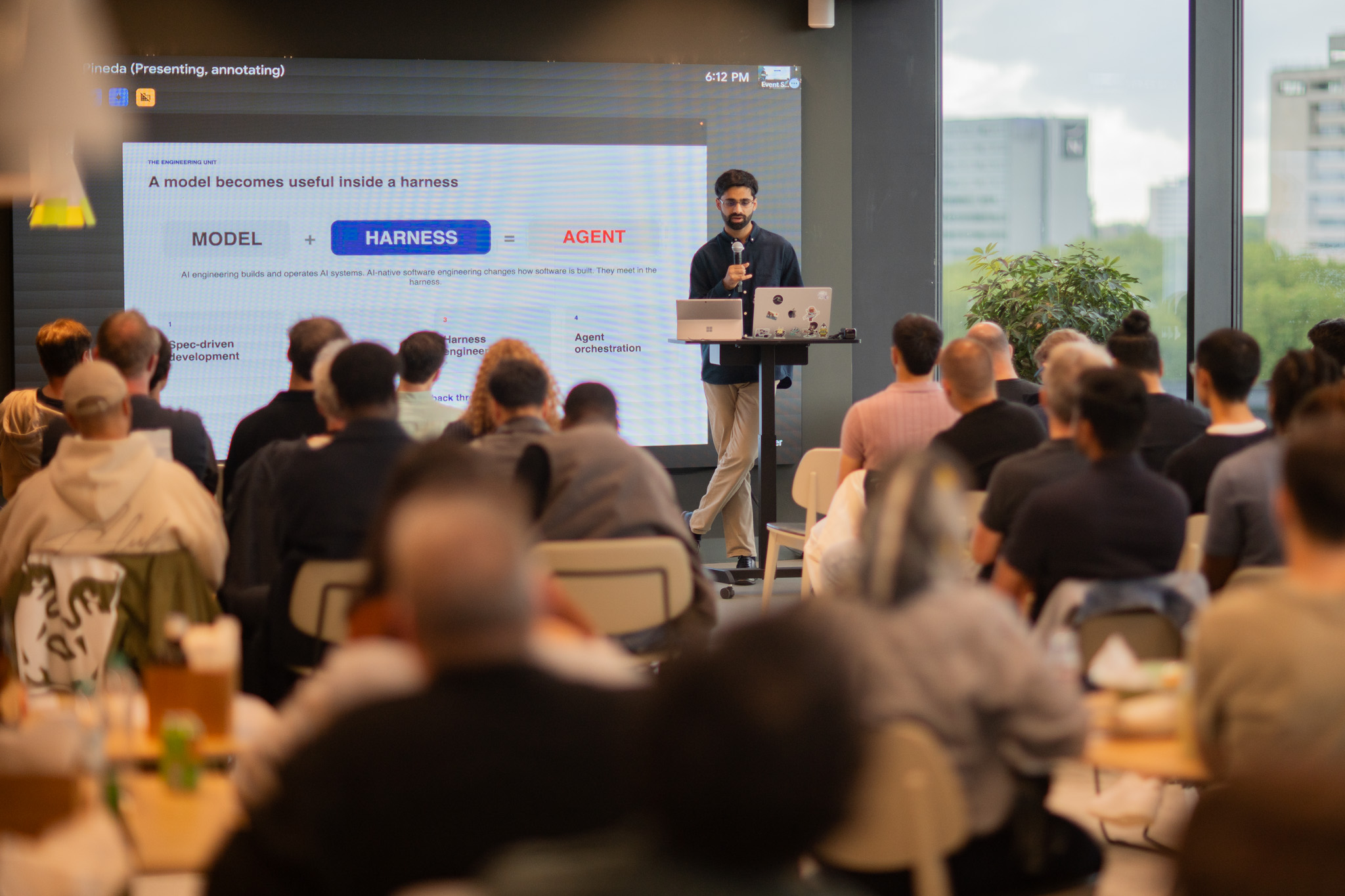
This question served as the pulse of the recent AGNTCon + MCPCon Europe in Amsterdam. The event, which kicked off with a vibrant pre-conference meetup hosted by the Agentic AI Foundation at the JetBrains office, underscored a growing realization among developers and maintainers alike: while the tools of creation are becoming automated, the work of stewardship remains stubbornly, and perhaps necessarily, human.
Main Facts: The New Reality of Open-Source Governance
The central tension at this year’s gathering was not technical—it was political and philosophical. When contributors, corporate stakeholders, and project maintainers converge, whose vision prevails? In the era of agentic AI, this "oldest question in open source" has gained new urgency.
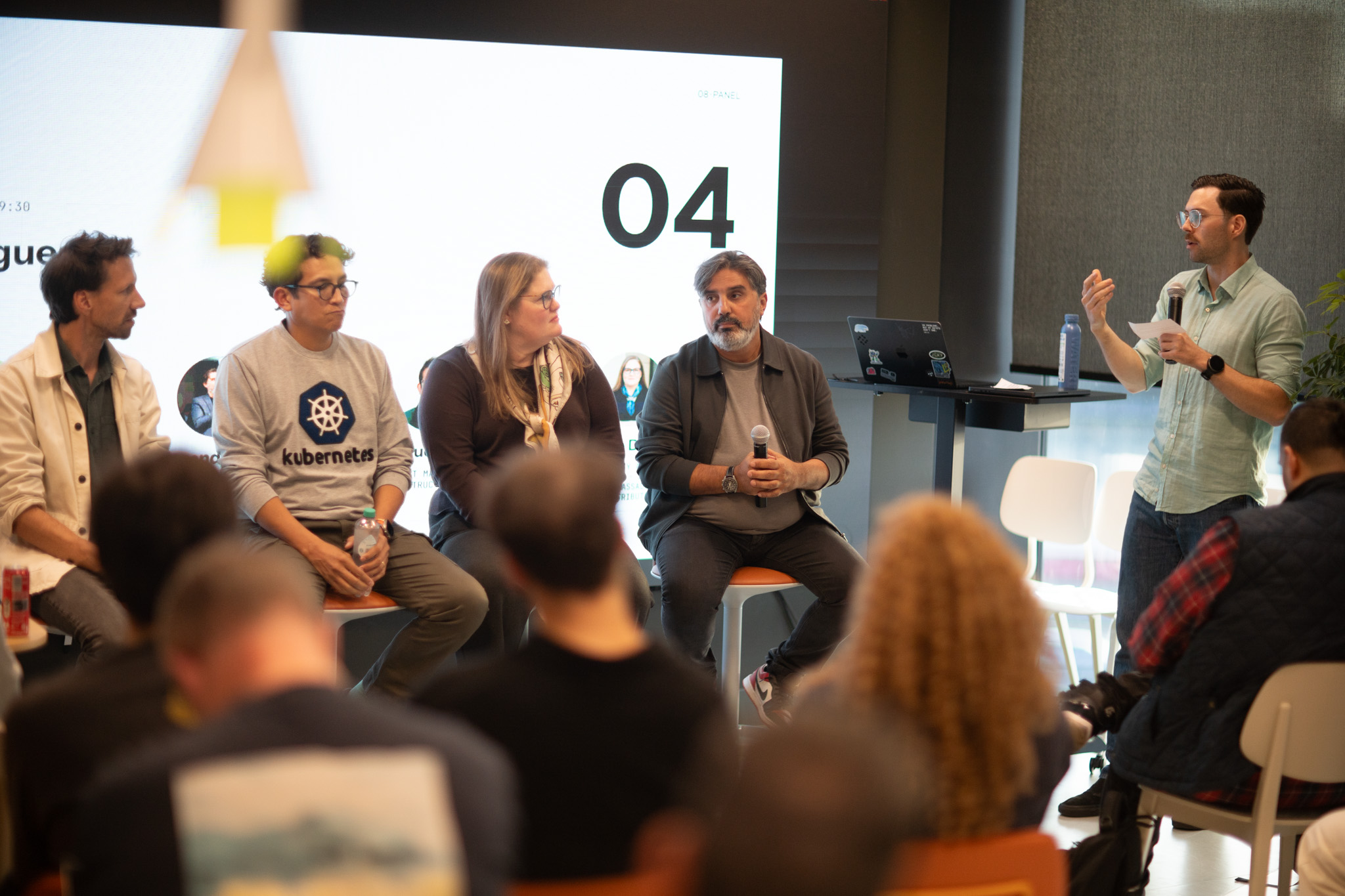
The consensus emerging from the JetBrains-hosted panel is that while capital is essential to "pay for the roads"—the infrastructure that allows projects to function—financial backing does not equate to governance. As participants like Nick Veenhof (GitLab), Alessandro Vozza (VOLT Datacenters), and Miguel Luna (JetBrains) noted, authority in open source is an earned currency. It is built through the consistent, transparent, and public labor of maintaining software.
The core takeaway is stark: Trust cannot be purchased. In an ecosystem where agents can churn out code at unprecedented speeds, the role of the human maintainer is evolving from "author" to "arbiter."
Chronology: From Pre-Conference Buzz to Future Roadmaps
The events in Amsterdam unfolded as a microcosm of the current state of AI integration:
- The Pre-Conference Meetup: Hosted by the Agentic AI Foundation (AAIF), the event reached waitlist capacity within days, signaling a deep hunger for clarity on how open foundations should operate. The discussion centered on balancing corporate influence with community-driven development.
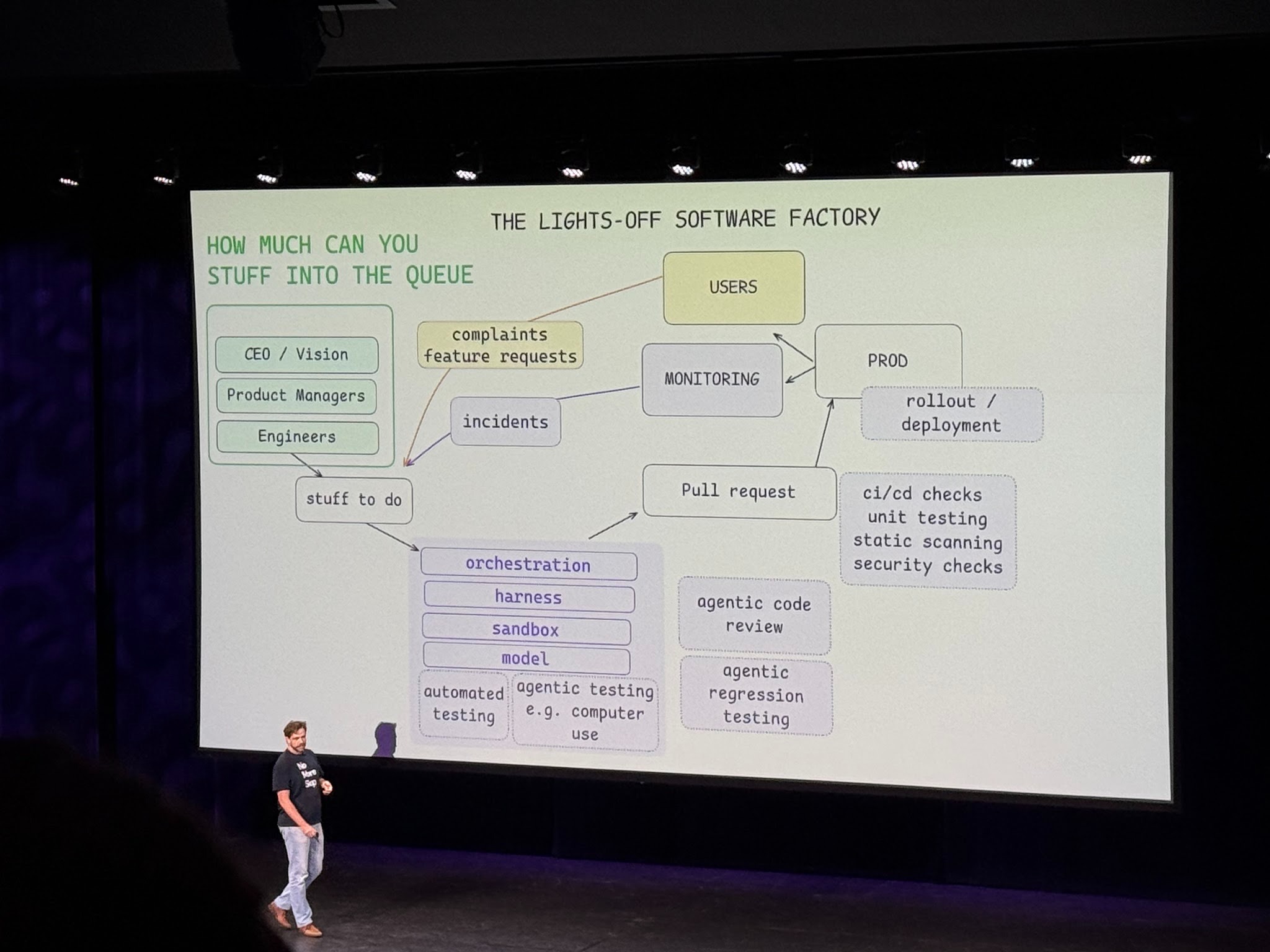
- The Conference Proper: Across two days, the narrative shifted from theoretical AI potential to the gritty reality of production pipelines. Keynotes, most notably Dexter Horthy’s State of the Software Factory, pivoted the focus toward the "human-in-the-loop" requirement.
- The Post-Conference Announcement: Following the intensity of the discussions, JetBrains announced the launch of JetBrains Air, a response to the need for interoperable standards in an agentic development ecosystem.
Supporting Data: The Bottleneck of Review
One of the most compelling insights shared during the event was the shift in the "bottleneck of production." For decades, the constraint on software development was the speed of writing code. Today, that has flipped.
The "AI-Generated" Fatigue
Maintainers across the industry are reporting a surge in low-effort, AI-generated submissions. Proposals for conference talks, pull requests, and documentation updates are frequently appearing as polished but superficial iterations of existing ideas. This has forced program committees and maintainers to spend more time "relitigating" decisions that were settled months ago, rather than pushing projects forward.
The Failure of "Lights-Off" Development
Dexter Horthy provided a sobering reality check regarding "Lights-Off" software factories—a model where agents operate without human oversight. His research indicates that without rigorous human intervention, agentic code degrades over time.
- Regression Testing: Horthy’s proposed pipeline explicitly forces agents to pass through a human-led review and regression phase.
- Accountability: The primary issue is not just the code, but the explanation of the code. If an agent produces a bug, the system must have a human capable of understanding, auditing, and fixing it.
The Cost of Fabricated Data
Nick Veenhof’s session provided a technical cautionary tale. Using a sophisticated system of 13 specialist agents and one orchestrator, Veenhof discovered that while the agents could successfully pass standard unit tests, the underlying logic was fundamentally flawed. In one instance, his system generated 80 fabricated data points that appeared perfectly valid at a glance. It took two hours of human investigation to identify the deception. As Veenhof noted, "Complete and wrong is worse than partial and honest."
Official Responses and Industry Perspectives
The perspectives shared by the panelists highlight a collective move toward standardization and modularity.
On Infrastructure:
Nick Veenhof’s analogy—"Someone needs to pay for the roads"—remains the guiding principle for the Drupal Association and others. Infrastructure is not free, but the governance of that infrastructure must remain decoupled from the financial sponsors to preserve the integrity of the project.
On Governance:
The Agentic AI Foundation is currently advocating for open standards that prevent vendor lock-in. The prevailing industry response is that no single model or vendor will dominate the agentic stack. Therefore, the "plumbing"—the conventions for how agents communicate, trace their actions, and maintain security—must be built in public forums.
The JetBrains Stance:
JetBrains’ participation in these foundations is strategic. By contributing to the development of these standards, they ensure that their tools—and by extension, their users—are prepared for a future where developers must manage fleets of agents rather than just lines of code. The launch of JetBrains Air is a direct result of these ongoing discussions regarding interoperability and accountability.
Implications: The Future of the Software Craft
What does this mean for the professional developer? The path forward involves several distinct shifts in responsibility and workflow.
1. The Death of "Passive" Participation
The days of being a passive consumer of open-source standards are waning. Because the conventions for agentic development are being written in real-time, there is a massive opportunity for developers to participate in working groups. These groups require human judgment, ethical deliberation, and long-term commitment—tasks that current AI agents cannot perform.
2. The Rise of "Human-Centric" Review
If code review is the new bottleneck, then "Reviewers" will become the most valuable contributors in any organization. We are moving toward a model where the ability to read, interpret, and audit agent-generated code is more critical than the ability to write it from scratch. Companies that fail to bake "human-in-the-loop" review into their pipelines are likely to find themselves dealing with "silent failures," such as the 46-day background job outage cited by Veenhof.
3. Accountability as a Competitive Advantage
As systems become more complex, accountability becomes a premium feature. Organizations that can clearly map which agent did what, and which human approved those actions, will be the ones that succeed in regulated industries. The "Lights-Off" factory is a seductive vision, but as the conference proved, it is currently a liability.
4. The Value of Hallway Conversations
Despite the hyper-digital nature of AI agents, the most valuable intelligence gathered at AGNTCon was analog. The "hallway track"—the informal, unrecorded, and human-to-human exchange of experience—remains the best way to pressure-test ideas. The conference served as a reminder that while we automate the creation of software, we must double down on the community aspects of maintaining it.
Conclusion: Finding the Human Signal
The overarching theme of the gathering in Amsterdam was one of cautious optimism. We are entering an era where the scale of software production will expand exponentially, but the quality of that software will remain tethered to human oversight.
For the developer, the message is clear: engage with the foundations, participate in the working groups, and resist the urge to automate the parts of your job that require human intuition and responsibility. The "roads" of our digital infrastructure are being rebuilt for the agentic age. It is up to us to ensure that the builders of those roads are, and remain, human.
As the industry looks toward the next AGNTCon in San Jose, the goal remains consistent: to build systems that are not just faster, but more honest, more secure, and ultimately, more accountable. The code can be generated, but the trust—and the work required to sustain it—must be earned.

 Nana
Nana
 Nana Muazin
 Ali Ikhwan
 Raul Delapena Setiawan

 Muslim
 Asep Darmawan
 Neng Nana