
 Reynand Wu
This story was produced by Grist and co-published with LAist.
Insurance is, at its core, a social contract. When a homeowner signs a policy with a provider like State Farm or Allstate, they are essentially confirming their membership in a collective risk-sharing community. The premiums paid by the many are intended to support the few who suffer from catastrophic loss, whether by flood, fire, or wind. We permit private entities to operate within this market, and in turn, we elect or appoint public officials to serve as the guardians of that contract, ensuring the interests of the homeowner remain protected.
In California, that contract has been effectively shredded.
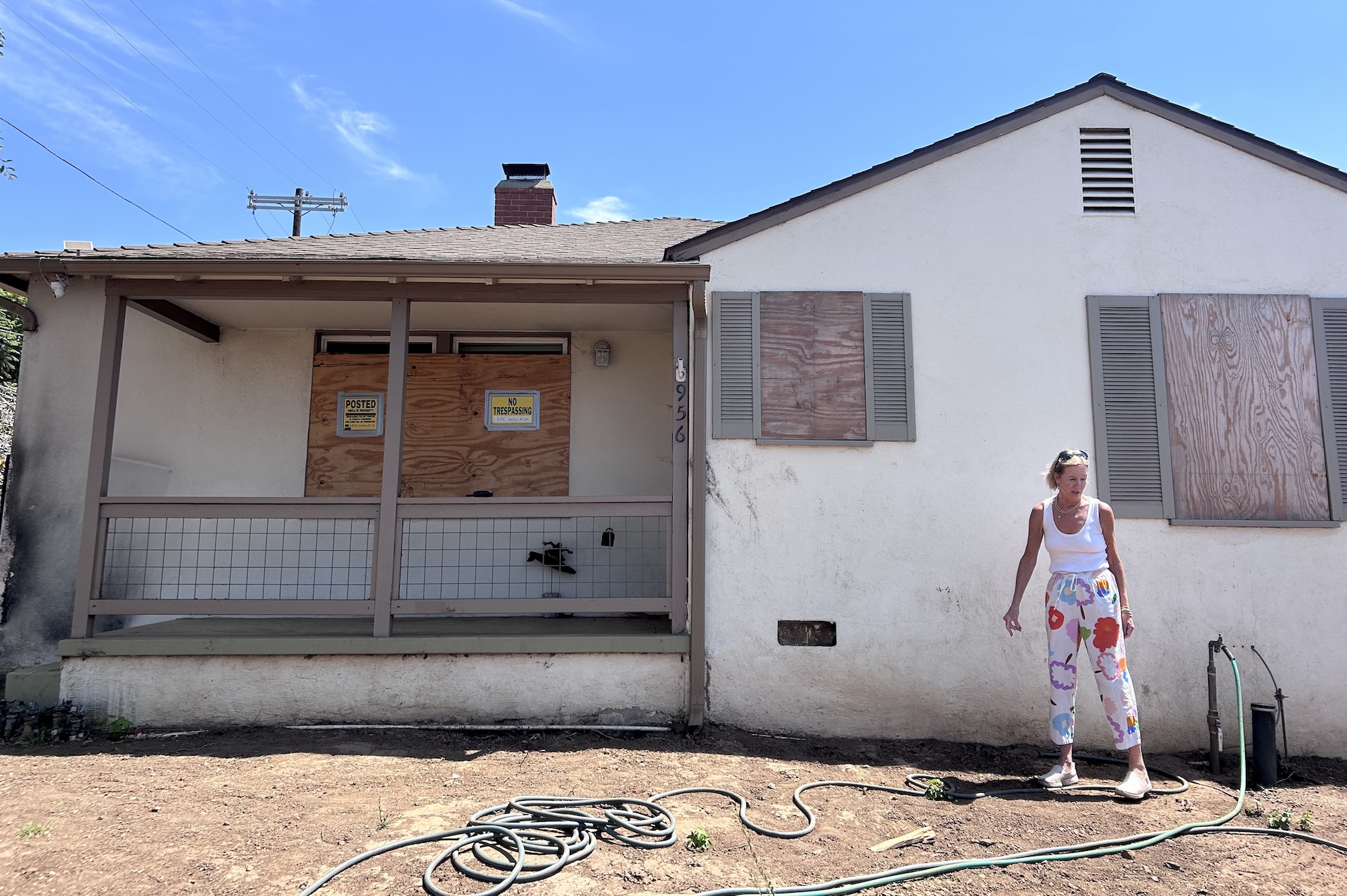
For residents like Lynn McIntyre, the system has transformed from a pillar of security into a source of profound existential dread. After the Palisades Fire tore through the "Alphabets" neighborhood of western Los Angeles in early 2025, McIntyre’s bungalow remained standing—but it was hollowed out by smoke, ash, and the bureaucratic indifference of the California FAIR Plan, the state’s "insurer of last resort."
McIntyre’s plight is not an anomaly; it is a symptom of a systemic collapse that has turned the Golden State’s insurance market into a battleground. As climate change accelerates, the foundational promise of insurance—that no home is too vulnerable to be protected by the collective—is evaporating.
The Anatomy of a Failure: A Chronology of Collapse
The current crisis did not emerge overnight; it is the result of a century of unchecked development in the "wildland-urban interface" (WUI)—the flammable zones where urban sprawl meets the untamed forest.
2015–2020: The Tipping Point
The foundation of the crisis was laid during five years of unprecedented wildfire activity. Approximately 4 million acres burned, and 35,000 homes were reduced to ash. For insurance companies, the math suddenly stopped working. Billions of dollars in claims payments wiped out decades of profits, prompting a mass exodus of private insurers from high-risk zones.
2022: The Succession of Risk
When Lynn McIntyre inherited her mother’s home in 2022, she was quickly met with the reality of the new market. Liberty Mutual dropped her fire coverage within a year of her arrival. Unable to secure a private policy, she turned to the California FAIR Plan, an entity intended as a fringe safety net that was rapidly becoming the only option for millions.
2025: The Palisades Fire and the FAIR Plan’s Failure
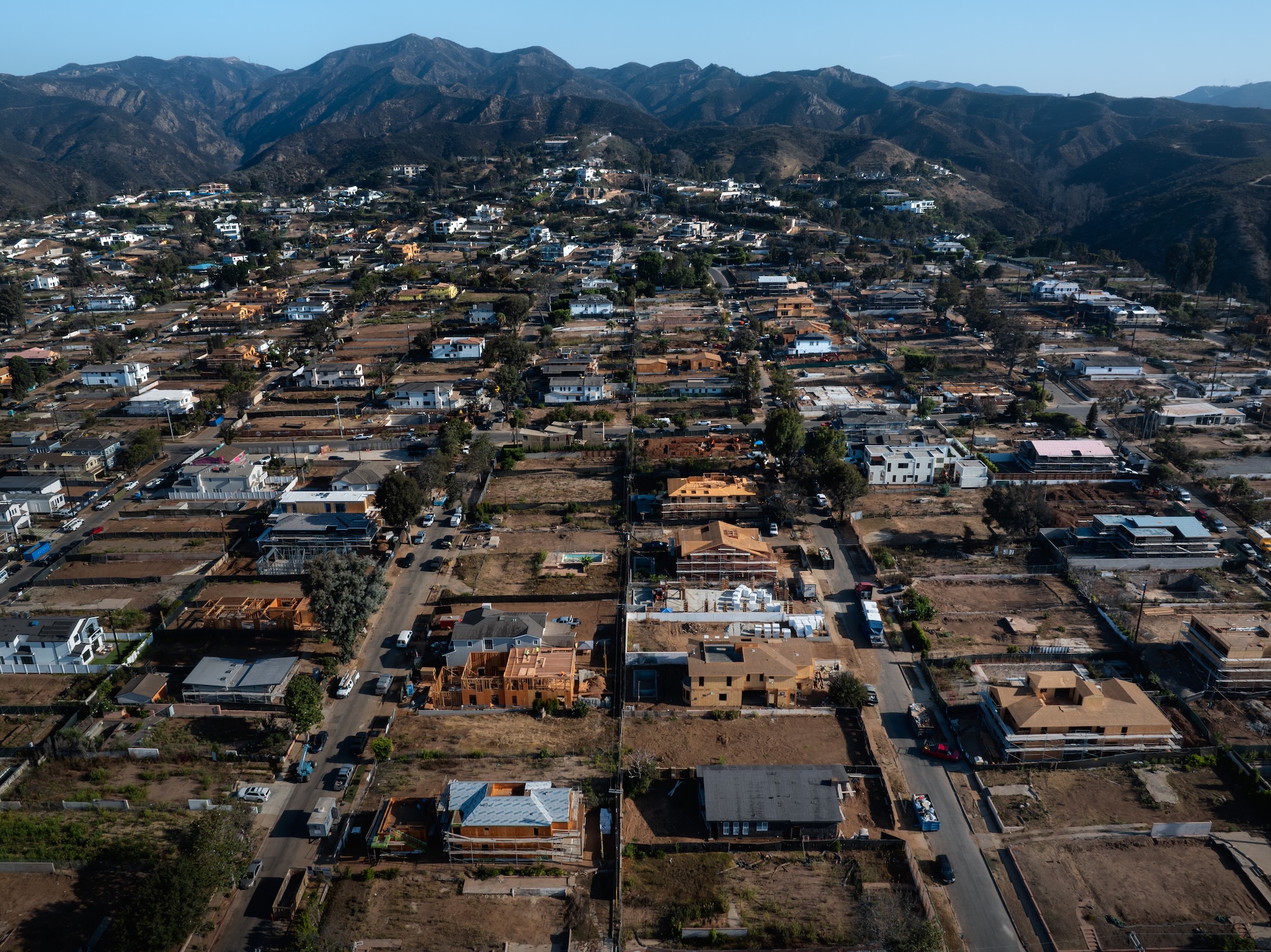
When the Palisades Fire struck in early 2025, the FAIR Plan failed its primary mandate. Adjusters offered little more than basic rental assistance, leaving homeowners like McIntyre to battle for months against a wall of administrative obstruction. It was only in late 2026, 18 months after the fire, that McIntyre secured a $200,000 federal loan—a debt she must repay to fix a home that her premiums were supposed to protect.
Supporting Data: A Market in Freefall
The economic repercussions of this collapse are rippling through the state’s housing market. The data paints a bleak picture of a state struggling to maintain its economic viability.
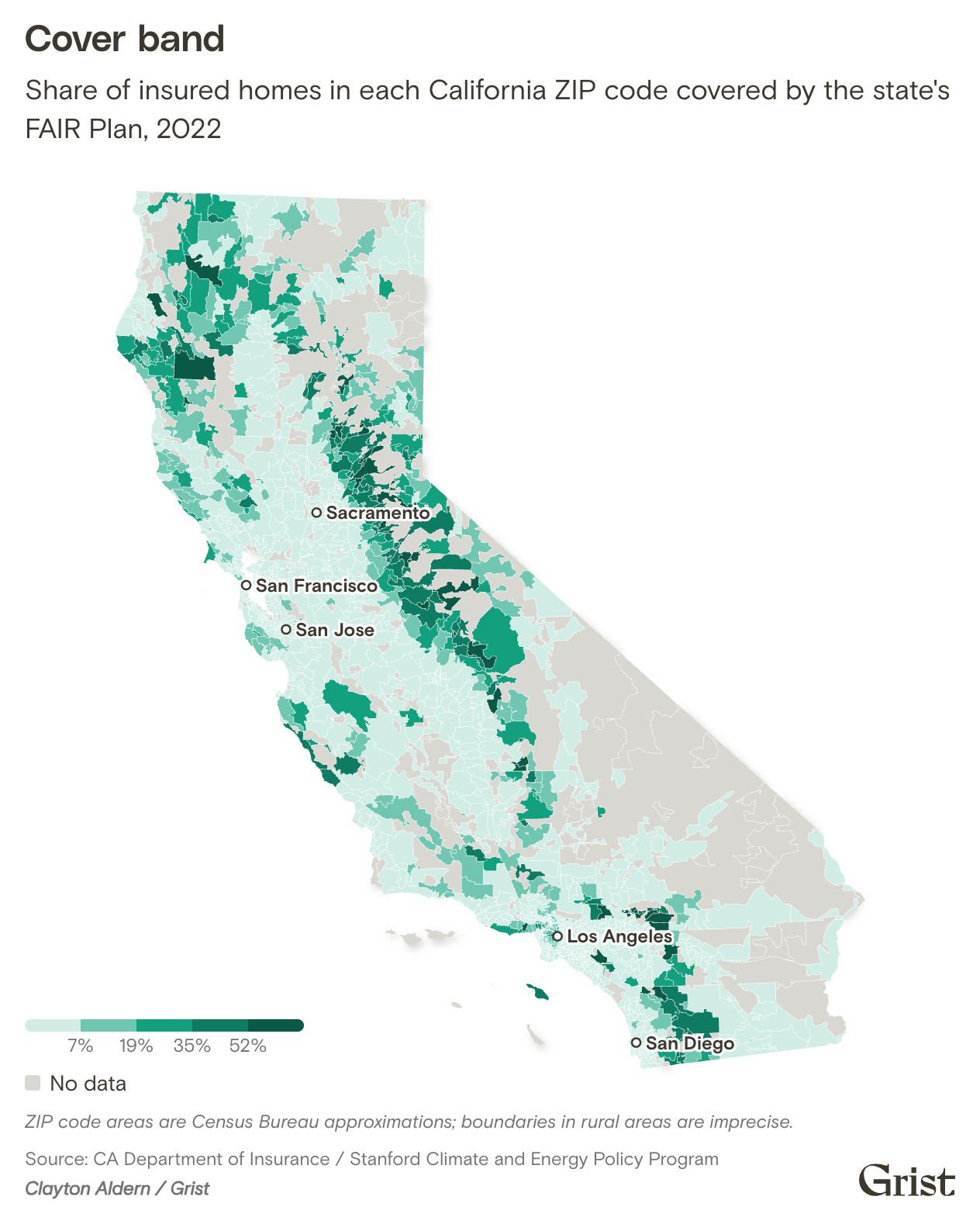
- The Rise of the FAIR Plan: Since 2018, the FAIR Plan has ballooned from less than 1 percent of the market to 5 percent statewide. In some high-risk ZIP codes, it now holds up to 80 percent of the market share.
- Transaction Stagnation: Approximately 1 in 7 California realtors reported at least one home sale falling through in 2024 due to an inability to secure insurance.
- Rising Costs: Average premiums are projected to rise by 16 percent this year.
- The "Surplus Lines" Migration: Wealthy homeowners are increasingly turning to "surplus lines" insurers—unregulated, high-cost boutique policies. The number of such policies in California has doubled in four years to 1.3 million.
The Political Crossroads: Two Visions for the Future
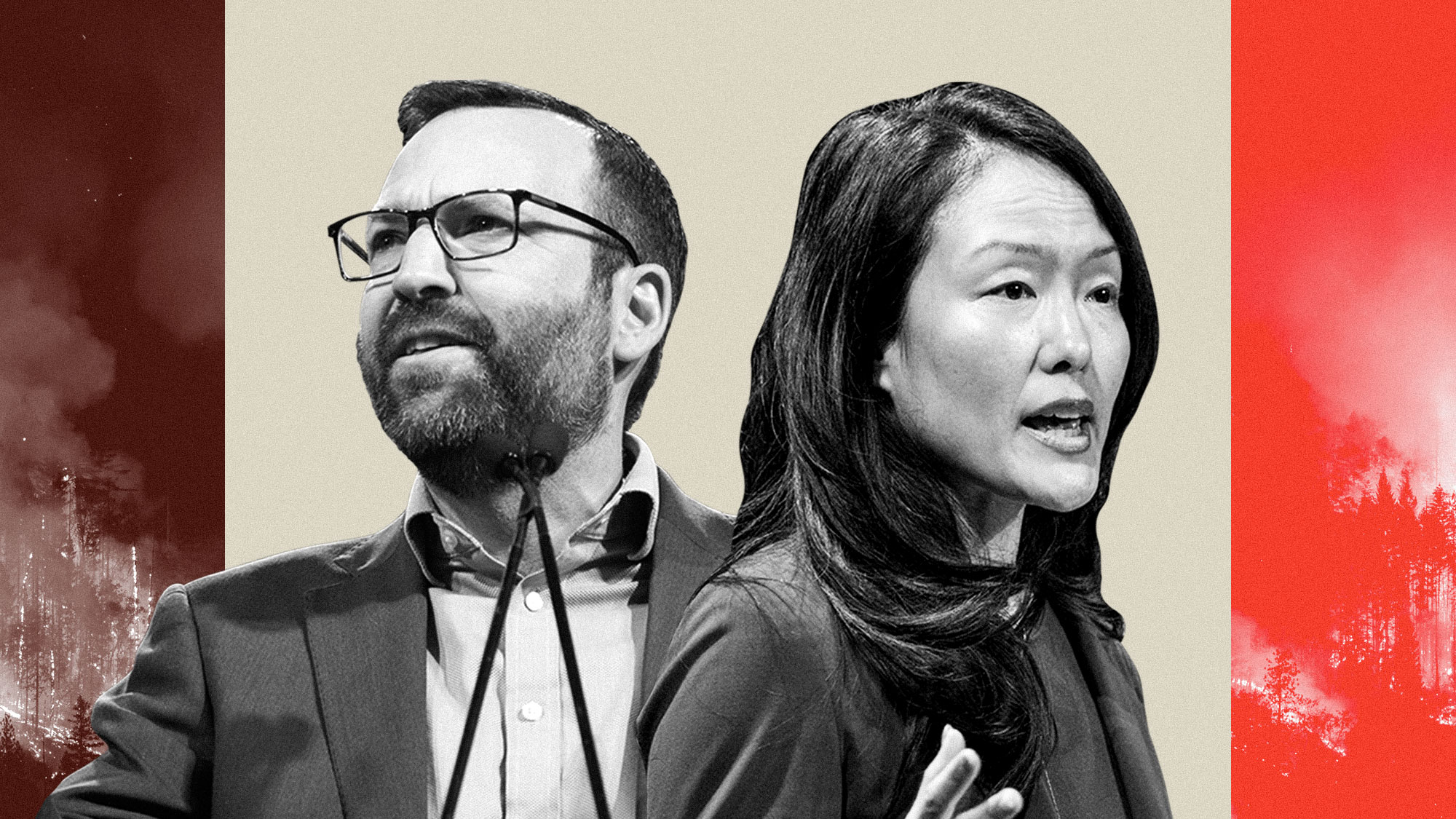
As the current insurance commissioner, Ricardo Lara, terms out, the upcoming election has become a referendum on whether the private market can be saved or if the state must seize control. Two Democrats have emerged as the primary contenders: State Senator Ben Allen and former San Francisco supervisor Jane Kim.
Ben Allen: The Market Reformer
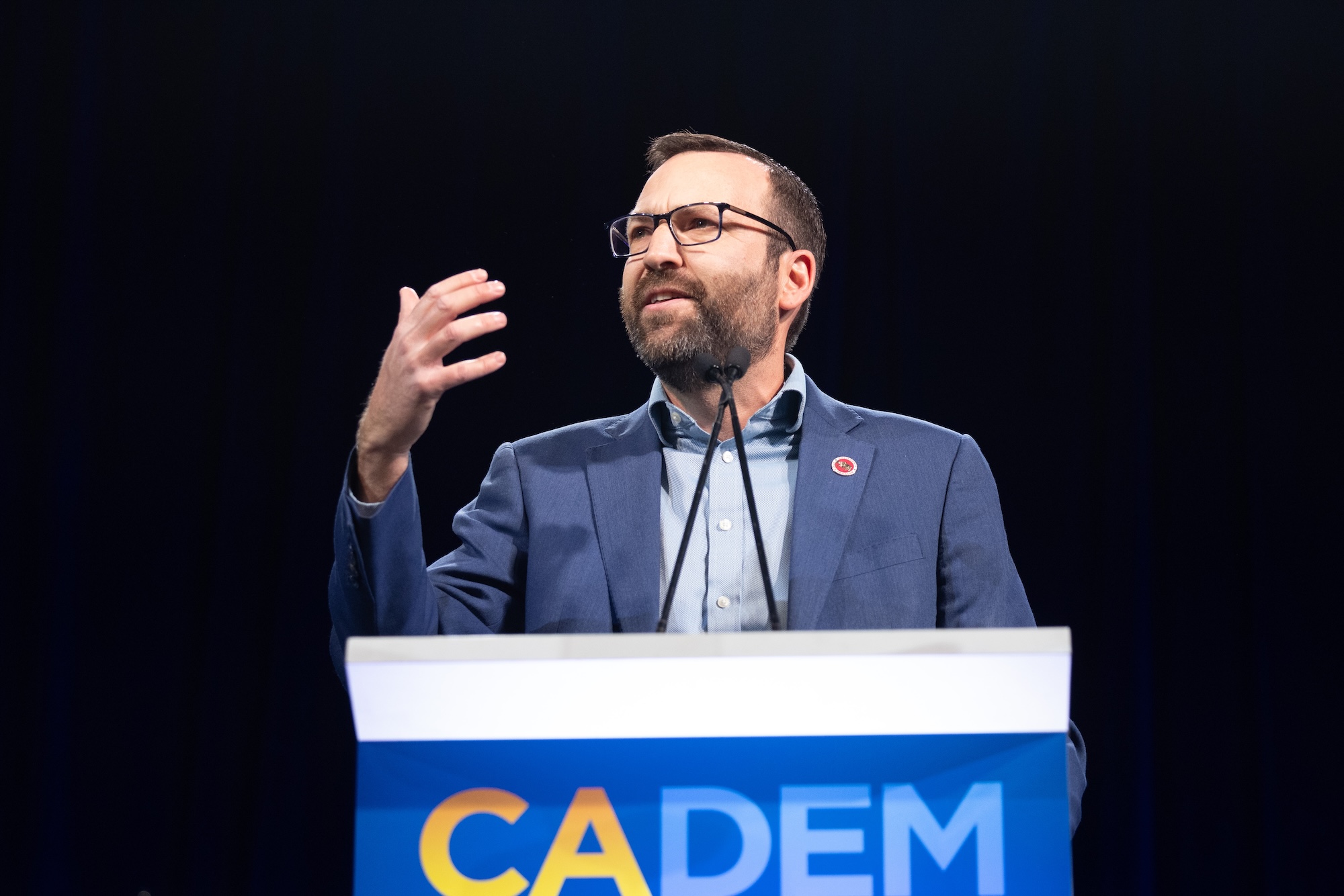
Allen, who represents the fire-ravaged Pacific Palisades, approaches the problem through the lens of legislative expertise. He views the commissioner’s role as one of poder de convocatoria—a "convening power" meant to force insurers, state agencies, and homeowners to the table.
"I think we need someone in this office who really understands climate science, who understands the markets, who understands the legislature," Allen told Grist. His strategy involves a "grand bargain": expediting rate increases for insurers in exchange for them returning to risky markets, while simultaneously investing in massive state-backed fire-hardening loans.
Jane Kim: The Structural Dissident
Kim represents a more radical departure from the status quo. She argues that the private market has proven itself incapable of addressing climate risk and proposes a state-run, single-payer disaster insurance program.
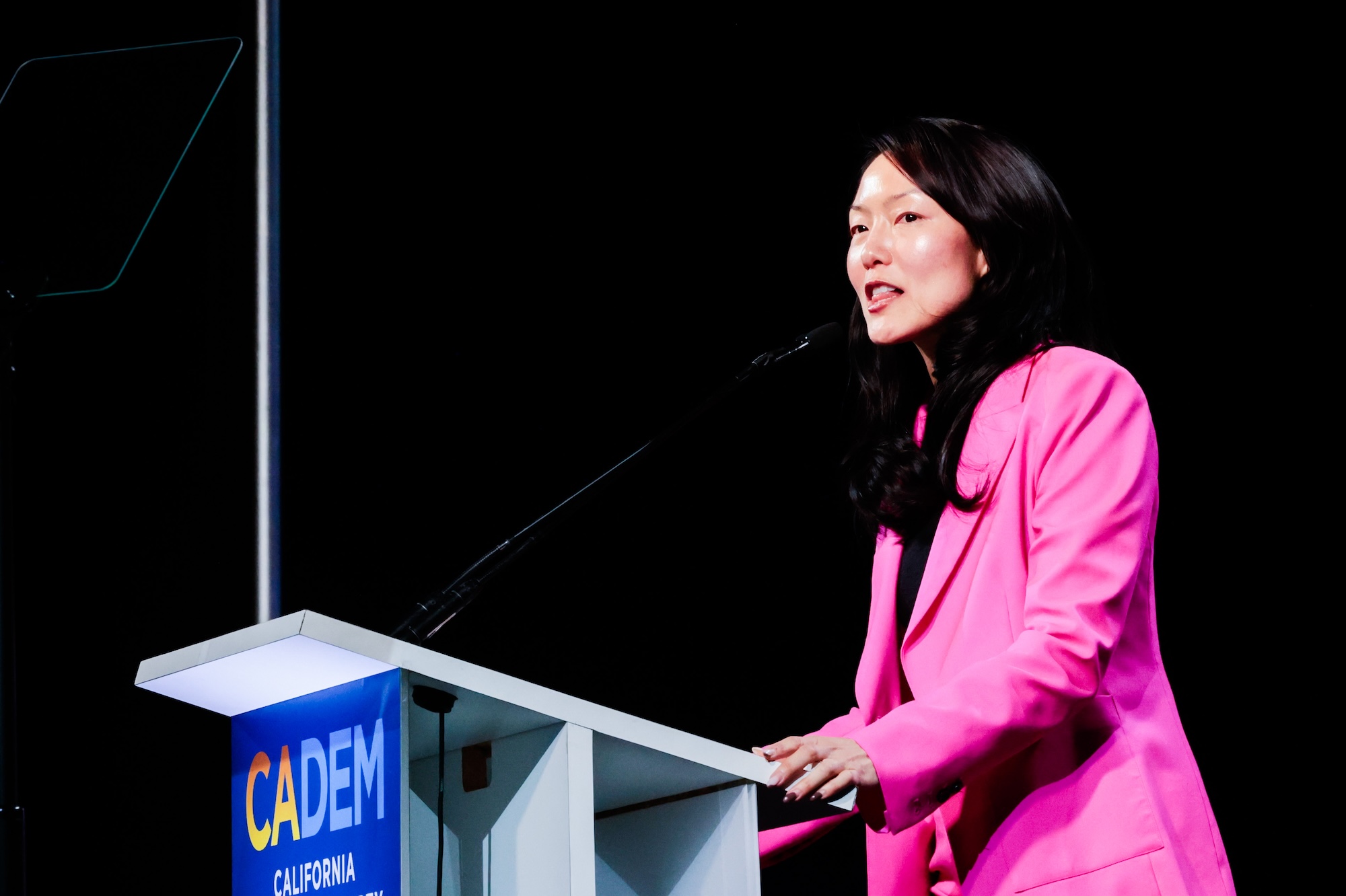
"What the insurance industry does is that they price risk, but they don’t actually address it," Kim said. Her proposal would replace the current reliance on private insurers for wildfire coverage with a public fund, using excess revenue to pay for community-wide retrofitting. Critics, including former commissioner Dave Jones, argue that such a plan would require massive taxpayer subsidies and potentially underprice risk in the most dangerous regions.
The Impossibility of Mitigation
Both candidates face a daunting physical reality: the sheer scale of the wildfire risk.
The work being done in places like Kelseyville, in Lake County, highlights the limits of current policy. With $117 million in state grants, organizations are helping homeowners replace flammable siding and clear vegetation. Yet, even with these efforts, only a fraction of eligible homes are being reached.
"A home is only as strong as the weakest link," says Steve Hawks of the Insurance Institute for Business & Home Safety. "If you leave a weak link on the table, a fire of significant magnitude can exploit any vulnerability."
The cost to harden every at-risk home in California would run into the tens of billions of dollars. This creates a cruel irony: to "fix" the insurance market, the state must find a way to pay for a massive, multi-decade infrastructure project while simultaneously managing the immediate pain of homeowners who are already being priced out of their communities.
Implications: A Society at Stake
The outcome of the November election will serve as a bellwether for how the United States approaches the "Great Adaptation." If California—a state with the world’s fifth-largest economy—cannot stabilize its insurance market, it raises a haunting question: Can the private market ever survive a warming planet?
For Lynn McIntyre, the situation has become a dark joke. Standing in her doorway, surrounded by the construction noise of neighbors who have the capital to rebuild, she remarks with a cynical edge: "The next time a fire comes through, I’m just going to light it on fire, because I’m not going to go through this again."
Her sentiment reflects a growing disillusionment with the social contract. Insurance is the lubricant that allows the gears of the American economy to turn. Without it, the dream of homeownership becomes a liability, and the geography of the state becomes a map of "winners" who can afford boutique, unregulated protection and "losers" who are left to the mercy of a state-backed plan that is often as indifferent as the fire itself.
Whoever ascends to the position of insurance commissioner will inherit a landscape of scorched earth and broken promises. They will be tasked with the impossible: convincing the private sector to cover the uninsurable, or building a new public institution capable of shouldering the burden of a changing climate.
The crisis is no longer just about premiums or policy language; it is about the fundamental definition of community. As Jane Kim noted, insurance is a prerequisite for participating in the economy. If we lose the ability to share our risks, we lose the ability to sustain the society we have built. Of all the things that a warming world threatens to take from us, the guarantee of being protected by one’s neighbors may be the most precious—and, currently, the most fragile.


 Layla Zulfa
 Pevita Pearce
 Nana
Nana
 Rifan Muazin

 Iffa Jayyana