
 Reynand Wu
The UK automotive landscape is currently undergoing a profound transformation, driven not merely by environmental policy, but by the harsh, immediate realities of global geopolitical instability. As fossil fuel prices spiral to historic highs, the economic case for transitioning to electric vehicles (EVs) has moved from a long-term sustainability argument to an urgent household financial strategy. New analysis from Carbon Brief reveals that, in the current market, it is now up to nine times cheaper to operate an electric vehicle than a traditional petrol or diesel car in the UK.
This dramatic disparity underscores a shift in the energy security paradigm. As oil markets react to intensifying conflicts in the Middle East and the continued degradation of Russian energy infrastructure, the UK consumer is finding that the "cost of driving" is no longer a fixed variable, but one increasingly tied to the volatility of global oil supply chains.
The Chronology of a Price Surge
The current crisis did not emerge in a vacuum; it is the culmination of several months of escalating geopolitical friction that has choked global supply lines.
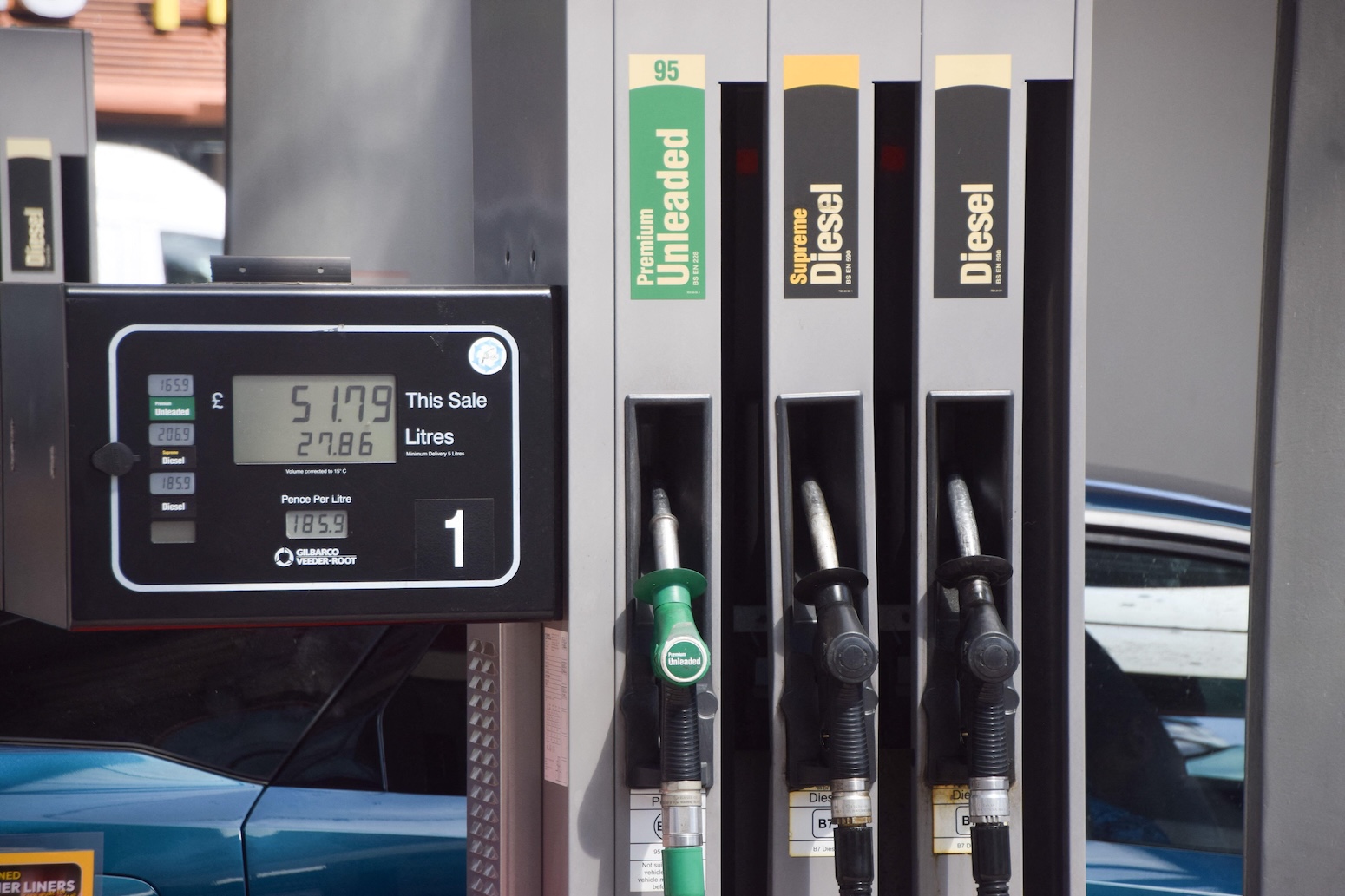
- February 2026: The onset of hostilities following the US-Iran conflict acted as the initial catalyst for a shift in fuel pricing. Since this period, diesel prices in the UK have climbed by 38%, reaching an average of £1.96 per litre.
- Summer 2026: The conflict between Yemen’s Houthis and Saudi Arabia intensified, leading to a 50% spike in oil prices, with crude climbing beyond the $100-per-barrel threshold. This directly translated to sustained pressure at the petrol pumps.
- September 2026: The economic situation reached a new inflection point following the September 20th attack on the Kapotnya oil refinery in Russia. Russia, previously the world’s second-largest exporter of diesel, has seen its refining capacity crippled by a consistent pattern of drone strikes—averaging one every three days during the first half of 2026.
- October 2026 and Beyond: With international supply chains fractured, analysts now expect the average cost of diesel in the UK to surpass the psychological and economic barrier of £2.00 per litre.
Supporting Data: The Cost-per-Mile Breakdown
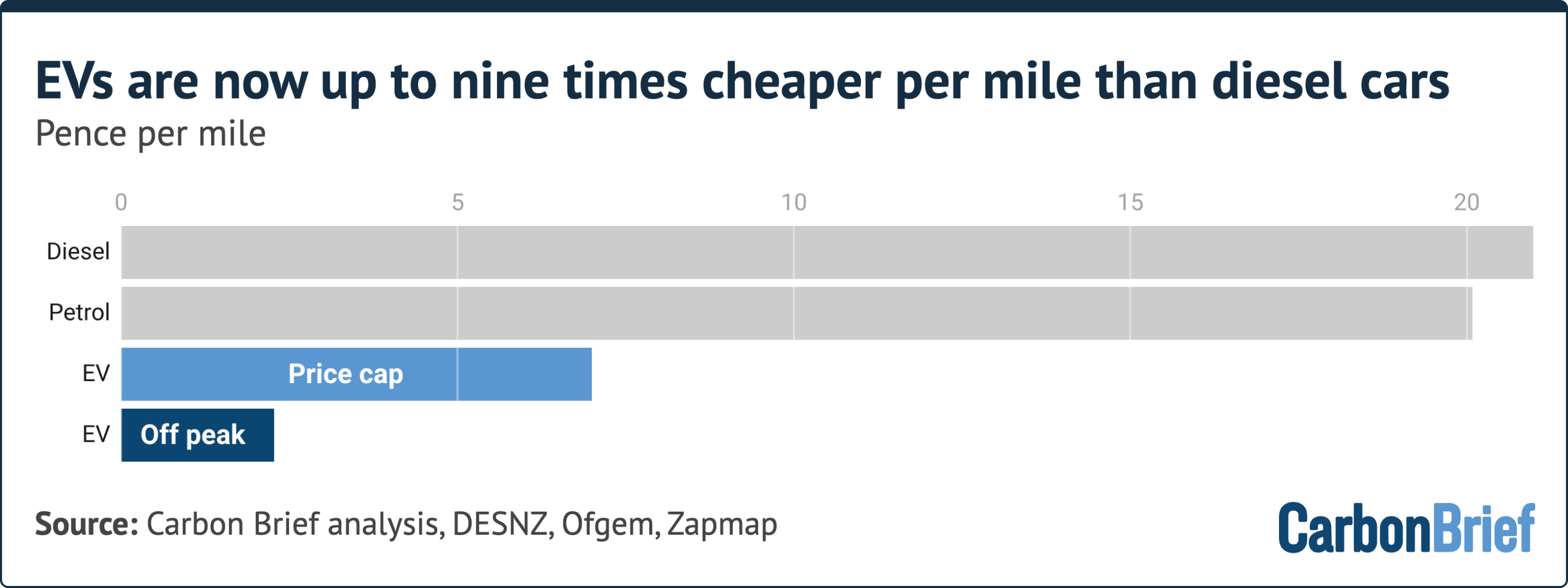
The divergence between internal combustion engine (ICE) vehicles and EVs is best illustrated through the cost-per-mile metric. According to data from the Department of Energy Security and Net Zero (DESNZ), the current cost landscape is stark:
- Diesel: At current rates, operating a diesel vehicle costs approximately 21p per mile.
- Petrol: Petrol vehicle owners face a similar burden, with costs hovering at 20.1p per mile.
- EVs (Off-Peak): For those utilizing off-peak domestic charging tariffs, the cost drops to a mere 2.3p per mile.
- EVs (Price Cap): Even when charging at the standard domestic price cap—the ceiling set by the energy regulator Ofgem—the cost remains at roughly 7p per mile.
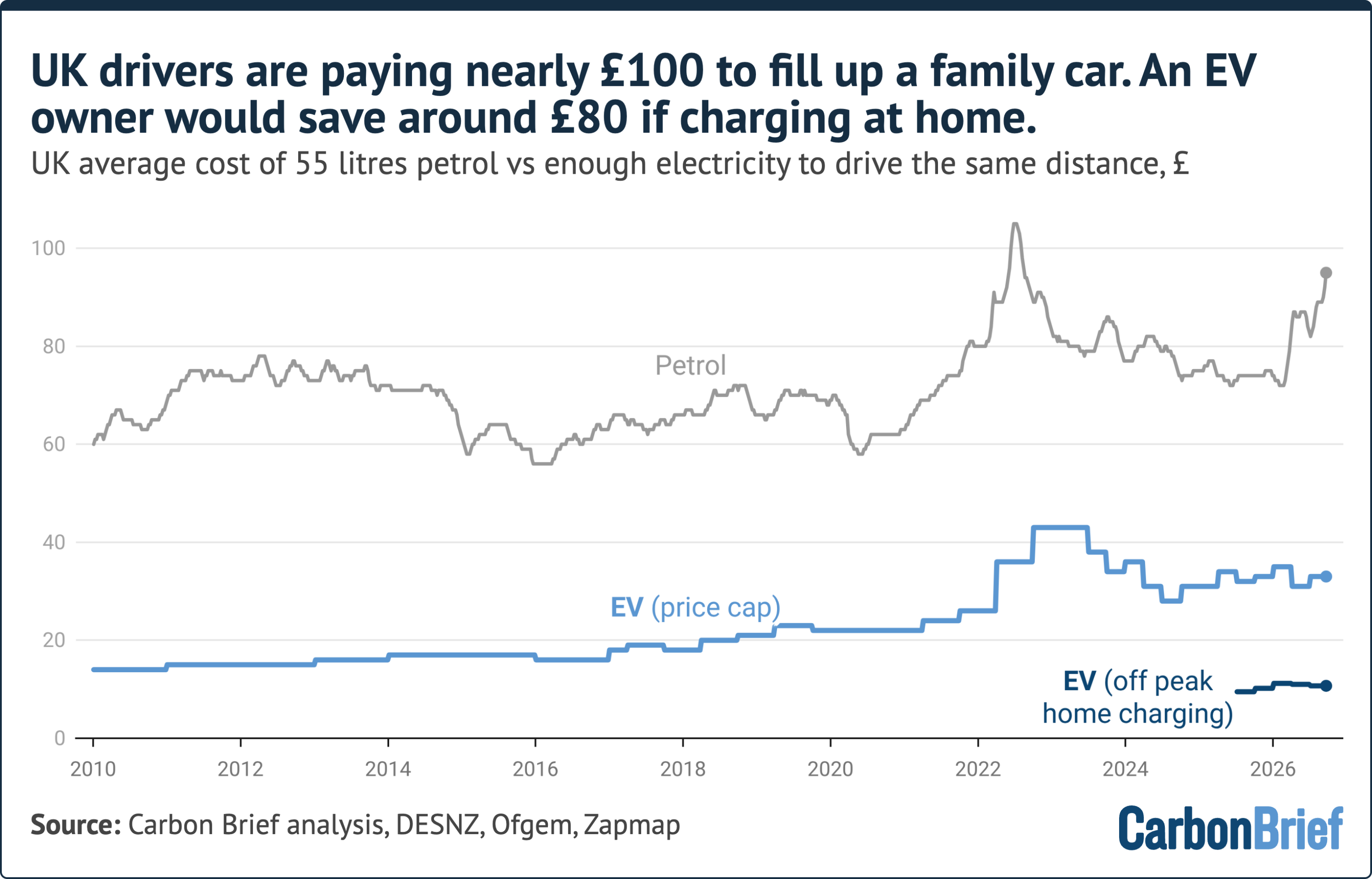
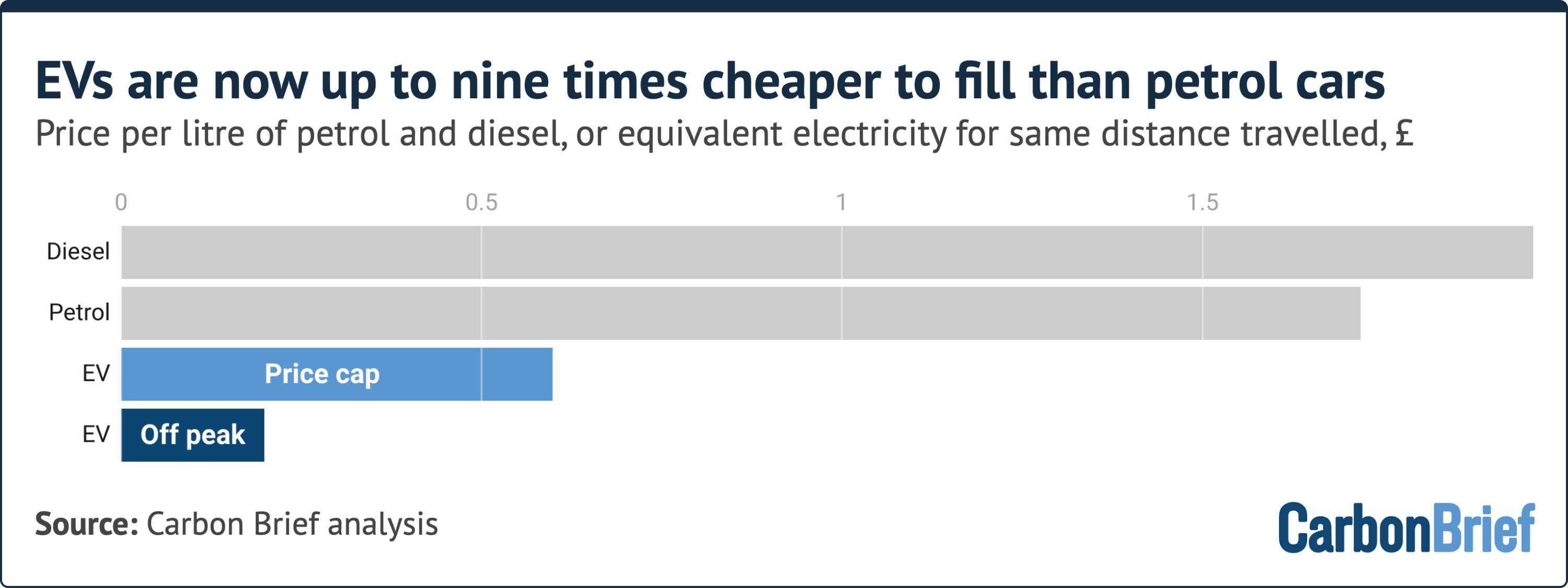
This translates to a massive savings potential. An average driver in the UK could save roughly £80 every time they "fill up" an EV at home compared to the equivalent range in a petrol vehicle. Over the course of a year, Carbon Brief estimates that the average UK EV driver is now saving approximately £1,200 in fuel costs compared to their petrol-driving counterparts.
The Energy Price Cap and Market Dynamics
A common concern among prospective EV owners is whether the volatility in the energy sector will eventually negate the savings of switching to electric. The UK energy market is governed by the Ofgem price cap, which is reviewed quarterly.
While the price cap is set for an adjustment in October, the regulatory data indicates that the increase is almost entirely driven by natural gas wholesale costs. The unit rate for electricity is expected to rise by less than 1%, moving from 26.1p to 26.3p per unit.
Looking ahead to January 2027, analysts anticipate a 20% increase in electricity unit rates as the current high gas prices filter through the wholesale market. However, even with this projected rise, the cost-per-mile for an EV will remain significantly lower than that of petrol or diesel. The fundamental physics of electric powertrains—which are far more efficient at converting energy into motion than combustion engines—ensure that even at higher electricity prices, the "fuel" cost remains a fraction of liquid hydrocarbons.
Official Perspectives and Infrastructure Realities
Despite the clear economic advantages, the transition to EVs faces structural hurdles. Currently, internal combustion engines still dominate the UK’s roads, accounting for 55% of all vehicles. Pure battery-electric vehicles (BEVs) make up only 6% of the 35 million cars on the road, with an additional 3% comprised of plug-in hybrids.
However, the tide is turning in the salesroom. Data from the Society of Motor Manufacturers & Traders (SMMT) indicates that in August 2026, roughly 30% of new car registrations were for battery EVs, up from 26.5% the previous year.
The government is also preparing for a changing tax landscape. By April 2028, the UK plans to introduce a pay-per-mile tax on EVs. While this will add approximately 3p per mile to the cost of driving an electric car, the massive disparity in fuel costs means that the total cost of ownership will remain vastly more attractive for EV owners than for those relying on fossil fuels.
Regarding the "charging anxiety" often cited as a barrier to adoption, government data shows that 76% of all EV charging currently occurs at home. With roughly 90% of electric car owners having access to off-street parking or home charging solutions, the reliance on expensive public charging networks is less of a burden than popular perception suggests.
Broader Implications: Energy Security and Climate Action
The current crisis has forced a re-evaluation of the UK’s energy independence. As demonstrated by recent research, the growth of wind and solar energy has been instrumental in shielding the UK economy from the worst impacts of the global gas crisis. During the recent Hormuz-related energy volatility, it is estimated that renewable energy generation saved the UK from gas imports worth approximately £5.9 billion.
The shift to EVs is, therefore, not only a personal finance decision but a component of national resilience. By decoupling personal mobility from the volatile global oil market, the UK is effectively "electrifying" its way out of exposure to the geopolitical whims of petrostates.
Furthermore, these shifts are having a measurable impact on global emissions. While the current year has been marred by climate-driven disasters—such as the record-breaking forest fire emissions in Indonesia linked to El Niño—the structural transition away from fossil fuels in the transport sector is providing a long-term buffer.

Conclusion: A New Economic Reality
The message from the data is clear: the era of "cheap" petrol and diesel is likely over, or at least entering a period of permanent, high-volatility instability. The economic argument for the electric vehicle has matured. No longer just a niche product for the environmentally conscious, the EV has become an economic tool for the average household to hedge against the fluctuations of a global energy system in crisis.
As the UK moves toward 2030 and beyond, the gap between the cost of internal combustion and electrification is expected to widen, not shrink. For the average driver, the decision to transition is no longer about when they can afford an EV, but rather, how much they can afford to lose by remaining tethered to the pump.


 Laily UPN
 Lina Hope
 Iffa Jayyana
 Rifan Muazin
 Suro Senen
 Lina Irawan