
 Lina Irawan
The global economic landscape is undergoing a profound and troubling transformation. As the dust settles from the latest geopolitical upheavals, a stark reality has emerged: the world is fracturing into two distinct economic spheres. According to the International Monetary Fund’s (IMF) October 2026 World Economic Outlook, a “Great Divergence” is underway, driven by the volatile intersection of fossil fuel dependence, the rapid proliferation of artificial intelligence, and the catastrophic economic fallout of the U.S.-Israel war on Iran.
While advanced economies have leveraged AI-driven productivity gains and diversified energy portfolios to insulate themselves from global shocks, the world’s developing nations remain trapped in a cycle of energy poverty, high inflation, and mounting debt. This widening chasm threatens to undo decades of progress in global development, leaving the Global South to navigate an increasingly hazardous economic terrain without the institutional support or capital required for a stable transition to a sustainable future.
The Anatomy of the Crisis: A Chronology of Instability
To understand the current economic malaise, one must trace the timeline of the events that triggered this instability.
- Early 2022: The Russian invasion of Ukraine served as a preliminary warning, exposing the extreme sensitivity of global supply chains—particularly food and fertilizer—to fossil fuel price volatility.
- Early 2026: The onset of the U.S. and Israeli military campaign against Iran marked a turning point. The destruction of key Iranian oil refineries and the subsequent disruption of major maritime shipping routes through the Persian Gulf sent crude oil prices into a sustained, unprecedented spike.
- Mid-2026: As fuel prices remained elevated, the downstream effects became systemic. Fertilizer costs surged, triggering global food insecurity, while transportation costs rendered imported goods prohibitively expensive for developing nations.
- June 2026: Under pressure from the U.S. administration, the World Bank officially abandoned its target of dedicating 45% of its lending to climate-related projects, signaling a shift in institutional priorities that further starved developing nations of the capital needed for green infrastructure.
- October 2026: The IMF released its flagship report, confirming that the "growth gap" between wealthy and poor nations is set to accelerate through the early 2030s, citing a lack of both private investment and multilateral support.
The Debt Trap: How Fuel Prices Cripple National Budgets
The economic vulnerability of the Global South is not merely a matter of high pump prices; it is a structural failure. When global oil prices surge, the impact is two-fold for developing nations. First, they face the immediate burden of higher energy import bills, which drain foreign currency reserves. Second, the resulting economic slowdown triggers a fiscal crisis.
As local industries contract under the weight of high energy costs, tax revenues decline. Governments, desperate to maintain basic services, are forced to seek external financing. However, international investors, sensing the instability of these economies, demand higher risk premiums. This forces developing nations to take on high-interest debt that is often unsustainable.
"Developing countries have been caught in a downward spiral of decelerating growth and increased vulnerability," explains Shekhar Aiyar, director of the Indian Council for Research on International Economic Relations. "The fiscal space that these nations once had to invest in education, healthcare, or infrastructure has been entirely consumed by debt servicing and the emergency procurement of fossil fuels."
Ad-Hoc Resilience: The Grassroots Energy Transition
In the absence of systemic, government-led, or internationally-funded energy transitions, the citizens and private enterprises of the Global South have taken matters into their own hands. This "bottom-up" transition is characterized by rapid, decentralized adoption of renewable technologies, often driven by survival rather than policy.
The Solarization of Pakistan
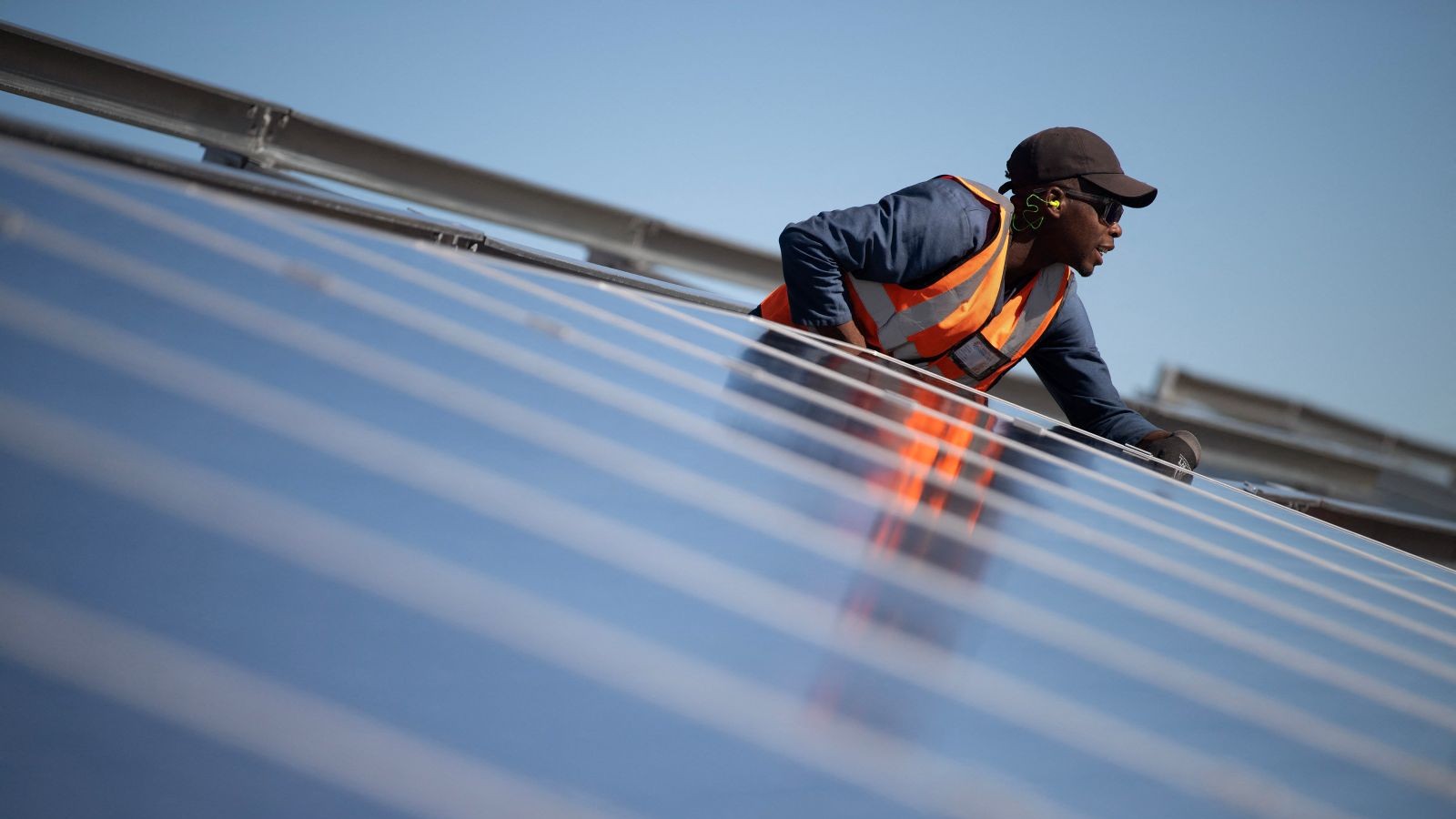
In Pakistan, the shock of the 2022 energy crisis served as a catalyst for a massive, uncoordinated, yet highly effective solar revolution. By deploying rooftop solar panels on a massive scale, households and businesses have effectively doubled the nation’s electricity capacity. When the war in Iran struck in 2026, these panels acted as a critical economic buffer, shielding many segments of the population from the astronomical price hikes that plagued the national grid.
The EV Boom in Southeast Asia and Africa
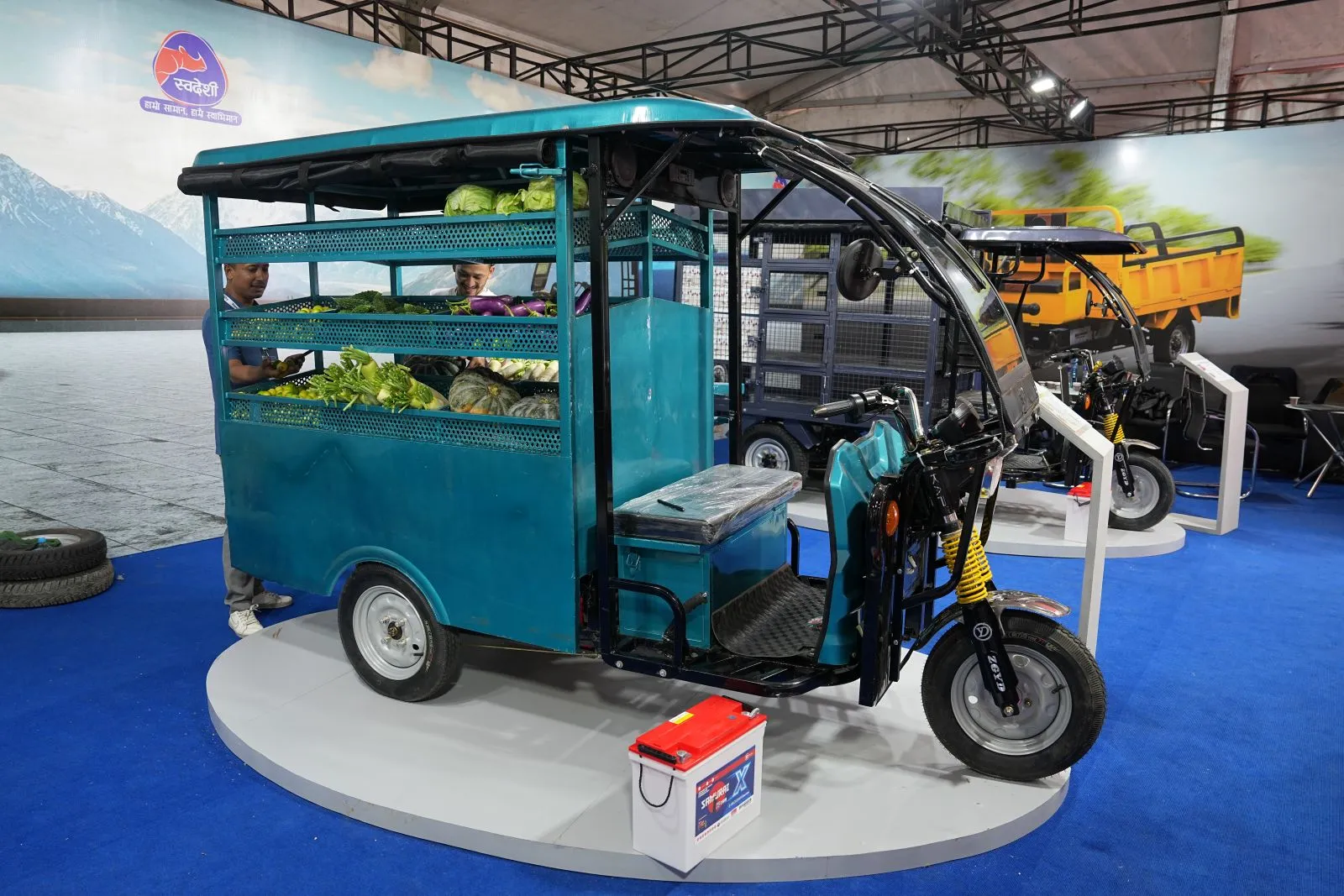
Vietnam provides a compelling case study in mobility shifts. Following the outbreak of the war in Iran, sales of electric motorbikes nearly doubled, now accounting for 28% of all new two-wheeled vehicle sales in the country. Similarly, Ethiopia and Nepal have moved aggressively toward electric vehicle (EV) adoption to reduce reliance on imported fuels.
However, this transition is fraught with peril. In Ethiopia, which has become a regional leader in EV adoption, the lack of infrastructure is staggering. With only 13 public charging stations in the entire country, the surge in electric transport is colliding with a fragile, often unreliable power grid. The result is a paradox: citizens are choosing green, efficient technology, but the nation lacks the high-voltage backbone to sustain it.
The Failure of Multilateralism: A Systemic Vacuum
The core promise of the IMF and the World Bank, established in 1944, was to act as the global financial safety net, providing the capital and expertise necessary for developing nations to modernize. Today, that promise is failing.
Critics argue that these institutions have shifted their focus away from the long-term, structural developmental needs of the Global South. By prioritizing debt repayment and bowing to the political pressures of major shareholder nations—such as the U.S. demand to scale back climate-related lending—the Bretton Woods institutions have effectively abandoned their role as engines of sustainable development.
Furthermore, bilateral aid from wealthy nations—the "Global North"—has been in steady decline. While wealthy nations have pledged over a trillion dollars in climate finance by 2035, the track record suggests skepticism is warranted. Historical precedents indicate that these pledges are rarely met in full, or are delivered as loans rather than grants, further exacerbating the debt crisis in recipient nations.
Implications: The Path Toward a New Economic Reality
The implications of this trend are profound. If the current trajectory continues, we are looking at a decade of stagnation for the world’s poorest populations.
- Macroeconomic Instability: As long as developing nations are tethered to the volatility of global fossil fuel markets, they will remain prone to "stop-go" growth cycles. Decarbonization is no longer just an environmental imperative; it is a prerequisite for macroeconomic sovereignty.
- Social Inequality: The "unplanned" nature of the current energy transition is creating internal class divides. In many countries, the wealthy are installing private solar systems, leaving the cost of maintaining the legacy, failing power grids to the poor—a phenomenon that could spark significant social unrest.
- The Need for Institutional Reform: Experts argue that a massive, coordinated effort to reform international development finance is non-negotiable. Without a mechanism to provide low-cost, long-term capital for grid modernization and energy storage in developing countries, the transition will remain haphazard, inefficient, and potentially destabilizing.
A Glimmer of Hope
Despite the bleak outlook, there is a silver lining. The economic fallout of the war in Iran has finally forced a global recognition of the dangers of fossil fuel dependence. For the first time in recent history, the necessity of an orderly energy transition is being discussed not as an abstract environmental goal, but as a core component of economic survival.
"It’s now more widely understood that decarbonization is a critical goal for macroeconomic stability," says Rebecca Ray of Boston University. "Just that recognition is a really encouraging step."
The question remains: who will pay for it? The answer will define the next chapter of global history. If the world continues to treat the energy transition as a luxury for the rich, the widening gap between the prosperous and the struggling will only serve to further destabilize a world already on the brink of profound, structural change. The transition is coming, but without global coordination, it will be as unequal as the world it seeks to replace.

 Neng Nana
 Pevita Pearce

 Raul Delapena Setiawan

 Nana
