
 Basiran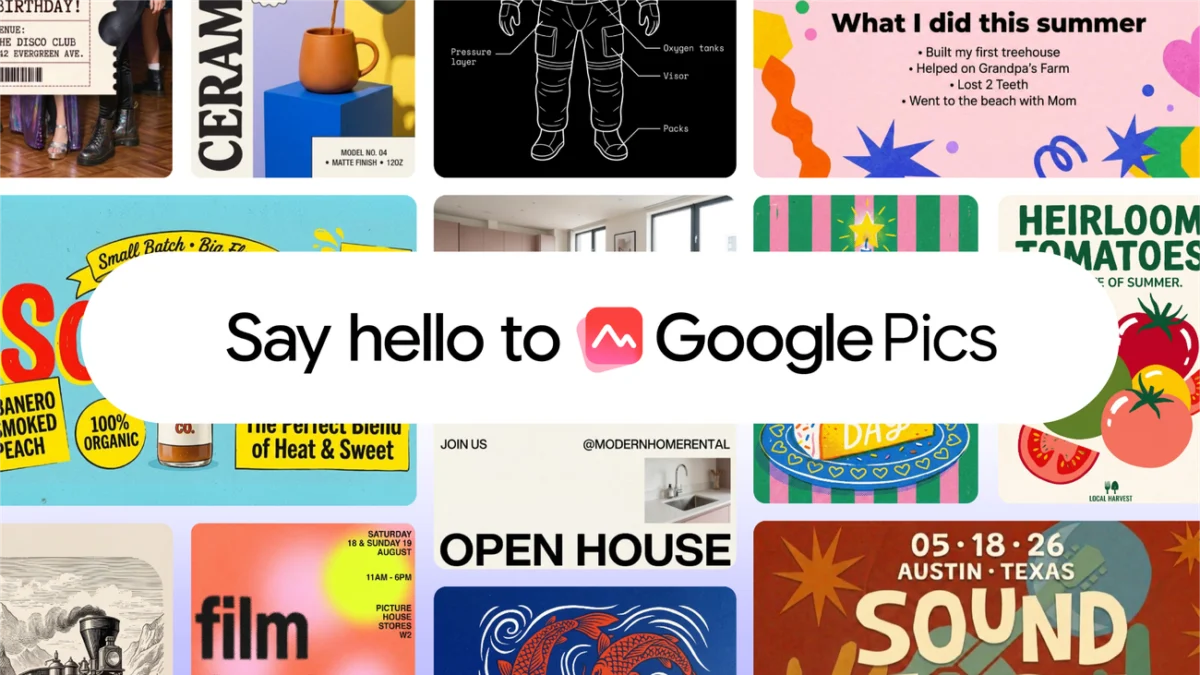
In a move set to redefine how professionals interact with visual content, Google has officially launched "Google Pics," a sophisticated AI-powered image creation and editing platform. Designed to eliminate the friction between conceptualizing an idea and finalizing a visual asset, Google Pics is rolling out over the coming weeks to Google AI Pro and Ultra subscribers, as well as a broad segment of Google Workspace business customers. By embedding high-fidelity generative AI directly into the heart of the office suite, Google is positioning itself as the primary hub for both creation and collaboration.
The Core Technology: Behind the "Nano Banana" Engine
At the heart of the Google Pics ecosystem lies the proprietary "Nano Banana" image generation and editing model. This represents a significant leap forward in Google’s generative AI strategy. Unlike generic image generators that require constant back-and-forth prompting, Nano Banana is engineered for "precision-first" design.
According to Meg Whittenberger, Google Pics Product Manager, the tool was built to address the specific pain points of modern professionals: the need for rapid iteration, precise stylistic control, and the ability to refine existing work without starting from a blank slate. Whether a user is designing a high-impact slide deck, creating professional social media content, or generating complex digital illustrations, the model offers a level of control that mirrors professional-grade design software while maintaining an intuitive user interface.
Chronology of the Launch
The road to Google Pics was paved by months of beta testing and the gradual integration of generative AI features across the Workspace ecosystem.
- Q1 2026: Google begins internal testing of "Project Canvas," an AI-assisted visual editor designed to streamline internal design workflows.
- Mid-2026: Initial integration tests for Google Slides and Docs commence, focusing on user feedback regarding "in-flow" editing capabilities.
- September 1, 2026: Official public announcement of Google Pics. The rollout begins for AI Pro and Ultra subscribers, alongside select enterprise Workspace clients.
- Coming Weeks: Phased deployment to continue, including the highly anticipated integration with Google Drive, allowing users to pull assets directly into the editor.
Supporting Data: Why Visual Productivity Matters
The necessity for a tool like Google Pics is supported by shifting trends in digital workplace productivity. Millions of users interact with billions of images across Google Workspace products every month. However, the traditional workflow—finding an image, downloading it, editing it in a third-party application, and re-uploading it—creates a significant "context-switching tax."
Studies suggest that the average knowledge worker spends nearly 15% of their day switching between different digital tools. By integrating Google Pics directly into Docs, Slides, and eventually Drive, Google aims to reclaim that lost time. Users no longer need to navigate between browser tabs or local applications to fine-tune a graphic; the tool is contextually aware of the document being edited, ensuring that images are automatically formatted to fit the layout of a presentation or a formal report.
The Integration Strategy: Creating Where You Work
Perhaps the most significant aspect of this launch is the seamless nature of the integration. Google is moving away from the "standalone silo" model of product development in favor of a "workspace-first" approach.
Google Slides and Docs Integration
As of today, users can access Google Pics directly from within the interface of Docs and Slides. This allows for real-time generation of custom graphics, charts, and illustrations. If a user needs a specific image to complement a slide about global supply chain logistics, they can trigger the Pics side panel, provide a prompt, and drag the resulting image directly into the presentation.
The Upcoming Drive Ecosystem
The planned integration with Google Drive is expected to be a game-changer. By allowing users to drag and drop files from their Drive storage into the Pics editor, Google is enabling a "design-in-place" environment. This means that if a user has a low-resolution brand asset in Drive, they can open it in Pics, use the Nano Banana model to upscale, retouch, or modify the image, and save the result as a new version or an entirely new asset without ever leaving the Google ecosystem.
Official Perspectives and User Experience
In describing the philosophy behind the product, the Google team emphasized that Google Pics is not meant to replace professional designers, but rather to empower those who lack specialized design training to produce high-quality work.
"We want to remove the barriers to creativity," Whittenberger noted. "Whether you are a marketing manager trying to put together a last-minute social media post or an analyst who needs a clear, custom data-driven visual, the goal is to make the tool feel like an extension of your intent."
The interface utilizes a "refinement-first" workflow. Users start with an initial generation and can then use granular controls to adjust lighting, composition, and specific elements within the frame. This iterative process is designed to prevent the "one-shot" frustration common in earlier generations of AI image tools.
Implications for the Creative Economy
The release of Google Pics carries profound implications for the broader creative and business landscape.
1. The Democratization of Professional Design
By lowering the barrier to entry, Google is effectively enabling non-designers to produce work that was previously only possible with expensive software suites or agency support. This will likely increase the overall volume of visual content produced within corporate environments.
2. Shifts in Software Spending
Companies may re-evaluate their subscriptions to secondary design tools. If Google Pics can handle 80% of a generalist’s image editing needs, many businesses may choose to streamline their software stacks to reduce costs and security risks associated with third-party apps.
3. The New Standard for AI Productivity
Google’s focus on "in-app" integration sets a new bar for AI competitors. Users are increasingly showing a preference for tools that "come to them" rather than requiring them to visit a separate website. This move forces competitors like Microsoft and Adobe to further tighten their own platform integrations.
Ethical and Operational Considerations
With the rise of generative AI, questions surrounding provenance and ethical use remain at the forefront. Google has implemented guardrails within the Nano Banana model to ensure that content generated follows safety guidelines. Furthermore, as with all AI-generated content, the company encourages users to maintain a "human-in-the-loop" approach, reviewing all outputs for accuracy and brand alignment before final publication.
As the product rolls out, the company is actively soliciting feedback via their official channels. The focus remains on refining the model’s ability to understand nuance, text rendering within images, and maintaining consistency across multiple generated assets—a common hurdle for current generative models.
Conclusion: A New Era of Collaboration
Google Pics represents more than just a new feature; it is a manifestation of Google’s broader strategy to weave generative intelligence into the fabric of everyday professional life. By bridging the gap between imagination and execution, Google is transforming its suite of tools from passive repositories of information into active partners in the creative process.
As we look toward the future of work, the distinction between "creating" and "editing" will likely continue to blur. With tools like Google Pics, the focus shifts from the technical execution of a task to the quality of the idea itself. Whether you are an entrepreneur launching a brand or a student finalizing a research paper, the ability to generate, refine, and co-create with precision is now just a few clicks away.
To get started, users can visit pics.new to experience the future of image creation firsthand. As the rollout progresses over the coming weeks, the professional world will be watching closely to see how this infusion of AI capability changes the visual language of the modern office.


 Pevita Pearce
 Suro Senen
 Laily UPN
 Iffa Jayyana
 Rifan Muazin

 Lina Hope
 Lina Irawan