
 Dwi Wanna
In the modern digital economy, the divide between selling a physical good and a digital asset is vast. For e-commerce brands, a physical product is tangible; customers can weigh the quality of the materials, visualize the item in their home, and make a decision based on sensory input. In that model, email serves as a support vehicle—a tool to nudge customers back to a store or recover an abandoned cart.
For digital product and course creators, however, the paradigm shifts entirely. When you sell an intangible asset—a masterclass, an e-book, or a membership portal—the email does not merely support the sale; it is the sale. There is no packaging to admire and no physical demo to touch. There is only a promise, and it is the email’s job to ensure that promise is credible enough to justify the investment of time and money.
The Foundation: Trust Before the Pitch
The most successful digital entrepreneurs operate under a golden rule: Trust before pitch, education before offer, and relationship before revenue.
Unlike retail, where customers might stumble upon a product via a search engine and make an impulsive purchase, the digital product funnel is a marathon, not a sprint. A potential student might find a creator through a podcast appearance, a viral social media post, or a referral. At this stage, they are curious but uncommitted. They sign up for a "lead magnet"—a free checklist or a mini-course—and suddenly, the creator has a direct line to their inbox.
From this moment on, the relationship is fragile. Without a retargeting pixel doing the heavy lifting or a "browse-and-abandon" sequence, the creator’s success depends entirely on the quality of the correspondence. If the emails are not compelling enough to earn trust week after week, the subscriber will disengage long before the creator ever asks for the sale.
The Strategy: Beyond the Lead Magnet
Many creators view the lead magnet as the finish line. In reality, it is merely the opening ceremony. The opt-in earns the email address; the welcome sequence earns the attention. However, it is the long-term "nurture content" that eventually earns the sale.
Take the case of Foundr, which has mastered the art of the funnel. Their free training sessions are not just lead-generation tactics; they serve as the opening chapters of an ongoing conversation. By the time a prospect considers subscribing to Foundr+—the company’s premium membership platform—they have already consumed enough high-value, free content to view the company as a trusted authority. The $1 trial offer then becomes a low-friction final step, removing the last psychological barrier to entry. This methodology proves that the sale is simply the logical conclusion of a well-executed trust-building sequence.
Structuring the Nurture Sequence
The primary goal of a nurture sequence is to build belief. You must convince the subscriber that their problem is real, that your solution is credible, and that your course is the necessary vehicle to bridge the gap between their current frustration and their desired future.
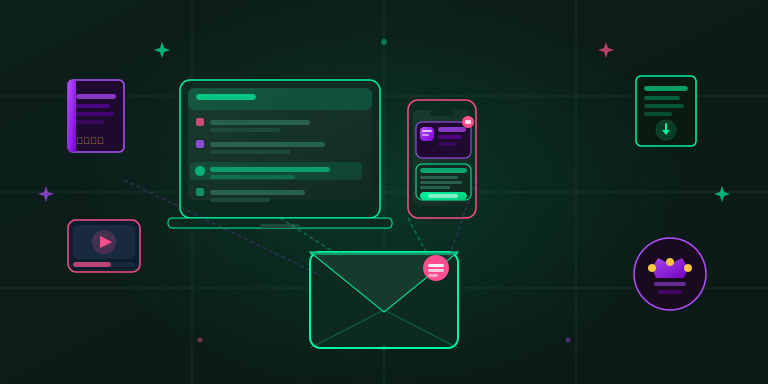
The Arc of Transformation
The most effective nurture sequences follow a specific narrative arc:
- Validation: Start by articulating the problem the audience is living with today.
- Vision: Paint a clear picture of what is possible on the other side of the solution.
- Proof: Introduce case studies, student results, and personal anecdotes that validate the transformation.
- Confirmation: By the time the course is mentioned, the subscriber should feel that purchasing is not a "pitch," but rather a confirmation of a decision they have already mentally made.
The length of this sequence should be determined by the price point of the product. An entry-level $49 e-book might convert within three or four emails, whereas a high-ticket flagship course requires a longer runway, often spanning six to ten emails over several weeks.
The Launch: A Different Discipline
When the "cart" officially opens, the rules of the game change. The measured, value-first approach of a nurture sequence is insufficient to sustain the intensity of a launch. A launch window is defined by a contained period of urgency, and the emails must match that energy.
During this phase, storytelling becomes paramount. Replace feature-heavy bullet points with narratives that address specific objections. If a subscriber is "too busy," share a story about a student who balanced the course with a full-time job. If they doubt the course will work for their specific situation, showcase a testimonial from a peer who shared their background.
Crucially, urgency must be real. Manufactured scarcity—such as a countdown timer that resets—erodes brand integrity. If you state that the cart closes on Friday, the cart must close on Friday. When you respect the deadline, your audience learns to respect your word. In the final 48 hours of a launch, sending one email per day is not an annoyance; for an interested subscriber, it is a service.
The Post-Purchase Experience: The Hidden Engine of Growth
Perhaps the most common error in the digital product space is the "ghosting" that occurs immediately after the sale. Once the transaction is complete, many creators fall silent. This is a missed opportunity to build the brand’s most valuable asset: the loyal student.
A simple check-in email sent seven days post-purchase can generate a disproportionate amount of goodwill. Furthermore, progress-based emails that acknowledge milestones encourage students who are lagging behind, directly impacting completion rates.
Why do completion rates matter? Because a student who finishes a course and achieves a result is your most potent marketing tool. They write testimonials, they refer friends, and they are significantly more likely to purchase your next release. By providing a post-purchase experience that mirrors the quality of the sales funnel, creators turn customers into long-term advocates.
The Technical Infrastructure: Why Tools Matter
Building a business on email is one of the most durable models in entrepreneurship. It is immune to the volatility of social media algorithms and the shifting policies of platform giants. However, this model requires a robust technical foundation.
Platforms like Omnisend have become industry standards because they allow creators to automate the entire lifecycle—from initial lead nurturing to the post-purchase follow-up—without manual intervention. For a creator, the value of such tools lies in their ability to segment the audience. By ensuring that the right message reaches the right subscriber at the right stage of their journey, creators can maximize conversion rates while minimizing the time spent on administrative tasks.
Industry data suggests that switching platforms, while often perceived as a daunting task, can be a vital catalyst for growth. Many providers now offer free migration services to move lists, flows, and templates in a matter of days. For many founders, these transitions lead to lower overhead costs and improved delivery rates, allowing them to reinvest those savings into their content and their students.
Implications for the Future of Creator-Led Education
As the digital creator economy matures, the barrier to entry for course creation has lowered, but the barrier to success has risen. In an increasingly noisy digital landscape, the "spray and pray" approach to email marketing is dead.
The future belongs to the creators who prioritize the human element. The ability to write an email that resonates—not just as a sales pitch, but as a genuine piece of advice—is the ultimate competitive advantage. Whether you are selling a masterclass on entrepreneurship or a niche skill-based tutorial, the core remains the same: treat your list with respect, provide value before you ask for payment, and never underestimate the power of a well-timed, thoughtful message.
Ultimately, your email program is the digital embodiment of your relationship with your audience. If you build it with the same level of care you put into your products, your business will not just survive the changing tides of the digital world—it will thrive.


 Iffa Jayyana
 Raul Delapena Setiawan
 Laily UPN
 Rifan Muazin
 Suro Senen
 Lina Hope
 Lina Irawan